
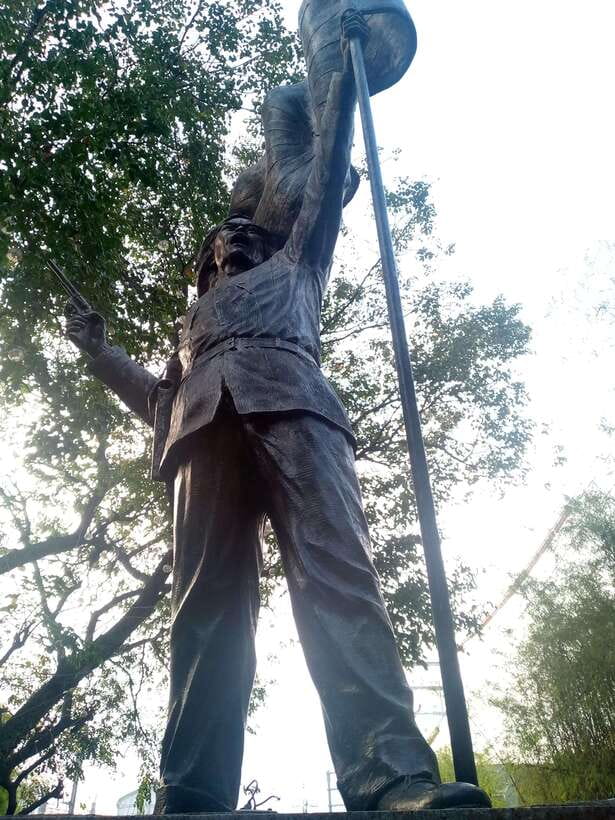
Reviewed · MANILA TOURS
Revolutionary Tour of Manila
The most powerful part of this tour is the way it connects famous Intramuros landmarks with the people who suffered and fought there. At Fort Santiago, you see Dr. Jose Rizal’s last prison cell, cramped dungeons, and the mass grave of 600 Filipino and American civilian prisoners of war. This is not just a walk past old walls. It is a lesson in how Manila’s past was shaped by resistance, reform, war, and loss.
I like the clear route through three major historic sites, and I like that the tour gives attention to lesser-known patriots as well as national heroes. The guide may be Jerome, who speaks English and German, and transport is included, which helps keep a three-hour visit moving. The main caution is timing: church access can be affected by Mass, and one booking became much shorter when the churches could not be entered.
Key details to know before you book
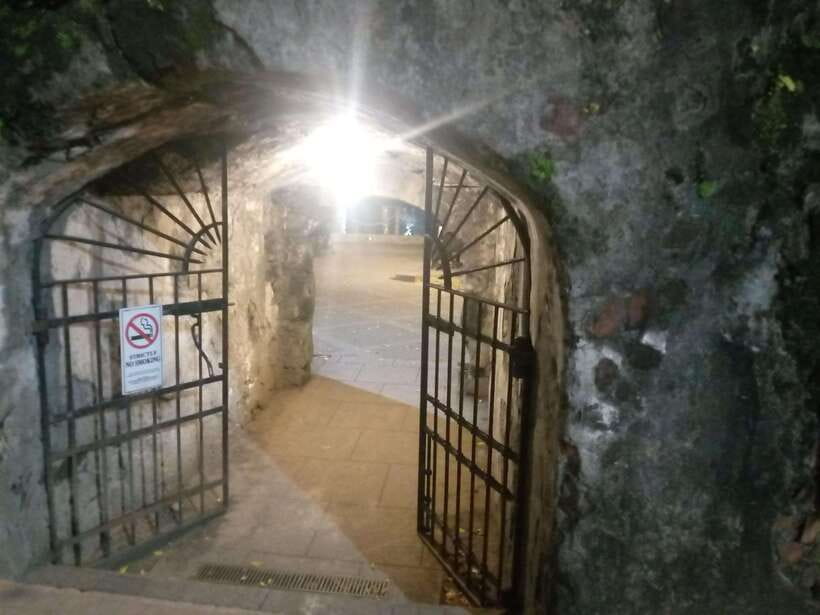
- Fort Santiago is the emotional center: Plan to spend about an hour seeing Rizal’s cell, prison areas, and wartime memorials.
- The tour follows the road to independence: Its story runs from the pre-Hispanic period through Spanish and American rule to the Japanese occupation.
- Two churches add political and cultural context: Manila Cathedral covers church and government power, while San Agustin Church focuses on survival through changing periods.
- The walking route ends at Calle Real: You see how the old center of Intramuros has changed from its former role as downtown Manila.
- English and German guiding is available: Jerome is named as one guide associated with the experience, though guide assignment can vary.
- The price is $60 per person: That is reasonable if you want an escorted history visit with entrance fees and transportation, but less attractive if church closures reduce the time.
Fort Santiago gives the tour its human scale
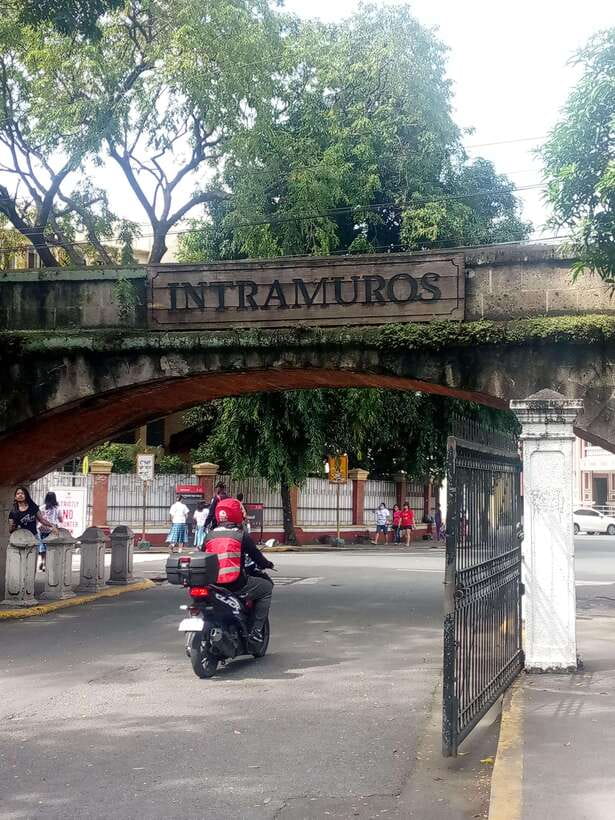
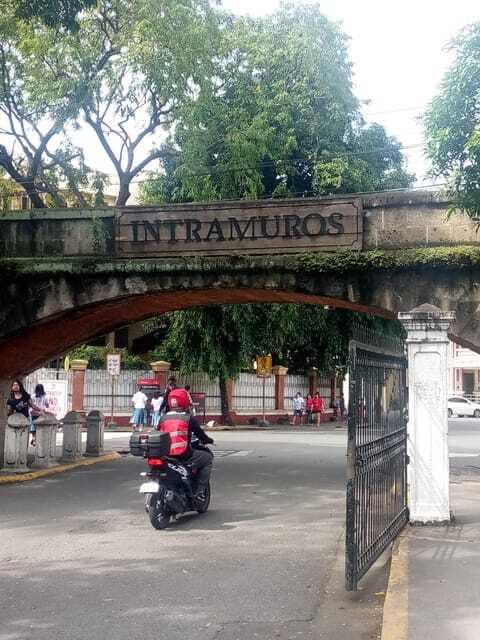
Meet at the Fort Santiago Gate on 18 Sta. Clara Street, where the guide carries a tour poster. The route begins inside the fort, and this is the longest stop, with about one hour set aside for it.
Fort Santiago is an effective place to begin because it puts power, imprisonment, and resistance in one compact setting. The tour introduces the history of the Philippines from the pre-Hispanic era onward, then follows the forces that changed Manila under Spanish rule, American rule, and Japanese occupation.
The story centers on unsung patriots as well as better-known figures. That matters because Philippine history can easily be reduced to a few names and dates. Here, you are encouraged to think about the wider group of people who pushed for reform, resisted control, or endured imprisonment.
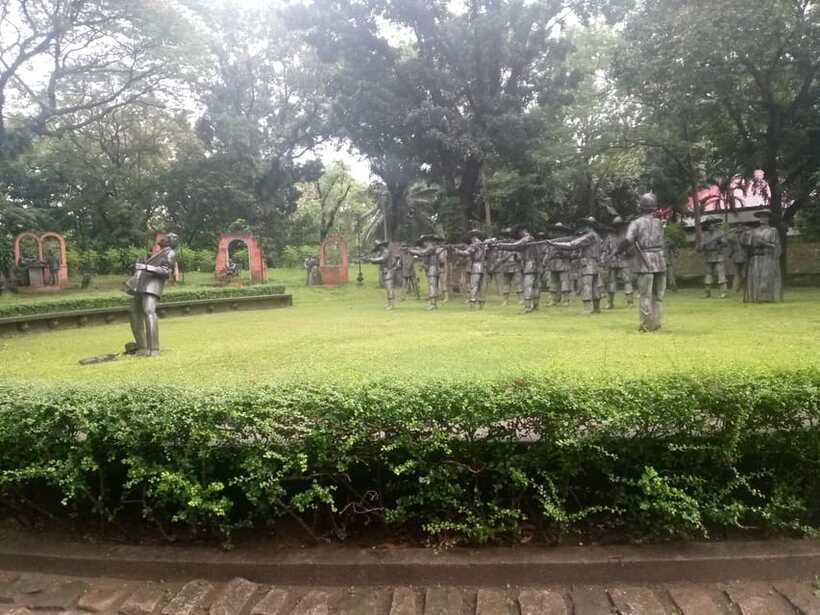
One major stop is the last prison cell of Dr. Jose Rizal, the writer, reformer, and national hero. The cell gives the revolutionary story a personal focus. Instead of hearing only about political movements, you see the confined space connected with a man whose writing and ideas helped shape the push for national identity.
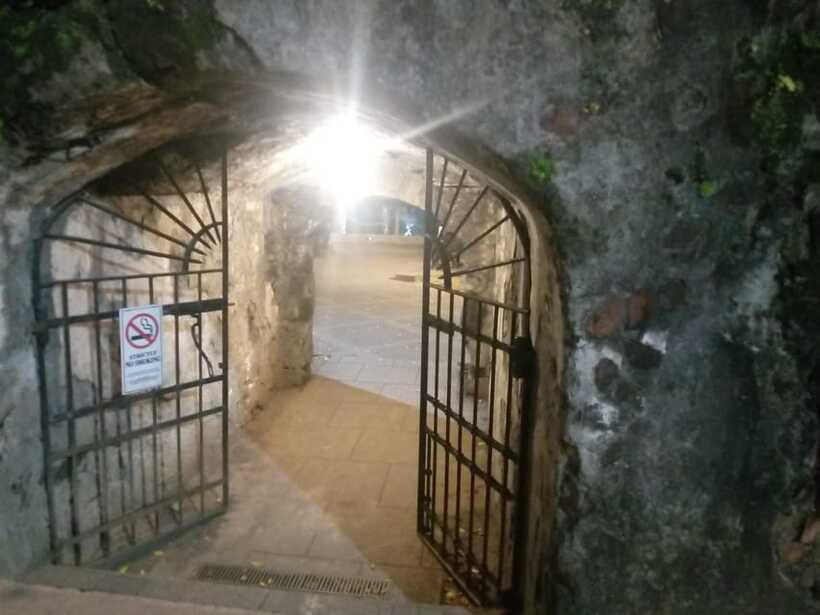
The dungeons create a much darker mood. The air is tight, and the limited oxygen helps you understand how harsh these spaces were for prisoners. The tour also takes you into chambers connected with the deaths of 600 Filipino and American civilian prisoners of war.
A mass grave offers a place to pause and remember them. This part may be difficult, but it gives the tour moral weight. The experience is not designed as a cheerful sightseeing loop. It asks you to confront the human cost of occupation and war, then carry those stories onward.
Wear comfortable shoes, but do not expect Fort Santiago to be a quick photo stop. The hour can feel full because there is a lot of ground and context packed into it. Sunscreen or mosquito repellent is a sensible choice, especially for a warm outdoor visit.
A few more Manila day trips to weigh up
- Intramuros, Manila: Historical Bamboo Bike Tour
★ 4.8 · 583 reviews - Experience Intramuros with Bamboo Bicycle – Ecotours
★ 5.0 · 508 reviews - Manila: Intramuros, Chinatown, and Old Manila Half-Day Tour
★ 4.8 · 475 reviews
Manila Cathedral shows the struggle for power
The next stop is Manila Cathedral, with about 30 minutes of guided attention. This section shifts from prisons and military force to the relationship between religion and government.
The guide explains the power struggle between the church and the state. That subject helps you read Intramuros in a more useful way. The walled city was not only a defensive center or a collection of grand buildings. It was also a place where institutions competed to shape public life.
The cathedral stop is shorter than Fort Santiago, so expect a focused explanation rather than a long architectural study. Its value lies in the political setting and the way it connects religious authority with colonial government.
There is one important practical concern. Church access may depend on services, and Mass can prevent entry. If that happens, you may receive an exterior explanation or a shortened stop rather than the full visit. Since two church stops are built into a three-hour schedule, this can cut the total experience well below the advertised length.
If entering the cathedral matters to you, confirm conditions before booking or ask the operator about the day’s service schedule. The tour can still offer useful historical context from outside, but the experience is less complete when you cannot go in.
General Luna Street brings the war story outdoors
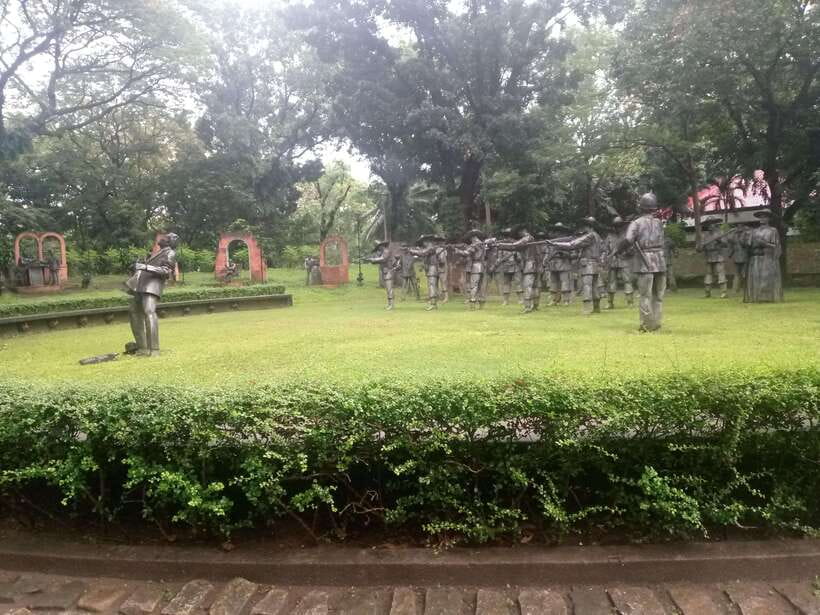
From the cathedral, the tour continues along General Luna Street. This part is less about entering a single monument and more about reading the old city as a place of conflict.
The guide tells stories of Filipino courage and sacrifice during the Philippine-American War. Walking the street helps connect those events to the physical setting around you. You are not simply moving between attractions by vehicle. The route gives you time to consider how a political struggle affected the people living inside and around Intramuros.
This is also where the tour’s title makes sense. The aim is not only to list colonial buildings. It traces the road toward freedom and asks you to look beyond the official version of Philippine history.
The transport included with the tour is described as part of the experience, and one booking specifically praised it as fun. The supplied details do not specify the vehicle or how much of the route uses it, so you should not assume a particular style of ride. Still, the inclusion is useful in a compact three-hour program, especially when the guide needs to connect several sites without wasting time.
The balance between walking and transport can vary, but the historic core remains manageable. If you have limited time in Manila, this format gives you a guided introduction without requiring a full-day commitment.
San Agustin Church has survived changing eras
The third principal stop is San Agustin Church, with about 30 minutes of guided touring. The focus here is the church’s resilience through different periods of Philippine history.
That theme gives the building more meaning than its appearance alone. You are asked to consider how a place of worship endured political change, war, and shifting control. The guide’s explanation should help you connect the church to the wider story of Intramuros rather than treating it as an isolated religious site.
As with Manila Cathedral, entry is not guaranteed if Mass is taking place. This is the biggest weakness in the schedule because both churches are important parts of the planned route. If neither can be entered, you may spend far less than three hours on the tour.
When access is available, the stop gives the program a useful change of pace. Fort Santiago is tied to detention and death. San Agustin brings attention to continuity and survival. Together, the sites show two different ways to understand the past: through the people caught in violence and through institutions that lasted through it.
The church stop is best suited to visitors who want historical explanation, not just photographs. The guide’s stories are the point. If you prefer to explore religious buildings silently and independently, you may find the guided format more structured than necessary.
Same island, a completely different kind of day:
- Manila: Old & New 4-Hour City Tour
★ 4.5 · 458 reviews - Manila Food Tour: Introduction to Philippine Street Food
★ 5.0 · 417 reviews - Spectacular Manila to Tagaytay: Full-Day Sightseeing Tour
★ 5.0 · 349 reviews - Makati Nightlife: VIP Access to Clubs, Rooftops & Go-Go Bars
★ 4.9 · 278 reviews
Calle Real reveals the change in Intramuros
The tour ends at Calle Real, once the former downtown of Intramuros. The final look at the street is designed around contrast: what was once a central commercial area has changed into something very different.
This is a fitting ending because it brings the story into the present. After hearing about revolutions, war, imprisonment, and institutional power, you see how the city itself has been altered. The end point is not presented as a perfect restoration. It is a reminder that historic districts are living places, shaped by destruction, rebuilding, and modern use.
The tour returns to the Fort Santiago area, with drop-off at 18 Sta. Clara Street, Fort Santiago. That makes the experience easy to fit into a day of sightseeing in Intramuros. You can also use the same area as a starting point for further exploration, though additional activities are not included in the tour.
What the $60 price includes
At $60 per person, this is not the cheapest way to walk around Intramuros. The value depends on what you want from the visit.
The price includes a professional guide, entrance fees, and transportation. That is helpful because you are paying for interpretation as well as access. A strong guide can turn Fort Santiago from a series of old walls into a coherent story about reform, revolution, colonial rule, and wartime suffering.
The value is strongest for first-time visitors who want a structured introduction. You do not need to work out how the sites connect, decide which details matter, or navigate the route alone. The guide also provides English or German commentary, which makes the history easier to follow for many international visitors.
The value is weaker if your main goal is a long, unhurried church visit. The program is only three hours, and access to the churches can be interrupted by Mass. Since no meals or drinks are included, plan to eat before or after the tour and carry what you need for the heat.
You can reserve now and pay later, which helps if your Manila schedule is still changing. Cancellation is free up to 24 hours before the activity for a full refund. Those terms reduce the risk, but they do not solve the question of church access on the day.
The guide makes or breaks a history tour
This experience depends heavily on the person leading it. The guide must handle a wide span of history, from the pre-Hispanic era to the Japanese occupation, while keeping the story clear during short stops.
Jerome is specifically associated with the tour and is described as speaking English and German well. A strong language match matters here because the program deals with political ideas, military events, and names that can be hard to follow in a rushed explanation.
The best way to use the guide is to ask questions. Ask for clarification when the story moves from Spanish rule to reformism, or when it shifts to the Philippine-American War. The tour is built around interpretation, so your experience will improve if you treat it as a conversation rather than a passive walk.
A visitor who took this tour also went on to book a Chinatown tour with Jerome. That suggests the guide may offer a wider set of Manila experiences, but the Chinatown activity is separate and not included here.
Who will get the most from this tour
I would choose this tour if you want to understand why Intramuros matters, not just see its best-known buildings. It suits first-time visitors, history fans, and anyone who wants a guided account of Philippine independence and the costs behind it.
It is also a good fit if you have only a few hours. The route covers Fort Santiago, Manila Cathedral, San Agustin Church, General Luna Street, and Calle Real without taking up a full day.
You may want another plan if you need guaranteed interior access to both churches, or if you prefer to explore at your own pace. A church service can change the schedule, and the fixed route leaves less room for lingering.
The tour is wheelchair accessible, which makes it a practical option for visitors who need that feature. Alcohol and drugs are not allowed, and bare feet are not permitted. These rules are simple, but remember that this is a religious and historic setting, so respectful clothing and behavior are sensible.
Final call: book it for context, not just monuments
Book the Revolutionary Tour of Manila if you want a compact, serious introduction to the forces that shaped the Philippines. Fort Santiago is the strongest reason to go, especially for Rizal’s cell, the dungeons, and the memorial to the 600 civilian prisoners of war.
The $60 cost is fair when the guide, transport, and entrance fees all work together. I would be more cautious if your booking falls at a time when Mass may block both churches, since that can leave you with a much shorter tour.
For the best fit, confirm the start time, ask about church access, bring sunscreen or mosquito repellent, and arrive at the Fort Santiago Gate with comfortable footwear. If you value stories of resistance, sacrifice, and national identity more than a long list of photo stops, this three-hour route is worth considering.
FAQ
Where does the tour begin?
The meeting point is the Fort Santiago Gate at 18 Sta. Clara Street. The guide carries a poster for the tour.
How long does the tour last?
The scheduled duration is three hours. Start times vary, so you need to check availability when booking.
What sites are included?
The route includes Fort Santiago, Manila Cathedral, San Agustin Church, General Luna Street, and Calle Real.
How long is the visit to Fort Santiago?
About one hour is set aside for Fort Santiago.
How long are the church visits?
The guided visit to Manila Cathedral is scheduled for about 30 minutes, and the guided visit to San Agustin Church is also scheduled for about 30 minutes.
Can I see Dr. Jose Rizal’s prison cell?
Yes. The tour includes the last prison cell where Dr. Jose Rizal was detained.
Are entrance fees included?
Yes. Entrance fees are included in the tour price.
Is transportation included?
Yes. Transportation is included, along with the professional guide and entrance fees.
What languages are available?
The live tour guide service is available in English and German.
Can I cancel the booking for a refund?
You can cancel up to 24 hours in advance for a full refund. You can also reserve now and pay later.
Just added around Manila
- Makati Street food walking tour with Dinner★ 5.0 · 3 reviews
- Philippines Intro 3 days 2 nights Tour Best of Manila and Beyond★ 5.0 · 3 reviews
- MANILA: HISTORICAL KALESA RIDE TOUR EXPERIENCE IN INTRAMUROS★ 4.0 · 3 reviews
- Bites and Sights: Tagaytay Food and Nature Excursion from Manila★ 4.0 · 3 reviews
- Authentic Manila Chinatown Food Tour Exploration★ 5.0 · 3 reviews
- 4 Day Banaue Ifugao Rice Villages Private tour Trekking★ 4.5 · 3 reviews
- Embark on a 7-Day Banaue-Sagada Adventure of a Lifetime★ 5.0 · 3 reviews
- From Manila: Philippines Private Tour Guide★ 4.1 · 3 reviews
Manila Tours, compared.

Intramuros, Manila: Historical Bamboo Bike Tour
Read our review →
Experience Intramuros with Bamboo Bicycle – Ecotours
Read our review →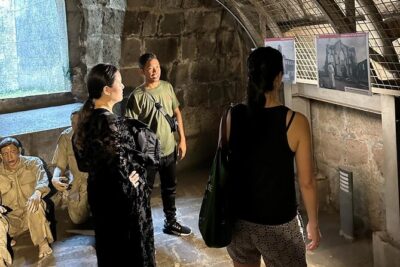
Manila: Intramuros, Chinatown, and Old Manila Half-Day Tour
Read our review →
Manila Food Tour: Introduction to Philippine Street Food
Read our review →
Spectacular Manila to Tagaytay: Full-Day Sightseeing Tour
Read our review →
Makati Nightlife: VIP Access to Clubs, Rooftops & Go-Go Bars
Read our review →
Discover Tagaytay’s Countryside: Half-Day Sightseeing Tour
Read our review →
From Manila: Tagaytay Countryside Wonders: A Half-Day Tour
Read our review →Browse the lists this tour appears in