
Reviewed · CITY TOURS
Tri-City (Bacolod – Silay – Talisay) Exclusive Day Tour
The best part of this private Tri-City tour is its clear link between Negros’ sugar wealth and the places that wealth built. In one long day, you move from The Ruins in Talisay to Silay’s grand ancestral home, then on to Bacolod churches, parks, memorials, and civic buildings.
I like the door-to-door transport, which saves you from piecing together three cities by yourself. I also like the mix of major sights and smaller stops, especially Farmacia Locsin, where the story of the 1898 Negros revolution adds weight to what could otherwise be a simple sightseeing drive.
The main trade-off is the schedule. With up to ten stops and a visit to Campuestohan Highland Resort, this can feel packed rather than leisurely. Rain can also affect the Talisay portion, so keep your expectations flexible.
Key points before you book
- The Ruins anchors the day: Spend about an hour at the famous mansion remains, with admission included.
- Silay supplies the strongest heritage feel: Balay Negrense and San Diego Pro-Cathedral show how sugar wealth shaped local life and architecture.
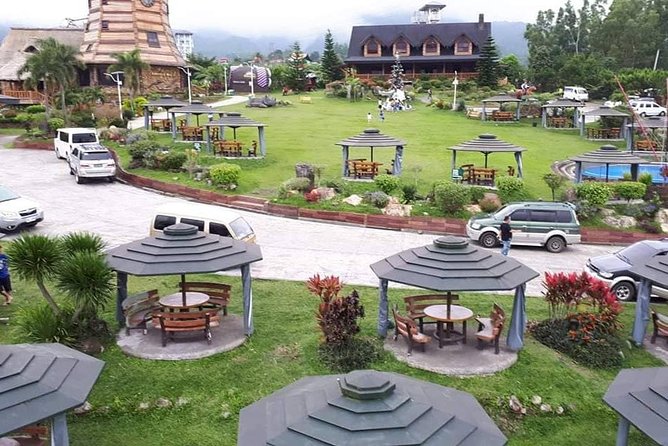
- Campuestohan changes the pace: The two-hour stop offers gardens, a pool, playground, horseback riding, and a 340-meter zipline.
- You get a private vehicle and guide: Only your group joins, with pickup from Bacolod hotels, the airport, or city ports.
- The route mixes old and new Bacolod: Capitol Lagoon, the Pope John Paul II Tower, the Government Center, and the welcome marker broaden the picture.
- The price favors small groups: At $73.34 per person, the value improves when shared among several people who want a dedicated vehicle.
Why Negros sugar history makes this route work
Negros is closely tied to sugar production, and this tour gives you a practical way to see that story rather than only hearing about it. The old mansions and public buildings reflect the money generated during the colonial period, while the churches and memorials show the social and religious world around the plantations.
The three-city format also helps you compare places. Talisay brings you to a plantation-era landmark, Silay offers preserved domestic architecture and a historic church, and Bacolod supplies the province’s major civic and religious sights.
You are not simply stopping for photographs. A good guide can explain how wealthy sugar families lived, how religious institutions shaped local communities, and how local resistance developed. Cindi, named in one account as a particularly good guide, took the group to extra places along the route when time and location allowed. That sort of flexibility is one reason a private tour can work better than a rigid group outing.
The tour lasts roughly five to eight hours. That wide range matters. Traffic, weather, your pickup point, and the amount of time you spend at each stop can change the day considerably. You should think of this as a full half-day or more, not a quick city loop.
A few more the Philippines day trips to weigh up
- Cebu City: Whale Shark Swimming & Kawasan Falls Canyoneering
★ 4.7 · 665 reviews - Cebu City: Bohol Countryside Tour with Loboc Cruise Lunch
★ 4.5 · 488 reviews - Manila: Old & New 4-Hour City Tour
★ 4.5 · 458 reviews
The Ruins: Talisay’s most memorable stop
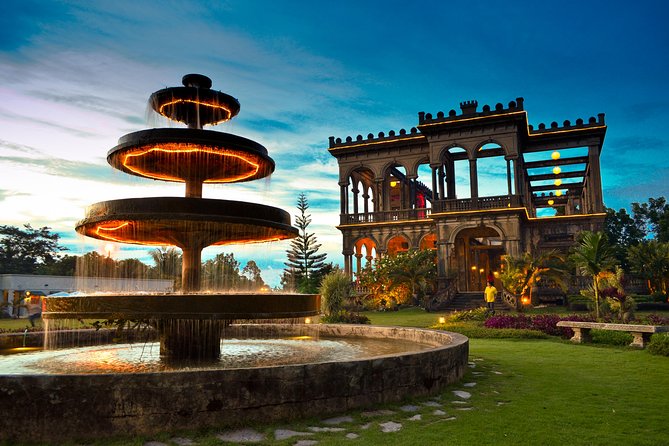
The Ruins is the visual centerpiece. The remains belong to the ancestral mansion of Don Mariano Ledesma Lacson, a wealthy sugar baron whose family plantation covered about 440 hectares in Talisay.
The building is often compared with the Taj Mahal of Negros, a nickname that points to its romantic appearance and tragic association. Much of the mansion is gone, but the remaining structure gives you grand arches, open spaces, and strong photo angles. Admission is included, and the planned visit lasts about one hour.
I would give this stop the full hour. Rushing through it would reduce the visit to a few snapshots, while the open structure deserves time for photographs and a proper explanation of the family and plantation setting.
The site is also a useful introduction to the scale of sugar wealth. You can see how one family’s prosperity shaped a large estate and an imposing residence. The tour does not leave you to guess why The Ruins matters, since the guide can connect the architecture to Negros’ plantation past.
Weather is important here. One person found the Talisay part less enjoyable after afternoon rain, while the Bacolod and Silay portions held up better. Bring patience for changing conditions, since an outdoor heritage site loses some of its appeal in wet weather.
Balay Negrense and Silay’s sugar-era homes
In Silay, Balay Negrense offers a more intimate look at plantation life. Also called the Victor Fernandez Gaston Ancestral House, it is a museum focused on the lifestyle of a late 19th-century Negrense sugar baron.
The visit is scheduled for about 30 minutes, with admission included. That is enough for a focused introduction, though not a slow museum visit. You will get a sense of the household, the social position of the family, and the contrast between the home’s domestic details and the large plantation system that paid for them.
This is where the tour moves beyond The Ruins’ dramatic exterior. The mansion remains at The Ruins make the strongest photograph, but Balay Negrense helps you picture daily life inside the sugar economy.
Silay also gives the route its strongest concentration of heritage character. The San Diego Pro-Cathedral, formerly known as San Diego Parish Church or St. Didacus Parish Church, dates to the early 20th century and was declared a pro-cathedral in 1994. You have about 30 minutes there, with no admission charge.
That stop suits anyone interested in Philippine church architecture and local religion. You may want more time than the schedule allows, but the visit is long enough to see the building and hear why it matters to Silay.
Campuestohan adds a very different two hours
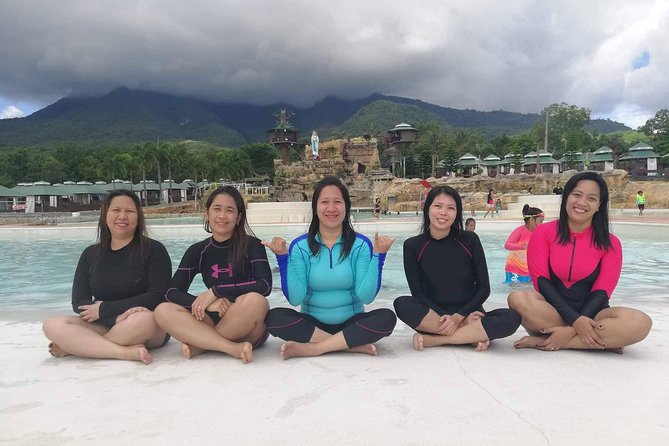
Campuestohan Highland Resort is the route’s biggest change of mood. Instead of a museum, church, or historic marker, you get about two hours at a recreation site with a swimming pool, gardens, playground, horseback riding, and a 340-meter zipline.
Admission is included, but the description does not say that every activity is included in the tour price. I would treat the stop as time at the resort and confirm any separate activity charges before booking if you plan to ride or use facilities.
This stop may be ideal for families or groups with mixed interests. A person who has had enough of old houses can walk through the gardens or relax, while someone more active can look into horseback riding or the zipline. The pool and playground also give the day a lighter break.
For a visitor focused only on heritage, Campuestohan may feel like a detour. Its two-hour allocation is substantial, especially when the tour already includes several historic and religious sites. Ask yourself if your group wants recreation as part of the day. If the answer is no, this is the stop most likely to reduce time elsewhere.
Same island, a completely different kind of day:
- El Nido: Island Hopping Tour A Lagoons and Beaches
★ 4.3 · 1,572 reviews - From Puerto Princesa: Underground River Full-Day Trip
★ 4.3 · 1,460 reviews - Bohol: Premium Chocolate Hills, Tarsiers & River Experience
★ 4.7 · 804 reviews - Coron Ultimate Tour: 7 Destinations with Lunch & Transfers
★ 4.8 · 754 reviews
Farmacia Locsin and the Cinco de Noviembre story
The Cinco de Noviembre Memorial marks Farmacia Locsin, once owned by Don Leonardo de la Rama Locsin. The pharmacy served as a secret collection point for donations used in the Negros revolution.
This is a small, free stop, and the schedule does not assign a fixed time. Its value comes from the story rather than the size of the site. A pharmacy may sound ordinary beside a mansion or cathedral, but that is exactly why the stop works. It shows how political action could grow through everyday local places.
You will want the guide’s explanation here. Without context, the marker may take only a moment to view. With context, it becomes a reminder that Negros’ past includes political change and local organization, not only sugar fortunes and colonial architecture.
Bacolod’s parks, cathedrals, and civic buildings
Back in Bacolod, the tour shifts toward public spaces. Capitol Lagoon Park, also called Capitol Park and Lagoon, is a provincial park with matching sculptures of a woman and a water buffalo. The visit lasts about 15 minutes and costs nothing.
This is a brief outdoor stop for photographs and orientation. It will not replace a longer park visit, but it gives you a look at how provincial identity is presented in a public setting.
San Sebastian Cathedral, commonly called Bacolod Cathedral, is described as the city’s best-known religious and historic landmark. You have about 15 minutes there, also free. That is enough for a quick look and a short explanation, though you should not expect a long religious or architectural tour.
The route also includes the seven-storey Pope John Paul II Tower, dedicated to the late pope after his visit to Bacolod on February 20, 1981. The supplied schedule does not give a separate duration for this stop, so the time may depend on the day’s pace and traffic.
The tower adds a personal local detail to the religious theme. It recalls a major public event for Bacolod and shows how a papal visit became part of the city’s civic memory.
Next comes the Negros Occidental Provincial Capitol. Governor Jose Locsin approved the building in 1926, when the sugar industry had helped make the province one of the Philippines’ wealthiest areas. The building was designed to reflect that status, with work connected to National Artist Juan Arellano.
You get about 15 minutes here. The stop is best for architecture, history, and photographs rather than a long interior visit. It also makes a useful pair with the Capitol Lagoon, linking the park and government building as parts of one civic center.
Two modern markers complete the city picture
The Bacolod City Welcome Marker sits at the boundary of Bacolod and Talisay. It uses bright colors and elaborate decoration in a style described as Vegas-like. The visit lasts about ten minutes and is free.
You may find this stop less historically important than The Ruins or Balay Negrense, but it has a simple purpose: it marks your arrival and helps define the city boundary. It is a quick photograph and a reminder that the tour is not limited to old buildings.
The New Government Center provides another modern contrast. The complex serves as Bacolod’s administrative hub and uses contemporary architecture. The stop lasts about ten minutes.
Taken together, these final stops keep the tour from presenting Bacolod as only a place of colonial-era mansions and churches. You see the city’s current civic identity as well, though the short visits mean you will mostly view the exteriors and hear a quick explanation.
How the private format affects value
The tour costs $73.34 per person and includes an air-conditioned vehicle, admission fees where listed, taxes, and private two-way transfers. Pickup is offered from Bacolod City ports, the airport, or hotels.
At first glance, that price is higher than arranging a few free city stops independently. The value comes from the private transport, the long route across three cities, the included admission to The Ruins, Balay Negrense, and Campuestohan, and the guide’s ability to connect the places.
The price makes the most sense for a small group. If two people book, the per-person cost buys convenience and a dedicated guide. If several people share the vehicle, the value improves. You also avoid spending your limited Bacolod time working out transport between Talisay, Silay, and Bacolod.
There are no group members outside your party, so you can ask questions and adjust the pace within reason. One guide, Cindi, was willing to add a couple of nearby places when the route allowed. That does not guarantee extra stops, but it shows why a private format can be useful.
Lunch is not included, and tips are not included. Plan for both separately. The tour is near public transportation, and most people can participate, but the supplied details do not describe vehicle accessibility or specific mobility arrangements, so ask the operator if that affects your booking.
Who should book this Bacolod day tour?
I would recommend it to a first-time visitor who wants a broad introduction to Negros Occidental without renting a car. It works especially well for couples, families, and small groups who prefer a private guide and air-conditioned transport.
It also suits anyone interested in sugar-era architecture, Philippine Catholic sites, and local political history. The strongest heritage sequence is The Ruins, Balay Negrense, Farmacia Locsin, San Diego Pro-Cathedral, and the Provincial Capitol.
Families may appreciate Campuestohan because it breaks up the museum and church stops. If your group includes children or active adults, the pool, playground, horseback riding, and zipline provide useful variety.
I would hesitate if you want an unhurried museum day or a specialist architecture tour. Ten stops in five to eight hours means some visits will be short. You should also be comfortable with an outdoor schedule that may be affected by rain.
Should you book the Tri-City Exclusive Day Tour?
Book it if you want coverage, convenience, and local explanation in one private day. The tour connects the main sugar heritage sites with Bacolod’s churches, parks, memorials, and modern civic landmarks, and the included vehicle makes the wide route practical.
The main decision is whether you want Campuestohan included. For a mixed group, it is a welcome change of pace. For a history-focused visitor, it may make the schedule feel too full.
The cancellation terms are friendly if your plans may change: cancel at least 24 hours before the local start time for a full refund. If poor weather forces cancellation, you can choose another date or receive a full refund. Within 24 hours, refunds and changes are not accepted.
FAQ
How long does the Tri-City tour last?
The tour lasts approximately 5 to 8 hours. The final duration can vary with traffic, weather, pickup location, and the time spent at each stop.
Which cities does the tour visit?
The route covers Bacolod, Silay, and Talisay in Negros Occidental.
Is hotel or airport pickup available?
Yes. Private two-way transfers are offered from Bacolod City ports, the airport, or hotels.
Is this a private tour?
Yes. Only your group participates in the activity, and transport is provided in an air-conditioned vehicle.
Are admission fees included?
All fees and taxes are included. Admission is specifically included for The Ruins, Balay Negrense Museum, and Campuestohan Highland Resort. The other listed stops are free.
Is lunch included?
No. Lunch is not included in the tour price. Tips and gratuities are also excluded.
What is the cancellation policy?
You can receive a full refund if you cancel at least 24 hours before the experience start time. Cancellations or changes within 24 hours are not accepted for a refund. If poor weather causes the operator to cancel, you can choose another date or receive a full refund.
Just added around the Philippines
- Soar & Explore: Boracay Parasailing + Island Hopping★ 5.0 · 3 reviews
- 2025 Tarsier, Waterfalls & Chocolate Hills Tour★ 5.0 · 3 reviews
- Sohoton Cove: Swim with Jellyfish & Explore Hidden Lagoons★ 3.6 · 3 reviews
- Private Transfers Puerto Princesa To Elnido★ 5.0 · 3 reviews
- Makati Street food walking tour with Dinner★ 5.0 · 3 reviews
- MANILA: HISTORICAL KALESA RIDE TOUR EXPERIENCE IN INTRAMUROS★ 4.0 · 3 reviews
- Philippines Intro 3 days 2 nights Tour Best of Manila and Beyond★ 5.0 · 3 reviews
- Kawasan Falls Canyoneering Transfers from Cebu with Lunch★ 5.0 · 3 reviews
City Tours, compared.

Cebu City: Whale Shark Swimming & Kawasan Falls Canyoneering
Read our review →
Cebu City: Bohol Countryside Tour with Loboc Cruise Lunch
Read our review →
Underground River Day Trip from Puerto Princesa City
Read our review →
Private Cebu & Lapu-Lapu City Tour with Uphill Spots & Lunch at House of Lechon
Read our review →
Bohol Countryside Day Tour From Cebu City | Lunch at Loboc River Cruise
Read our review →
Puerto Princesa: Half-Day City Tour with Optional Massage
Read our review →
Full-Day Manila City, Tagaytay Taal Volcano and Lake Tour
Read our review →
Manila Ninoy Aquino Airport (MNL) Private Transfer to Manila City
Read our review →Browse the lists this tour appears in