
Reviewed · MANILA TOURS
indigenous Forest experience Manila 2023
The most meaningful part of this day is the chance to spend time with the Aetas, the Indigenous people of the Binictican Hills, rather than simply looking at rainforest from a roadside stop. In the Pamulaklakin Forest Trail, an Aeta guide explains how local plants are used for medicine and daily needs, then demonstrates practical forest skills.
I like the small group limit of 15 people, which gives you room to ask questions. I also like the bamboo meal and the small handmade touches, including bamboo cups prepared on the spot. Guides Eddie and Ricky have been especially involved, pointing out plants and keeping the walk lively.
The main drawback is the length and physical nature of the day. You leave Manila at about 6:30 a.m., spend roughly three hours on the forest trail, and return after a 10 to 12-hour outing. This is not a quick cultural stop, and poor weather or an insufficient number of bookings can lead to a change or cancellation.
Key points to know before booking
- Meet the Aetas in their forest home: Learn directly about daily life in the Binictican Hills of Subic Bay.
- Three hours on the Pamulaklakin Trail: Expect a walking-focused visit, not a drive-by photo stop.
- Medicinal plants are a major theme: Guides point out useful trees and plants and explain their place in local life.
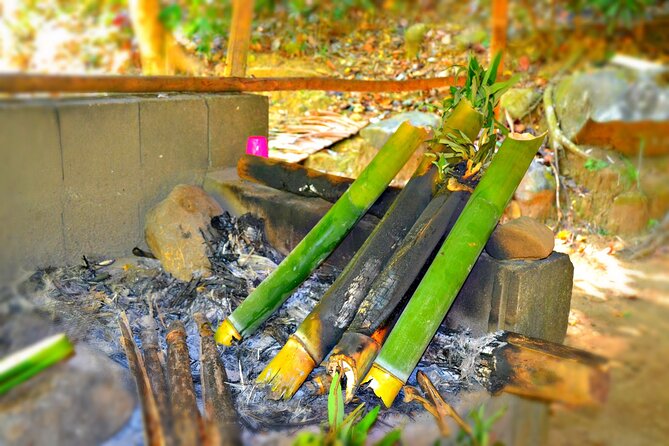
- Lunch is prepared inside bamboo: The meal adds a practical and memorable side to the cultural visit.
- Air-conditioned transport from Manila: Transfers are offered from select areas, with a starting time of about 6:30 a.m.
- Small-group format: The maximum group size is 15, and group discounts are available.
Meeting the Aetas in Subic Bay
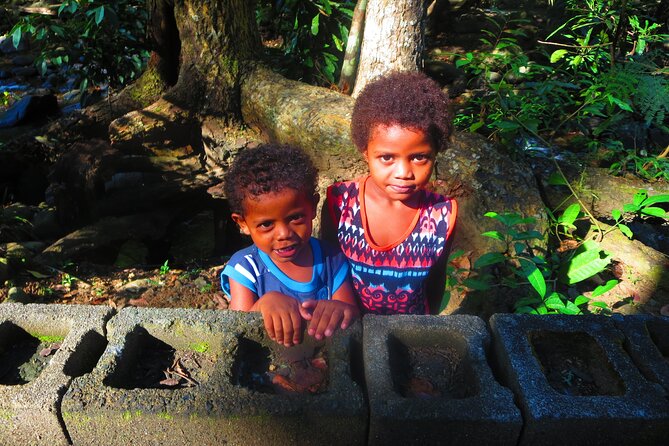
This tour takes you from Manila to the Pamulaklakin Forest Trail in Subic Bay, Olongapo, where the Aetas have lived in the Binictican Hills. The Aetas are one of the Philippines’ Indigenous peoples, recognizable in part by their tight, curly hair and smaller stature compared with many other Filipinos.
The value here is human contact with a community that has a direct relationship with the forest. You are not just hearing a general talk about tropical plants. You are shown how the surroundings can provide medicine, food, materials, and practical tools.
That distinction matters. Many day trips from Manila focus on a viewpoint, a waterfall, or a single monument. This one asks you to slow down and pay attention to knowledge held by the people who use the forest. You may come away remembering a plant or a bamboo cup, but the larger lesson is how much can be learned from a place without modern signs and displays.
The visit is described as friendly and personal, though you should approach it with respect. This is an encounter with an Indigenous community, not a staged cultural show built around costumes and performances. Listen carefully, ask thoughtful questions, and remember that the people guiding you are sharing parts of everyday knowledge.
A few more Manila day trips to weigh up
- Intramuros, Manila: Historical Bamboo Bike Tour
★ 4.8 · 583 reviews - Experience Intramuros with Bamboo Bicycle – Ecotours
★ 5.0 · 508 reviews - Manila: Intramuros, Chinatown, and Old Manila Half-Day Tour
★ 4.8 · 475 reviews
The three-hour Pamulaklakin Forest Trail
The central portion of the day takes place on the Pamulaklakin Forest Trail and lasts about three hours. That makes the walk the heart of the outing, not a short add-on before lunch.
You can expect your Aeta guide to explain the uses of trees and plants found along the trail. Medicinal plants receive particular attention. Guides Eddie and Ricky have been described as active and involved, pointing out plants, answering questions, and keeping the group engaged as it moves through the forest.
This is where the tour earns much of its value. You are able to connect a plant to a real use rather than merely seeing an unfamiliar leaf. One Aeta guide also shows traditional forest skills, including ways of making use of the surroundings and basic jungle survival techniques.
I would keep your expectations practical. The supplied information does not promise a particular animal sighting, waterfall, or dramatic viewpoint. The reward is the guided walk itself, along with the chance to see how the Aetas understand and work with the forest.
The trail also means you should be ready for walking. One participant specifically advised preparing for the walking tour, and that is sensible. The activity notes say most people can participate, but the day still includes a three-hour forest visit after an early start. If you prefer short walks with frequent vehicle breaks, this may feel demanding.
Bamboo lunch and hands-on forest skills
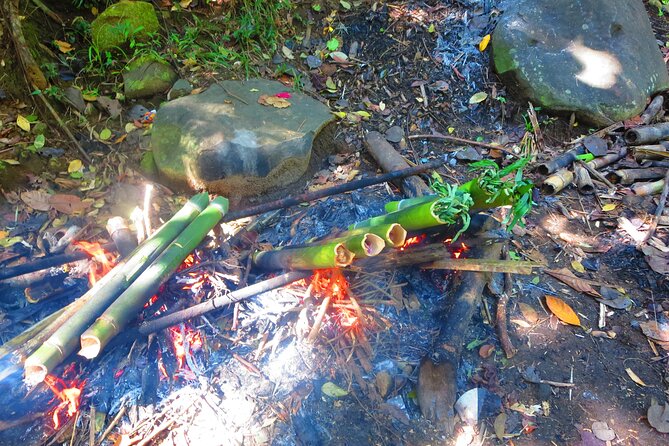
Lunch is prepared in bamboo, which gives the meal a clear connection to the setting. This is not simply a restaurant meal inserted into a forest excursion. The preparation shows how a natural material can serve a useful purpose in cooking and dining.
The meal has been described as delicious, and bamboo cups have also been made on the spot as souvenirs. That sort of small, practical demonstration can be more memorable than a formal presentation because you see the material being used in front of you.
You should check current rules before bringing bamboo products home. One person reported no quarantine problem when returning with bamboo items, but entry regulations vary by country and can change. The safest approach is to confirm with your own customs or quarantine authority before departure.
The lunch also creates an easy pause after the walking portion. You can eat, ask questions, and think about the skills you have just seen. The information provided does not specify a menu, so do not book this expecting a particular dish or a guaranteed choice of food.
Guides who make the day personal
A good guide matters greatly on an experience like this. The forest does not need a long lecture, but it does need someone who can help you notice what you would otherwise pass without seeing.
Eddie and Ricky are identified as guides who took an active role, explained medicinal plants, answered questions, and helped make the outing fun. Another account describes the Aeta guide as the person who showed medicinal trees and prepared the bamboo lunch. Together, these details suggest that you should expect a mix of tour coordination and direct local instruction.
The format also gives you more opportunity to speak than a large bus group would. With a maximum of 15 people, you can ask about plants, bamboo work, forest skills, and Aeta life without competing with dozens of other voices.
That said, the group limit is a maximum, not a promise that every departure will have only a handful of people. It is still a small-group experience by tour standards, but the exact number on your date is not stated.
Flexibility is another positive. A previous outing had to change because of a typhoon, yet the guides adjusted the plan and led the group to different scenes. Weather can disrupt outdoor tours, but this example suggests that the team may try to make the day worthwhile when conditions require a change. You should still be prepared for the possibility that the experience will be rescheduled or canceled.
Same island, a completely different kind of day:
- Manila: Old & New 4-Hour City Tour
★ 4.5 · 458 reviews - Manila Food Tour: Introduction to Philippine Street Food
★ 5.0 · 417 reviews - Spectacular Manila to Tagaytay: Full-Day Sightseeing Tour
★ 5.0 · 349 reviews - Makati Nightlife: VIP Access to Clubs, Rooftops & Go-Go Bars
★ 4.9 · 278 reviews
The early departure from Manila
The stated start time is 6:30 a.m., and the full day lasts approximately 10 to 12 hours. That is a serious time commitment, but it also reflects the distance between Manila and Subic Bay and the amount of time set aside for the forest visit.
Air-conditioned transport is included, a welcome feature in the Philippine heat. Free transfers are offered from select areas of Manila, so you need to confirm that your accommodation falls within the pickup zone rather than assuming every Manila address is covered.
The early start has two practical benefits. You get moving before the day becomes hotter, and you have enough time for travel, the trail, lunch, and the return trip without reducing the forest visit to a rushed hour.
The tradeoff is that the day may feel long. You are giving up most of a day in Manila, and the return timing can depend on road conditions and the length of the program. If you have a flight, another fixed booking, or limited time in the city, leave plenty of space afterward.
Mobile ticketing makes the booking simple, and confirmation is normally provided at the time of booking. If you book within eight hours of departure, confirmation may take longer and remains subject to availability.
Is $160 a fair price?
At $160 per person, this is not a bargain-priced Manila outing. The value depends on what you want from a day trip.
The price includes a full-day program, air-conditioned transport, a guided visit with the Aetas, the forest trail, and a traditional lunch. Free transfers from selected Manila areas also reduce the hassle and possible cost of arranging your own transport to Subic Bay.
I see the strongest value in the access and structure. Organizing this independently would require arranging transport from Manila, finding the Pamulaklakin Trail, locating an appropriate local guide, and coordinating the community visit and meal. The tour places those pieces into one day and keeps the group relatively small.
It is less compelling if you mainly want scenery or a cheap nature walk. The tour is about cultural contact and local forest knowledge, not a long list of attractions. You are paying for the guide’s interpretation and the chance to meet the Aetas in a respectful, organized setting.
Group discounts may improve the price for parties traveling together. The experience is also booked, on average, 56 days ahead, which suggests planning early is wise if your schedule is fixed. Availability is not guaranteed simply because the tour operates on a given date.
What the weather and cancellation rules mean
This activity requires good weather. If poor conditions cancel the tour, you are offered another date or a full refund. The same applies if the minimum number of participants is not reached, with the option of a different date, another experience, or a full refund.
For your own plans, that means you should avoid placing an important evening commitment too close to the scheduled return. Outdoor programs can change, especially when a typhoon affects the region.
You may cancel for a full refund if you do so at least 24 hours before the start time. Cancellations made less than 24 hours before departure are not refunded, and changes inside that period are not accepted. The cut-off follows local time.
Who will enjoy this experience most?
I would recommend this day to you if you want to understand more about Indigenous life in the Philippines and are willing to spend several hours walking in a forest. It suits curious visitors who value local knowledge, small groups, and a meal connected to the place.
It is also a good match for people who like practical demonstrations. Medicinal plants, jungle survival skills, bamboo cooking, and handmade bamboo cups give the day a hands-on character.
Families and mixed-age groups may find the format workable because most people can participate, but the three-hour trail should be taken seriously. The data does not provide a detailed accessibility description, so anyone with specific mobility needs should confirm the trail conditions and transport arrangements before booking.
I would hesitate to recommend it if you dislike early starts, long road transfers, or outdoor walking. It is not designed as a relaxed half-day activity in central Manila.
What to bring and how to prepare
The details provided do not specify a packing list, so keep your preparation sensible for a forest walk and a long day. Wear comfortable clothing and shoes suitable for three hours of walking. Bring anything you normally need for a full-day outing.
Ask questions during the plant demonstrations. The more curious you are, the more you are likely to get from the experience. The guides are there to explain how the forest is used, so this is a good setting for specific questions about medicinal plants and survival skills.
You should also arrive ready for a flexible schedule. A previous program changed because of a typhoon, and outdoor conditions can affect the route. A change is not necessarily a failed day, but you should accept that the exact scenes and timing may shift.
Should you book the Aeta forest experience?
Book it if you want a substantial day with an Indigenous community, a guided forest walk, and a traditional bamboo meal. The strongest reasons are the direct contact with Aeta guides, the practical explanation of medicinal plants, and the small group size.
Think twice if your main goal is a low-cost sightseeing trip or a short break from Manila. At $160, the tour asks you to pay for transport, organization, local guiding, and access to a cultural experience rather than a famous landmark.
For me, the deciding question is simple: do you want to learn how people use the forest, or do you mainly want to look at it? If the first answer fits, this is a worthwhile and unusual choice from Manila. If the second does, choose a shorter nature excursion instead.
FAQ
Where does the tour take place?
The experience takes place at the Pamulaklakin Forest Trail in the Binictican Hills of Subic Bay, Olongapo, Philippines.
What time does the tour start?
The stated start time is 6:30 a.m.
How long does the experience last?
The full outing lasts approximately 10 to 12 hours. The forest trail portion lasts about three hours.
Is transportation included from Manila?
Air-conditioned vehicle transport is included, and free transfers are offered from select areas of Manila.
How many people can join the tour?
The maximum group size is 15 travelers.
Can I cancel for a full refund?
Yes. You can receive a full refund if you cancel at least 24 hours before the experience starts. Cancellations made less than 24 hours before the start time are not refunded.
Just added around Manila
- Philippines Intro 3 days 2 nights Tour Best of Manila and Beyond★ 5.0 · 3 reviews
- MANILA: HISTORICAL KALESA RIDE TOUR EXPERIENCE IN INTRAMUROS★ 4.0 · 3 reviews
- Makati Street food walking tour with Dinner★ 5.0 · 3 reviews
- Bites and Sights: Tagaytay Food and Nature Excursion from Manila★ 4.0 · 3 reviews
- Authentic Manila Chinatown Food Tour Exploration★ 5.0 · 3 reviews
- 4 Day Banaue Ifugao Rice Villages Private tour Trekking★ 4.5 · 3 reviews
- Embark on a 7-Day Banaue-Sagada Adventure of a Lifetime★ 5.0 · 3 reviews
- From Manila: Philippines Private Tour Guide★ 4.1 · 3 reviews
Manila Tours, compared.

Intramuros, Manila: Historical Bamboo Bike Tour
Read our review →
Experience Intramuros with Bamboo Bicycle – Ecotours
Read our review →
Manila: Intramuros, Chinatown, and Old Manila Half-Day Tour
Read our review →
Manila Food Tour: Introduction to Philippine Street Food
Read our review →
Spectacular Manila to Tagaytay: Full-Day Sightseeing Tour
Read our review →
Makati Nightlife: VIP Access to Clubs, Rooftops & Go-Go Bars
Read our review →
Discover Tagaytay’s Countryside: Half-Day Sightseeing Tour
Read our review →
From Manila: Tagaytay Countryside Wonders: A Half-Day Tour
Read our review →Browse the lists this tour appears in