
Reviewed · MANILA TOURS
Manila: Guided Tuk Tuk Ride
Manila’s real character appears away from the grand sights, in the tight lanes of Divisoria, the wet market, food stalls, crowded shops, and ordinary homes. This tour puts you close to that daily life, using a tuk tuk, jeepney, or tricycle before continuing on foot through parts of the city many visitors would miss. Divisoria’s market energy is the main event.
I like two things here: the local transport turns simple movement into part of the experience, and the guides, especially Floyd and Venus, add warmth, humor, and useful context. The main caution is that this is not a polished sightseeing ride. Streets can be crowded, walking areas can be rough, and the market experience may change on holidays or according to local conditions.
Key points at a glance
- Divisoria market life: Browse an intense Manila shopping district, wet-market lanes, Chinese stores, food stalls, and local eateries.
- Several Filipino ways to get around: Expect a tuk tuk and possibly a jeepney or Lamborghini tricycle, with the exact mix subject to change.
- A close look at daily life: Walk through working-class and lower-income neighborhoods with a local guide who explains what you are seeing.
- Street food with context: Taste Filipino snacks and drinks rather than simply passing food stalls behind a vehicle window.
- Small-group format: The group is limited to 12 people, making it easier to ask questions and keep track of the guide.
- Best guides noted by name: Floyd is praised for his history and care, while Venus is known for her energy, warmth, and local insight.
Why Divisoria is the heart of this tour
Start at the entrance to Tutuban Center Mall, near the Bonifacio Monument and Lawson convenience store. This meeting point places you right beside one of Manila’s best-known shopping areas, so the tour begins with real city motion rather than a quiet hotel lobby.
Divisoria is famous for low prices and a huge range of goods. You may see clothing, household items, produce, seafood, small merchandise, and Chinese-run shopping stores packed into a dense network of streets and alleys. The appeal is not only shopping. It is watching how Manila buys, sells, eats, bargains, and gets through the day.
I would not come here expecting a relaxed browse. The market can feel crowded and noisy, and narrow lanes may require patience. That is precisely why a local guide matters. Floyd, Venus, Frank, and other guides connected with V.S Tour Services have been praised for explaining the area in clear English and helping visitors feel safe while moving through it.
The guide can point out the difference between a market visit designed for tourists and a working market used by local families and traders. You may watch shoppers compare prices, sellers arrange their goods, and pedestrians squeeze through lanes with the calm skill of people who do this every day.
A few more Manila day trips to weigh up
- Manila: Chinatown Nighttime Tour by Tuk-Tuk
★ 5.0 · 13 reviews - Manila Tuk-Tuk Adventure Hop-in and Hop-Off
★ 4.7 · 6 reviews - Manila Street Food and Drinks with Tuktuk Experience
★ 5.0 · 4 reviews
Tutuban Center Mall and the start of the route
Tutuban Center Mall is more than a simple pickup point. It gives you an immediate sense of the commercial side of Manila and offers a practical landmark in a district that can otherwise feel confusing.
Look for the Bonifacio Monument near Lawson at the mall entrance. Because this area has many people, vehicles, stalls, and entrances, arrive with the meeting details in front of you. The tour is designed for a small group of no more than 12, but you still need to watch for the guide at the agreed point.
From here, the route moves into Manila by local transport and on foot. The format is useful for first-time visitors because you do not spend the whole two hours inside a vehicle. You cover ground, then slow down enough to see the neighborhoods close up.
Tuk tuk, jeepney, and tricycle rides
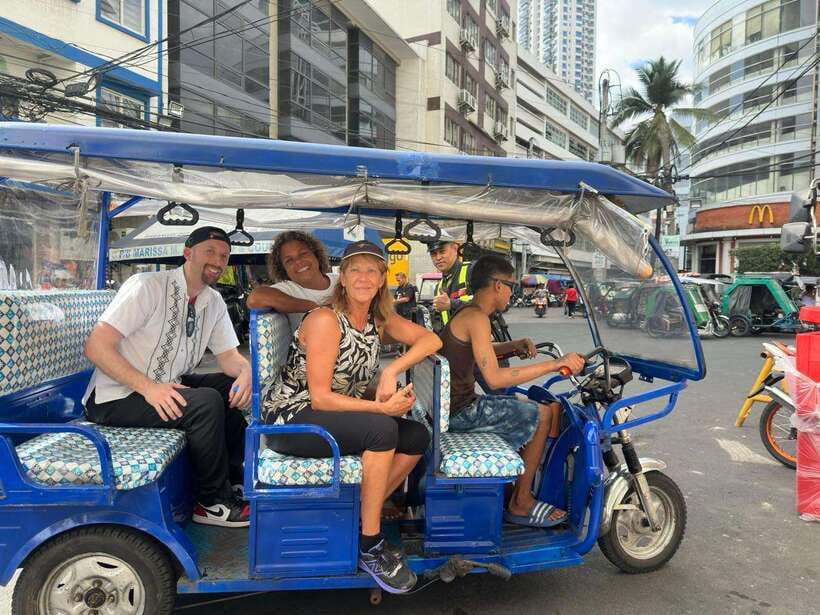
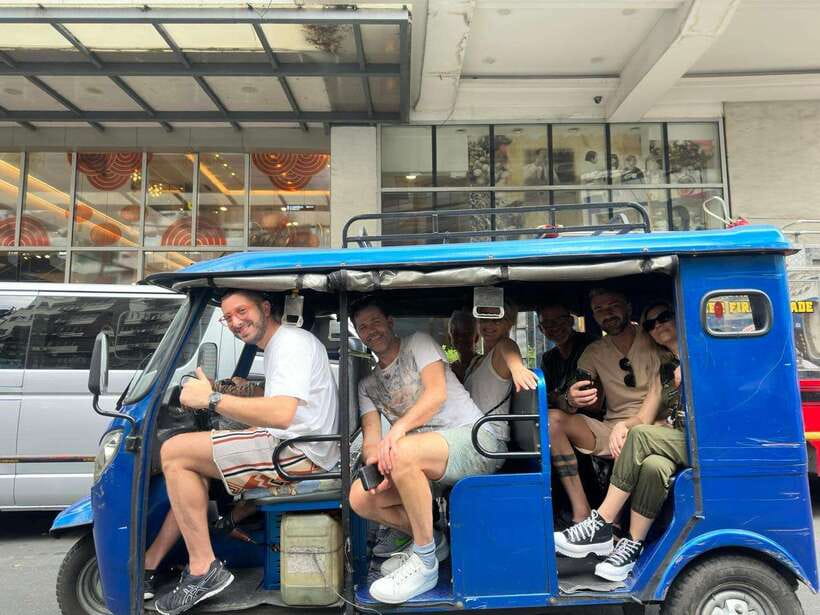
The tuk tuk is the experience’s natural symbol. It is compact, open to the city, and close enough to the street that you feel the traffic, noise, and movement around you. It gives you a quick look at Manila from street level without the distance of a standard tour vehicle.
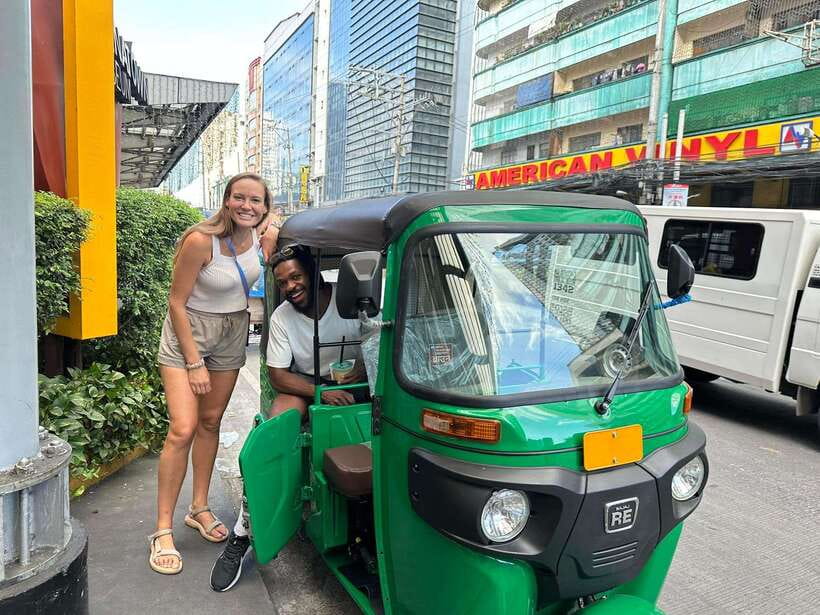
A jeepney ride is also included in the experience, although the precise transport mix may vary. Some outings use a traditional jeepney, while others may include a Lamborghini tricycle or another local vehicle. Several people have enjoyed riding more than one type of Filipino transport, but you should treat the exact combination as flexible rather than guaranteed.
That flexibility is part of the charm, but it is worth understanding before you book. This is not a fixed museum route with every minute locked in. Market conditions, holidays, traffic, and the day’s practical arrangements can affect the order and type of transport.
On January 1, for example, reduced market activity led to an expanded visit to Intramuros. That tells you something useful: the guide may adjust the plan when the normal market rhythm is not available. If you want a particular vehicle or stop, ask V.S Tour Services before departure.
Walking through neighborhoods most tours skip
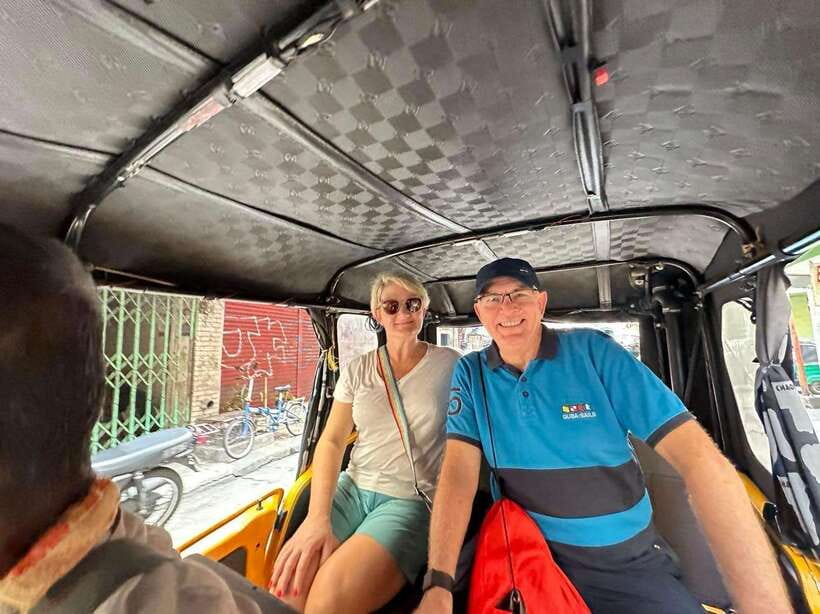
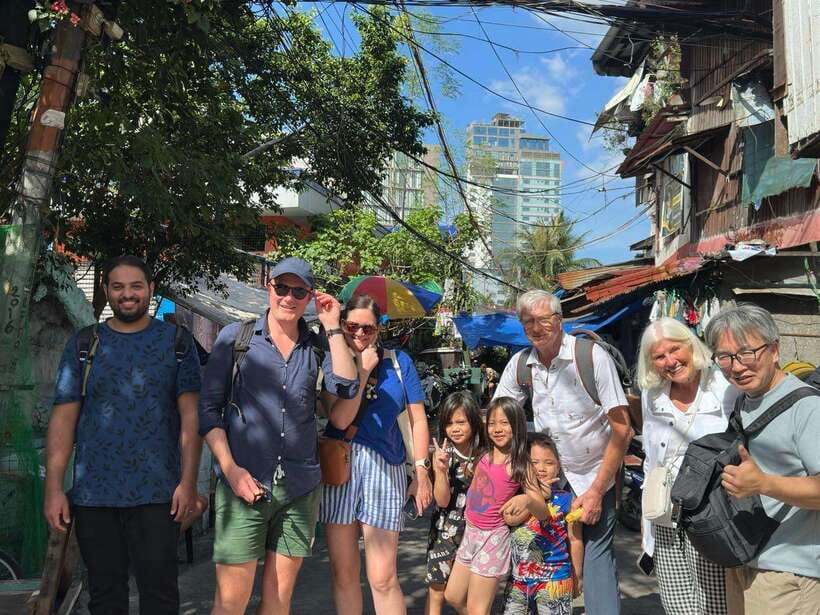
After the rides, the walking sections bring the strongest human element. You move through local neighborhoods, including areas with modest housing and poor homes, and see how people live and work in the city.
This part calls for respect. You are not entering a staged attraction. Homes are private, streets are lived-in, and the tour’s value depends on observing without turning people into scenery. A good guide helps you understand the setting without making poverty into entertainment.
The information provided for this experience describes community spirit and the resilience of residents in these districts. Floyd has been praised for discussing the differences between middle-class and poor communities, while other guides have explained ordinary work and family life. That context can help you read the city more fairly. A rough-looking lane is not the whole story, just as a modern shopping center is not the whole of Manila.
I particularly like this balance. The tour does not present only the postcard version of the city. It shows the contrast between commerce, housing, transport, food, and work within a relatively short route.
Still, you should know what you are choosing. Walking may involve crowded lanes and uneven urban conditions. The tour is not suitable for people with high blood pressure or pregnant women, according to the activity guidance. If you need a slower pace or have mobility concerns, ask before booking because the supplied information does not promise an accessible route.
Same island, a completely different kind of day:
- Intramuros, Manila: Historical Bamboo Bike Tour
★ 4.8 · 583 reviews - Experience Intramuros with Bamboo Bicycle – Ecotours
★ 5.0 · 508 reviews - Manila: Intramuros, Chinatown, and Old Manila Half-Day Tour
★ 4.8 · 475 reviews - Manila: Old & New 4-Hour City Tour
★ 4.5 · 458 reviews
Street food, drinks, and the Filipino table
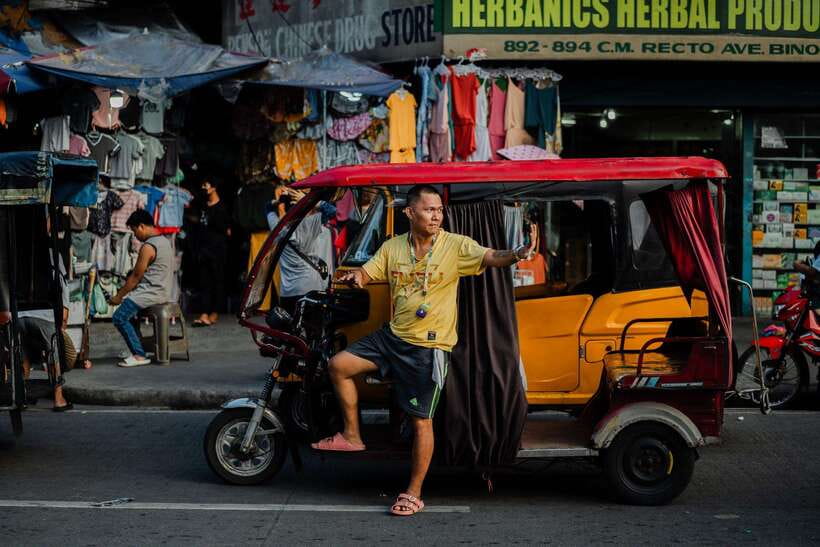
Food stops make the walk more than a sightseeing lesson. At stalls and local eateries, you may taste Filipino street food, beverages, and a famous egg dessert. One outing also included a drink at a rooftop restaurant, but that should be viewed as a possible part of the day rather than a fixed promise for every group.
The food is valuable because it gives you a direct connection to the market. Instead of hearing only about what people eat, you get a chance to sample items in the setting where locals buy and enjoy them.
You should approach tasting with an open mind and sensible caution. The food is part of a working street environment, not a formal restaurant meal. If you have allergies, dietary rules, or strong dislikes, tell the guide early. The available details do not specify a set menu or guaranteed dishes, so do not book this expecting a particular food list.
The guide can also make a difference here. A friendly explanation of an unfamiliar snack is much more useful than being handed a bite with no context. Venus and Floyd are both praised for their approachable manner, and that helps solo visitors or first-time visitors ask questions without feeling awkward.
The guides make or break the experience
The most consistent strength is the human side of the tour. Floyd is repeatedly described as friendly, funny, attentive, and strong on local history and practical questions. He has also been praised for making people feel safe and for taking extra time when needed.
Venus brings a different but equally appealing style. She is described as energetic, warm, entertaining, and deeply engaged with the neighborhoods she shows. Her approach can make the tour feel more like being introduced to a city by a well-informed local friend than being marched between official sights.
Frank is also praised for his understanding of the area and its past. Since guide assignments can vary, you should not assume you will receive a particular person unless V.S Tour Services confirms it.
This matters more here than on a standard monument tour. The streets themselves are the attraction, and the guide must explain what is happening without overwhelming you. A strong guide helps you understand the market, introduces local transport, answers questions, and keeps the group together.
What two hours can realistically cover
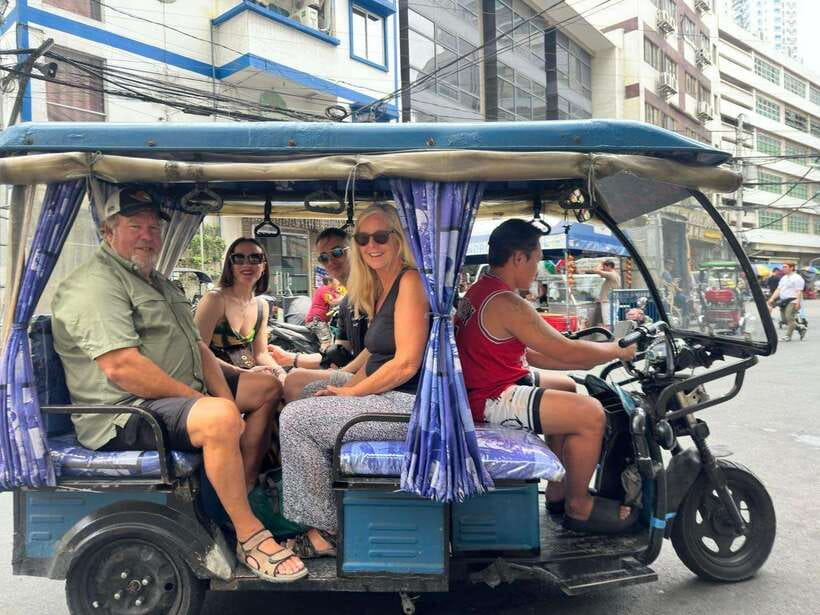
The activity is advertised as two hours, while the route details also refer to a three-hour Manila visit. That mismatch is worth checking before you commit, especially if you have a flight, cruise departure, or another fixed booking afterward.
Even at two hours, the schedule covers a lot: transport, market streets, shopping areas, food stalls, walking sections, and local neighborhoods. This makes the tour a broad introduction rather than a slow, detailed study of one market.
I would book it early in a Manila stay. The route can help you understand how the city fits together, where the shopping districts sit, and how locals move around. One visitor specifically found it useful as a first-day introduction because it provided a sense of the different parts of Manila.
The trade-off is depth. You will see several settings, but you may not have time to linger at every stall or shop. If your main goal is serious shopping, a dedicated market visit gives you more time to compare goods. If your goal is to connect the market with transport, food, housing, and daily life, this format makes better sense.
Is the $66 price fair?
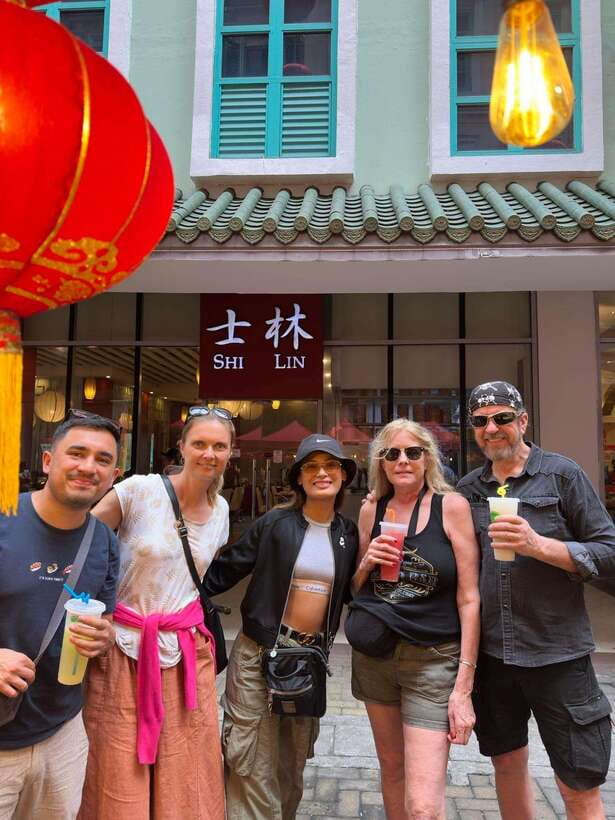
At $66 per person, this is not the cheapest way to wander through Divisoria. You could enter a market on your own for little or no cost. The value comes from the guide, the small group, the local transport, the walking route, and the explanation that turns a confusing district into a readable one.
For a first visit to Manila, I think the price can be fair if you want orientation and cultural context in a short time. You are paying for access to a route that may be difficult to plan alone, plus someone who can answer questions and help you move through unfamiliar areas.
The value is weaker if you dislike crowds, avoid street food, or want a calm sightseeing trip. You may also find the price harder to justify if your only interest is riding a tuk tuk. The transport is one part of a wider neighborhood tour, not the complete product.
The group limit of 12 helps. A smaller group gives the guide more room to answer questions and notice if someone is struggling with the pace. It also makes the walking sections less unwieldy than a large coach excursion.
Who should book this Manila experience?
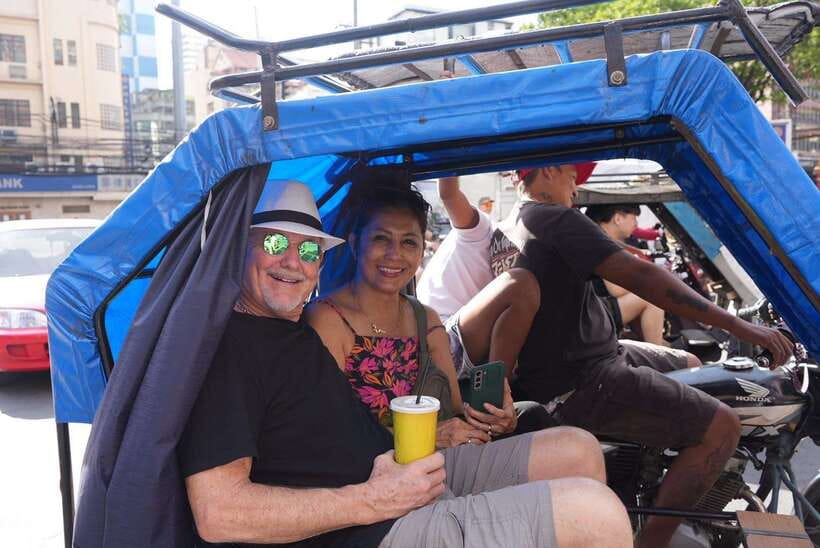
I would recommend it to solo visitors, couples, and small groups who want to see daily Filipino life rather than only major landmarks. It suits people who enjoy markets, local food, short walks, and public transport, and who are comfortable with a little disorder.
It is also a strong choice for a first day in Manila. The combination of shopping, food, transport, and neighborhoods can give you useful bearings for the rest of your stay.
You may want another tour if you prefer air-conditioned comfort, a fixed timetable, or a polished historical route. This experience is also a poor fit if you have high blood pressure, are pregnant, or need a clearly accessible itinerary. The available details do not promise a specific food menu, exact vehicle combination, or guaranteed Intramuros visit.
The tour is in English and uses a live guide. It welcomes solo visitors, couples, and groups, with no more than 12 participants. Cancellation is free up to 24 hours before the start, and you can reserve now and pay later, which is useful when your Manila plans are still moving.
A note about the location and meeting details
The activity information names Nueva Vizcaya as the location, but the meeting point and route are clearly centered on Manila, beginning at Tutuban Center Mall. Because those details do not match, confirm the exact city, pickup point, and starting time with the operator before booking.
For the meeting, use the entrance of Tutuban Center Mall and look for the Bonifacio Monument near Lawson convenience store. The route returns to Tutuban Center Mall.
Should you book the Manila tuk tuk tour?
Book it if you want a frank, street-level introduction to Manila, with Divisoria markets, local transport, food tasting, and neighborhoods that standard sightseeing routes often leave out. The strongest reason to go is not the tuk tuk alone. It is the chance to see how shopping, housing, work, food, and transport fit together, guided by people such as Floyd or Venus.
Skip it if you want quiet streets, a guaranteed schedule, or a set menu. Before paying, confirm the two-hour versus three-hour timing, the Nueva Vizcaya location note, and which vehicles are planned that day. If those points work for you, the tour offers a useful first look at the everyday city behind Manila’s famous sights.
FAQ
Where does the tour start?
Meet at the entrance of Tutuban Center Mall, near the Bonifacio Monument and Lawson convenience store.
Where does the tour finish?
The tour returns to Tutuban Center Mall.
How long does the tour last?
The activity details state two hours, while the route information also refers to a three-hour Manila visit. Confirm the expected duration and start time with V.S Tour Services before booking.
What language is the tour conducted in?
The live tour guide speaks English.
What transport is included?
The experience includes local transport, described as a tuk tuk, jeepney ride, or Lamborghini tricycle. The exact combination may vary.
Is food included?
The tour includes food tasting and visits to street-food stalls or local eateries. A fixed menu is not specified.
How many people are in the group?
The group is limited to 12 participants.
Who should not take this tour?
The activity is not suitable for people with high blood pressure or pregnant women.
Just added around Manila
- Philippines Intro 3 days 2 nights Tour Best of Manila and Beyond★ 5.0 · 3 reviews
- MANILA: HISTORICAL KALESA RIDE TOUR EXPERIENCE IN INTRAMUROS★ 4.0 · 3 reviews
- Makati Street food walking tour with Dinner★ 5.0 · 3 reviews
- Bites and Sights: Tagaytay Food and Nature Excursion from Manila★ 4.0 · 3 reviews
- Authentic Manila Chinatown Food Tour Exploration★ 5.0 · 3 reviews
- 4 Day Banaue Ifugao Rice Villages Private tour Trekking★ 4.5 · 3 reviews
- Embark on a 7-Day Banaue-Sagada Adventure of a Lifetime★ 5.0 · 3 reviews
- From Manila: Philippines Private Tour Guide★ 4.1 · 3 reviews
Manila Tours, compared.
Intramuros, Manila: Historical Bamboo Bike Tour
Read our review →
Experience Intramuros with Bamboo Bicycle – Ecotours
Read our review →
Manila: Intramuros, Chinatown, and Old Manila Half-Day Tour
Read our review →
Manila Food Tour: Introduction to Philippine Street Food
Read our review →
Spectacular Manila to Tagaytay: Full-Day Sightseeing Tour
Read our review →
Makati Nightlife: VIP Access to Clubs, Rooftops & Go-Go Bars
Read our review →
Discover Tagaytay’s Countryside: Half-Day Sightseeing Tour
Read our review →
From Manila: Tagaytay Countryside Wonders: A Half-Day Tour
Read our review →Browse the lists this tour appears in