
Reviewed · MANILA TOURS
Manila: Intramuros Myths and Nights Tour
Intramuros gets a different voice after sunset. This two-hour walk uses aswangs, kapres, balete trees, and the ghosts of Fort Santiago to examine how folklore shaped Philippine identity and how colonial power influenced the stories people were told.
I like the route’s mix of myth and history, especially the move from childhood creatures to Jose Rizal and the prison dungeons. I also like the personal touch from Jerome, whose humor, care for solo participants, and willingness to answer questions add warmth to a serious subject.
The main consideration is pace. Two hours covers several major stops, so you will hear ideas and stories rather than receive a full architectural tour of every church and fort. Also confirm the meeting location when booking, since the supplied details label the location as Nueva Vizcaya while the actual route begins in Manila’s Intramuros.
Key points to know before you book
- Folklore becomes a history lesson: Aswangs, kapres, tikbalangs, dwendes, white ladies, and agimats are used to discuss identity, fear, religion, and resistance.
- The route begins at Plaza Moriones: The walk continues to Fort Santiago, Jose Rizal’s chapel-cell, the dungeons, Manila Cathedral, San Agustin Church, and Puerta del Parian.
- Jerome leads with humor and care: He has been praised for making the subject fun, answering questions, adding fresh details, and helping a solo participant get home safely.
- Night adds atmosphere: Acacia and balete trees, old walls, chapels, and dungeons give the stories a suitably eerie setting.
- The $49 fee includes useful basics: Entrance, guide, and a snack are included, with a separate entrance for the line.
- You can choose day or night: English and German tours are offered, and the walk is listed as wheelchair accessible.
Why this Intramuros walk feels different
Many Intramuros outings focus on walls, churches, battles, and dates. This one asks you to listen for the ideas beneath those facts. It treats folklore not as a side show, but as part of the way Filipinos understood danger, authority, religion, and independence.
That gives the route a clear purpose. The aswang is not simply a frightening creature for a night walk. The kapre is not just a giant under a tree. The tour connects these figures with the way stories can shape a society’s view of itself and of outsiders.
I especially like that the experience is designed for both Filipino and foreign participants. You do not need to arrive with a background in Philippine history. If you already know Intramuros, the folklore angle can still give familiar places a new meaning.
The tone appears to balance serious material with humor. That matters here. The tour deals with colonial control, religious conversion, torture, executions, and deaths in the dungeons. A guide who can make the subject approachable without turning it into a joke is a real asset.
More walks through old Manila:
- Intramuros, Manila: Historical Bamboo Bike Tour
★ 4.8 · 583 reviews - Experience Intramuros with Bamboo Bicycle – Ecotours
★ 5.0 · 508 reviews - Manila: Intramuros, Chinatown, and Old Manila Half-Day Tour
★ 4.8 · 475 reviews
Plaza Moriones and the first tales under the acacia
The tour starts at Plaza Moriones, where the opening discussion sets up the link between folklore and history. Under an acacia tree, you hear about aswangs, often described in popular culture as Filipino vampire-like beings, along with kapres and other figures that have shaped childhood stories.
This is a smart place to begin. The plaza offers room to listen before the route moves into the more confined spaces of Fort Santiago. The tree also gives the opening stories a natural setting, though you should bring biodegradable insect repellent, as specifically advised.
The tour’s historical argument is direct: Spanish colonial authorities used stories of horror and superstition to influence local thinking and weaken native confidence. The guide examines how tales could make the conquerors seem more powerful, more civilized, or more closely linked to divine authority than the people they ruled.
You should treat this part as an interpretation of colonial history, not as a simple list of proven facts. The value lies in hearing how folklore and power can work together. The discussion gives you a useful lens for the rest of the walk.
Fort Santiago, balete trees, and the white ladies
The group then moves to Fort Santiago, one of the most important places inside Intramuros. Here, under a balete tree, the focus shifts to white ladies, dwendes, and other supernatural figures.
The balete tree carries a particular weight in Philippine folklore, so the setting helps the stories land. The guide uses these tales to discuss how local beliefs were recast by colonial authorities. A spirit that once had a place in native belief could be labeled evil, primitive, or dangerous under a new religious and political system.
This is one of the most interesting parts for anyone who has already taken a standard Intramuros tour. Krystal Stewart had previously joined another Intramuros outing, yet found that Jerome added material she had not heard before. That is useful evidence of the tour’s purpose: it is not simply repeating the usual facts about the walls.
Expect active discussion rather than a one-way lecture. Jerome has been praised for answering questions and keeping the mood educational but relaxed. If you enjoy asking why a legend exists, who benefits from it, and how it changes over time, this stop should suit you.
Jose Rizal’s chapel-cell and the agimat
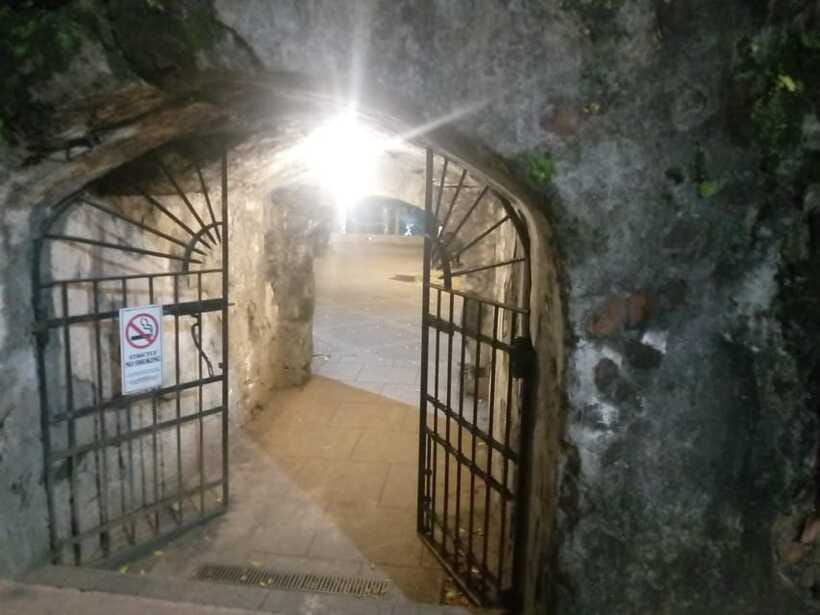
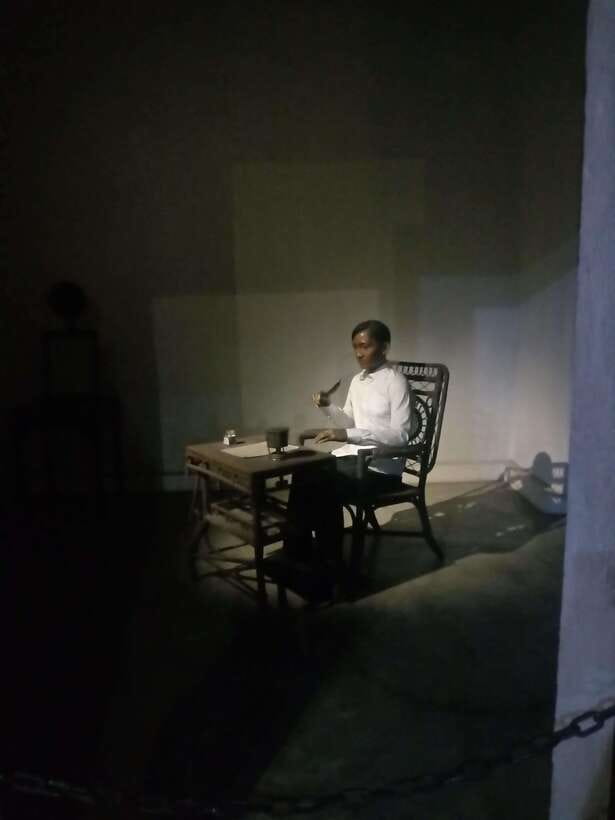
From the fort, the route reaches the chapel-cell of Jose Rizal. This stop brings the conversation from folklore into the struggle for independence.
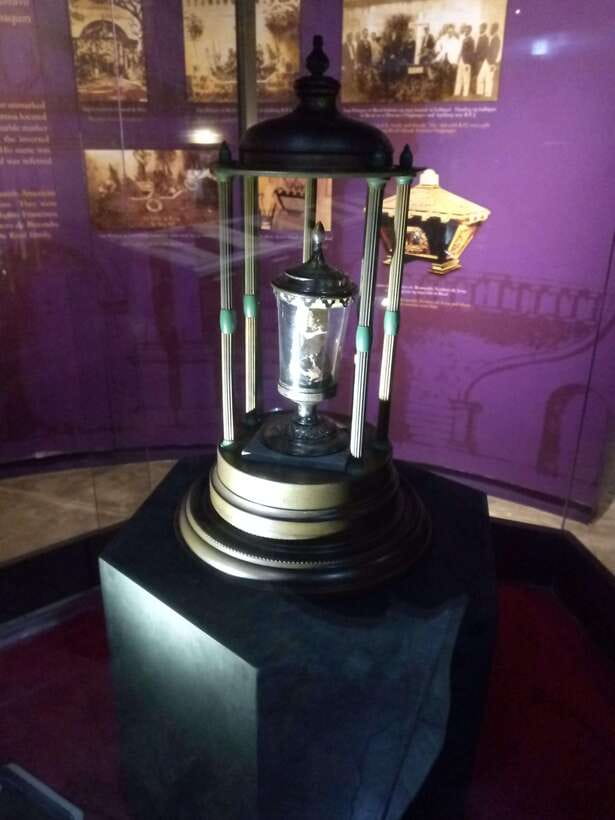
Rizal’s final hours are tied to one of the most important chapters in Philippine national memory. The tour adds a less familiar angle by discussing the agimat, a protective charm or object associated with power and courage, along with monasticism and the role of religious institutions.
The point is not just to add another legend to the itinerary. It is to show how spiritual belief could exist beside political action. Independence was not shaped by military force and printed arguments alone. Personal faith, sacred objects, religious authority, and local ideas of protection also formed part of the wider story.
You may find this section more interpretive than factual. That is not a weakness, as long as you know what you are booking. This is a discussion-based experience that encourages you to consider how ordinary people made sense of colonial rule and resistance.
A few more Manila day trips to weigh up
- Manila: Old & New 4-Hour City Tour
★ 4.5 · 458 reviews - Manila Food Tour: Introduction to Philippine Street Food
★ 5.0 · 417 reviews - Spectacular Manila to Tagaytay: Full-Day Sightseeing Tour
★ 5.0 · 349 reviews - Makati Nightlife: VIP Access to Clubs, Rooftops & Go-Go Bars
★ 4.9 · 278 reviews
The dungeons and the danger of forgotten memory
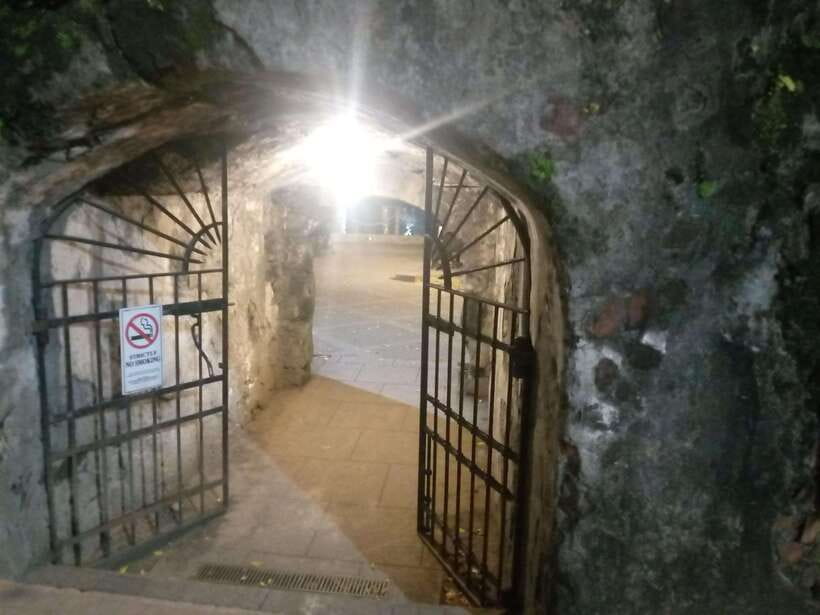
The route continues into the dungeons, where the tone becomes darker. The focus is on the roughly 600 civilians who died there, and the guide asks you to think less about ghosts than about memory.
That distinction is important. A ghost story can make a site exciting for an evening, but the human deaths behind the story deserve more care. The tour uses the supernatural setting to make a serious point: forgetting the people who suffered can be as troubling as any haunting.
You should expect this part to feel somber. The dungeons are not treated simply as a haunted attraction. The experience places the dead within the larger story of war, oppression, and remembrance.
If you prefer light entertainment, this section may feel heavy. If you want an outing that connects atmosphere with real historical loss, it gives the night purpose. I like that the tour does not let folklore erase the people who lived and died in these places.
Manila Cathedral and San Agustin Church
The next stretch takes you past Manila Cathedral and San Agustin Church. Here, the subject turns to the meeting of Catholicism and local religions.
These churches help make the discussion concrete. Instead of speaking about religious change in the abstract, you are standing among the buildings and institutions that shaped colonial Manila. The tour examines how native supreme beings and spiritual beliefs could be renamed, condemned, or turned into demons within the conquerors’ religious framework.
This is a useful way to understand conversion. It was not simply a matter of replacing one set of prayers with another. Religious change could also alter the meaning of spirits, places, trees, rituals, and stories. A being respected in one belief system might be branded evil in another.
The route does not appear to spend long periods touring each church interior. That is worth knowing. You are getting a thematic walk through these sites, not a full church art or architecture program. If you want detailed attention to paintings, altarpieces, and construction dates, you will need more time elsewhere.
Puerta del Parian and the end of the walk
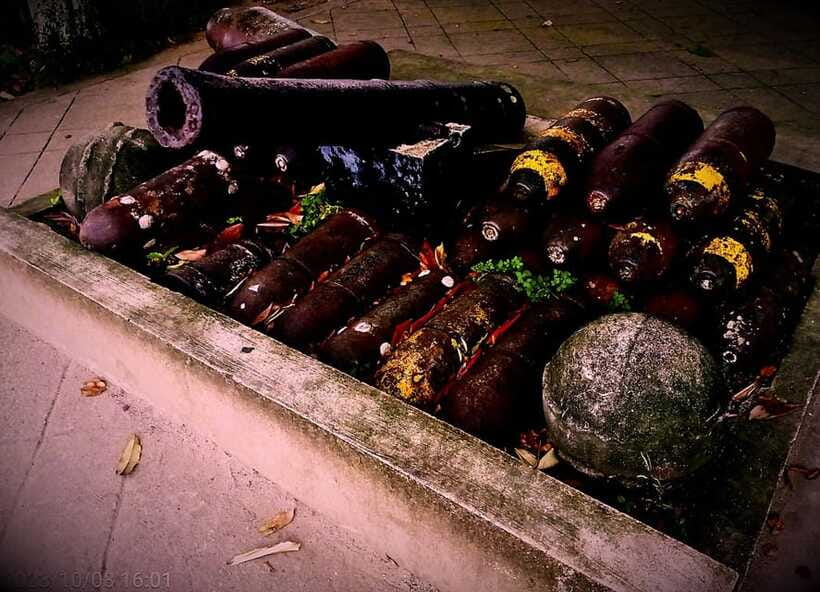
The final stop is Puerta del Parian, where the tour revives the spirit of uprisings and returns to the question of independence.
Ending at a gate works well. Gates suggest movement, restriction, and the possibility of breaking through. After hearing how colonial authorities shaped stories and beliefs, you finish with resistance rather than fear.
The closing discussion ties together the route’s main themes: folklore, religion, colonial control, memory, and national identity. It also gives the experience a stronger finish than simply ending after a ghost story at Fort Santiago.
Because the entire tour lasts two hours, the ending will likely be concise. You will leave with several ideas to think about, not a complete course in Philippine history. That is a fair trade for a short evening walk, but you should allow more time if you want to explore Intramuros on your own afterward.
What Jerome adds to the experience
The guide can make or break a story-based walk, and Jerome is central to this one. Elizabeth described him as passionate about Philippine history, while Grace appreciated his ability to create a fun educational setting and respond to questions.
Krystal’s experience gives the clearest picture of his style. She arrived close to the starting time after mixing up her dates, and Jerome accommodated her. She also valued his stories about the aswang, duwende, and tikbalang, and said he made them vivid and funny.
That combination is useful. Folklore needs a storyteller, but the historical material needs care. Jerome appears to handle both sides, bringing energy to the legends while keeping the colonial and independence themes in view.
His attention to a solo participant is another practical plus. He made sure Krystal got home safely, which is especially welcome on a night outing. You should not assume every detail of your own return journey is covered, but this suggests a considerate guiding style.
English and German are available. The supplied information does not state the group size, so you should not book expecting either a private walk or a large crowd unless the operator confirms it.
Is $49 a fair price for two hours?
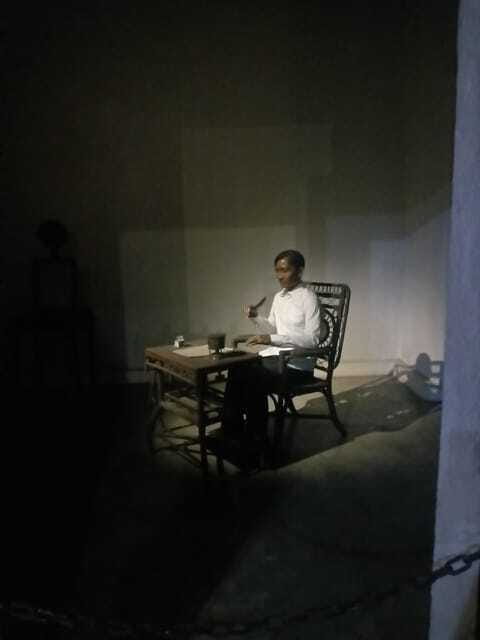
At $49 per person, this is not the cheapest way to see Intramuros. The value depends on what you want from the visit.
The fee includes the entrance fee, guide’s fee, and a snack. You also receive a themed route rather than a basic walk around the walls. For someone interested in Philippine mythology, colonial influence, and the independence movement, the focus makes the price easier to justify.
The short duration helps keep the commitment manageable. You can fit the outing into a Manila schedule without giving up half a day. The tradeoff is that two hours leaves little time for lengthy church visits, broad architectural detail, or unplanned stops.
I would consider it good value if you have already seen the standard sights or want a guide who can add meaning to familiar places. For a first-time visitor who wants only the major landmarks and dates, a general Intramuros tour may cover more conventional ground.
A snack is included, but the details are not specified. Do not choose the activity for the food. Choose it for the guide-led storytelling and the unusual theme.
Day or night, and who should book it?
The night option fits the material best. Stories of white ladies, kapres, and dungeons naturally gain atmosphere under dark skies and beneath old trees. The evening setting also makes the contrast between playful folklore and real historical suffering more noticeable.
The day option may suit you if you prefer clearer conditions or want to feel more comfortable moving between sites. The tour description confirms that both choices are available, but it does not give exact starting times. Check the schedule before paying.
This outing suits you if:
- You enjoy history told through stories rather than dates alone.
- You want to understand how folklore connects with colonial power.
- You have already taken a conventional Intramuros tour.
- You like asking questions and discussing competing interpretations.
- You are comfortable with serious subjects involving imprisonment and death.
- You want an English or German guide and an accessible route.
The listing marks the tour as wheelchair accessible. Still, because the route includes a fort, churches, trees, and dungeons, confirm the exact access conditions before booking if you use a wheelchair or have limited mobility.
One unusual restriction says the tour is not suitable for people over 95. That is a narrow limit, but it is worth noting for anyone booking for an older family member.
My verdict: book it for the ideas, not just the ghosts
I would book the Manila Intramuros Myths and Nights Tour if I wanted a more thoughtful take on the Walled City. The strongest parts are the folklore stories, Jerome’s lively guiding style, and the effort to connect myths with colonial control and the fight for independence.
I would skip it if my priority were a detailed survey of architecture or a long visit inside every landmark. The route moves quickly, and its focus is interpretation rather than exhaustive sightseeing.
Before booking, confirm that the meeting point is Plaza Moriones in Intramuros, Manila, since the supplied location label says Nueva Vizcaya. If that detail is clear, the $49 fee offers a focused two-hour experience with entrance, a snack, and a guide who brings both humor and care to a difficult subject.
FAQ
Where does the tour start?
The tour starts at Plaza Moriones in Intramuros.
How long does the tour last?
The tour lasts two hours.
Is the tour available during the day and at night?
Yes. You can choose between a day tour and a night tour, subject to available starting times.
Which languages are available?
Live guiding is available in English and German.
What does the price include?
The price includes the entrance fee, guide’s fee, and a snack.
Is the tour wheelchair accessible?
Yes. The activity is listed as wheelchair accessible.
What should I bring?
Bring biodegradable insect repellent. This is especially practical for a walk that includes time beneath trees at Plaza Moriones and Fort Santiago.
Just added around Manila
- Makati Street food walking tour with Dinner★ 5.0 · 3 reviews
- Philippines Intro 3 days 2 nights Tour Best of Manila and Beyond★ 5.0 · 3 reviews
- MANILA: HISTORICAL KALESA RIDE TOUR EXPERIENCE IN INTRAMUROS★ 4.0 · 3 reviews
- Bites and Sights: Tagaytay Food and Nature Excursion from Manila★ 4.0 · 3 reviews
- Authentic Manila Chinatown Food Tour Exploration★ 5.0 · 3 reviews
- 4 Day Banaue Ifugao Rice Villages Private tour Trekking★ 4.5 · 3 reviews
- Embark on a 7-Day Banaue-Sagada Adventure of a Lifetime★ 5.0 · 3 reviews
- From Manila: Philippines Private Tour Guide★ 4.1 · 3 reviews
Manila Tours, compared.

Intramuros, Manila: Historical Bamboo Bike Tour
Read our review →
Experience Intramuros with Bamboo Bicycle – Ecotours
Read our review →
Manila: Intramuros, Chinatown, and Old Manila Half-Day Tour
Read our review →
Manila Food Tour: Introduction to Philippine Street Food
Read our review →
Spectacular Manila to Tagaytay: Full-Day Sightseeing Tour
Read our review →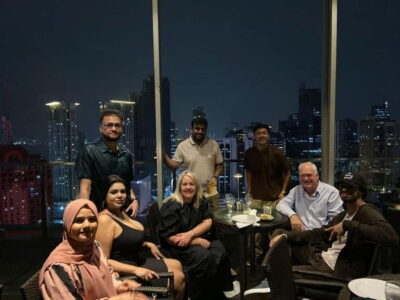
Makati Nightlife: VIP Access to Clubs, Rooftops & Go-Go Bars
Read our review →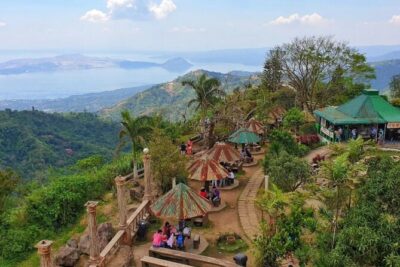
Discover Tagaytay’s Countryside: Half-Day Sightseeing Tour
Read our review →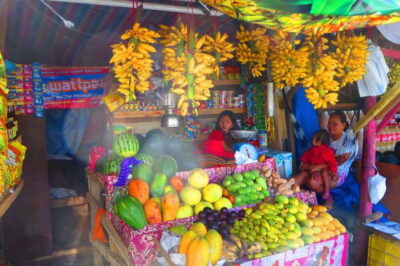
From Manila: Tagaytay Countryside Wonders: A Half-Day Tour
Read our review →Browse the lists this tour appears in