
Reviewed · MANILA TOURS
Manila: Intramuros Tour ( Dark)
Intramuros gets most interesting after the postcard views fade. This two-hour walking tour takes you into Fort Santiago’s dungeons, old barracks, prison spaces, and baluartes, where wartime suffering has shaped many of the area’s ghost stories. You’ll hear about Jose Rizal, Rajah Sulayman, Andres Novales, and other Filipinos whose struggles sit behind the legends.
I like the way the tour connects haunted stories with real atrocities, rather than treating Intramuros as a simple ghost walk. I also like the compact route: Fort Santiago, Manila Cathedral, General Luna Street, Saint Agustin Church, and the Bonifacio Shrine give you a useful first look at Old Manila in one evening.
The main drawback is the pace. Two hours is short for so much history, and the walk includes somber material about torture, imprisonment, and mass death. The tour is not suitable for children under 12, pregnant women, or people with mobility impairments. The information also both describes the activity as wheelchair accessible and excludes wheelchair users, so you should confirm this before booking.
Key points to know before you book
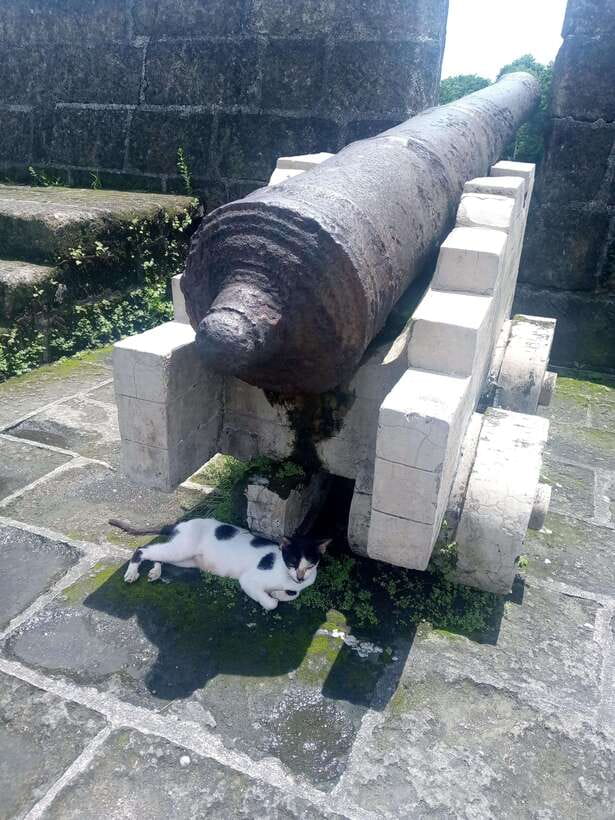
- Fort Santiago is the main event: Plan on about an hour among its dungeons, barracks, prison cell, and defensive walls.
- The ghost stories have a historical basis: The darker tales grow from executions, wartime imprisonment, and the deaths of about 600 Filipino and American civilian prisoners of war.
- Jose Rizal’s final cell is included: You’ll visit the cell where the national hero was detained before his execution.
- The route reaches several major landmarks: Manila Cathedral, Saint Agustin Church, General Luna Street, and the Bonifacio Shrine fill out the short walk.
- This is a private guided group: English and German are offered, and the guide’s storytelling is central to the experience.
- Wear proper walking shoes: Bring water and a camera, and expect a serious, sometimes unsettling subject.
Why Intramuros works so well after dark
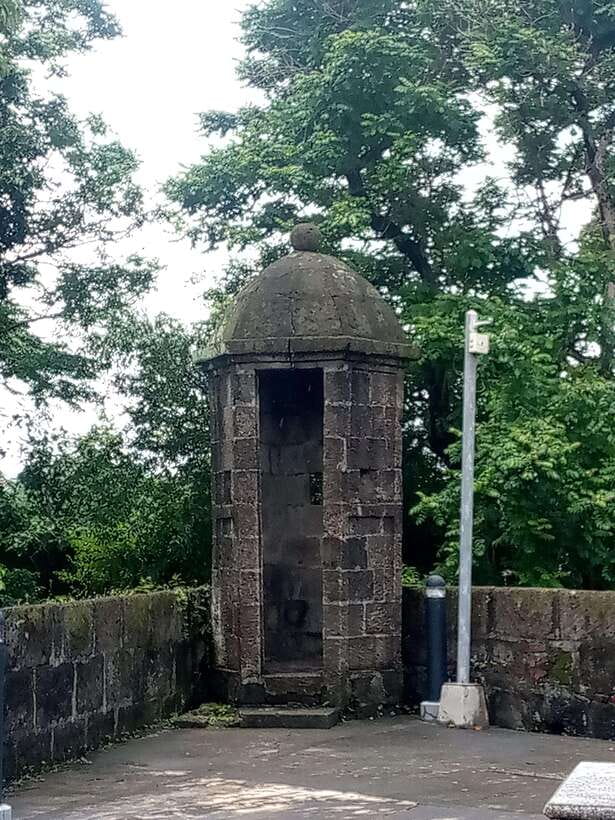
Intramuros is often introduced through its stone walls, church towers, and Spanish-era streets. This tour takes a different route into the district’s past. It asks you to consider what happened behind those walls, especially during periods of occupation, war, and political upheaval.
The dark theme is not just a decorative label. At Fort Santiago, you’ll hear about dungeons with poor air supply, prison chambers, and people who died in captivity. That gives the supernatural stories a human source. If you like history with a strong emotional edge, this approach can make the old city easier to understand.
I would not choose this walk if you want a light evening stroll with a few amusing ghost tales. The subject includes atrocities and mass death, so the mood can be heavy. The guide’s tone matters a great deal here. One review specifically praises the guide’s passion for the area, while another describes the guide, addressed as Kuya, as entertaining and educational. The guide’s ability to move between facts, names, and legends will shape your experience.
The activity is listed at $48 per person for two hours. That is not the cheapest way to see Intramuros, but the price includes a private group, a live guide, Fort Santiago admission, and the historical and supernatural storytelling. I see the value mainly in the guide and the focus. If you already know Intramuros well, the short route may feel limited. If this is your first visit, having someone explain the places as you walk can make the admission fee and tour cost easier to justify.
More walks through old Manila:
- Intramuros, Manila: Historical Bamboo Bike Tour
★ 4.8 · 583 reviews - Experience Intramuros with Bamboo Bicycle – Ecotours
★ 5.0 · 508 reviews - Manila: Intramuros, Chinatown, and Old Manila Half-Day Tour
★ 4.8 · 475 reviews
Starting at Fort Santiago
You meet your guide at Fort Santiago, the natural starting point for this subject. Give yourself enough time to arrive at the meeting point with comfortable shoes and water already in hand. Hotel pickup and drop-off are not included, so you need to arrange your own way to Fort Santiago.
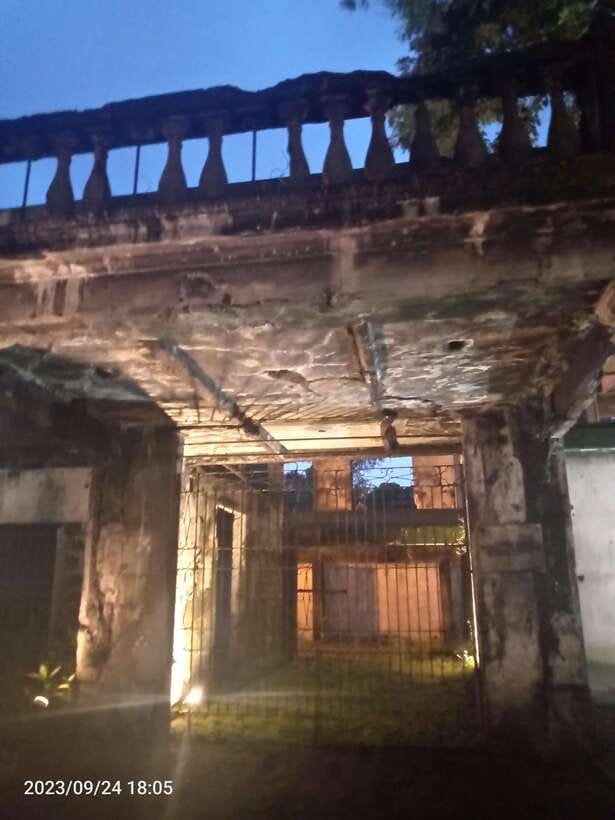
The first section lasts about an hour, making it the longest and most detailed part of the walk. You’ll look at the old American barracks, dungeons, and baluartes, or defensive bastions. These are not just architectural remains. The guide uses them to explain how the fort functioned as a place of military control and imprisonment.
The dungeons are the emotional center of the tour. You’ll hear about the thin air and harsh conditions inside, then walk through chambers associated with the deaths of approximately 600 Filipino and American civilian prisoners of war. A mass grave receives a moment of tribute. This is a place where you should expect respectful storytelling rather than theatrical scares.
I appreciate that the tour places the suffering first. Ghost stories can be entertaining, but here they are tied to people who endured imprisonment and death. That makes the visit more thoughtful, though it also means the stop may be difficult for some people.
Fort Santiago also brings the national story into focus through several named figures. You’ll hear about Rajah Sulayman, Andres Novales, and General Vicente Lim, along with less remembered patriots from the pre-Hispanic era through the Japanese occupation. The names help widen the story beyond the best-known heroes.
Jose Rizal’s final prison cell
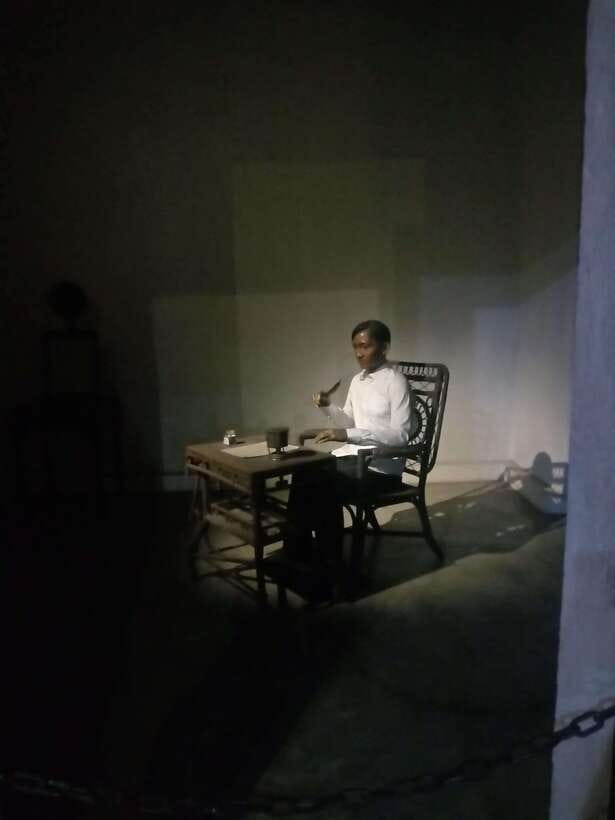
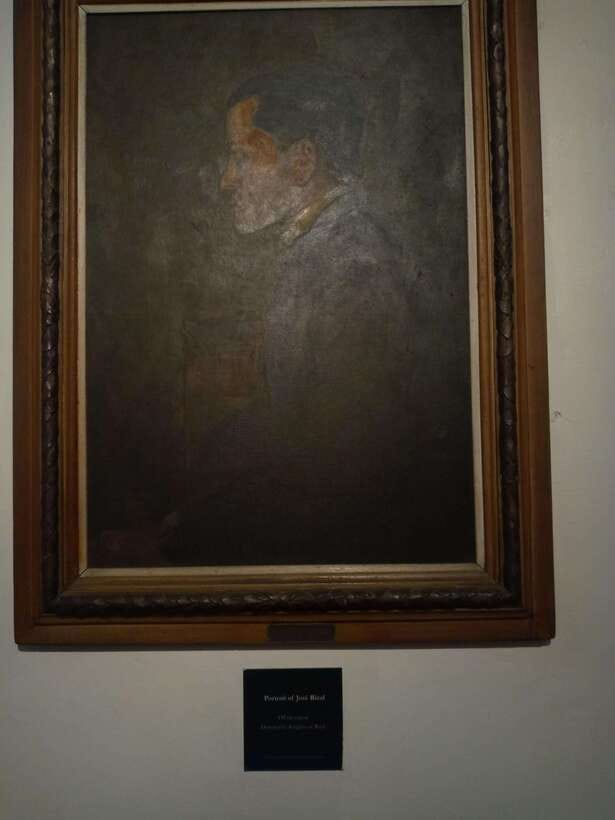
The tour includes the last prison cell of Dr. Jose Rizal, where he was detained. Rizal is one of the central figures in Philippine history, and this stop links his personal fate with the reformist ideas that helped shape the nation.
The value of the cell is its scale. Rather than discussing Rizal only as a statue or textbook figure, the guide places you at the location of his final detention. You’ll hear about the reform movement and the political conditions that surrounded him.
This part may feel less overtly haunted than the dungeons, but it is important to the tour’s purpose. Intramuros was not only a place of ghosts and wartime suffering. It was also a place where ideas, political power, and national identity collided.
Because the full Fort Santiago section lasts about an hour, the guide should have time to add context rather than rush from one room to the next. Still, this is a two-hour tour covering many subjects. If you want a long, detailed study of Rizal, you will need a separate visit or a longer historical tour.
Manila Cathedral and the struggle for power
After Fort Santiago, the group moves to Manila Cathedral for about 15 minutes. The cathedral adds a different kind of darkness to the tour: the struggle between church authority and government power, with Indios suffering as the political and social victims.
This stop is brief, so expect an introduction rather than a full architectural or religious tour. The point is to connect the building with the institutions that shaped colonial life. The guide’s explanation should help you see the cathedral as more than a grand photo stop.
For me, this is one of the useful transitions in the route. Fort Santiago focuses on confinement and physical suffering. Manila Cathedral shifts the story toward authority, social divisions, and the unequal treatment of local people. The two stops show different forms of control within the same walled district.
The short timing can also be a limitation. If the cathedral is a major reason you want to visit Intramuros, 15 minutes may not be enough for you to study the building at leisure. Treat it as part of the walking narrative, not as a full cathedral visit.
A few more Manila day trips to weigh up
- Manila: Old & New 4-Hour City Tour
★ 4.5 · 458 reviews - Manila Food Tour: Introduction to Philippine Street Food
★ 5.0 · 417 reviews - Spectacular Manila to Tagaytay: Full-Day Sightseeing Tour
★ 5.0 · 349 reviews - Makati Nightlife: VIP Access to Clubs, Rooftops & Go-Go Bars
★ 4.9 · 278 reviews
General Luna Street and Saint Agustin Church
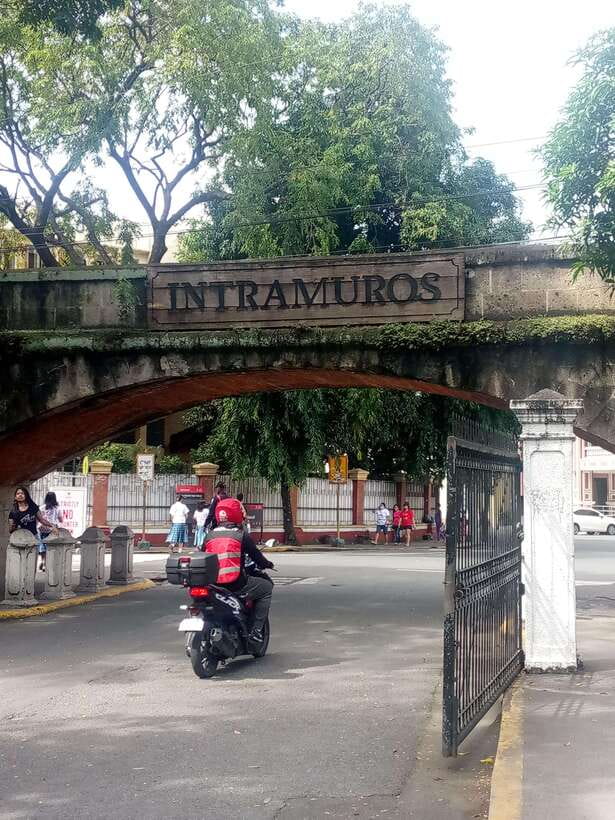
The route continues along General Luna Street, where you’ll hear stories of Filipino courage and sacrifice during the Philippine-American War. This section takes place outdoors, so comfortable shoes matter. The tour includes a lot of walking, even though the total duration is only two hours.
General Luna Street helps connect individual stories with a wider conflict. You are not simply moving between monuments. You are following a route where the guide can explain how ordinary Filipinos and named figures faced war and political change.
Next comes Saint Agustin Church, one of the tour’s major stops. The guide focuses on the church’s ability to survive through different historical periods. That resilience gives the church a role in the story beyond its design or religious importance.
I like the contrast between the church and Fort Santiago. The fort recalls confinement and death, while Saint Agustin Church represents continuity through difficult periods. You will not get a long church study in the time available, but the stop gives the route a welcome change of mood.
As with Manila Cathedral, plan to listen more than linger. The schedule allows about 20 minutes for the wider Intramuros section, so you may not have much free time for photographs or quiet observation. Bring a camera, but do not let photography distract you from the guide’s explanation.
The Bonifacio Shrine finale
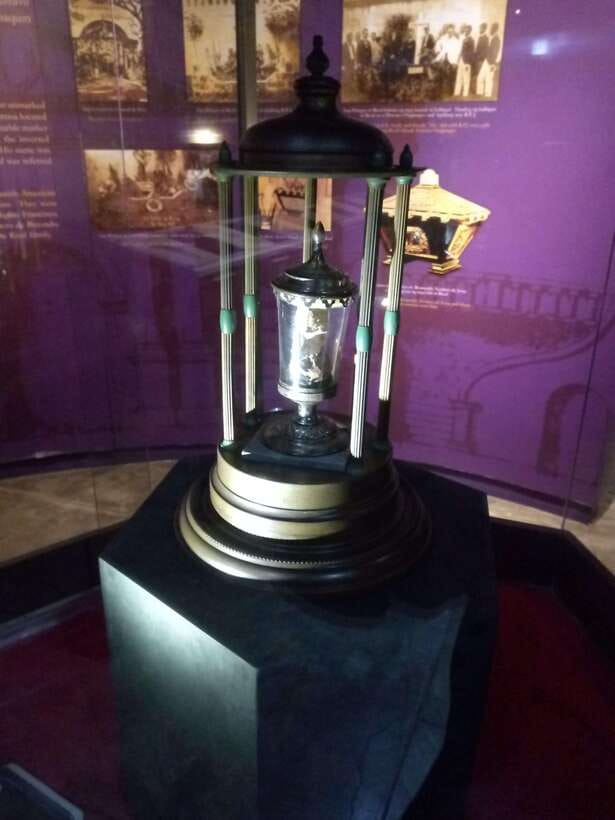
The advertised route ends at the Bonifacio Shrine in front of Manila City Hall. This stop traces the Philippine Revolution and pays tribute to Andres Bonifacio, described here as the Father of the Philippine Revolution, along with revolutionaries who are less often remembered.
The ending works because it shifts the focus from colonial institutions and wartime prisoners to organized resistance. Bonifacio’s story gives the tour a strong final question: how did Filipinos respond to the powers that controlled their country?
The listed itinerary says you arrive back at Fort Santiago, while the detailed route places the last stop at the Bonifacio Shrine. That creates a practical point you should clarify before booking. Ask the operator where the walk finishes in practice, especially if you have an evening reservation, a restaurant booking, or transportation waiting.
This final stop also shows why the tour is more than a ghost walk. The haunted material may attract you, but the route keeps returning to reform, revolution, sacrifice, and the people behind the stories. That makes it a better choice for history-minded visitors than a tour built only around spooky atmosphere.
What the $48 price includes
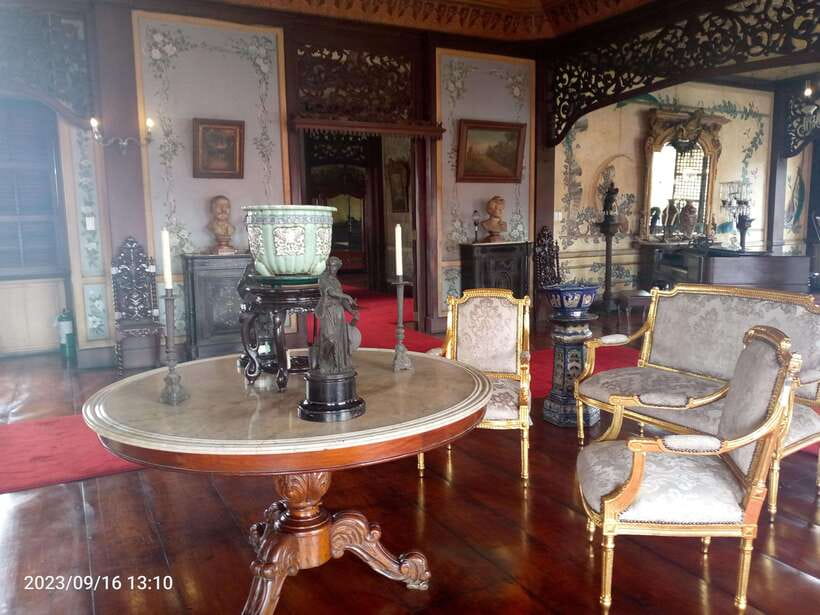
At $48 per person, the cost covers the guided Intramuros walk, Fort Santiago admission, and the stories tied to historical events and reported hauntings. Meals, drinks, hotel pickup, drop-off, and personal expenses are extra.
The private-group format is an important part of the value. You are not simply following a large crowd past the same walls. A private guide can potentially adjust the explanation to your questions and keep the storytelling focused, although the exact group size is not specified.
The strongest reason to pay this price is the guide’s interpretation. Intramuros is easy to walk through without understanding what you are seeing. The tour gives the dungeons, churches, streets, and shrines a connected narrative.
The weaker point is the short duration. You are paying for a concentrated introduction, not a full-day exploration of Intramuros. If you are comfortable reading signs and exploring on your own, you may prefer to pay only for Fort Santiago admission and spend more time at each site.
Free cancellation up to 24 hours before the activity and reserve-now, pay-later booking make the commitment easier. Starting times depend on availability, so check the schedule before building your evening around it.
Who should book this dark Intramuros walk
I would recommend this experience to adults and older teenagers who want a serious introduction to Old Manila. It suits you especially well if you enjoy ghost stories but also want the facts behind them, including wartime imprisonment, political conflict, and the Philippine Revolution.
It is also a good fit for first-time visitors with only a short amount of time. The route covers Fort Santiago, two major churches, General Luna Street, and the Bonifacio Shrine in two hours. You will not see every corner of Intramuros, but you will get a clear sense of how the district’s sites connect.
The tour may not suit you if you dislike stories about death, confinement, or atrocities. It is also a poor match if you need a slow pace, frequent rests, or extensive time for photographs. Children under 12 are not accepted, and pregnant women and people with mobility impairments are listed as unsuitable.
The accessibility information needs special care. The activity details describe it as wheelchair accessible, but the same information says it is not suitable for wheelchair users. Since it is a walking tour with dungeons, streets, and historic buildings, contact the provider before reserving if you have any mobility concern.
English and German are available. No guide name is provided in the booking information, although the personal energy of the guide is clearly important to the experience. If you have a language preference, select it when booking and confirm that the requested language is available at your chosen time.
Practical advice for a more comfortable walk
Wear shoes that can handle uneven historic streets and a lot of walking. Avoid treating this as a quick stop between dinner reservations. The schedule is tight, and you will enjoy it more if you can keep up without discomfort.
Bring water. Manila can feel warm, and the tour moves between outdoor streets and enclosed spaces. The dungeons may feel close and air-starved, which is part of the story but may be uncomfortable for some people.
Bring a camera, but follow the guide’s instructions at sensitive sites. A respectful attitude matters here. You are visiting prisons, memorial locations, churches, and places connected with mass death, not just collecting dramatic photographs.
Smoking is not allowed during the activity. Meals and drinks are not included, so plan them separately. Since transportation is also not included, confirm the meeting and ending points before setting off.
The tour receives a 4.7 rating from three reviews, with praise focused on the guide’s passion and the balance of entertainment and education. That is encouraging, but the sample is small. I would place more weight on the tour’s clear route and subject matter than on the rating alone.
Should you book it?
Book this tour if you want Intramuros explained through its darkest places and most difficult stories. The Fort Santiago dungeons, Jose Rizal’s final cell, the wartime mass grave, and the discussion of church and government power give the walk real substance.
Skip it if you want a relaxed sightseeing loop or a detailed, slow tour of every church and fort room. At $48, the value depends on how much you want a private guide to connect the sites. For a first visit, especially one limited to two hours, I think the focused storytelling makes the price reasonable.
Go prepared for serious history, sturdy shoes, water, and a brisk route. If you do, the haunted side of Intramuros becomes more than a spooky after-dark tale. It becomes a way to remember the people who suffered, resisted, and helped shape the Philippines.
FAQ
Where does the Intramuros dark tour begin?
The tour begins at Fort Santiago. Hotel pickup and drop-off are not included.
How long does the tour last?
The tour lasts two hours. About one hour is allocated to Fort Santiago, 15 minutes to Manila Cathedral, and about 20 minutes to the wider Intramuros route.
What languages are available?
The live guide is available in English or German.
Is admission to Fort Santiago included?
Yes. Fort Santiago admission is included in the tour price.
Is the tour suitable for children?
No. The activity is not suitable for children under 12.
What should I bring?
Bring comfortable walking shoes, water, and a camera. Smoking is not allowed.
Just added around Manila
- Philippines Intro 3 days 2 nights Tour Best of Manila and Beyond★ 5.0 · 3 reviews
- MANILA: HISTORICAL KALESA RIDE TOUR EXPERIENCE IN INTRAMUROS★ 4.0 · 3 reviews
- Makati Street food walking tour with Dinner★ 5.0 · 3 reviews
- Bites and Sights: Tagaytay Food and Nature Excursion from Manila★ 4.0 · 3 reviews
- Authentic Manila Chinatown Food Tour Exploration★ 5.0 · 3 reviews
- 4 Day Banaue Ifugao Rice Villages Private tour Trekking★ 4.5 · 3 reviews
- Embark on a 7-Day Banaue-Sagada Adventure of a Lifetime★ 5.0 · 3 reviews
- From Manila: Philippines Private Tour Guide★ 4.1 · 3 reviews
Manila Tours, compared.

Intramuros, Manila: Historical Bamboo Bike Tour
Read our review →
Experience Intramuros with Bamboo Bicycle – Ecotours
Read our review →
Manila: Intramuros, Chinatown, and Old Manila Half-Day Tour
Read our review →
Manila Food Tour: Introduction to Philippine Street Food
Read our review →
Spectacular Manila to Tagaytay: Full-Day Sightseeing Tour
Read our review →
Makati Nightlife: VIP Access to Clubs, Rooftops & Go-Go Bars
Read our review →
Discover Tagaytay’s Countryside: Half-Day Sightseeing Tour
Read our review →
From Manila: Tagaytay Countryside Wonders: A Half-Day Tour
Read our review →Browse the lists this tour appears in