
Reviewed · CEBU TOURS
Cebu & Lapu-Lapu City Tour With Lunch at House of Lechon
Cebu’s story comes at you fast on this nine-hour private-style city and hill tour, moving from a 16th-century fort and the country’s oldest Catholic church to flower gardens high above the city. You’ll also cross to Lapu-Lapu City, see the site tied to Magellan’s defeat, and stop for Cebu’s famous roasted pork at House of Lechon.
I like the mix of major historic sights and local craft, especially the Alegre guitar stop and Yap-Sandiego Ancestral House. I also like the practical transport: hotel pickup and drop-off are included in Cebu City, Mandaue, and Lapu-Lapu City, with same-day airport transportation available. The catch is the pace. Eleven stops with roughly 15 minutes planned at each one leaves little room for lingering, and admission fees are mostly extra.
Key points to know before booking
- Cebu history in one long day: Visit the Basilica Minore del Santo Niño, Magellan’s Cross, Fort San Pedro, the Heritage of Cebu Monument, and Yap-Sandiego Ancestral House.
- A useful mix of city and hills: Tops Lookout and Sirao Pictorial Garden add cool-air viewpoints and colorful photo stops after the central Cebu sights.
- Lunch is built in: You receive a plated meal at House of Lechon valued at P500 per person, but leftovers are your responsibility.
- Transport is a strong convenience: Pickup and drop-off are included in Cebu City, Mandaue, and Lapu-Lapu City, plus same-day airport transport.
- A guide costs extra: The listed service includes a skilled driver and English service, but a Department of Tourism accredited guide costs P2,500 for the day if requested.
- Budget for entrance fees: The tour price does not cover most site admissions, including Fort San Pedro, Temple of Leah, Tops Lookout, and Sirao Garden.
Cebu’s old center: Santo Niño, Magellan’s Cross, and Fort San Pedro
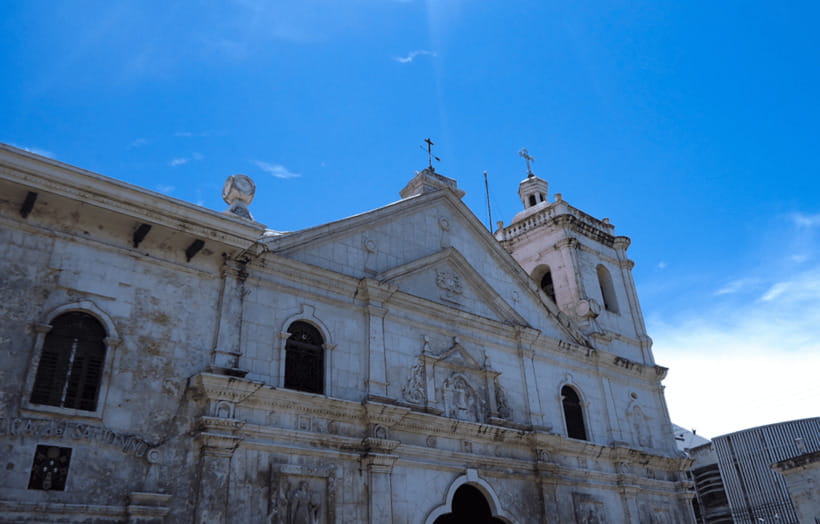
The day starts in Cebu, where the Basilica Minore del Santo Niño gives you the clearest introduction to the island’s Catholic past. It is recognized as the oldest Catholic church in the Philippines, and the short guided visit lets you look at the building and understand why the Santo Niño devotion matters so much in Cebu.
You have about 15 minutes here, so treat this as a focused orientation rather than a long church visit. Dress and behave respectfully, since this remains an active place of worship. Access or reception at the basilica is not included, so confirm the current charge before you go.
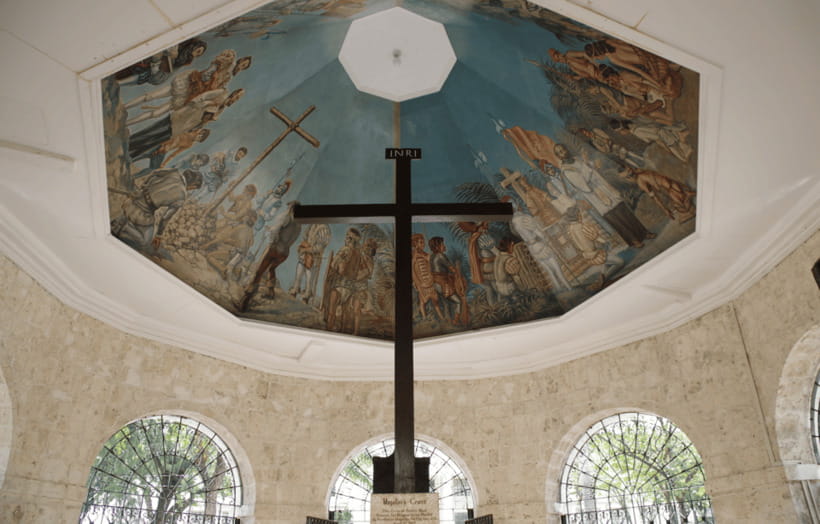
Next comes Magellan’s Cross, one of Cebu’s most familiar symbols. The landmark connects the arrival of Christianity with the island’s early Spanish contact, but the stop works best when you see it as part of a complicated encounter between local communities and foreign powers, not as an isolated photo opportunity.
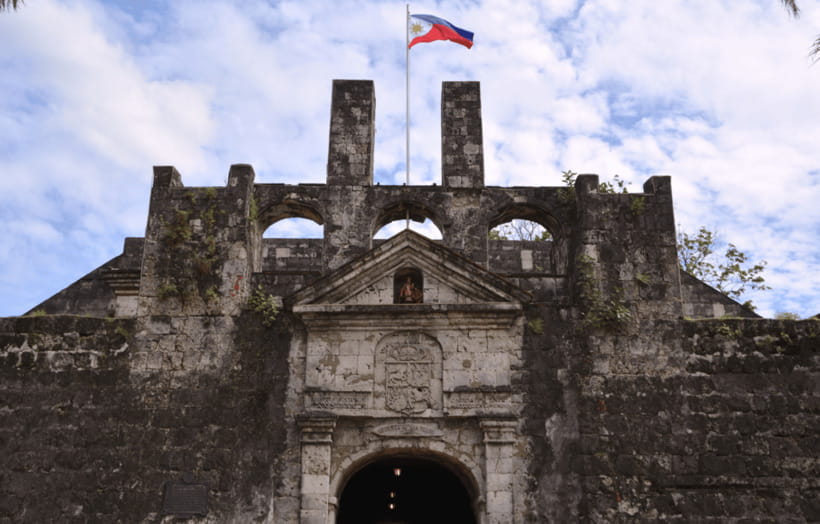
Another short guided stop follows at Fort San Pedro. This compact colonial fort is the oldest in the country, and its walls and artifacts help explain Cebu’s role as a military and trading center. You can expect a quick walk through the grounds rather than a slow museum visit. Admission is separate.
The order gives you a useful progression: faith, first contact, then defense. I like that the driver or guide can connect these locations, since the meaning of each one is easier to grasp when you see them together. If you want detailed historical discussion at every stop, request the accredited guide for P2,500. The included service is described as a skilled driver with English support, not automatically a full licensed guide.
A few more Cebu day trips to weigh up
- Cebu Moalboal: Kawasan Canyoneering Adventure with Lunch
★ 4.9 · 630 reviews - Cebu City: Bohol Countryside Tour with Loboc Cruise Lunch
★ 4.5 · 488 reviews - Canyoneering Experience in Kawasan Falls with Lunch
★ 5.0 · 440 reviews
Cebu’s carved past and one of its oldest homes
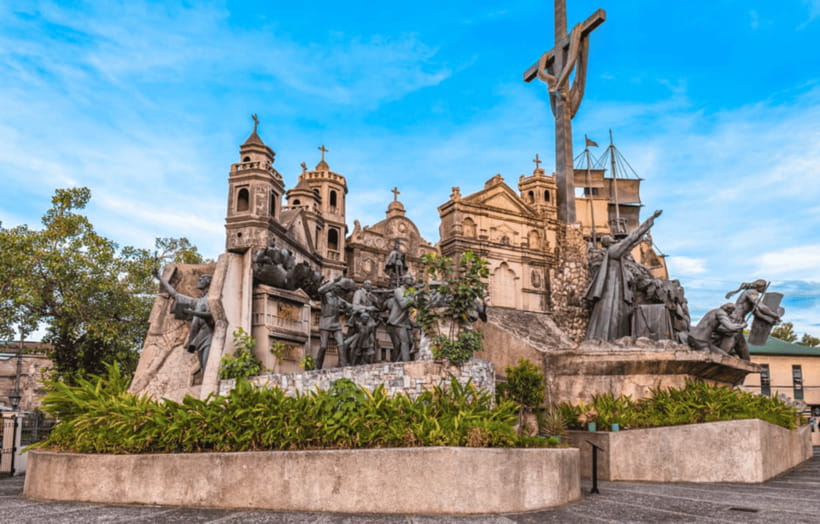
The Heritage of Cebu Monument is a striking sculpture made up of figures and scenes from important moments in Cebu’s past. It is a good stop for visual learners. Instead of reading a long timeline, you see key events presented in one large work.
Allow yourself a close look at the figures and details, even though the scheduled stop is short. Entry or access is not included, and the amount of time on site may feel tight if you want to study the sculpture carefully or take several photographs.
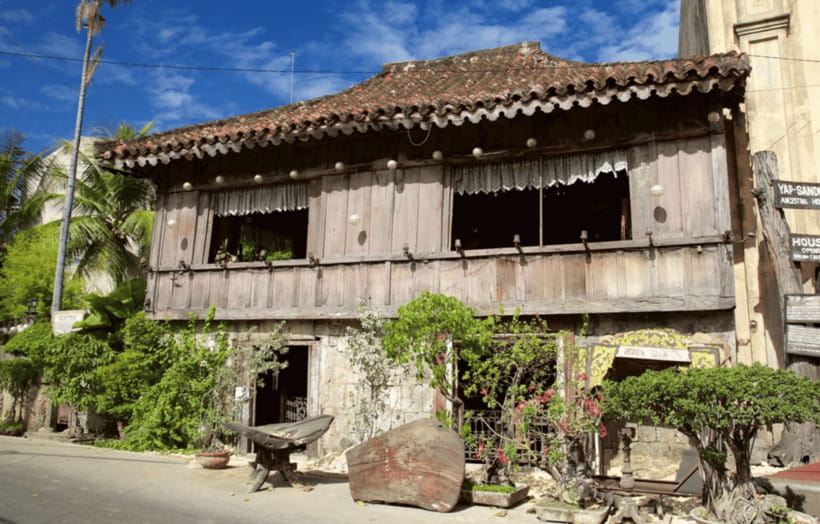
The nearby Yap-Sandiego Ancestral House shifts the focus from public events to domestic life. This preserved home is among the oldest in the Philippines, giving you a sense of how an early Cebuano household was arranged and furnished. Old houses often tell history through small details, and this one can make the past feel more personal than a monument or fort.
The 15-minute plan means you will probably get a quick guided look rather than a leisurely house visit. Still, I consider this one of the more useful stops because it adds daily life to the church, fort, and monument sequence. Admission is extra, so include it in your spending plan.
The Taoist Temple and a quiet change of pace
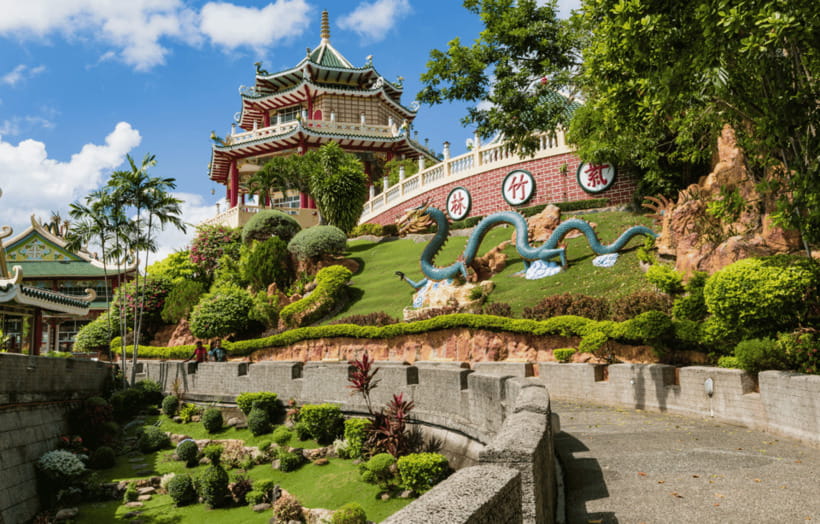
The Cebu Taoist Temple offers a different view of the city’s cultural life. Its architecture and setting reflect Chinese influence in Cebu, and the temple provides a calm pause after the crowded historical center.
You’ll also get views from the temple area, which makes the stop more than a religious site visit. Follow any posted rules about photography and conduct, and remember that this is a functioning place of worship. Access is not included.
This is one place where the tour’s short timing can work in your favor. You can see the main features, take in the setting, and continue without turning the day into a lengthy temple circuit. If you prefer slow exploration, however, the schedule may feel rushed.
Alegre Guitars: a hands-on look at Cebu craft
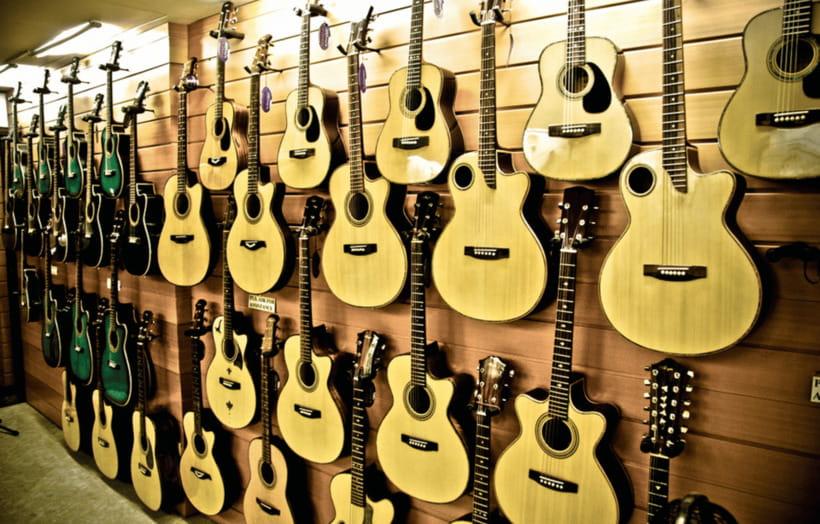
At Alegre Guitar Factory, you can watch skilled makers produce guitars and see the care that goes into a finished instrument. This stop adds a practical, local craft element that many sightseeing routes miss.
You may also find an instrument to buy as a special souvenir. That gives the visit a useful purpose, even if you are not a musician. A guitar is easier to remember than another generic trinket, though you should consider how you would transport it before purchasing.
The cost information says getting in or out of the factory is not included. That wording means you should clarify the exact arrangement before departure. The stop is still worthwhile for anyone interested in Filipino workmanship, musical traditions, or objects made locally rather than mass-produced.
Same island, a completely different kind of day:
- Cebu City: Whale Shark Swimming & Kawasan Falls Canyoneering
★ 4.7 · 665 reviews - Cebu: Oslob Whale Sharks, Tumalog Falls & Sardine Snorkeling
★ 4.3 · 343 reviews - Cebu: Whale Shark Swim and Kawasan Canyoneering Tour
★ 4.6 · 318 reviews - Cebu: Oslob Whale Sharks, Moalboal Sardine Run & Turtles
★ 4.5 · 266 reviews
Crossing to Mactan and the story of Lapu-Lapu
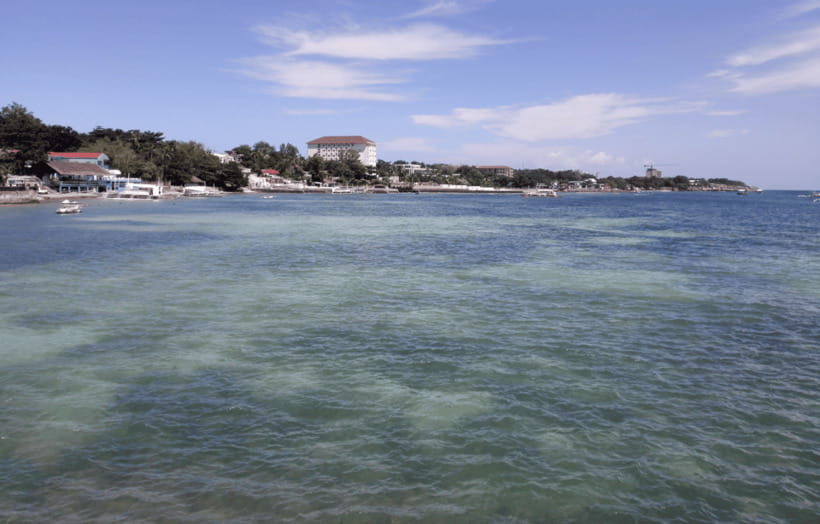
The Mactan Shrine takes you from Cebu’s Spanish contact story to the battle associated with Lapu-Lapu and Ferdinand Magellan. The site honors Lapu-Lapu, who is remembered for resisting Magellan’s forces. It is an important stop because it gives local resistance a central place in the story.
The visit also links the two parts of the day. Cebu introduced the arrival of Christianity and Spanish influence, while Lapu-Lapu City brings you to the event that challenged that advance. The stop is not just another monument for a quick photograph. It helps you understand why Lapu-Lapu remains such a significant national figure.
The supplied schedule gives roughly 15 minutes here. That is enough for a basic visit and photographs, but not an extended historical talk. If this is the part of Philippine history you most want to understand, ask for the accredited guide rather than relying only on the driver.
Temple of Leah and the hill roads above Cebu
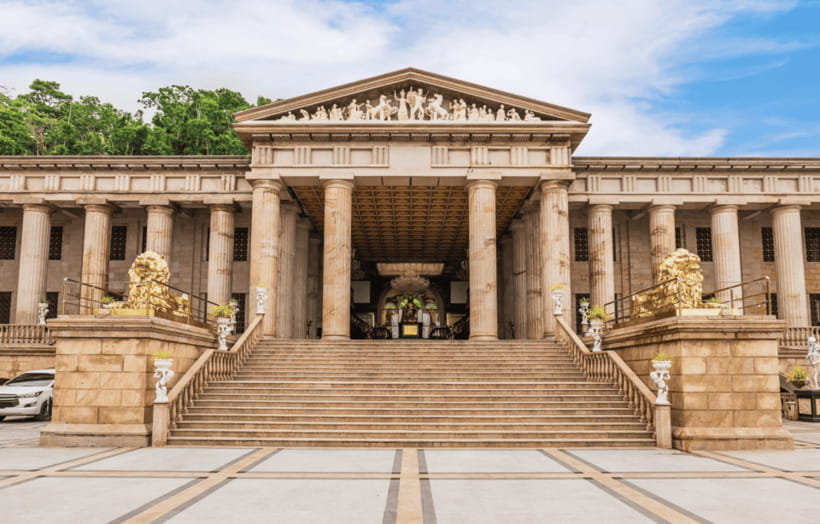
Temple of Leah is a large memorial built as a tribute to love, with elaborate architecture and gardens. It feels very different from the older churches, fort, and ancestral house. Expect grand decorative details and plenty of photo opportunities rather than a conventional historic building.
The stop may appeal most if you enjoy ornate architecture and staged settings. It may appeal less if you prefer modest, original historic sites. Admission is not included, and 15 minutes is a brief amount of time for a place designed to reward looking around.
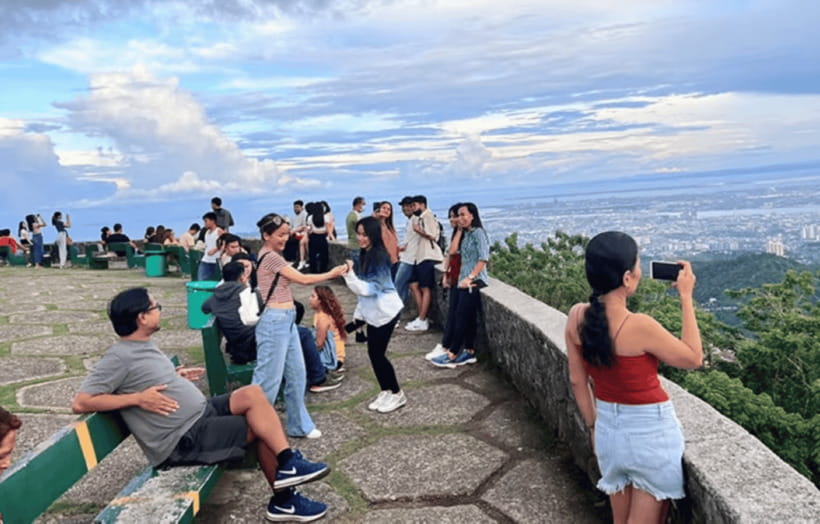
The route then reaches Tops Lookout, where you can see Cebu City and the surrounding islands from above. This is the day’s big open view, and it gives you a needed sense of how the city spreads between the hills and the water.
Weather matters here. Clear conditions should give you the best views, while cloud or haze can reduce what you see. Even with less-than-perfect weather, the stop breaks up the indoor and built-site visits. Tops Lookout also has a separate entrance charge, so keep extra cash available.
Sirao Pictorial Garden: the colorful final stop
Sirao Pictorial Garden and Camping Site closes the sightseeing portion with flower displays and photo settings. It is designed for pictures, so expect arranged floral scenes rather than a wild botanical garden.
I like the change of mood. After churches, forts, monuments, and memorials, you can simply walk, look, and take photographs. The garden is especially useful for families and anyone who wants a lighter finish to a history-heavy day.
The scheduled visit is again about 15 minutes, and entry is extra. That is enough for a quick circuit but may not satisfy you if you want to explore every display. Ask about the exact fee and available time before entering.
House of Lechon makes lunch part of the plan
Lunch at House of Lechon is included as a plated meal valued at P500 per person. That is a practical benefit, since a nine-hour route leaves little time to search for a restaurant between stops. Cebu is closely associated with lechon, so this meal also gives you a chance to try one of the island’s best-known specialties.
The allowance is per person, and you are responsible for leftovers. That detail matters if you are traveling with children, have a small appetite, or plan to share dishes. The supplied information does not specify the exact menu, so ask what the plated lunch includes if you have dietary concerns.
The $168 price needs to be read carefully. It covers personal transport, taxes and fees, the driver, hotel transfers in the listed areas, same-day airport transportation, and the P500 lunch. It does not cover most attraction admissions, bottled water, or the optional accredited guide.
That can still be fair value if you want a private vehicle and a driver handling a wide route. A self-planned day would require arranging transport between central Cebu, the hills, and Mactan, while also keeping track of opening times and parking. On the other hand, the price is less attractive if you expect every entrance fee and a full-time licensed guide to be included.
Why the transport and service matter
The pickup area covers Cebu City, Mandaue, and Lapu-Lapu City. Same-day airport transportation is also complimentary, which can help if you are fitting the tour around a flight or hotel change. Confirm the timing carefully, since a nine-hour excursion plus airport transfer leaves little margin for delays.
The experience uses personal conveyance and a skilled driver. This is the main practical advantage. You avoid piecing together taxis or public transport for a route that reaches both city sites and hilltop attractions.
The included English service gives you a way to ask questions and keep the day moving. If you want formal interpretation at every stop, add the Department of Tourism accredited guide for P2,500 for the whole day. That extra cost could be worthwhile for history-focused visitors, especially at the basilica, Fort San Pedro, the Heritage of Cebu Monument, and Mactan Shrine.
The service also appears to have a personal touch. The guide on the day may help take photographs, and the available feedback specifically praises the patience shown at each stop. That is useful when you are traveling with family or want group pictures without handing your phone to strangers.
The pace, timing, and practical tradeoffs
Nine hours sounds generous until you count the stops. The route lists eleven main attractions, with about 15 minutes at each, plus driving, lunch, and the return to Cebu. You will see a lot, but this is a highlights tour, not a slow study of each place.
I would book it if you want a broad first look and do not want to manage transport. You should think twice if you already know that you prefer spending an hour or more at museums, churches, or historic houses.
Bring bottled water, since it is not included. Wear comfortable shoes and clothing suitable for religious sites. Keep some money available for admission fees, and ask ahead about the current charges because the supplied details do not list individual prices.
The route includes both indoor and outdoor visits, so sun protection can help at the monuments, gardens, and hilltop viewpoints. At Sirao and Tops, weather can affect the experience. The reward is a varied day, but the tradeoff is that the schedule cannot guarantee ideal conditions at every outdoor stop.
Free cancellation is available up to 24 hours before the activity for a full refund, and you can reserve now and pay later. Those terms are helpful if your Cebu plans are still shifting.
Who should book this Cebu tour?
This experience suits first-time visitors who want the main cultural sights without arranging several separate rides. It also fits families, mixed-age groups, and anyone who values hotel pickup, a fixed route, lunch, and help with photographs.
History-minded visitors should strongly consider the optional accredited guide. The driver can keep the route practical, but a licensed guide should add more context to the church, fort, ancestral house, and Mactan Shrine.
Photographers will like the combination of old buildings, carved monuments, hill views, Temple of Leah, and Sirao’s flower displays. Music fans have a good reason to keep Alegre Guitars on the route.
The tour is less suitable for anyone who wants a relaxed, single-theme day. You will not have much time to linger, shop, or return to a favorite site. Think of it as a well-packed introduction to Cebu and Lapu-Lapu City, with the option to come back later for the places that catch your interest.
Should you book it?
Book this tour if your priority is coverage and convenience. You get churches, colonial sites, ancestral culture, Chinese heritage, guitar-making, Lapu-Lapu history, mountain views, gardens, lunch, and transport in one day.
Before paying, confirm the full admission budget and decide if you want the P2,500 accredited guide. If you accept the quick pace and extra entrance fees, the route offers a strong way to get your bearings and see Cebu’s main contrasts. If you want depth, choose fewer sites on a private custom day instead.
FAQ
How long does the Cebu and Lapu-Lapu City tour last?
The tour lasts nine hours, including pickup, sightseeing, lunch, and the return to Cebu.
Where does pickup and drop-off take place?
Complimentary hotel pickup and drop-off are available in Mandaue, Lapu-Lapu City, and Cebu City.
Is airport transportation included?
Yes. Complimentary airport transportation is available on the same day as the tour.
Is lunch included?
Yes. The tour includes a plated lunch at House of Lechon valued at P500 per person.
Are leftovers from lunch covered?
No. You are responsible for any leftovers from the included meal.
Is a tour guide included?
The service includes a skilled driver and English service. A Department of Tourism accredited guide is available upon request for P2,500 for the whole day.
What language is available?
The available tour language is English.
Are attraction entrance fees included?
No. Admission or access charges for many stops are separate, including the basilica, Magellan’s Cross, Fort San Pedro, the Cebu Heritage Monument, Yap-Sandiego Ancestral House, Taoist Temple, Temple of Leah, Tops Lookout, and Sirao Pictorial Garden.
Is bottled water included?
No. Bottled water is not included, so you should arrange your own.
Can I cancel the tour?
You can cancel up to 24 hours in advance for a full refund. You can also reserve now and pay later.
Just added around Cebu
- Kawasan Falls Canyoneering Transfers from Cebu with Lunch★ 5.0 · 3 reviews
- Cebu: Oslob Whale Shark, Simala Church & Ka Treasure Argao★ 4.8 · 3 reviews
- Cebu: Pescador Island, Sardines run and Kawasan Canyoneering★ 5.0 · 3 reviews
- Private Kawasan Falls Canyoneering w/ Lunch★ 5.0 · 3 reviews
- Cebu: Moalboal Snorkeling and Kawasan Falls Canyoneering★ 5.0 · 3 reviews
- Cebu: Mantayupan Falls, Hermit’s Cove & Bojo River Eco Tour★ 4.8 · 3 reviews
- Whale Shark Swimming, Tumalog Falls and Kawasan Canyoneering★ 3.5 · 3 reviews
- Cebu: Inambakan, Kawasan, and Mantayupan Waterfalls Tour★ 3.7 · 3 reviews
Cebu Tours, compared.

Cebu City: Whale Shark Swimming & Kawasan Falls Canyoneering
Read our review →
Cebu Moalboal: Kawasan Canyoneering Adventure with Lunch
Read our review →
Cebu City: Bohol Countryside Tour with Loboc Cruise Lunch
Read our review →
Canyoneering Experience in Kawasan Falls with Lunch
Read our review →
Cebu: Oslob Whale Sharks, Tumalog Falls & Sardine Snorkeling
Read our review →
Cebu: Whale Shark Swim and Kawasan Canyoneering Tour
Read our review →
Cebu: Oslob Whale Sharks, Moalboal Sardine Run & Turtles
Read our review →
Cebu: Kawasan Falls Canyoneering Tour with Ziplining & Lunch
Read our review →Browse the lists this tour appears in