
Reviewed · BOHOL TOURS
From Tagbilaran City/Panglao Island: Bohol Mangrove Kayaking
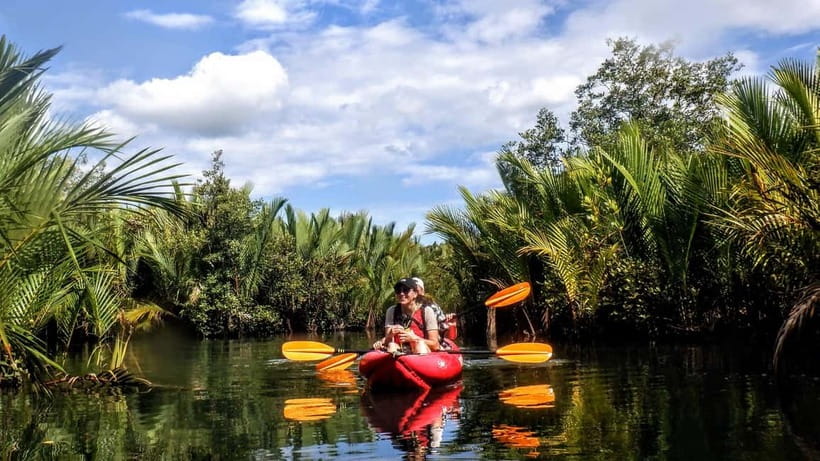
The best part of this Bohol outing is simple: you are the one moving through the river. Your kayak slips into narrow mangrove passages, where roots reach into the water and the usual island traffic feels far away. I like the small-group, low-noise setting, and I like that local guides such as Vince and Jeremy explain the plants, birds, crab holes, and river communities as you go.
The other big plus is the conservation angle. This is not a motorboat ride with a quick photo stop. You receive a lesson, paddle for yourself, and use a protected waterway that supports local conservation work. The main consideration is the roughly one-hour drive from Panglao, plus up to two hours of actual paddling. That may feel short if you expected a full-day river trip.
Key points at a glance
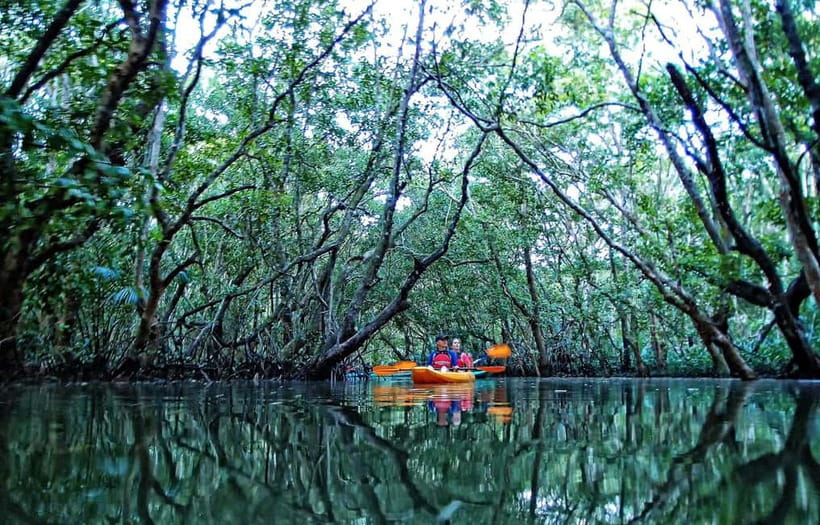
- Paddle through real mangrove tunnels: Narrow waterways lead from the Abatan River into quiet sections of flooded forest.
- Local guides make the difference: Guides including Vince and Jeremy explain the ecosystem, local culture, and changes brought by typhoons.
- A calm, non-motorized experience: You hear paddles, birds, and water rather than engines or loud tour commentary.
- Useful for first-time kayakers: Safety instructions and a basic lesson come before you head out.
- A practical five-hour package: Transport, equipment, food, drinks, lockers, changing rooms, and water refills are included.
- Good conservation value: The river supports 32 mangrove species, including the endangered Camptostemon philippinense.
Why the Abatan River is worth your time
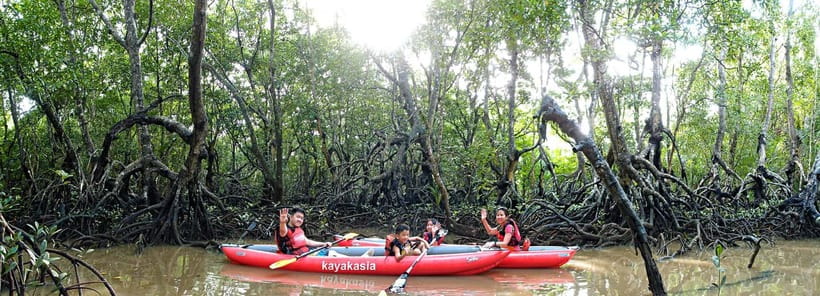
Bohol is famous for beaches, diving, the Chocolate Hills, and the tiny tarsier. Those sights have their place, but the Abatan River gives you a different picture of the island. Here, the focus is not on a landmark. It is on a living water system.
The river passes through ancient flooded forest and mangrove habitat. These trees hold soil in place, reduce coastal erosion, shelter young fish, and store carbon. That may sound like a science lesson, but it becomes easier to understand when you are close to the roots and mud. Your guide can point out how the trees grow in wet ground and why the river matters to nearby communities.
The route also has a strong sense of quiet. You are not sitting behind a windscreen while someone else does the work. You steer, paddle, and adjust to the changing shape of the waterway. The effort is modest, but it keeps you alert. A heron overhead or a crab hole in the mud becomes part of the trip because you have time to notice it.
The experience is described as having limited places and small groups. That matters here. Mangroves are easily damaged by noise, wakes, and heavy foot traffic. A smaller outing also gives you more room to ask questions and more time to stop when the guide spots something interesting.
A few more Bohol day trips to weigh up
- Bohol: SUSTAINABLE Mangrove Tunnels & Firefly Kayaking trail
★ 5.0 · 26 reviews - Bohol: Abatan River Firefly Kayaking Eco-Tour
★ 5.0 · 6 reviews - El Nido: Big Lagoon Kayaking & Island Adventure
★ 4.4 · 132 reviews
From Panglao or Tagbilaran to the river station
Round-trip transport is included from resorts in Panglao Island or Tagbilaran City. The drive takes about 15 minutes from Tagbilaran City and about one hour from Panglao. The travel time from Panglao is worth considering when you plan your day, especially if you are staying near the far end of the island.
The journey is part of a half-day schedule rather than a quick activity squeezed between beach visits. The total duration is five hours, with about 30 minutes shown for the van transfer in the core schedule and a stated drive of roughly one hour from Panglao. In practical terms, allow the full five-hour booking window and follow the pickup time supplied after booking.
Transport adds real value at $64 per person. You do not need to arrange a taxi to a rural river station, find parking, or sort out separate equipment rental. It also makes this a simpler choice for visitors who want an organized nature outing without building the day around local transfers.
Getting ready: safety, gear, and the first paddle
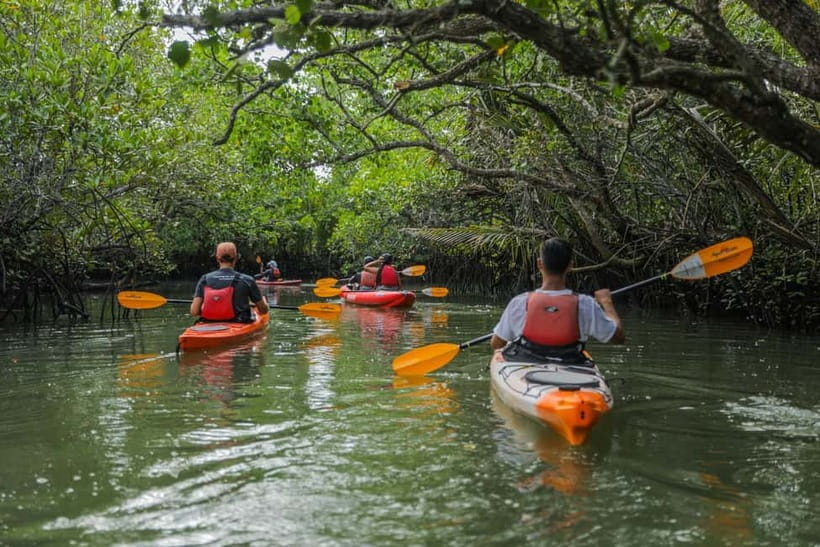
At the river station, you receive kayak equipment, safety instructions, and a basic kayaking lesson. This is important for beginners. A kayak responds better when you make small, steady movements, and a short lesson helps you get comfortable before entering the narrow channels.
The experience is suitable for beginners, but it is still active. You will paddle for as much as two hours, so expect repeated arm and shoulder movement rather than a passive boat ride. Wear clothes you can move in and bring swimwear in case you get splashed. Sunscreen and insect repellent are sensible choices for a wet forest environment.
Lockers, a washroom, and changing rooms are included. Those facilities make the outing easier to manage, particularly if you have other plans later in the day. Water refills are also provided, and food and drinks are included during and after the kayaking.
The activity is not suitable for children under six, people with mobility impairments, or non-swimmers. The supplied information does not give a minimum kayaking skill level, so beginners can join, but you should be comfortable being on the water and following the safety briefing.
Entering the mangrove tunnels
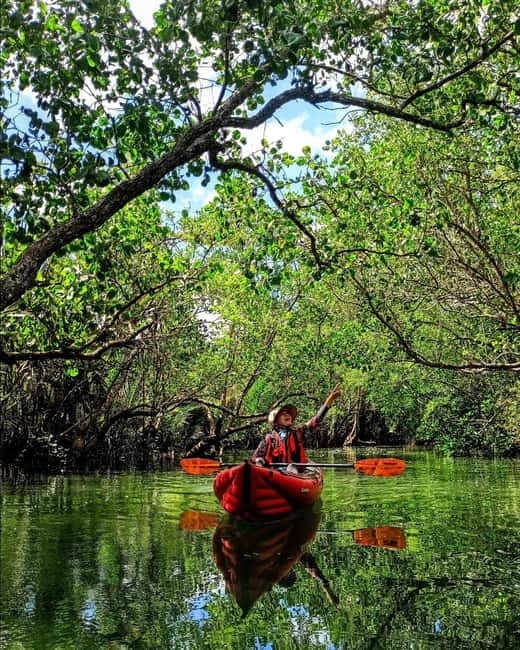
The route begins on the Abatan River before moving into the mangrove corridors. These passages can feel like natural side streets, with roots, branches, and shifting water guiding your attention. Some lead into quieter parts of the forest. Others return to wider river sections where the guide talks about local life and the river community.
This is where the trip earns its place on a Bohol itinerary. You are not simply looking at mangroves from a platform. You are moving between them at water level. The perspective changes as the kayak turns, and the narrow channels make the forest feel close without requiring a long walk through mud.
The route is also a good match for people who prefer nature at a gentle pace. The guide can stop to explain plants or point out wildlife, and the experience is not built around rushing from one checkpoint to the next. Vince, one of the guides, is noted for taking many pictures and allowing plenty of time. Jeremy is praised for his background in the environment. Those details suggest that guide quality is central to the outing, not an extra feature.
You might see birds, mangrove plants, and signs of small animals such as crabs. The exact wildlife will vary, so do not book this as a guaranteed birding trip. Book it for the chance to watch a working ecosystem closely, with someone who can help you understand what you are seeing.
Same island, a completely different kind of day:
- Bohol: Premium Chocolate Hills, Tarsiers & River Experience
★ 4.7 · 804 reviews - Bohol: Boat Tour to Sandbar and Snorkeling with Turtles
★ 4.3 · 186 reviews - Bohol: Chocolate Hills and Countryside Tour
★ 4.6 · 175 reviews - Bohol: Dolphin Watching & Sea Turtle Swim Island Tour
★ 4.2 · 159 reviews
The conservation story behind the roots
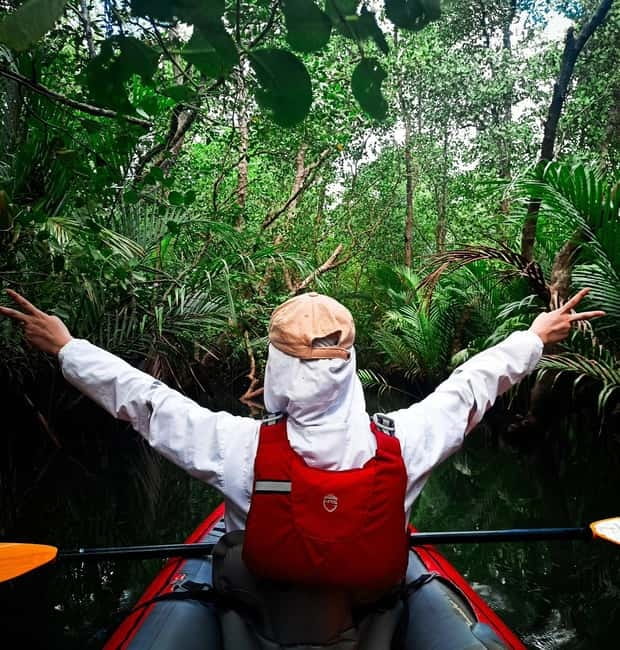
The Abatan River mangroves are more than attractive scenery. The area contains 32 mangrove species, including the endangered Camptostemon philippinense. Such variety matters because mangroves provide different forms of shelter and support across tidal and river environments.
Your guide also discusses the effects of typhoons and how mangroves help protect the area. The trees can soften wave energy, hold sediment, and create nursery habitat for fish. They do not make communities immune to storms, but they are a natural line of defense.
The experience is run with help from local paddlers and the river community. River usage and community fees are included in the price, so your booking contributes to the local structure that supports the activity. That does not turn a kayak trip into a conservation project by itself, but it gives the protected area economic value without adding motor traffic.
I appreciate the direct connection between the activity and the place. You learn why the trees matter while traveling through them. For a visitor, that is more useful than hearing a short environmental speech at the end of a standard sightseeing route.
A two-hour water experience, not an all-day expedition
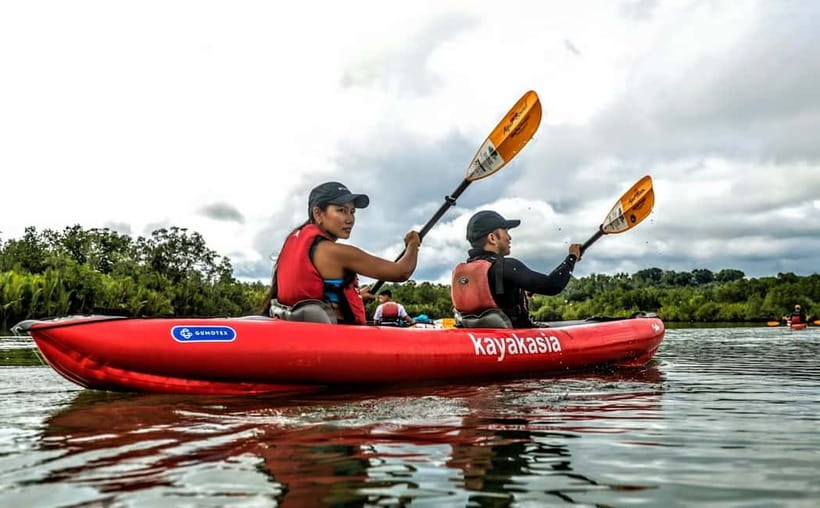
The maximum water time is two hours. That is enough for a proper paddle through the tunnels, with room for wildlife viewing and stops, but it is not a full-day kayaking challenge.
This limit can be a benefit. You get the quiet and exercise of kayaking without committing to a tiring expedition. It also leaves time for transport, instruction, food, and changing. If you want long-distance paddling or several hours of continuous time on the river, this outing may feel too brief.
One booking described the paddle as about seven kilometers and praised the unhurried pace. That gives you a useful sense of the outing, though the exact distance can depend on conditions and the route used that day. The key point is that the trip covers meaningful water rather than just circling near the launch area.
You should expect calm scenic travel, not whitewater. The supplied details focus on mangrove corridors, wildlife, local culture, and quiet river sections. There is no mention of rapids or technical kayaking, which fits the beginner-friendly design.
Food, drinks, and the return to the station
Local snacks are served after the river portion, and food and drinks are included during and after the kayaking. The meal is more than a token refreshment. The available details describe it as tasty and sufficient, which matters after paddling and traveling from the coast.
You should still bring water for personal comfort, even though refills are available. Sunscreen, insect repellent, comfortable clothes, a camera, and swimwear belong in your day bag. Protect your camera from splashes, since kayaking puts you close to the water and the route may pass under or beside branches.
After the food, you can use the washroom and changing rooms before the return drive. The arrangement keeps the experience self-contained. You do not need to leave the river station wet, hungry, or searching for a place to change.
Is $64 per person good value?
At $64, this is not the cheapest way to spend a morning in Bohol. The value comes from what is bundled into the price: round-trip transport, kayak and safety gear, instruction, a professional guide, river and community fees, snacks, food, drinks, water refills, lockers, washroom access, and changing rooms.
If you are already staying near the Abatan River and own kayaking gear, you could possibly spend less with a simpler rental. But most visitors from Panglao would still need transport, equipment, and a guide. The included transfers are especially useful because the river is away from the main resort strip.
The price also pays for a guided route through waterways you would not easily understand on your own. The tunnels can be confusing, and the value of the guide is not just steering you in the right direction. It is the explanation of the ecosystem, the local culture, the storm damage, and the conservation work.
I would call the price fair for a half-day activity with a meal and transport, particularly if you want a quieter experience instead of another crowded attraction. It is less compelling if your budget is tight or if you are looking for a long, physically demanding kayak day.
Who should book this river trip?
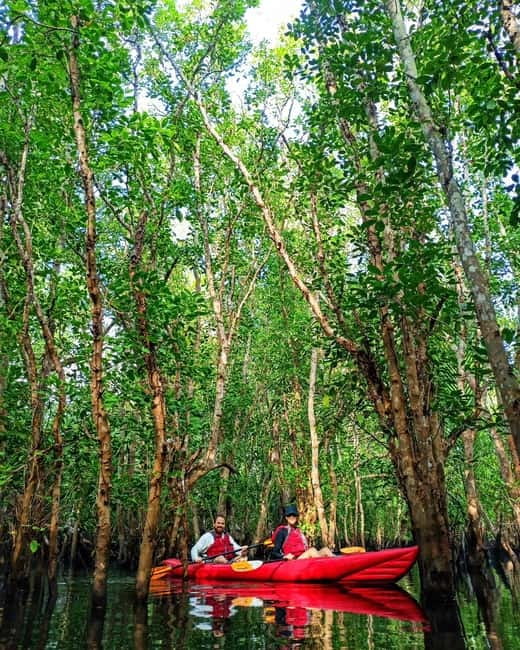
I would recommend it to you if you want:
- A quieter alternative to Bohol’s busiest attractions
- A hands-on nature activity rather than a sightseeing ride
- A beginner-friendly kayak experience with instruction
- Local environmental and cultural context
- A half-day outing with transport and food included
- A low-impact activity that supports a river community
It suits couples, solo visitors, and small groups who enjoy being outdoors without needing advanced skills. It also works well for anyone who has already seen the main Bohol sights and wants a closer look at the island’s waterways.
I would pause before booking if you dislike getting wet, cannot swim, have limited mobility, or do not enjoy repetitive paddling. The trip is gentle, but it is still a physical activity. You should also allow extra time if you are staying in Panglao, since the drive to the river takes about an hour.
Cancellation is free up to 24 hours before the activity, and you can reserve now and pay later. Starting times vary, so check availability for your preferred date.
Should you book the Bohol Mangrove Kayaking experience?
Book it if you want to see a less polished, more natural side of Bohol and you like the idea of earning your views with a paddle. The strongest parts are the quiet mangrove tunnels, the local guides, and the chance to understand why this river habitat matters.
This is not the right pick for a fast sightseeing checklist or a long-distance kayaking workout. It is a calm, guided nature outing with about two hours on the water and a useful amount of support around it.
For me, the deciding detail is the combination of real participation and real local context. You steer the kayak, but you also learn what the roots do, how storms affect the community, and why protecting the river has value. If that sounds better than another crowded photo stop, $64 is a reasonable price for this half-day slice of Bohol.
FAQ
How long does the Bohol mangrove kayaking activity last?
The full activity lasts five hours. The maximum time on the water is two hours, with the rest covering transport, preparation, food, and time at the river station.
Where does pickup take place?
Round-trip transport is provided from resorts in Panglao Island or Tagbilaran City.
How long is the drive to the Abatan River?
The drive takes about 15 minutes from Tagbilaran City and about one hour from Panglao. The provided schedule also includes a van transfer period before reaching the river.
Is kayaking experience required?
No. The activity includes a basic kayaking lesson and safety briefing before you begin, and it is suitable for beginners.
What languages does the guide speak?
Live guides are available in English and Tagalog.
What is included in the price?
The $64 price includes round-trip transport from Panglao or Tagbilaran, kayak equipment, instruction, a professional guide, river and community fees, food, drinks, local snacks, water refills, lockers, a washroom, and changing rooms.
Who cannot join the activity?
The experience is not suitable for children under six, people with mobility impairments, or non-swimmers.
Just added around Bohol
- 2025 Tarsier, Waterfalls & Chocolate Hills Tour★ 5.0 · 3 reviews
- Bohol: Chocolate Hills, Loboc River, and Tarsier Tour★ 4.1 · 3 reviews
- Panglao: Helmet Diving Experience with Photos and Videos★ 5.0 · 3 reviews
- Bohol: Panglao Island Hopping Tour with Snorkeling (Private)★ 3.3 · 3 reviews
- Bohol: Chocolate Hills Tour★ 3.3 · 3 reviews
- Bohol: Dolphin Watching & Snorkeling at Balicasag Island★ 3.0 · 4 reviews
- Panglao’s Best Hinagdanan Cave, Bee Farm, Mirror of the World★ 5.0 · 4 reviews
- Bohol Airport or Tagbilaran Seaport Private Transfer (one-way)★ 5.0 · 4 reviews
Bohol Tours, compared.
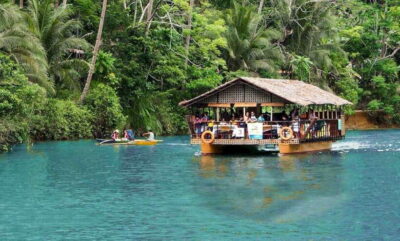
Bohol: Premium Chocolate Hills, Tarsiers & River Experience
Read our review →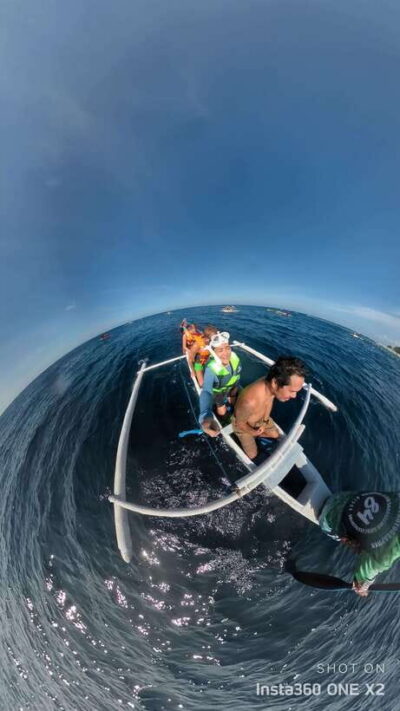
Bohol: Boat Tour to Sandbar and Snorkeling with Turtles
Read our review →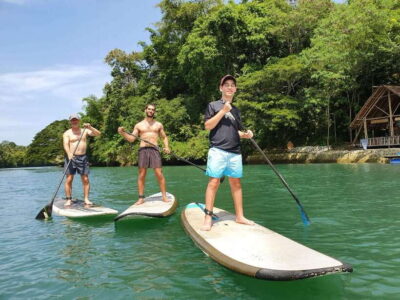
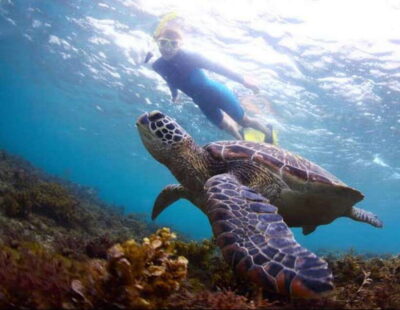
Bohol: Dolphin Watching & Sea Turtle Swim Island Tour
Read our review →
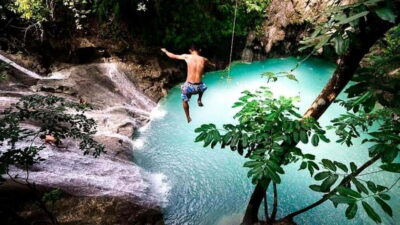
Bohol: Waterfall Hopping & Secret Jungle Trails Guided Tour
Read our review →
Chocolate hills tour with Tarsier & Loboc river Buffet Lunch (half-day tour)
Read our review →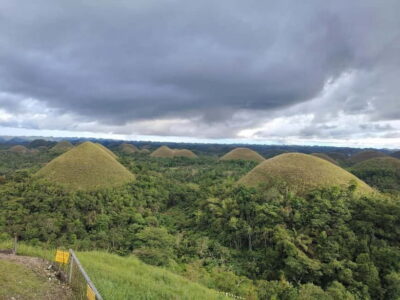
Bohol: Chocolate Hills, Tarsiers and Loboc River Day Tour
Read our review →Browse the lists this tour appears in