
Reviewed · MANILA TOURS
Manila: Intramuros, Old and New
Manila’s story comes into focus inside Intramuros, the old walled city where forts, churches, watchtowers, and wartime scars sit within a compact area. This private four-hour tour then connects that Spanish-era center with modern Makati, Manila Bay, Binondo, and the city’s changing business districts.
I like the private format, which gives your guide room to answer questions and adjust the pace. I also like that guide Marvin handles both the driving and the storytelling, a useful combination in a sprawling city where traffic can eat up time. The main drawback is the packed schedule: four hours is enough for a strong overview, but not enough for slow museum visits or long stops at every place.
I also appreciate the practical touches: hotel pickup, English guiding, included entry to Intramuros sites, and free cancellation up to 24 hours before departure. Bring water, sunscreen, and sensible shoes, since the old city requires a moderate amount of walking and Manila’s heat can be tiring.
Key points at a glance
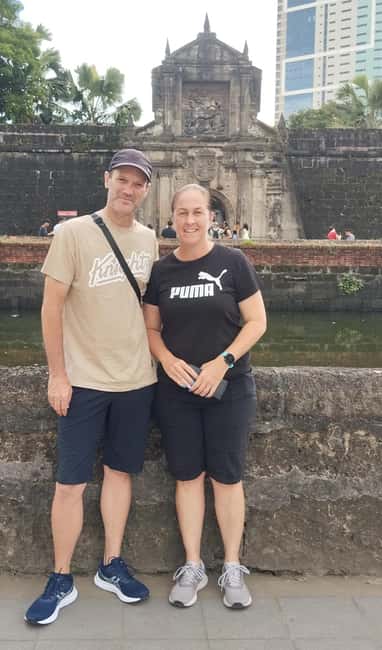
- Intramuros in one focused visit: See the old Spanish walled city, its defensive walls, forts, dungeons, and historic landmarks.
- Three important church and heritage stops: Visit San Agustin Church, Manila Cathedral, and Casa Manila.
- A private tour led by Marvin: Expect a flexible outing with a guide who also drives, answers questions, and adapts to your interests.
- Old Manila meets modern Makati: The route links colonial-era sites with the central business district and present-day city life.
- More than monuments: Pass Manila Bay and Binondo, the world’s first Chinatown, with a chance to shop for local handicrafts.
- Good for a first look: The tour covers a lot in four hours, though visitors wanting detailed museum time should plan a second visit.
Why Intramuros is the heart of the tour
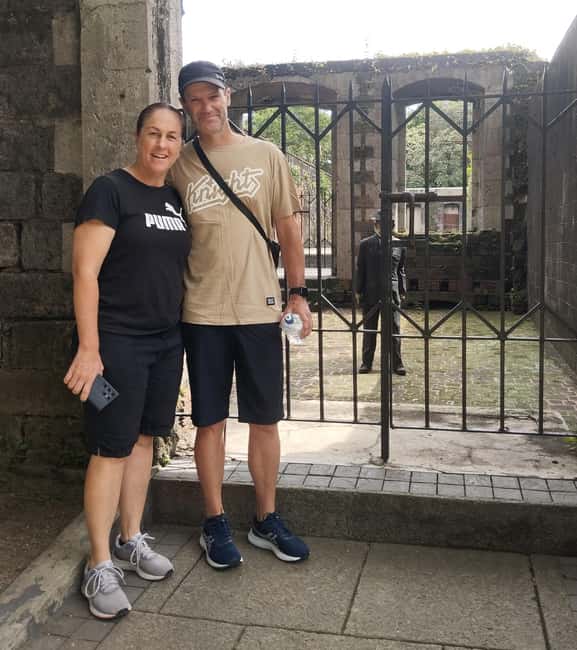
If you have only a short time in Manila, Intramuros gives you the clearest introduction to the city’s colonial past. The name means within the walls, and the old district remains defined by its stone defenses, gateways, forts, churches, and narrow streets.
The tour focuses on the physical remains of the old Spanish town rather than offering only a drive-by history lesson. You can expect to see the walls that protected the settlement, former military defenses, and dungeons connected with its defensive role. Baluarte De San Diego adds another layer, since this former watchtower looked toward Manila Bay and helped guard the city.
I find this part especially useful because Intramuros is easier to understand when someone explains how the pieces fit together. A wall can look like a wall, and a fort can look like a fort, but a guide can connect those structures to Manila’s growth, wars, religion, and trade.
The tradeoff is time. Intramuros contains more than can be covered properly in a single morning or afternoon, and the tour also includes several areas outside the old city. You will get a broad picture, not an exhaustive study of every fortification or street.
More walks through old Manila:
- Intramuros, Manila: Historical Bamboo Bike Tour
★ 4.8 · 583 reviews - Experience Intramuros with Bamboo Bicycle – Ecotours
★ 5.0 · 508 reviews - Manila: Intramuros, Chinatown, and Old Manila Half-Day Tour
★ 4.8 · 475 reviews
San Agustin Church and the city’s religious center
San Agustin Church is one of the most important stops. It is recognized as a UNESCO World Heritage Site and offers a direct look at the role of Catholic churches in Manila’s colonial development.
The building gives the tour a quieter, more reflective pause after the outdoor walking around the walls. You should allow time to look at the architecture and interior details rather than treating it as a quick photo stop. Flash photography is not allowed, so keep your camera ready for regular photography only and follow the church’s rules.
The tour also visits Manila Cathedral, described as the main church of the country. Seeing both churches helps you compare their roles within Intramuros. San Agustin connects strongly with the old Spanish settlement, while Manila Cathedral represents the country’s central Catholic institution.
These church stops are valuable even if you are not especially interested in religious buildings. They explain why Intramuros was not simply a military or government quarter. Faith, politics, daily life, and colonial power were closely tied together here.
Casa Manila: a recreated Spanish-era home
Casa Manila Museum changes the scale of the visit. Instead of looking at walls and large public buildings, you step into a replica of a traditional house from the Spanish period.
This is one of the more accessible stops for anyone curious about ordinary domestic life. Furnishings, rooms, and household arrangements can make the past feel more practical. You begin to picture how people lived, entertained, and organized their homes rather than only thinking about governors, soldiers, and churches.
Because Casa Manila is a recreation, it should not be treated as an untouched original residence. Its value is in showing the style and atmosphere of a period home in a way that a ruined wall cannot. I would pay attention to the contrast between the grand setting of Intramuros and the details of a private interior.
The museum is also a useful break from the sun. Still, the four-hour schedule means your visit may be fairly brief, especially if traffic slows the driving portions of the route.
Baluarte De San Diego and the old defenses
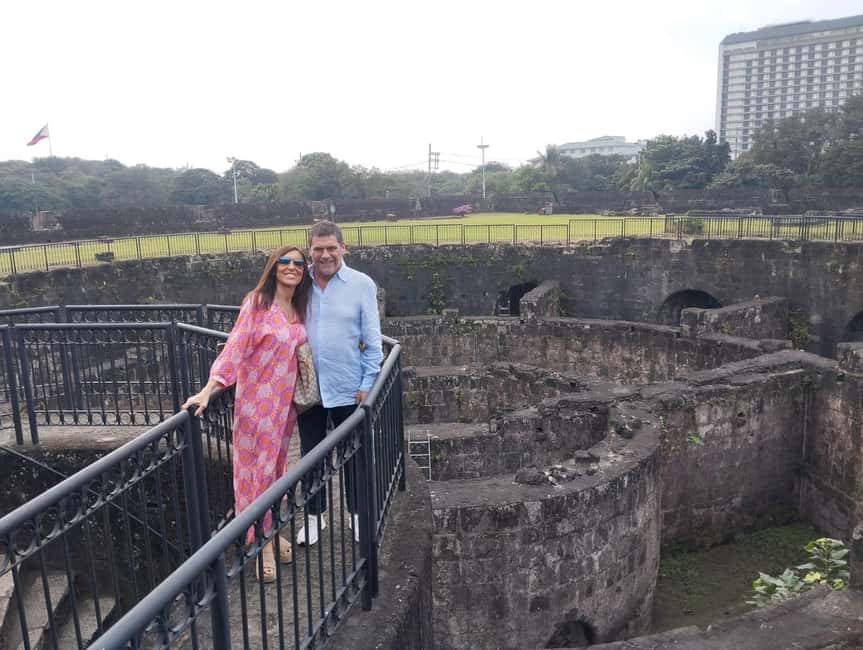
Baluarte De San Diego is the tour’s clearest military landmark. As a former watchtower overlooking Manila Bay, it shows how the city’s defenses were tied to its position beside the water.
The fortification area works best when you take a moment to imagine Manila as a guarded port. The walls were not decorative. They shaped movement through the old city and protected its important institutions.
You may also see dungeons and other defensive features connected with Intramuros. These details add weight to the visit, but they can be sobering. This is not just a pretty heritage district. The old city also carries reminders of imprisonment, conflict, and destruction.
Wear shoes with good support. The tour information calls for a moderate amount of walking, and outdoor stone surfaces can be uneven or warm. A hat, sunscreen, and your own water bottle are sensible additions, not optional extras on a sunny day.
A few more Manila day trips to weigh up
- Manila: Old & New 4-Hour City Tour
★ 4.5 · 458 reviews - Manila Food Tour: Introduction to Philippine Street Food
★ 5.0 · 417 reviews - Spectacular Manila to Tagaytay: Full-Day Sightseeing Tour
★ 5.0 · 349 reviews - Makati Nightlife: VIP Access to Clubs, Rooftops & Go-Go Bars
★ 4.9 · 278 reviews
Manila Bay, Binondo, and local shopping
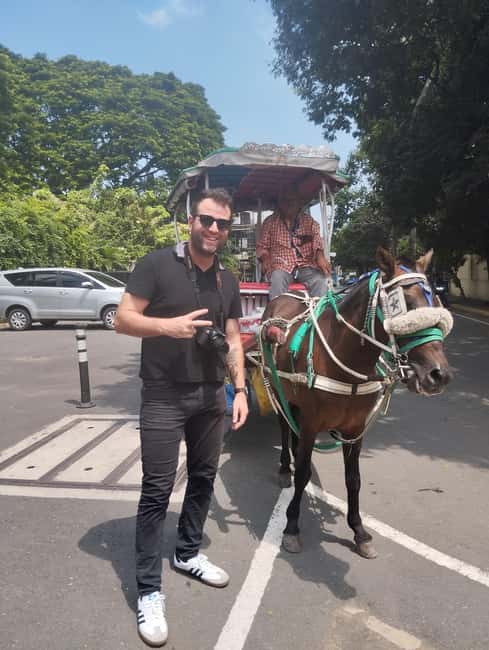
The route goes beyond Intramuros, which is important because Manila cannot be understood through its old walls alone. You pass Manila Bay and continue toward Binondo, known as the first Chinatown in the world.
The Binondo portion appears to be a pass-through and shopping opportunity rather than a long food tour or a dedicated Chinatown walk. You may have a chance to look at local handicrafts and souvenirs, including woodcarving, weaving, corals, pearls, and seashells.
I would treat this as a chance to browse, not a guaranteed shopping session. Meals, drinks, souvenirs, and personal purchases are not included, and the four-hour schedule may limit how long you can stop. If you want to buy something, ask your guide early about the timing so you do not lose one of the main historical visits.
This section adds useful variety. After churches and fortifications, you see places connected with commerce, migration, craft, and modern city life. It also gives you a chance to bring home something made or sold locally, though you should judge prices and quality for yourself.
Makati shows the other side of Manila
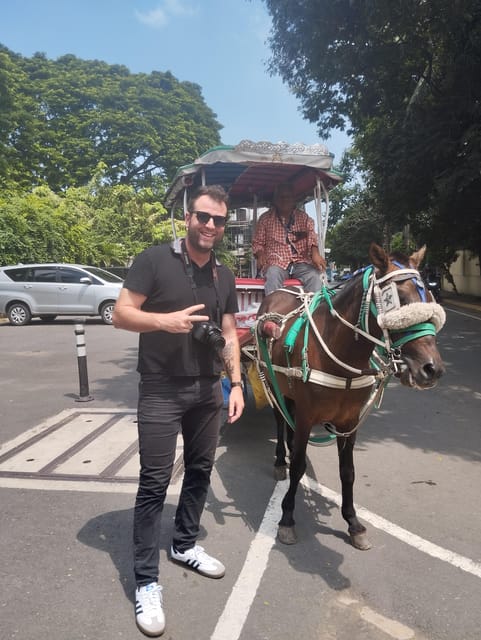
The tour finishes or passes through Makati City, Manila’s central business district. This is where the Old and New title makes sense.
Makati offers a sharp contrast with Intramuros. Instead of defensive walls and Spanish-era churches, you see the side of Manila shaped by offices, investment, retail, and modern development. One visitor specifically valued the chance to learn about investment in Manila alongside the old city’s past, and that contrast is one of the tour’s strongest ideas.
Do not expect Makati to receive the same amount of time as Intramuros. The heart of the outing is the old walled city, while Makati helps you place that history within the present-day capital. If shopping is a priority, mention it when booking or during pickup, since the tour also includes several major sights.
The changing scenery makes this a useful orientation tour. You move from the country’s colonial center to its modern commercial center, seeing how different eras occupy the same metropolitan area.
Marvin’s guiding style and the private format
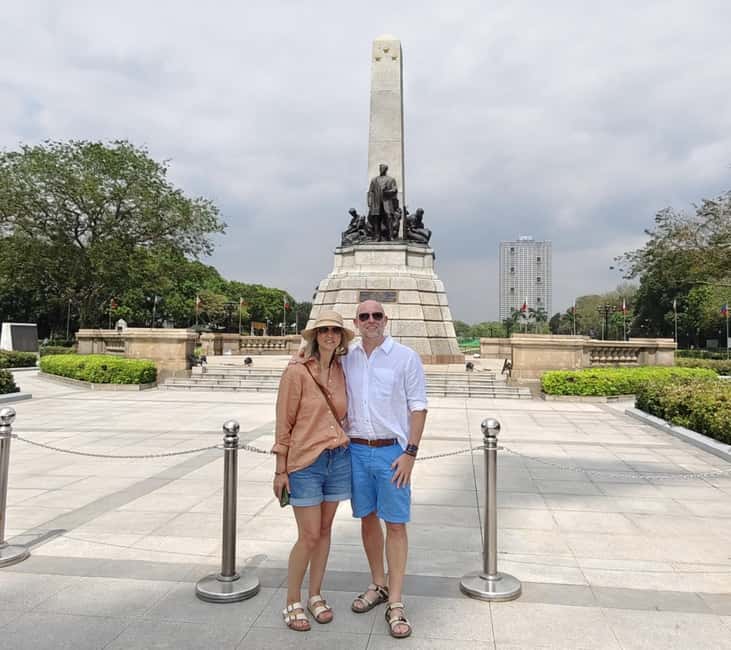
Guide Marvin receives the strongest praise from the people who have taken this outing. His useful qualities are clear: he explains dates and landmarks, drives through Manila traffic, answers questions patiently, and keeps the day relaxed.
Several people describe him as friendly, polite, caring, and flexible. He has also adjusted the experience for families with children and has taken personal interests into account when nearby additions were possible. One person valued hearing about his family and basketball interests, which suggests that the experience can include everyday Filipino perspectives alongside formal facts.
That personal approach matters on a private tour. You are not trying to hear a guide over a large group, and you can ask about customs, food, family life, or the city’s growth. The private group format also gives you a better chance to pause for a question or spend a little longer at a place that interests you.
The car is described as clean and comfortable, and hotel pickup is included. That is a real benefit in Manila, where getting between districts can be more tiring than expected. Still, traffic remains traffic. Even an excellent driver cannot guarantee that every stop will receive equal time.
What four hours can realistically cover
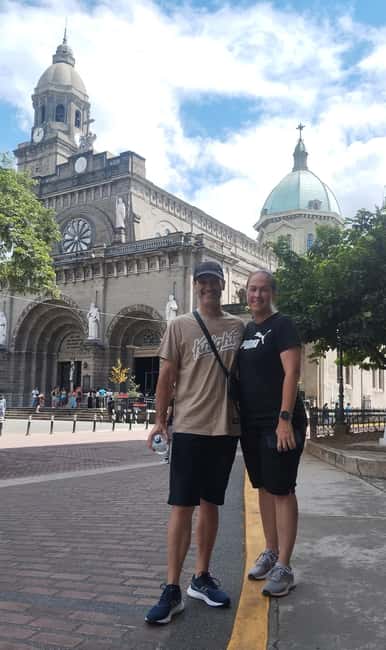
Four hours is a useful length for a first orientation, especially if you are staying in Makati or have limited time in Manila. You can see the major Intramuros landmarks, enter key sites, pass through other districts, and get a sense of how the city fits together.
The schedule is less suitable if you want to study every church detail, browse Casa Manila at length, shop slowly in Binondo, and explore Makati on foot. Those goals require more time than this route provides.
The best approach is to think of the tour as a guided introduction. Let Marvin explain the city and point out what deserves a return visit. If one area catches your attention, you can come back later with more time and a slower pace.
The tour’s overall rating is 4.9 from 14 ratings, with repeated praise for Marvin’s communication, patience, driving, flexibility, and command of Manila’s past and present. The praise is consistent, but the small number of ratings means I would still judge the experience mainly by its format and itinerary.
Price, included visits, and practical value

At $67 per person, the value depends on how many people are in your private group and how much you value door-to-door transport. You are paying for a private English-speaking guide, driving, pickup, and admission to the listed Intramuros attractions, including San Agustin Church and Baluarte De San Diego.
For a solo visitor or couple, that price may feel higher than joining a large group. In return, you get a more personal pace and the ability to ask questions throughout the day. For a family or small group, the cost can make more sense because the private setup spreads the value across several people.
Meals and drinks are not included, as well as souvenirs and personal expenses. Bring water rather than counting on a scheduled meal break. The tour also provides the chance to shop, but anything you buy comes out of your own budget.
Free cancellation up to 24 hours before departure and a reserve-now, pay-later option make the booking less rigid. Starting times depend on availability, so check the exact departure time before committing to another Manila activity.
Who should book this Manila tour?
I would choose this tour if you want a fast but meaningful introduction to Manila, especially if you are staying in Makati and want pickup from your accommodation. It suits first-time visitors, families, couples, and anyone who prefers a private guide over a large coach group.
It is also a good fit if you want both context and convenience. Marvin’s role as guide and driver means you do not have to arrange separate transport between Intramuros, Binondo, Manila Bay, and Makati.
I would hesitate if you want a slow museum day, a dedicated food tour in Binondo, or extensive shopping. The route covers a lot, and the four-hour limit favors breadth over lingering.
The information is mixed on mobility. The activity is described as wheelchair accessible, but the same details say it is not suitable for wheelchair users, and the itinerary involves moderate walking. If you use a wheelchair, have back problems, or are pregnant, confirm the arrangements directly before booking. Everyone should bring comfortable shoes, sunscreen, a hat, water, and a camera, while avoiding flash photography and smoking.
Should you book Manila: Intramuros, Old and New?
Book it if you want Manila explained rather than simply driven past. The strongest part is the combination of Intramuros landmarks with modern Makati, and Marvin’s flexible, personal guiding style adds value to a compact schedule.
Do not book it expecting an unhurried exploration of every stop. Four hours goes quickly, but it gives you a smart first look at Manila’s churches, defenses, homes, commerce, bayfront, and business district. For most first-time visitors, that broad view is worth the $67, particularly when private pickup and admissions are included.
FAQ
How long does the tour last?
The tour lasts four hours. Starting times depend on availability when you check the booking options.
Is hotel pickup included?
Yes. Pickup is included from the place you choose.
Is the tour private?
Yes. It is organized as a private group experience.
What language does the guide speak?
The live tour guide speaks English.
Are meals and drinks included?
No. Meals and beverages are not included. Souvenirs and personal expenses are also separate.
What should I bring?
Bring comfortable walking shoes, a camera, sunscreen, a hat, and water. Flash photography and smoking are not allowed.
Just added around Manila
- Philippines Intro 3 days 2 nights Tour Best of Manila and Beyond★ 5.0 · 3 reviews
- MANILA: HISTORICAL KALESA RIDE TOUR EXPERIENCE IN INTRAMUROS★ 4.0 · 3 reviews
- Makati Street food walking tour with Dinner★ 5.0 · 3 reviews
- Bites and Sights: Tagaytay Food and Nature Excursion from Manila★ 4.0 · 3 reviews
- Authentic Manila Chinatown Food Tour Exploration★ 5.0 · 3 reviews
- 4 Day Banaue Ifugao Rice Villages Private tour Trekking★ 4.5 · 3 reviews
- Embark on a 7-Day Banaue-Sagada Adventure of a Lifetime★ 5.0 · 3 reviews
- From Manila: Philippines Private Tour Guide★ 4.1 · 3 reviews
Manila Tours, compared.
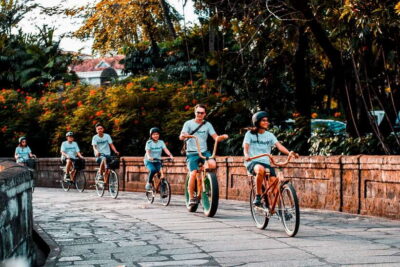
Intramuros, Manila: Historical Bamboo Bike Tour
Read our review →
Experience Intramuros with Bamboo Bicycle – Ecotours
Read our review →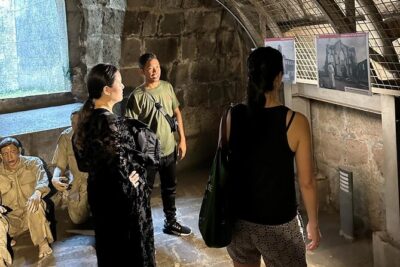
Manila: Intramuros, Chinatown, and Old Manila Half-Day Tour
Read our review →
Manila Food Tour: Introduction to Philippine Street Food
Read our review →
Spectacular Manila to Tagaytay: Full-Day Sightseeing Tour
Read our review →
Makati Nightlife: VIP Access to Clubs, Rooftops & Go-Go Bars
Read our review →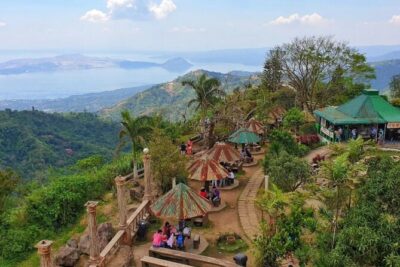
Discover Tagaytay’s Countryside: Half-Day Sightseeing Tour
Read our review →
From Manila: Tagaytay Countryside Wonders: A Half-Day Tour
Read our review →Browse the lists this tour appears in