
Reviewed · BOHOL TOURS
Bohol: SUSTAINABLE Mangrove Tunnels & Firefly Kayaking trail
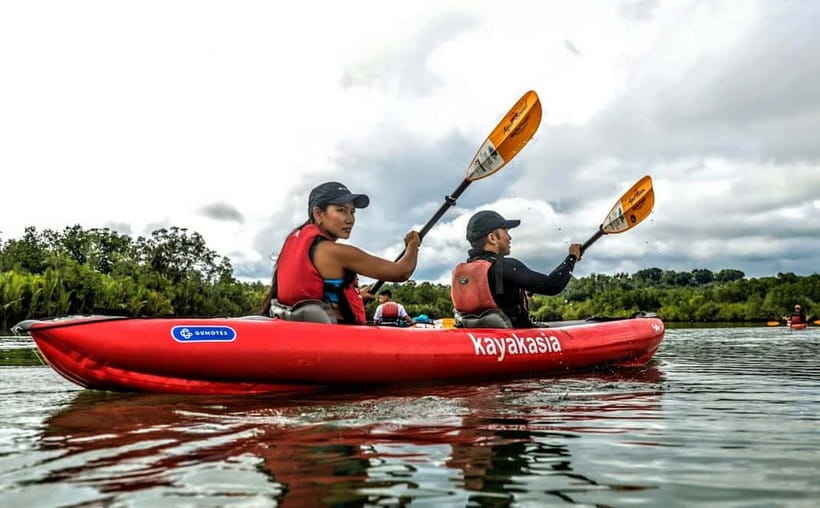
The best part of this Bohol outing comes after sunset, when your kayak slips quietly along the Abatan River and fireflies blink together in the trees. This is not a motorboat ride with a quick look at the riverbank. You paddle under your own power, with local guides explaining the mangroves, birds, and community life along the way.
I like two things right away: the quiet, non-motorized approach and the strong conservation message behind it. I also like that the evening ends with real Filipino food, not a packet of snacks. Guides including Vince, Jeremy, and MacMac have been singled out for their warmth and care for the river.
The main consideration is physical. Kayaking for several hours is gentle but still a workout, and weather can change quickly. You should also keep your expectations sensible: firefly numbers and visibility depend on nature, darkness, and conditions.
Key points to know before you book
- Synchronous fireflies after dark: Watch Philippine fireflies blink in rhythm from the river, with their lights reflected on the water.
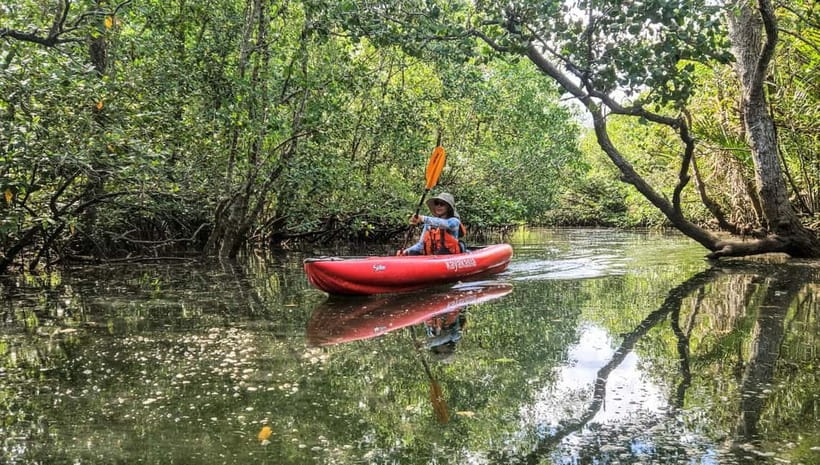
- Mangrove tunnels by paddle: Explore narrow channels, nipa palms, and flooded forest areas that are quiet and difficult to reach by larger boats.
- Local guides with a conservation focus: Guides such as Vince, Jeremy, and MacMac explain ecology, birdlife, mangrove species, and local protection efforts.
- A proper Filipino meal: The trip includes local snacks and a home-cooked dinner made with fresh, locally sourced ingredients.
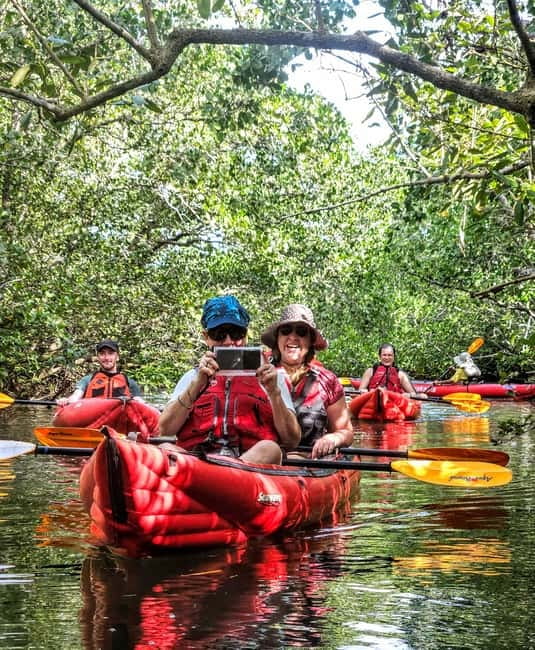
- Beginner-friendly kayaking: You receive a safety briefing, basic instruction, a life jacket, and all necessary equipment.
- Convenient Bohol transfers: Pickup and drop-off are offered from accommodations in Panglao, Tagbilaran City, or Loboc.
Why the Abatan River is worth your evening
Bohol is best known for its beaches, limestone hills, and popular countryside stops. The Abatan River offers a quieter side of the island. Its waterway runs through mangroves, nipa palms, and forest channels where the pace is set by the current and the paddle.
Mangroves are not just attractive plants along the shore. They shelter young marine life, help protect river and coastal areas, and support birds and other wildlife. Your guide points out the different species and explains why these trees matter to nearby communities.
That explanation gives the outing more weight than a simple scenic paddle. You are not only looking at roots and branches. You are learning how the river supports both people and nature, and why careless tourism can damage the very thing visitors came to see.
Kayakasia Philippines presents this as a conservation activity, and the details support that claim. The route uses kayaks rather than noisy motorboats, guides ask you not to touch plants, and littering and smoking are prohibited. The local team also reuses discarded kayak material from river cleanups to make items such as wallets, card holders, slippers, and keychains.
More firefly watching evenings:
- Shared Firefly Watching Cruise on Bohol’s Scenic Loboc River
★ 3.1 · 29 reviews - Bohol: Firefly Watching River Cruise (Nature-Dependent)
★ 3.9 · 24 reviews - Private Firefly Watching Night Cruise on Bohol Abatan River
★ 4.0 · 15 reviews
Pickup from Panglao, Tagbilaran, or Loboc
The tour includes round-trip transport from your accommodation in the main Bohol areas. Tagbilaran is the easiest starting point, at about 15 minutes from the river station. From Panglao or Loboc, allow roughly an hour each way, although the stated itinerary also lists a 30-minute van segment.
That travel time matters. From Panglao, the five-hour activity takes up most of an afternoon and evening once road time is added. It is not a quick stop between beach time and dinner in town. I would keep the rest of the day fairly open.
Pickup takes you to the Abatan River station, where the kayaking team gives a safety briefing and a short lesson. No prior kayaking experience is required. You receive a life jacket and the equipment you need, and the guides help beginners get comfortable before the route begins.
Bring clothes you do not mind getting wet. The practical kit is simple: sun protection, water, insect repellent, outdoor clothing, and a change of clothes. A camera is useful, but keep it secure and do not let photography distract you from paddling safely.
First paddle through mangrove tunnels
The daytime session lasts about two hours. You move through narrow waterways lined with mangroves and nipa palms, then continue along forest channels and quieter stretches of the river.
This is the part of the tour for looking closely. The kayak lets you approach the vegetation at a slow pace, without an engine interrupting the sound of water, birds, and paddles. You may see birds and other wildlife, and the route includes marine life viewing, though the exact sightings depend on the day.
Guides such as Jeremy and Vince have been praised for explaining what you are seeing rather than simply steering the boat. Expect information about mangrove life cycles, the role of roots in the ecosystem, and the threats facing the river. The guides come from communities along these waters, so the talk also covers how local people use and depend on the Abatan.
The narrow channels are a real highlight, but they require attention. You need to follow instructions, keep your paddle under control, and avoid brushing against plants. The rule against touching vegetation protects the mangroves and also helps keep the route as natural as possible.
Families can manage this section. Children aged seven and ten have enjoyed paddling with their family, but every child is different. Parents should be ready to help and should not assume the guide will do all the work for a tired child.
Snacks and a pause beside the river
After the first paddle, you stop for about 45 minutes at the river station for local snacks and refreshments. This break divides the trip neatly and gives your arms a rest before the night session.
The food is part of the appeal. Homemade snacks have included generous portions, and the meal later in the evening is made with fresh local ingredients. If you prefer tours that connect food with place, this is more satisfying than a standard restaurant stop because the meal comes from the same local setting and community that supports the river program.
Use the break to change clothes if needed, drink water, and apply insect repellent. The river is a natural environment, so comfort depends partly on what you bring. You should also expect a slower meal service than a fast tourist buffet. That is a plus if you enjoy a relaxed local meal, but less so if you want to rush back to your hotel.
A few more Bohol day trips to weigh up
- From Tagbilaran City/Panglao Island: Bohol Mangrove Kayaking
★ 5.0 · 7 reviews - Bohol: Abatan River Firefly Kayaking Eco-Tour
★ 5.0 · 6 reviews - El Nido: Big Lagoon Kayaking & Island Adventure
★ 4.4 · 132 reviews - Boracay: Crystal Kayak Photo-op Experience
★ 4.7 · 72 reviews
Returning to the water at twilight
The second kayaking session lasts about two hours and begins as daylight fades. This is when the character of the river changes. Shapes become less distinct, the air cools, and the guide’s instructions become especially important.
You paddle back through the river to watch fireflies in the trees. The tour focuses on synchronous fireflies, which blink together rather than at random. In good conditions, the effect can look like hundreds of tiny lights pulsing along the bank, with reflections shimmering on the dark water.
The experience is powerful because it stays quiet. There are no engines cutting through the river, and the kayak keeps you at water level. The guide helps you watch without getting too close or disturbing the insects.
Still, nature sets the schedule. The fireflies are not a staged performance, and visibility can vary with weather and sky conditions. One outing included heavy rain during the daytime paddle but clear skies for the fireflies. That same account noted a surprising number of birds, a useful reminder that the river can offer different rewards on different nights.
Bring insect repellent and a camera if you like, but do not expect a bright, easy photo. Fireflies are best appreciated with your own eyes. Flash photography and excess noise would work against the calm quality of the outing.
The food is more than an afterthought
After the night paddle, you return to the station for dinner. The meal is described as home-cooked Filipino food prepared with fresh, locally sourced ingredients. One dinner was served as three courses, and portions have been described as generous.
This is one of the strongest value points in the $85 price. The cost covers transport, guides, equipment, two paddling periods, snacks, firefly watching, and dinner. If you paid separately for a private transfer, a guided kayak outing, and a full evening meal, the total would rise quickly.
The dinner also slows the trip down in a good way. You can talk with the guides, ask more questions about conservation, and finish the evening in the same community that helped make the experience possible. It feels like part of the activity rather than a meal added to fill a timetable.
Food preferences and dietary needs are not specified, so ask about them when booking if they matter to you. Personal expenses beyond the included food and equipment are not covered.
How demanding is the kayaking?
The tour is beginner-friendly, but that does not mean effortless. The itinerary includes two sessions of about two hours each, with a 45-minute break between them. Even on a calm river, repeated paddling can tire your shoulders and hands.
The kayaks are human-powered, which is central to the appeal. You get a more peaceful route and a smaller environmental footprint, but you also supply the engine. If you are comfortable with light outdoor activity, you should be fine. If your fitness is limited, tell the guide early and pace yourself.
Weather is another factor. The river can feel very different under sunshine, cloud, or rain. Wear quick-drying outdoor clothes if possible, and keep a dry change ready for the ride home. The experience does not promise perfect weather, and the river is arguably more atmospheric when conditions shift, though heavy rain can reduce comfort.
The tour is suitable for couples, solo visitors, families, and groups. English-speaking guides lead the activity. No other language is listed.
What makes the conservation work credible
Many nature tours use the word sustainable loosely. Here, the practical details matter more than the label.
The firefly viewing is done by kayak instead of motorboat, reducing noise and avoiding the wake and fumes that can affect a narrow waterway. Visitors are told not to touch plants or leave litter. Local guides explain the pressures facing mangroves and fireflies, rather than treating the natural setting as a backdrop.
The community connection is also important. Families who have lived beside the Abatan River for generations benefit from the activity, and environmental stewards help protect the mangroves. Money spent on the tour supports local guiding, food preparation, transport, and conservation work.
The upcycled kayak products are a small but telling detail. Old kayak material collected during river cleanups becomes useful merchandise rather than waste. You do not need to buy anything, but the practice shows how the group tries to link tourism with practical river care.
No visitor can verify every long-term conservation result during a five-hour outing. I would judge this experience by its visible choices: quiet transport on the water, local instruction, plant protection rules, river cleanup reuse, and community employment. Those are meaningful signs of a better approach.
Is $85 a fair price?
At $85 per person, this is not the cheapest activity in Bohol. It is also not simply a two-hour kayak rental. The price includes transfers, safety instruction, equipment, local guides, daytime mangrove kayaking, snacks, a second evening paddle, firefly watching, and dinner.
The value is strongest if you are staying in Panglao or Loboc, where transport would otherwise take time and money. Tagbilaran visitors get an especially easy connection because the river station is much closer.
I would not choose this tour if your only goal is a short photo stop or a guaranteed wildlife display. The journey is long enough to require commitment, and nature cannot promise a set number of fireflies or birds.
I would choose it if you want a full half-day with a clear sense of place. The combination of paddling, ecology, local food, and community conservation gives you much more than a standard sunset outing.
Who should book this Abatan River experience?
This trip fits you well if:
- You want a quiet alternative to motorboat sightseeing.
- You enjoy nature interpretation and bird watching.
- You are happy to paddle for several hours.
- You value local guides and community-based tourism.
- You are traveling with children who can follow safety instructions.
- You want both daytime scenery and an evening wildlife experience.
- You prefer a home-cooked meal to a generic restaurant stop.
Think twice if you dislike getting wet, struggle with sustained paddling, or need a tightly controlled schedule. Also, do not book it expecting a party atmosphere. The appeal is peace, concentration, and darkness broken by small points of light.
Cancellation is free up to 24 hours before the activity, and you can reserve now and pay later. Starting times vary, so check availability for your date.
Should you book it?
I would book this if you have one open afternoon and evening in Bohol and want something more personal than the island’s usual sightseeing circuit. The strongest reasons are the silent kayak route, the guides’ clear care for the river, and the chance to see synchronous fireflies without a motorboat.
The $85 price makes sense when you count the transfers, equipment, food, two paddling sessions, and conservation-led guiding. Go prepared for a workout, insects, changing weather, and wildlife that follows its own rules. If that sounds like part of the fun, the Abatan River is a fine place to spend an evening.
FAQ
How long does the Abatan River kayaking experience last?
The activity lasts about five hours, including transport, a safety briefing, two kayaking sessions, a snack break, and dinner. Travel time to and from your accommodation is additional.
Where does pickup take place?
Round-trip pickup and drop-off are offered from accommodations in Panglao, Tagbilaran City, or Loboc. The river station is about 15 minutes from Tagbilaran and approximately one hour from Panglao or Loboc.
Do I need kayaking experience?
No. The tour includes a safety briefing and basic kayaking instruction, and it is described as suitable for beginners. Life jackets and all necessary kayaking equipment are provided.
What will I see during the tour?
You will paddle through mangrove tunnels, nipa palm groves, forest channels, and other waterways along the Abatan River. The tour includes wildlife and marine life viewing, with possible bird sightings. After dark, you watch synchronous fireflies.
What food is included?
The experience includes light local snacks and refreshments during the break, followed by a home-cooked Filipino dinner made with fresh, locally sourced ingredients.
What should I bring?
Bring a sun hat, sunscreen, water, insect repellent, comfortable outdoor clothing, and a change of clothes. A camera is recommended, but keep it secure while kayaking. Smoking, littering, and touching plants are not allowed.
Just added around Bohol
- 2025 Tarsier, Waterfalls & Chocolate Hills Tour★ 5.0 · 3 reviews
- Bohol: Chocolate Hills, Loboc River, and Tarsier Tour★ 4.1 · 3 reviews
- Panglao: Helmet Diving Experience with Photos and Videos★ 5.0 · 3 reviews
- Bohol: Panglao Island Hopping Tour with Snorkeling (Private)★ 3.3 · 3 reviews
- Bohol: Chocolate Hills Tour★ 3.3 · 3 reviews
- Bohol: Dolphin Watching & Snorkeling at Balicasag Island★ 3.0 · 4 reviews
- Panglao’s Best Hinagdanan Cave, Bee Farm, Mirror of the World★ 5.0 · 4 reviews
- Bohol Airport or Tagbilaran Seaport Private Transfer (one-way)★ 5.0 · 4 reviews
Bohol Tours, compared.
Bohol: Premium Chocolate Hills, Tarsiers & River Experience
Read our review →
Bohol: Boat Tour to Sandbar and Snorkeling with Turtles
Read our review →
Bohol: Dolphin Watching & Sea Turtle Swim Island Tour
Read our review →
Bohol: Waterfall Hopping & Secret Jungle Trails Guided Tour
Read our review →
Chocolate hills tour with Tarsier & Loboc river Buffet Lunch (half-day tour)
Read our review →
Bohol: Chocolate Hills, Tarsiers and Loboc River Day Tour
Read our review →Browse the lists this tour appears in