
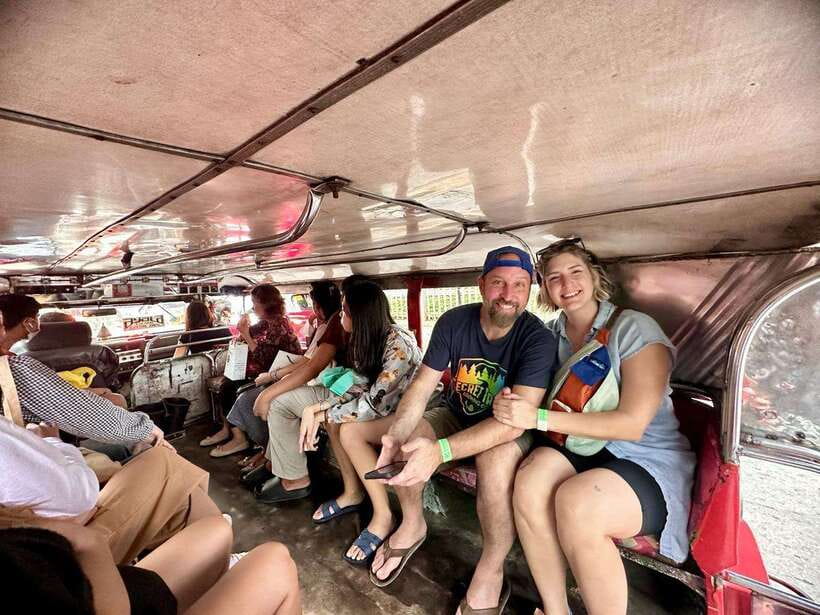
Reviewed · CEBU TOURS
Cebu City: Historical Street and Food Tour
Cebu’s story is best understood on foot, with a boiled duck egg in one hand and centuries of history under your shoes. This three-hour walk takes you from the Cebu Farmers Market to churches, ancestral homes, Carbon Market, and the cross linked to Magellan’s arrival in 1521. I like the mix of food and history, and I like that the small group can use local buses and pause for questions. The main drawback is the price: at $90 per person, this costs much more than exploring Cebu’s central sights by yourself.
I also like the human touch. Guides including Philip, Nacien, Kyle, and Nescian have been praised for clear English, good energy, safety help, and close attention to solo participants. Still, the food may not impress every palate, and the tour’s value depends heavily on how much you want stories, direction, and company rather than simply seeing the sights.
Key details of Cebu’s historical food walk
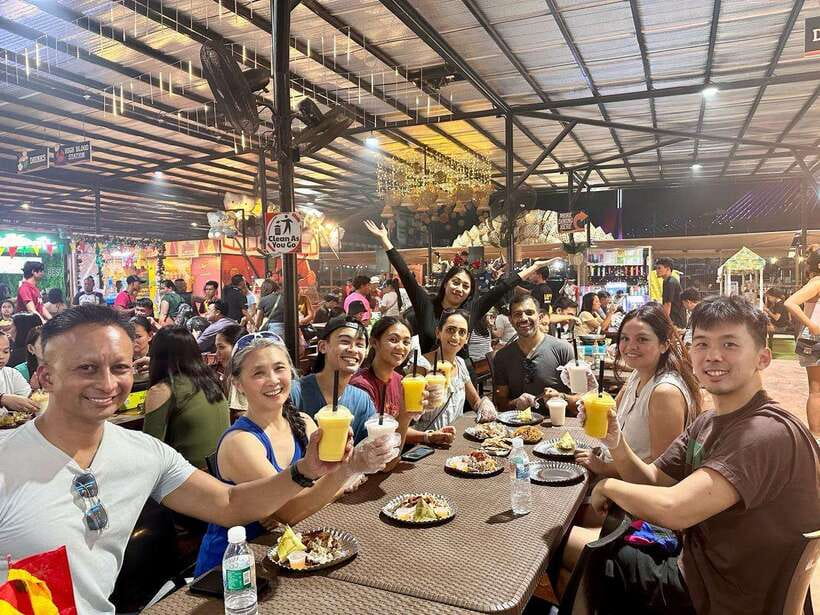
- Balut and local snacks: Taste balut, the boiled salted duck egg that many visitors consider Cebu’s most memorable food challenge.
- Sixteenth-century landmarks: Visit Basilica Minore del Sto. Niño de Cebu, linked to 1565 and regarded as the oldest Roman Catholic church in the Philippines.
- A 1680 ancestral home: See Yap Sandiego Ancestral House, made from coral stone and shaped by Chinese and Spanish design.
- Cebu’s first Spanish-era sites: Learn about Cebu as the Philippines’ oldest city, first Spanish settlement, and early capital.
- Market-level Cebu: Walk through the Farmers Market and Carbon Market, where food, trade, and daily life matter as much as monuments.
- Small-group format: With no more than 10 participants, you have a better chance to ask questions and keep up with your guide.
Why this short Cebu tour works
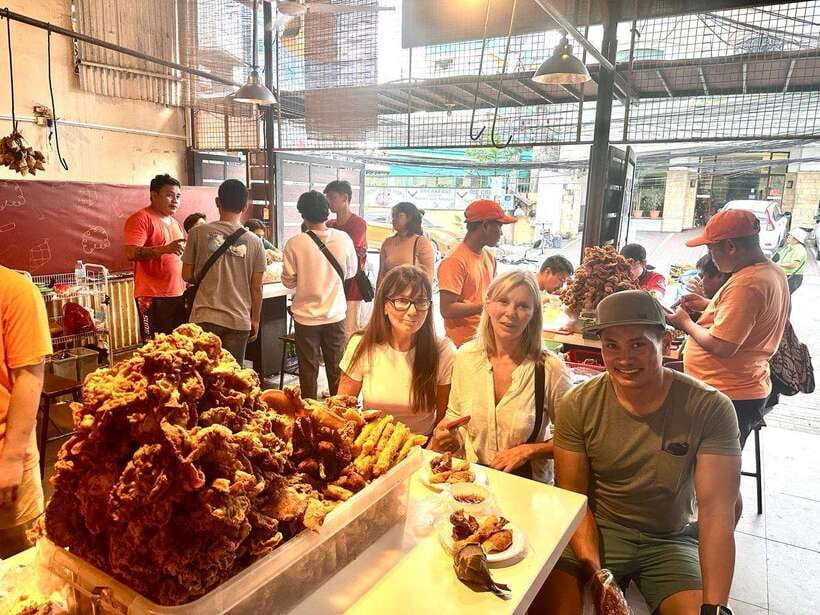
This is not a polished sightseeing loop made up only of photo stops. It connects Cebu’s food stalls, churches, old homes, markets, and colonial landmarks into one compact walk. That gives you a useful first look at the city center and helps explain how Spanish Catholic traditions, Chinese trade, local food, and modern city life overlap.
The three-hour length is sensible. Cebu can feel confusing when you first arrive, and a guide gives you a clear route without asking you to research each site in advance. You get enough time to see the major historic places, though not enough time for long museum visits or a slow meal.
I would book this early in a Cebu stay if you want a quick orientation, or late in your visit if you already know the city and want a final outing focused on food and stories. The tour runs rain or shine, so comfortable clothing and shoes are not optional.
More food tours in Cebu:
- The Original Cebu City Historical and Food Walking Tour
★ 4.5 · 81 reviews - Cebu Steet food, historical and mountain tour
★ 5.0 · 15 reviews - The Ultimate Cebu Food Tour: Local Tastes & Cultural Journey
★ 4.5 · 10 reviews
Starting with markets and Filipino street food
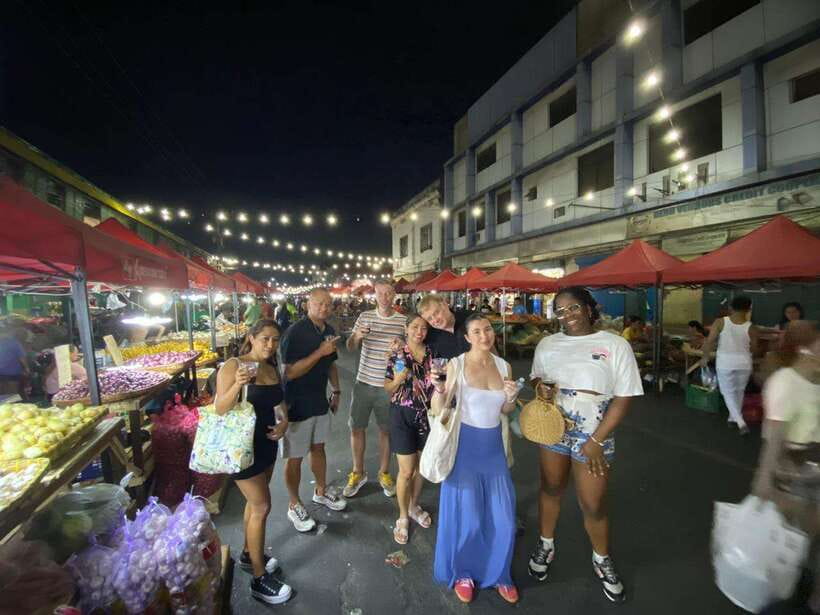
The tour begins with your guide at the Cebu Farmers Market. This is a good opening because food provides an immediate way into local life. Instead of hearing a list of dates first, you can look at what people buy, ask how ingredients are used, and connect dishes to Cebu’s wider culture.
Your guide introduces local food and helps you understand what you are tasting. Filipino street food is known for strong flavors and unusual combinations, and this tour gives you a chance to sample several items during the walk. The exact selection can vary, so you should not expect a fixed restaurant-style menu.
The headline tasting is balut, a boiled duck egg traditionally eaten with salt. It is famous, inexpensive, and not for everyone. The texture and idea can be challenging, so you should treat it as an optional food adventure rather than a test you must pass. If you are curious but cautious, ask your guide how it is normally eaten before taking your first bite.
Cash belongs in your pocket for this part of the outing. The tour information specifically advises bringing it, and that is sensible for small food purchases and any personal snacks. Bring water as well, although the listed requirements mention cash rather than a supplied drink.
Reading Cebu through the Heritage of Cebu Monument
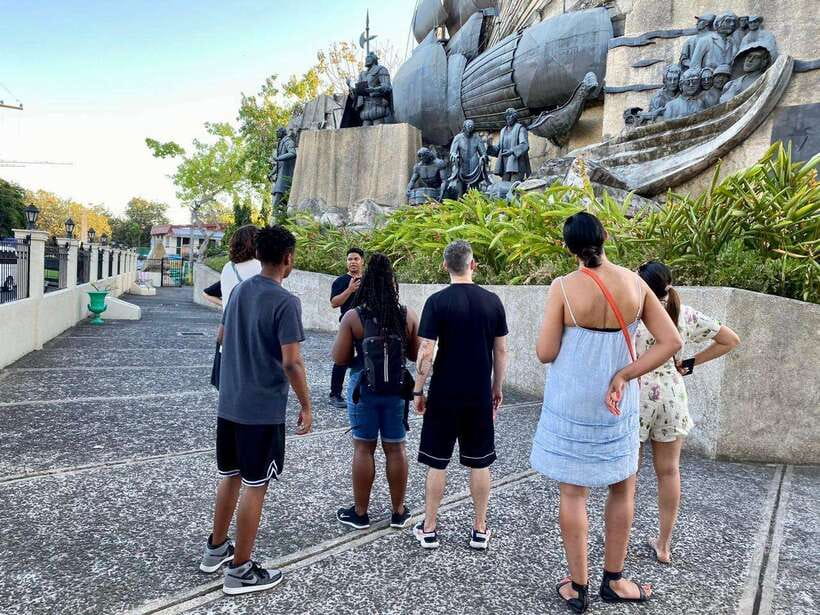
The route continues through Cebu’s historic center, including the metal sculptures at the Heritage of Cebu Monument. The monument compresses major moments in the city’s past into one large public artwork. It is useful because you can see references to local religion, trade, Spanish contact, and Cebu’s civic story in a single place.
This is where a guide earns part of the fee. A sculpture can be impressive but hard to interpret without context. Ask questions about the figures and events shown, and ask how the monument fits into Cebu’s identity today. The tour promises facts about Cebu as the oldest city in the Philippines, the first Spanish settlement, and the first capital under Spanish rule.
You should not expect a quiet, museum-like experience here. This is a walking tour through the city, not a private lecture room. Traffic, heat, rain, and ordinary street activity are part of the setting. That may make the experience less tidy than a bus excursion, but it also keeps the history connected to real streets.
Inside the 1680 Yap Sandiego Ancestral House
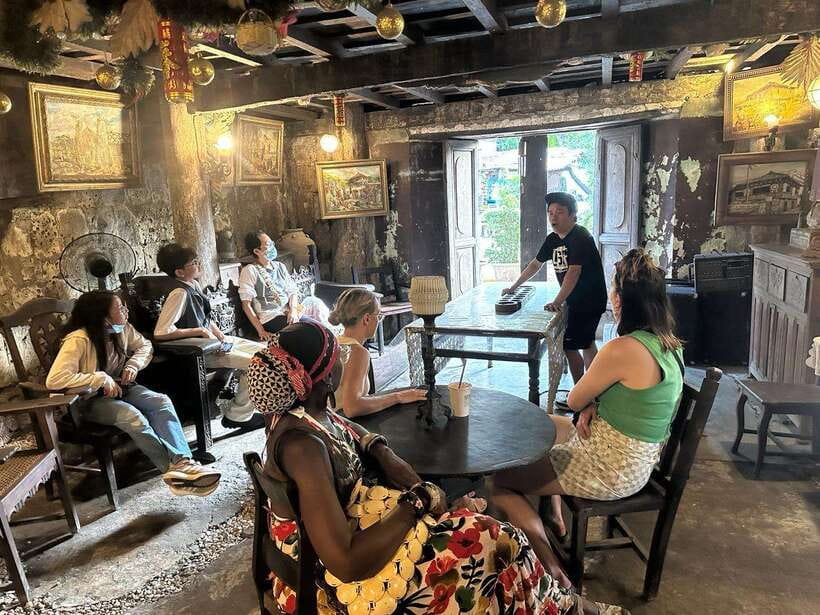
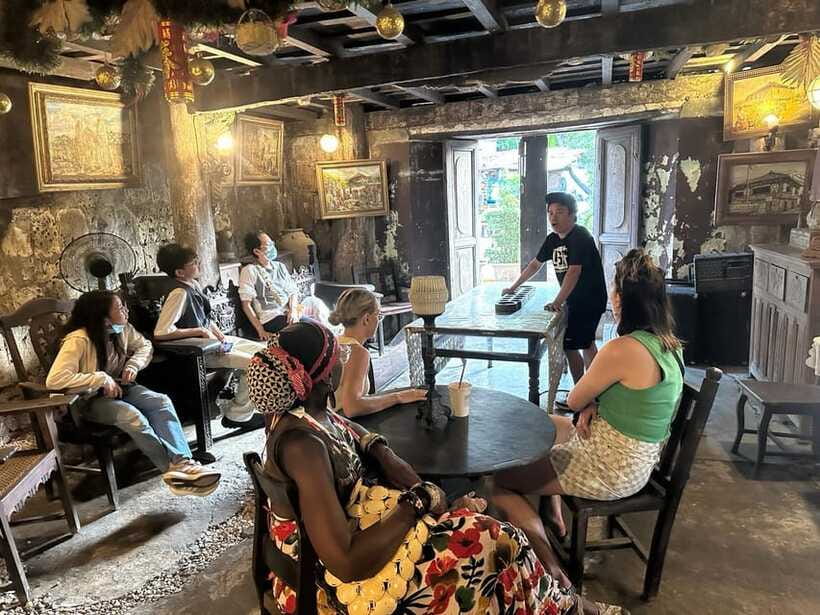
Yap Sandiego Ancestral House is one of the most distinctive stops. The home was built from coral stone in 1680 and combines Chinese and Spanish architectural influences. That combination tells you something important about Cebu: its history was shaped not only by Spain, but also by long-standing Chinese connections and local family life.
I would pay attention to the building materials and layout here. A coral-stone house feels very different from a modern concrete structure, and the survival of an old home in the middle of the city gives you a more personal view of the past than a church facade alone.
The visit is likely to appeal most to you if you enjoy houses, objects, and architecture. If you prefer food to buildings, this will be a slower section of the tour, but it gives the walking route needed variety. The guide’s explanation also helps you see the house as part of Cebu’s social history, not just an old building made for photographs.
Same island, a completely different kind of day:
- Cebu City: Whale Shark Swimming & Kawasan Falls Canyoneering
★ 4.7 · 665 reviews - Cebu Moalboal: Kawasan Canyoneering Adventure with Lunch
★ 4.9 · 630 reviews - Cebu City: Bohol Countryside Tour with Loboc Cruise Lunch
★ 4.5 · 488 reviews - Canyoneering Experience in Kawasan Falls with Lunch
★ 5.0 · 440 reviews
Basilica Minore del Sto. Niño de Cebu and the 1565 story
The next major church is Basilica Minore del Sto. Niño de Cebu, associated with the year 1565 and regarded as the oldest Roman Catholic church in the Philippines. It is one of the tour’s essential stops, especially if you want to understand why Cebu remains such an important center of Filipino Catholic life.
The church’s significance reaches back to the Spanish period and the Santo Niño devotion. Your guide explains the history as you visit, giving the building a stronger sense of place than a quick exterior photograph would provide.
Keep in mind that a church is an active religious site, not simply a monument. Dress comfortably but respectfully, follow any instructions at the entrance, and expect the mood to change depending on services or other activity. The tour information does not promise a private visit or a long interior session, so allow the guide’s timing to shape your stop.
Carbon Market, coal, and city life
Carbon Market comes later in the route. Its name comes from the Spanish word for coal, reflecting its former role as a coal depot. This detail is easy to miss if you only pass through by taxi, but it gives the market a useful link to Cebu’s working past.
Carbon Market is not included merely as a shopping stop. It shows the practical side of the city, where food and goods move through busy streets and daily trade continues around historic sites. The contrast with the church and ancestral house is part of the point. Cebu’s past is not locked away in one district. It remains mixed into ordinary life.
You should expect a more active street setting here. Wear shoes that can handle uneven pavement and keep your belongings secure. Jewelry is not allowed on the tour, and leaving it at your accommodation is sensible for a market walk as well as for comfort in the heat.
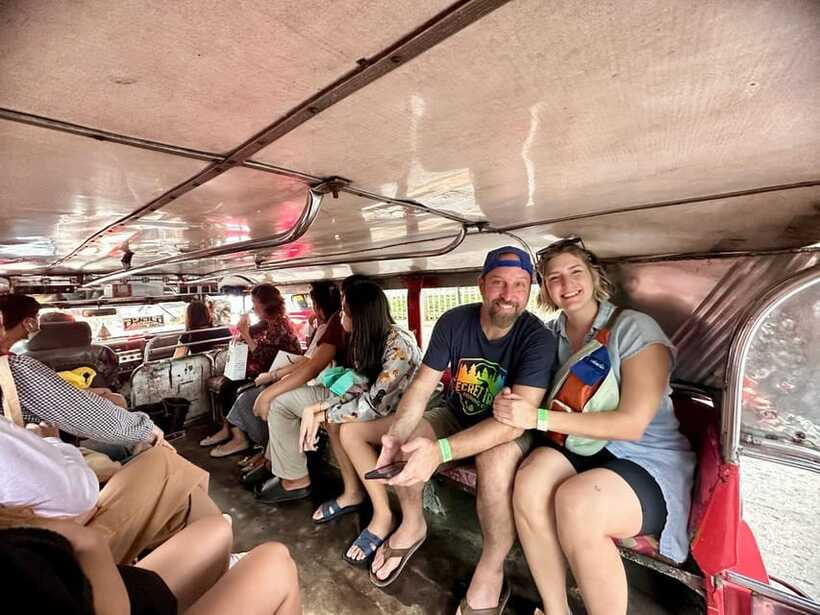
For solo visitors, this section may be especially useful. The route includes Carbon Market and Colon Street, and a guide can help you feel more at ease while explaining what you are seeing. Philip has been praised for helping a solo participant get safely into a taxi afterward, while Philip and Nacien have also been singled out for taking extra care with solo women. That does not remove the need for normal city awareness, but it is a practical benefit of going with a local guide.
Magellan’s Cross and the beginning of Spanish contact
The tour then reaches Magellan’s Cross, the site associated with a Christian cross placed by explorers led by Ferdinand Magellan in 1521. This is one of Cebu’s most recognized historical places and one of the clearest links between the city and the arrival of Spanish-led exploration.
The stop is valuable because it marks a turning point, but it also needs careful explanation. The cross is not the whole story of Cebu. It represents the start of a major religious and political change, while the city’s culture also reflects local traditions and Chinese connections that predate Spanish rule.
Ask your guide to explain what happened around the cross and how the site relates to Santo Niño and the Basilica. The route places these landmarks in a sequence, allowing you to connect them rather than seeing each one as an isolated attraction.
Cebu Metropolitan Cathedral and wartime damage
The final church stop is Cebu Metropolitan Cathedral. The building was destroyed during the Second World War and rebuilt in the 1950s. That history adds another layer to the tour. Cebu is not simply a city of surviving colonial structures. Some important buildings were damaged, rebuilt, and carried forward into a new era.
I like this part of the route because it prevents the story from ending in the sixteenth century. You see how war affected the city and how religious buildings continued after destruction. It also gives your guide a chance to explain the difference between old foundations, later rebuilding, and the church you see today.
The tour ends after the cathedral, with the expectation that you return to your accommodation on your own. Hotel transfer is not included, so plan that final journey before you start. You can message the operator through the Facebook page for Cebu City Historical Street and Food Tour, and at pickup the guide holds a paper with your name.
Guides, group size, and the feel of the walk
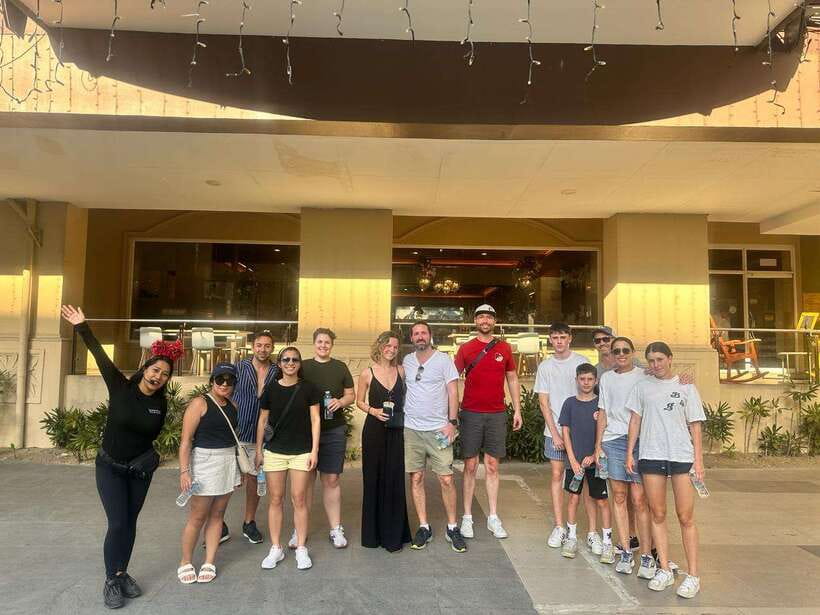
The tour is limited to 10 people and conducted in English. That is small enough for a guide to hear questions and adjust the pace, though the experience can feel different depending on the day’s group size. Some participants have received nearly private attention when only one or a few people booked.
The guides named in feedback include Philip, Nacien, Nescian, and Kyle. The strongest praise centers on clear English, warm conversation, good energy, and useful help beyond the history talk. Nescian has been described as fun and easy to talk with, while Kyle has been praised for his handling of the tour. Philip and Nacien are particularly good names to note if personal attention and safety support matter to you.
A three-hour walk can become tiring in heat or rain. The tour operates rain or shine, so check the forecast and dress for conditions without assuming the outing will be canceled for bad weather. Bring a camera, comfortable clothes, comfortable shoes, and cash. Leave jewelry behind.
Is $90 a fair price for three hours?
The cost is $90 per person, which is high for a three-hour city walk in Cebu. The included items are the guide and guided tour, while hotel transfer is not included. Food and drinks are part of the tasting experience described for the outing, but this is not presented as a full meal.
You are paying for more than entry to the landmarks. The price covers route planning, historical explanation, food guidance, a small group, and help navigating places such as Carbon Market and Colon Street. If you value local context or feel uncertain about exploring the center alone, that service may justify the cost.
Still, you could see many of these sites independently for less. The churches and public landmarks are the main attractions, and the tour does not include transport back to your accommodation. One participant felt the food was only average and considered the price too high for an itinerary that could be done solo.
My advice is simple: book it if you want a guide-led introduction and the confidence of moving through the city with local help. Skip it if your priority is low-cost sightseeing and you are comfortable researching the route, handling street food on your own, and making your own way between stops.
Who should book this Cebu experience?
I would recommend it to first-time visitors with limited time, solo visitors who want company, and anyone who likes combining food with history. It also suits people who want to ask questions rather than simply take photographs.
The tour is less suited to anyone seeking a relaxed food crawl, a full meal, or a private luxury outing. The pace covers many places in only three hours, so some stops will be brief. You also need to accept street conditions, changing weather, and food that may be more adventurous than refined.
The strongest reason to choose this tour is the connection between places. The Farmers Market explains food, the monument explains Cebu’s public story, the ancestral house shows Chinese and Spanish influence, the churches explain Catholic history, and Carbon Market connects the past to working city life.
Should you book the Cebu City Historical Street and Food Tour?
Book this tour if you want a compact, guided introduction to Cebu’s old center and you value good conversation, local food, and help with navigation. The small group and attentive guides can make the difference, especially for solo visitors.
Think twice if $90 feels steep for three hours or if you prefer independent sightseeing. You can visit many landmarks without a tour, and the food may not be the highlight for every person.
For the right visitor, this is a useful first look at Cebu, with balut, coral-stone architecture, churches dating to the Spanish period, Carbon Market, and Magellan’s Cross all tied into one route.
FAQ
How long does the Cebu City Historical Street and Food Tour last?
The tour lasts three hours.
What language is the tour conducted in?
The live tour guide speaks English.
How many people can join the group?
The group is limited to 10 participants.
Does the tour include hotel pickup?
Hotel transfer is not included. Pickup instructions say to wait in the designated area, where the guide will hold a piece of paper with your name.
What food will I taste?
The tour includes Filipino street food and local delicacies, including balut, a boiled salted duck egg. The exact selection beyond the stated examples is not specified.
What historic sites are included?
The route includes the Heritage of Cebu Monument, Yap Sandiego Ancestral House, Basilica Minore del Sto. Niño de Cebu, Carbon Market, Magellan’s Cross, and Cebu Metropolitan Cathedral.
What should I bring?
Bring comfortable shoes, comfortable clothes, a camera, and cash.
Can I wear jewelry on the tour?
Jewelry is listed as not allowed, so leave it at your accommodation.
What happens if it rains?
The tour takes place rain or shine. You should dress for the weather and wear shoes suitable for a three-hour city walk.
More Historical Tours in Cebu
- Cebu: Exploring Cebu City’s rich history and Uphill Tour
★ 4.5 · 68 reviews - CEBU: Cebu City Heritage and Uphill Guided Tour
★ 4.2 · 31 reviews - Cebu Historic and Views Tour Pickup Dropoff and Lunch (private)
★ 5.0 · 26 reviews - BEST OF CEBU: Cebu City Heritage with Uphill Tour | Joiners
★ 4.5 · 22 reviews
Just added around Cebu
- Kawasan Falls Canyoneering Transfers from Cebu with Lunch★ 5.0 · 3 reviews
- Cebu: Oslob Whale Shark, Simala Church & Ka Treasure Argao★ 4.8 · 3 reviews
- Cebu: Pescador Island, Sardines run and Kawasan Canyoneering★ 5.0 · 3 reviews
- Private Kawasan Falls Canyoneering w/ Lunch★ 5.0 · 3 reviews
- Cebu: Moalboal Snorkeling and Kawasan Falls Canyoneering★ 5.0 · 3 reviews
- Cebu: Mantayupan Falls, Hermit’s Cove & Bojo River Eco Tour★ 4.8 · 3 reviews
- Cebu & Lapu-Lapu City Tour With Lunch at House of Lechon★ 5.0 · 3 reviews
- Cebu: Inambakan, Kawasan, and Mantayupan Waterfalls Tour★ 3.7 · 3 reviews
Cebu Tours, compared.

Cebu City: Whale Shark Swimming & Kawasan Falls Canyoneering
Read our review →
Cebu Moalboal: Kawasan Canyoneering Adventure with Lunch
Read our review →
Cebu City: Bohol Countryside Tour with Loboc Cruise Lunch
Read our review →
Canyoneering Experience in Kawasan Falls with Lunch
Read our review →
Cebu: Oslob Whale Sharks, Tumalog Falls & Sardine Snorkeling
Read our review →
Cebu: Whale Shark Swim and Kawasan Canyoneering Tour
Read our review →
Cebu: Oslob Whale Sharks, Moalboal Sardine Run & Turtles
Read our review →
Cebu: Kawasan Falls Canyoneering Tour with Ziplining & Lunch
Read our review →Browse the lists this tour appears in