
Reviewed · CEBU TOURS
Cebu City: Half-Day Tour with Shopping
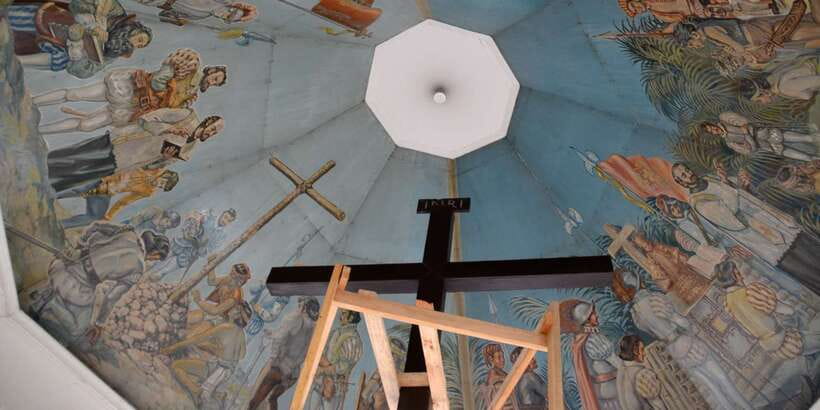
Cebu’s story begins at Magellan’s Cross, where a small wooden cross marks the place linked to the first Filipino baptisms into Catholicism in 1521. This private four-hour tour then moves through old churches, a Spanish-era fort, a centuries-old home, and central Cebu’s shopping stops.
I like the air-conditioned private vehicle, especially because Cebu traffic can slow short journeys. I also like the mix of major sights and personal guiding. Guides including Belle, Liz, LizAnn, Stuart, and Mr. Oanio have been praised for making the history easy to follow. The main drawback is pace: you cover about six places quickly, and the advertised shopping stop has not always taken place.
Key points
- Magellan’s Cross and Santo Niño Church: Visit two of Cebu’s most important Catholic sites side by side.
- Fort San Pedro museum park: See the old Spanish settlement’s defensive center and its adjoining museum.
- Yap-San Diego Ancestral House: Step into a preserved home associated with Cebu’s 1600s Spanish period.
- Private air-conditioned transport: Hotel pickup and short vehicle transfers make the hot, traffic-heavy city easier to manage.
- English-speaking local guide: Guides such as Belle, Liz, and Stuart add context beyond what you can read at each stop.
- Shopping is not guaranteed: The final handicraft stop is part of the plan, but one tour guest reported that it was skipped.
Why this four-hour Cebu tour works as an introduction
Cebu City is not a place where the main sights line up in one quiet pedestrian district. Churches, forts, monuments, old homes, and shopping areas are spread through streets that can be slow and confusing, especially when traffic is heavy.
That is where this tour earns its keep. You are picked up at your Cebu City hotel, driven between the sights, and returned after roughly four hours. The group is private, so you are not tied to a large coach party or a fixed public schedule.
I would think of this as a first look at Cebu, not a slow museum day. The route covers a lot of ground. One guest described reaching six places in the inner city, with about 10 to 15 minutes of driving between stops. That gives you a useful map of central Cebu, but it also means you should wear comfortable shoes and be ready to keep moving.
The price is $65 per person. That is not the cheapest way to see Cebu’s old center, but the cost includes an air-conditioned vehicle, an English-speaking guide, hotel pickup in Cebu City, and entrance fees. For a private half-day outing, the value is strongest if you want transport and interpretation arranged for you.
Food, drinks, and gratuities are extra. Bring sunglasses and a sun hat. An umbrella or handheld fan can also help create shade at exposed stops, especially during hot weather.
A few more Cebu day trips to weigh up
- Manila: Guided Night Market Experience
★ 5.0 · 54 reviews - Manila’s Culinary Expedition: The Ultimate Food and Market Tour
★ 5.0 · 42 reviews - Explore Manila Slums and Hidden Market
★ 4.9 · 41 reviews
Magellan’s Cross, where Cebu’s Catholic story begins
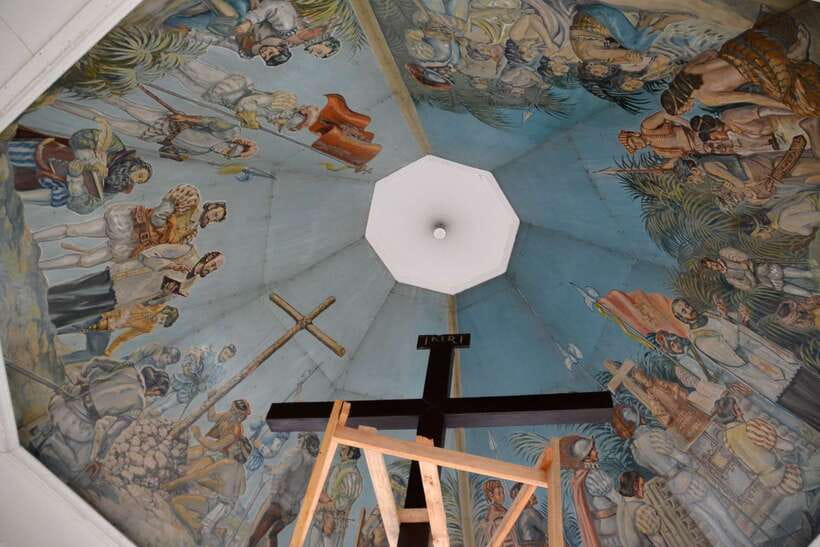
Magellan’s Cross is the natural opening for this route. The cross was first planted in 1521, marking the location associated with the baptism of native Filipinos into the Catholic faith.
You visit the stately pavilion that protects the cross and hear why this small marker matters so much in Cebu. It is not simply an old object in a small building. It points to the beginning of a major religious and political change in the Philippines, one that still shapes Cebu’s public life.
The pavilion is a brief stop, but the guide makes the difference. Without context, you can look at the cross, take a photo, and move on in a few minutes. With someone explaining its place in Cebu’s past, the stop becomes a useful key to the church, festivals, and Spanish colonial sites that follow.
Expect other people around this landmark, as it is one of Cebu’s best-known sights. The tour format helps because your vehicle can drop you near the site and collect you after you have looked around. Keep your sunglasses and hat handy, since the surrounding area may not offer much shade.
Santo Niño Church and the center of Cebu devotion
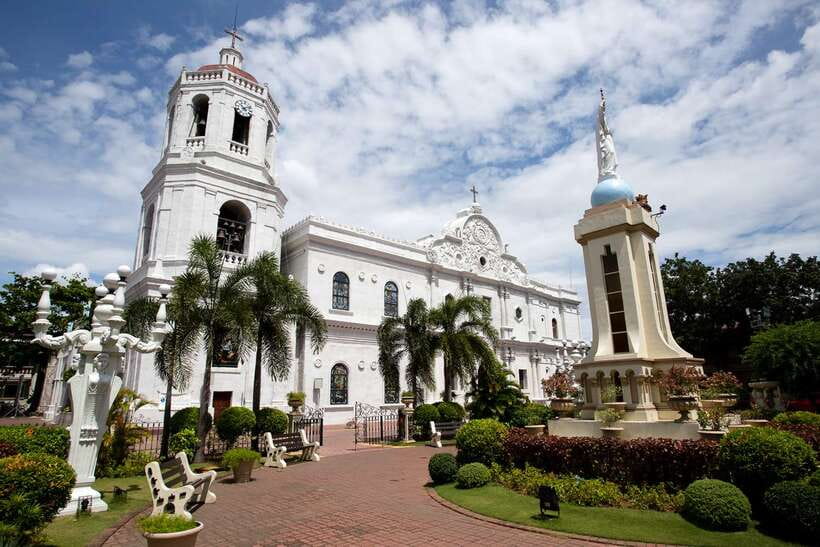
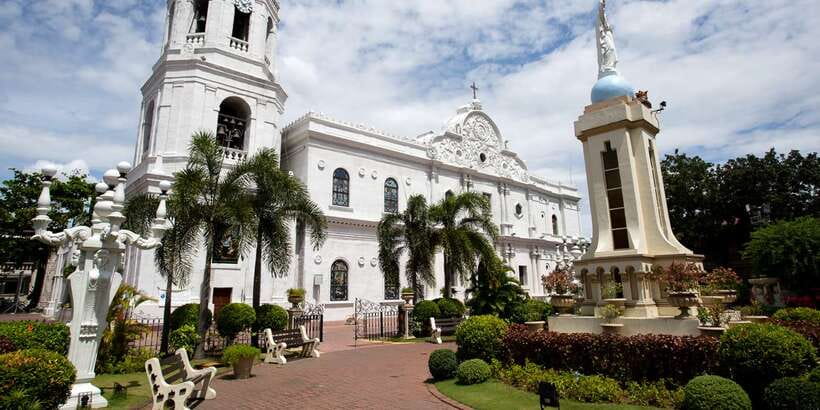
The next important stop is the Basilica Minore del Santo Niño, also called Santo Niño Church. It is described as the oldest Catholic church in Cebu, and its importance is closely tied to the cross and the first Catholic ceremonies on the island.
This is where the tour moves from a single landmark into a living religious setting. You are not only looking at a colonial-era building. You are seeing a place connected to Cebu’s continuing devotion to the Santo Niño, or Holy Child.
Your guide can help explain the church’s place in local history and why it matters to Cebuanos. That background is especially useful if you are visiting during a busy religious period. One guest noted that the guide and driver made the route easier during the buildup to the Santo Niño Fiesta, when Cebu was especially crowded.
Allow yourself to be respectful here. Dress and behavior should suit a working church, and the visit may feel more active than a quiet historical monument. The exact time inside is not specified, so the guide controls the rhythm of the stop within the four-hour schedule.
This pairing of Magellan’s Cross and Santo Niño Church is one of the tour’s best features. You see the symbol of the first baptisms, then visit the church connected to Cebu’s Catholic tradition. The two stops give you a clearer picture together than either one would alone.
Fort San Pedro and the first Spanish settlement
Fort San Pedro offers a change of mood. Instead of a church or religious marker, you visit a fortified site that served as the nucleus of the first Spanish settlement in the Philippines.
The fort has been turned into a museum park. You can expect to walk around its historic grounds and visit the adjacent museum, where objects and displays add detail to the Spanish period. The tour description promises interesting facts here, and this is one place where an English-speaking guide can save you from simply wandering past walls without understanding their purpose.
Fort San Pedro also helps explain why Cebu became such an important colonial center. Its location and defensive role connect the city to the arrival and consolidation of Spanish power. You do not need to be a military-history enthusiast to appreciate the stop. The compact setting makes it easier to grasp than a huge fortress complex.
The practical point is footwear. The tour moves from vehicle to site and back again, and the day can be hot. One guest specifically advised putting on your walking shoes because the group moved quickly from place to place. You will not be walking all day, but sandals that are fine for a resort may feel less useful on a busy sightseeing route.
Same island, a completely different kind of day:
- Cebu City: Whale Shark Swimming & Kawasan Falls Canyoneering
★ 4.7 · 665 reviews - Cebu Moalboal: Kawasan Canyoneering Adventure with Lunch
★ 4.9 · 630 reviews - Cebu City: Bohol Countryside Tour with Loboc Cruise Lunch
★ 4.5 · 488 reviews - Canyoneering Experience in Kawasan Falls with Lunch
★ 5.0 · 440 reviews
The museum park adds more than a photo stop
Fort San Pedro would be a thinner visit without the museum. The nearby displays help turn the fort from a backdrop into a place with a story.
Your guide can point out the connection between the fort, the first Spanish settlement, and the wider colonial project. That is valuable because Cebu’s early Spanish period is easy to reduce to dates and names. A few well-chosen explanations give the walls a human purpose.
The stop also balances the religious sites earlier in the route. At Magellan’s Cross and Santo Niño Church, the focus is faith and cultural change. At Fort San Pedro, the focus shifts toward settlement, defense, and colonial administration.
Because this is a half-day route, do not expect a long independent museum visit. The appeal is the combination of site, museum, and explanation in one stop. If you want to read every label or study each display closely, four hours will feel short. If you want an introduction before exploring Cebu on your own, the timing is more practical.
The Heritage Monument and Cebu’s compressed history
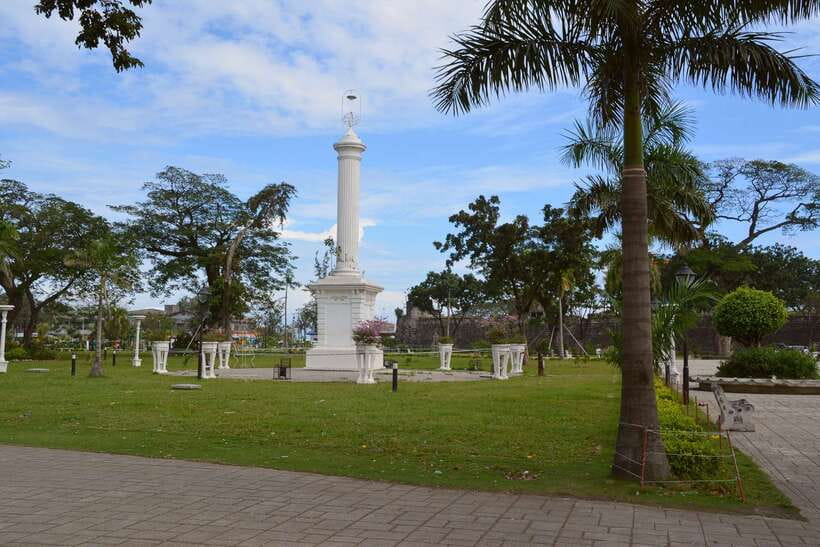
The Heritage Monument is another stop in the old city. It brings Cebu’s key historical scenes together in a single public artwork, allowing you to see important figures and episodes represented in one place.
This is a useful pause between larger sites because it helps connect the pieces of the route. Your guide can explain what you are seeing and place the monument within Cebu’s past. Without that explanation, a collection of carved scenes can be hard to read.
The monument is also a reminder that Cebu’s history is not only Spanish. The city’s story includes local communities, religious change, colonial rule, and the growth of an important Philippine center. The tour does not present these subjects through a long academic lecture. Instead, the guide adds short explanations as you move through the city.
I would pay attention here rather than treating it as a quick photo stop. The value lies in hearing the story behind the figures and scenes. Since the vehicle waits while you visit, you can spend enough time to understand the basic meaning without losing the rest of the route.
Yap-San Diego Ancestral House and a look inside old Cebu
The Yap-San Diego Ancestral House gives the itinerary a more intimate stop. Rather than viewing a fort or church from the outside, you enter a historic home associated with Cebu’s Spanish period and the 1600s.
The house offers a glimpse of domestic life, furnishings, and family history from a very different era. This makes it one of the more distinctive stops on the route. Large landmarks explain public history. An ancestral home shows how the past might have been organized around rooms, objects, and everyday life.
The phrase travel back to the 1600s in Spain should be understood as a reference to the house’s old Spanish-era character, not as a trip outside Cebu. You remain in the city, but the preserved setting gives the visit a different feel from the modern streets outside.
Your guide’s explanation matters here too. Historic homes can look attractive without revealing why they survived or what their furnishings tell you. Guides such as Stuart have been praised for explaining the background of each place in clear English, and that kind of help is particularly useful in a house museum.
The stop may appeal most to you if you enjoy architecture, family history, and old interiors. If you prefer large monuments and panoramic views, it may feel quieter and less dramatic. For me, that change of scale is a strength.
The Taoist Temple, with an important closure warning
The planned route includes the Taoist Temple in Beverly Hills. At present, it is temporarily closed, so you should not book this tour expecting a temple visit.
This matters because the temple is listed as part of the sightseeing plan, yet the available information clearly identifies the closure. Ask the operator about the current route before booking if this stop is important to you. The tour may proceed with the other Cebu City sights, but no replacement stop is specified.
The closure also affects the route’s variety. The temple would add a different religious and cultural perspective after the colonial churches and Spanish sites. Without it, the tour focuses more heavily on old Cebu’s Catholic and colonial story.
That does not remove the value of the remaining itinerary, but it is a reason to keep expectations precise. You are booking a city highlights tour with a planned temple stop that may not be available, not a guaranteed visit to every attraction named in the route.
Shopping, and why you should treat it as a bonus
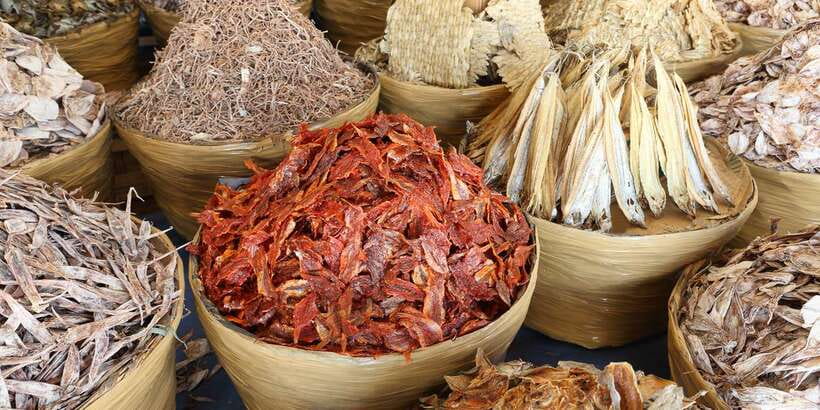
The final stop is planned at handicraft stores for shopping. This can be useful if you want to buy local gifts without spending time searching on your own. It also gives the tour a lighter finish after several history-focused stops.
Still, shopping is the least certain part of the experience. One person specifically noted that the advertised shopping did not happen. Traffic, timing, store schedules, or changes to the day’s route may affect it.
I would not book this tour mainly for shopping. Think of the stores as an added chance to browse, not the central reason to pay $65. If shopping is essential, confirm the plan with Travelite Travel and Tours before departure and keep extra time available for another shopping visit.
The handicraft stop can also be short because the whole activity lasts four hours. You may have time to look and buy a few items, but the schedule is built around seeing Cebu’s landmarks first.
Traffic, transport, and the real pace of the morning
Cebu City traffic is one of the key reasons to choose a private vehicle. Several guests praised the drivers for handling crowded streets, and one guide-driver team was credited with getting around heavy traffic and avoiding jams.
The air conditioning is more than a small comfort. Cebu can be hot, and moving between outdoor sites in a cool vehicle gives you a chance to recover. It also means you do not have to arrange separate taxis between each landmark.
Short drives of about 10 to 15 minutes can sound easy, but traffic may stretch them. The four-hour duration should be treated as a useful city circuit, not a promise of long, unhurried visits at every site. The tour has covered six places for some groups, which is impressive but requires cooperation with the guide’s timing.
The private format gives you some flexibility. One guest described Stuart as punctual and flexible with time, while other guides were praised for friendly service and clear explanations. Even so, flexibility has limits when the tour includes several stops and hotel pickup.
Wear comfortable shoes. Bring sun protection. A small fan or umbrella may help. These are simple preparations, but they make a noticeable difference when you are stepping in and out of the vehicle throughout the morning.
Guides who shape the experience
The strongest part of this tour is the guide service. Belle was praised for her history and local explanations, while Liz was described as friendly and well informed. LizAnn was noted for professional, amiable guiding, and Stuart for fluent English, punctuality, and flexibility.
Other named guides include Mr. Oanio, who was described as proud of Cebu and good at explaining the city, and Oliver. The exact guide assigned to you depends on availability, so you should not assume you will receive a particular person.
The pattern is clear: the tour works best when you use the guide actively. Ask questions about the churches, the fort, the old house, and the meaning of the Heritage Monument. A private group gives you a better chance to pause for clarification than a large shared coach.
The driver matters too. Cebu’s streets require patience and local skill, and drivers including Erikson, Julius, Ellie, and others have been praised for safe, friendly service and for being ready when guests finished at each stop.
What the $65 price includes
At $65 per person, the package includes:
- Air-conditioned transportation
- Hotel pickup in Cebu City
- An English-speaking live guide
- Entrance fees
- A private group tour
That bundle is useful if you have only one morning, are checking out before heading to the airport, or want to see Cebu before settling into the rest of your trip. One guest used the four-hour outing before leaving for the airport, which is a sensible way to use the time, provided your flight schedule allows a generous margin.
The price is less attractive if you already have a car, driver, and local guide arranged. It is also less compelling if you want to spend most of the day shopping or linger at one church or museum.
Cancellation is flexible: you can cancel up to 24 hours ahead for a full refund. You can also reserve now and pay later, which helps if your Cebu plans are still shifting. Wheelchair users should note that the activity is not suitable for them.
Who should book this Cebu City half-day tour?
I would choose this tour for a first visit to Cebu City, a short stay, a port or hotel stop, or a morning before an onward journey. It is also a good fit if you prefer having transport, entrance fees, and a guide handled in one booking.
It suits you if you want the city’s main historic sights without planning a route through traffic yourself. Families, couples, and private groups can benefit from the air-conditioned vehicle and the ability to ask the guide questions along the way.
I would hesitate if your priority is a slow visit. The itinerary covers many stops in four hours, and the schedule can feel brisk. I would also hesitate if shopping or the Taoist Temple is the main attraction for you, since shopping has not always occurred and the temple is temporarily closed.
FAQ
How long does the Cebu City tour last?
The tour lasts four hours. Starting times depend on availability when you book.
Is hotel pickup included?
Yes. Pickup is included from hotels in Cebu City.
Is the tour private?
Yes. The activity is arranged for a private group.
What language does the guide speak?
The live guide speaks English.
Is shopping guaranteed?
No. Handicraft shopping is planned as the final stop, but it has not taken place on every tour. Confirm the current plan if shopping is important to you.
Is the Taoist Temple open on this tour?
The Taoist Temple is temporarily closed, so the visit should not be treated as guaranteed. Ask Travelite Travel and Tours about the current route before booking.
Should you book it?
Book this tour if you want a practical first look at Cebu’s old center, with the major landmarks connected by private, air-conditioned transport. The combination of Magellan’s Cross, Santo Niño Church, Fort San Pedro, the Heritage Monument, and Yap-San Diego Ancestral House gives you a useful introduction in half a day.
The best value comes from the guide and transport, not from the shopping promise. Go with comfortable shoes, sun protection, and realistic expectations about the pace. If that sounds right, $65 is a reasonable price for a private history-focused circuit. If you want long visits, guaranteed shopping, or the Taoist Temple, make other arrangements or confirm the day’s route before paying.
Just added around Cebu
- Kawasan Falls Canyoneering Transfers from Cebu with Lunch★ 5.0 · 3 reviews
- Cebu: Oslob Whale Shark, Simala Church & Ka Treasure Argao★ 4.8 · 3 reviews
- Cebu: Pescador Island, Sardines run and Kawasan Canyoneering★ 5.0 · 3 reviews
- Private Kawasan Falls Canyoneering w/ Lunch★ 5.0 · 3 reviews
- Cebu: Moalboal Snorkeling and Kawasan Falls Canyoneering★ 5.0 · 3 reviews
- Cebu: Mantayupan Falls, Hermit’s Cove & Bojo River Eco Tour★ 4.8 · 3 reviews
- Cebu & Lapu-Lapu City Tour With Lunch at House of Lechon★ 5.0 · 3 reviews
- Cebu: Inambakan, Kawasan, and Mantayupan Waterfalls Tour★ 3.7 · 3 reviews
Cebu Tours, compared.

Cebu City: Whale Shark Swimming & Kawasan Falls Canyoneering
Read our review →
Cebu Moalboal: Kawasan Canyoneering Adventure with Lunch
Read our review →
Cebu City: Bohol Countryside Tour with Loboc Cruise Lunch
Read our review →
Canyoneering Experience in Kawasan Falls with Lunch
Read our review →
Cebu: Oslob Whale Sharks, Tumalog Falls & Sardine Snorkeling
Read our review →
Cebu: Whale Shark Swim and Kawasan Canyoneering Tour
Read our review →
Cebu: Oslob Whale Sharks, Moalboal Sardine Run & Turtles
Read our review →
Cebu: Kawasan Falls Canyoneering Tour with Ziplining & Lunch
Read our review →Browse the lists this tour appears in