
Reviewed · CEBU TOURS
Mactan and Cebu Twin City Tour with Lunch
Cebu’s story comes at you quickly on this seven-hour private tour: a 16th-century cross, the Philippines’ first church, a Spanish-era fort, a 300-year-old family home, and the monument to the warrior who defeated Magellan. Magellan’s Cross and the Basilica of the Holy Child make a strong opening because they sit close together and give you the clearest introduction to Cebu’s place in Philippine history.
I like two things here. First, you get both Cebu City and Mactan Island in one outing, including the broad city views from Cebu Taoist Temple. Second, the route mixes famous sights with more personal places, such as the Yap Ancestral House and a working guitar factory. Guides Belle, Liz, and Annabelle have been singled out for clear, friendly explanations, while driver Carlo has earned praise for handling Cebu’s difficult traffic.
The main consideration is pace. Seven hours is enough for a useful first look, not a slow, in-depth visit at every stop. Traffic may also affect how long you spend at each site, and you should confirm that your chosen booking includes lunch rather than treating it as automatic.
Key points to know before you book
- Two islands in one day: Start in Cebu City, then cross Marcelo Fernan Bridge to Mactan Island.
- The essential historic pair: Magellan’s Cross and the Basilica of the Holy Child are close together and form the tour’s strongest history lesson.
- A private group: You travel with your own party, with hotel pickup and drop-off listed for Cebu City hotels.
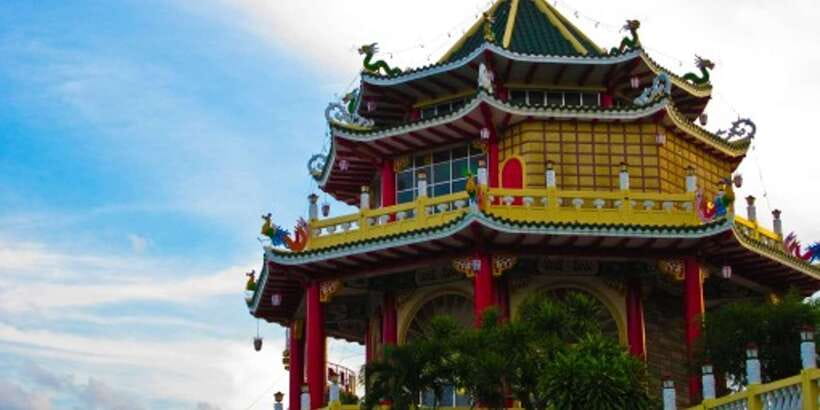
- A change of pace at the Taoist Temple: The temple offers a quieter stop and views toward Cebu City, Mandaue, and Lapu-Lapu.
- Lunch is part of the selected option: A local buffet, including PUSO in some bookings, has been used, but check your exact package.
- A practical local craft stop: The guitar factory adds a look at traditional Philippine instrument making rather than another monument.
Why this Cebu and Mactan route works
This tour is built for you if you want orientation without spending a day arranging taxis, entrance tickets, and separate guides. Cebu City and Mactan are close on a map but can take time to connect by road, especially when traffic is heavy. A private vehicle keeps the day simple.
The route also has a useful arc. You begin with Spanish and Christian history, move into Cebu’s old homes and Chinese-Filipino cultural influence, pause for city views and lunch, then finish on Mactan with Lapu-Lapu and local guitar making. That mix gives you more than a string of churches and statues.
At $116 per person, the value depends on your group size and the lunch option you choose. The price covers hotel pickup and drop-off, transportation, a guide, entrance fees, and lunch when selected. For a private group, that can be reasonable if you value a dedicated vehicle and a guide who can adjust explanations to your interests. If you are traveling alone or as a couple on a tight budget, public transport and separate entrance fees would cost less, though they would require more planning and time.
A few more Cebu day trips to weigh up
- Cebu Moalboal: Kawasan Canyoneering Adventure with Lunch
★ 4.9 · 630 reviews - Cebu City: Bohol Countryside Tour with Loboc Cruise Lunch
★ 4.5 · 488 reviews - Canyoneering Experience in Kawasan Falls with Lunch
★ 5.0 · 440 reviews
Magellan’s Cross and the Basilica of the Holy Child
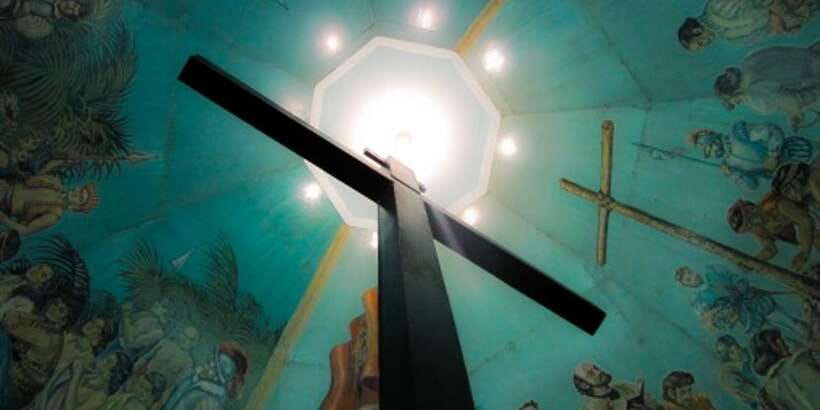
The tour begins at Magellan’s Cross, Cebu’s best-known landmark. The cross is housed in a chapel and is said to mark the place where Ferdinand Magellan planted a cross when he arrived in 1521.
This is a short stop, but it carries more weight than its size suggests. It connects Cebu with the beginning of Spanish contact and the arrival of Christianity in the Philippines. Your guide can help separate the physical object you see from the stories and traditions attached to it.
A few steps away, the Basilica of the Holy Child gives you a more substantial historic visit. The Augustinian church was made a basilica in 1965 during the 400th anniversary of Christianity in the Philippines. It was the first church established in the islands and is built from hewn stone.
The basilica also holds the figure of the Holy Child of Cebu, described as the country’s oldest religious relic. That makes this stop important to both history-minded visitors and people interested in living Catholic traditions.
Allow yourself a quiet moment here. The site is not only an old building for photographs. It remains a place of worship, so dress and behave respectfully. The tour may not provide the time for a long religious or architectural study, but the guide’s explanation can make the visit much more meaningful than a quick look from the doorway.
Fort San Pedro and Cebu’s Spanish-era story
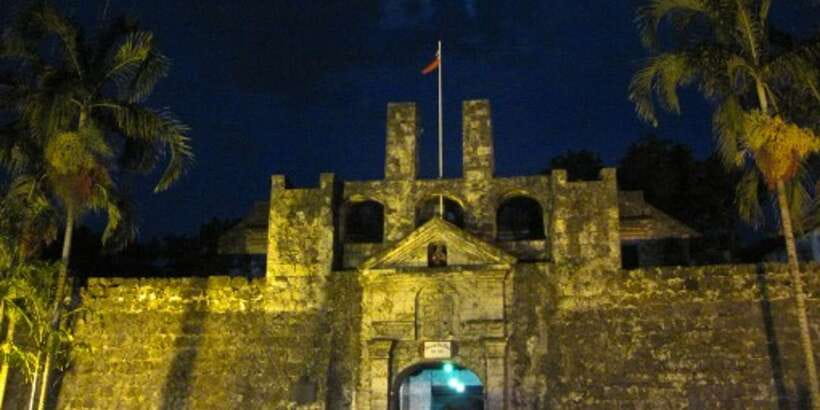
From the basilica, you continue to Fort San Pedro. The fort was built by Spanish and indigenous Cebuano laborers, giving you a physical reminder of the colonial period and the local work behind it.
Fort San Pedro is useful because it changes the story from religion to defense and administration. After seeing how Christianity took root, you get a sense of how Spanish power was also organized and protected.
This part of the outing is likely to appeal most to you if you enjoy compact historic sites. It is not presented as a long museum session, and the overall schedule keeps moving. Listen closely to the guide here, since the context around the fort may be more valuable than simply walking along its walls.
Traffic and city conditions can influence the order and length of stops. That is not a flaw unique to this outing. It is simply the reality of fitting several central Cebu landmarks into one day. A private tour helps because the guide and driver can manage the route, but it cannot remove road delays.
The Yap Ancestral House and old Cebu life
The Yap Ancestral House brings a different tone. This 300-year-old home has been converted into a display of antiques from a personal collection.
I like this stop because it moves you away from national symbols and into domestic history. A family home can show how people lived, stored objects, and expressed status in ways that a church or fort cannot. The antiques also give the guide a chance to discuss Cebu’s past through everyday possessions.
The house is especially worthwhile for you if you prefer human-scale places to large attractions. Do not expect an enormous museum complex. Its appeal comes from the age of the building and the personal nature of the collection.
Because the home is old, the visit is likely to be more about atmosphere and selected objects than a full museum route. Keep your expectations in the right place, and you will see why it earns a place between the larger landmarks.
Same island, a completely different kind of day:
- Cebu City: Whale Shark Swimming & Kawasan Falls Canyoneering
★ 4.7 · 665 reviews - Cebu: Oslob Whale Sharks, Tumalog Falls & Sardine Snorkeling
★ 4.3 · 343 reviews - Cebu: Whale Shark Swim and Kawasan Canyoneering Tour
★ 4.6 · 318 reviews - Cebu: Oslob Whale Sharks, Moalboal Sardine Run & Turtles
★ 4.5 · 266 reviews
Cebu Taoist Temple and the best pause for views
The Cebu Taoist Temple provides the day’s clearest break from the historic center. The visit is described as peaceful, with views over Cebu City and toward Mandaue and Lapu-Lapu.
This stop gives you a useful sense of the area’s scale. You are not only looking at one city street or one monument. From above, you can connect Cebu City with the neighboring urban areas and understand why crossing between Cebu and Mactan takes planning.
The temple also adds another cultural layer to the day. After Catholic sites and Spanish colonial history, you get a place associated with Cebu’s Chinese-Filipino community. The shift makes the tour feel less one-note.
You should treat the temple as a calm scenic visit rather than a full religious tour. Follow the guide’s instructions, respect the grounds, and avoid expecting a long period of free exploration. Its value is the combination of quiet surroundings, cultural contrast, and city views.
Lunch at a local restaurant
Lunch comes after the temple, before the route continues to Mactan. The selected tour option includes lunch, while drinks and snacks are not included.
The exact restaurant may vary, but one booking included the PUSO buffet. That meal was described as generous, with attentive staff and plenty of food. Another booking also praised the lunch as delicious and substantial.
That is useful if you prefer a proper midday meal over a rushed snack. It also keeps the schedule moving, since you do not need to search for a restaurant while navigating between islands.
Still, check the package details before you pay. The information specifies lunch only if that option is chosen, and drinks are separate. If you have dietary needs, ask the operator before departure rather than relying on the standard meal arrangement.
Marcelo Fernan Bridge and the crossing to Mactan
After lunch, the vehicle crosses Marcelo Fernan Bridge to Mactan Island. The bridge connects Cebu City with Mactan and marks the second half of the tour.
This transition is practical as much as scenic. Mactan is associated with the airport, resorts, local crafts, and the story of Lapu-Lapu, while Cebu City holds the main cluster of historic sights. Combining them saves you from arranging a second trip.
The crossing can also be the point where traffic matters most. Your driver is an important part of the experience, not just someone behind the wheel. Carlo has been praised for maneuvering through Cebu’s difficult roads, and that matters when the schedule includes two urban areas.
Pickup is listed for hotels in Cebu City. If you are staying on Mactan Island, confirm the pickup area before booking, since the standard pickup information does not promise every Mactan hotel.
The Lapu-Lapu shrine and a different view of 1521
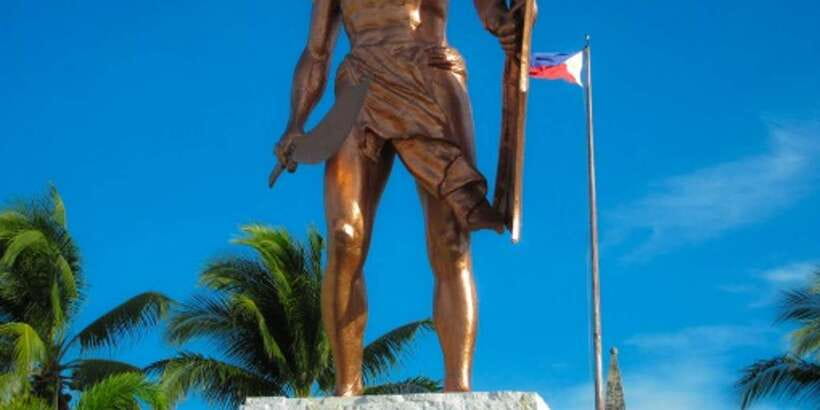
The first Mactan stop is the Lapu-Lapu shrine, marked by a 20-meter bronze statue honoring Datu Lapu-Lapu.
This is one of the most important stops for understanding the Philippine side of the Magellan story. At the beginning of the day, Magellan’s Cross introduces the arrival of the Spanish expedition. On Mactan, the Lapu-Lapu monument shifts attention to the indigenous leader who opposed Magellan.
That contrast is valuable. You are not being shown a single colonial version of events. The two sites, visited on the same day, let you consider how the same encounter is remembered through different symbols.
The statue is a straightforward outdoor stop, so it should not take the same kind of time as the basilica or ancestral house. The main benefit comes from the guide’s explanation and from seeing the two historical viewpoints placed in one itinerary.
Traditional Philippine guitars in Mactan
The final major stop is a local guitar factory. You can see how traditional Philippine guitars are made, adding a hands-on craft element to a day otherwise filled with historic buildings and monuments.
This is a smart ending. It gives you a look at a living local trade rather than another site connected only to the past. You may find the making process more memorable than a standard souvenir shop because the focus is on the instrument and its construction.
The available information does not promise a workshop, a performance, or a purchase opportunity, so keep your expectations modest. You are visiting to see how the guitars are made. If you want to buy an instrument or ask about shipping, check directly at the factory.
Ending here also makes geographic sense. After the Mactan visits, the vehicle returns you to your hotel, with drop-off included.
Guides, drivers, and the private-tour advantage
The guide can make or break a history-heavy day. Belle, also called Annabelle, has been praised for explaining history in a friendly way. Liz has also been praised for covering local history, culture, and daily life while keeping the day organized.
Guide assignments can change, so treat those names as examples rather than guarantees. The important point is that the tour is designed around a live guide in English or Japanese, not an audio recording or a printed route.
The private-group format is a real advantage. You can ask for clarification, spend a little longer at a stop if timing allows, and avoid being tied to a large coach group. It is also easier to keep the day comfortable for family or friends with different interests.
The tradeoff is price. A private vehicle costs more than joining a large group. At $116 per person, I would consider it strongest value for a small group that wants hotel service, a dedicated driver, included admissions, and one organized route across Cebu and Mactan.
Timing, comfort, and what to bring
The stated duration is seven hours, so plan for a full day with several short visits, driving time, lunch, and the bridge crossing. Wear comfortable shoes and clothing suitable for church and temple visits.
Bring money for drinks and snacks because they are not included. A phone or camera will be useful for the city views, historic buildings, Lapu-Lapu statue, and guitar-making stop.
The tour does not promise long free time at any one attraction. If you want to study every antique at the Yap Ancestral House or spend a long period at the basilica, a private custom tour with fewer stops may suit you better.
On the other hand, if this is your first day in Cebu, the packed route works well. You get the main historic markers, a high viewpoint, lunch, Mactan’s central monument, and a local craft stop without having to coordinate each transfer yourself.
Who should book this Cebu tour?
Book it if you want a broad first look at Cebu and Mactan, prefer a private vehicle, and enjoy having a guide explain the background behind each place. It is particularly useful for first-time visitors, families, and small groups who want hotel pickup and a planned lunch stop.
I would also choose it if you want more than the usual postcard sights. The Yap Ancestral House, Taoist Temple, and guitar factory give the day some texture, while the paired Magellan and Lapu-Lapu sites provide a useful contrast.
Skip it if you want a slow museum day, long time at each church, or a tour built around food and shopping. Seven hours covers a lot of ground, and Cebu traffic can make the schedule feel active.
For most visitors with one free day, the tour offers a practical balance of history, culture, views, and local craft. Confirm the lunch option and pickup location, then book with realistic expectations about pace. You will see a great deal of Cebu, but you will not see every part of it.
FAQ
How long does the Mactan and Cebu Twin City Tour last?
The tour lasts seven hours. Starting times depend on availability when you book.
What sights are included in Cebu City?
The Cebu City portion includes Magellan’s Cross, the Basilica of the Holy Child, Fort San Pedro, the Yap Ancestral House, and Cebu Taoist Temple.
Does the tour visit Mactan Island?
Yes. After lunch, the tour crosses Marcelo Fernan Bridge to Mactan Island, visits the Lapu-Lapu shrine, and stops at a local guitar factory.
Is lunch included?
Lunch is included if you choose the lunch option. Drinks and snacks are not included, so confirm the exact package when booking.
Is hotel pickup provided?
Yes. Hotel pickup and drop-off are included for hotels in Cebu City. If you are staying on Mactan Island, confirm the pickup arrangement before booking.
What languages are available for the guide?
Live guides are available in English and Japanese.
Just added around Cebu
- Kawasan Falls Canyoneering Transfers from Cebu with Lunch★ 5.0 · 3 reviews
- Cebu: Oslob Whale Shark, Simala Church & Ka Treasure Argao★ 4.8 · 3 reviews
- Cebu: Pescador Island, Sardines run and Kawasan Canyoneering★ 5.0 · 3 reviews
- Private Kawasan Falls Canyoneering w/ Lunch★ 5.0 · 3 reviews
- Cebu: Moalboal Snorkeling and Kawasan Falls Canyoneering★ 5.0 · 3 reviews
- Cebu: Mantayupan Falls, Hermit’s Cove & Bojo River Eco Tour★ 4.8 · 3 reviews
- Cebu & Lapu-Lapu City Tour With Lunch at House of Lechon★ 5.0 · 3 reviews
- Whale Shark Swimming, Tumalog Falls and Kawasan Canyoneering★ 3.5 · 3 reviews
Cebu Tours, compared.

Cebu City: Whale Shark Swimming & Kawasan Falls Canyoneering
Read our review →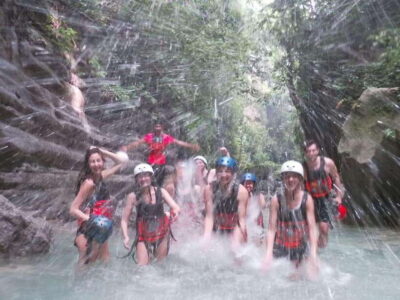
Cebu Moalboal: Kawasan Canyoneering Adventure with Lunch
Read our review →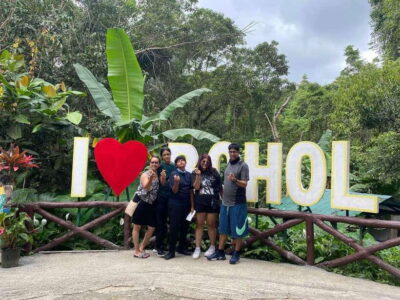
Cebu City: Bohol Countryside Tour with Loboc Cruise Lunch
Read our review →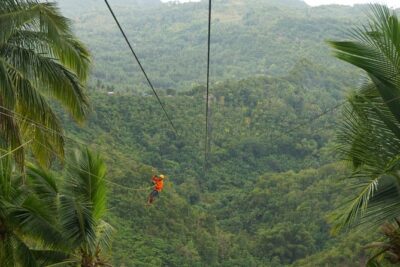
Canyoneering Experience in Kawasan Falls with Lunch
Read our review →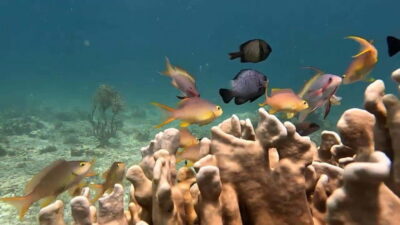
Cebu: Oslob Whale Sharks, Tumalog Falls & Sardine Snorkeling
Read our review →
Cebu: Whale Shark Swim and Kawasan Canyoneering Tour
Read our review →
Cebu: Oslob Whale Sharks, Moalboal Sardine Run & Turtles
Read our review →
Cebu: Kawasan Falls Canyoneering Tour with Ziplining & Lunch
Read our review →Browse the lists this tour appears in