
Reviewed · MANILA TOURS
Manila: Intramuros, Chinatown, and Old Manila Half-Day Tour
Manila’s story comes into focus when you move from the crowded lanes of Tondo Market and Binondo to the stone walls of Intramuros. This tour connects daily life, Chinese-Filipino culture, and Spanish colonial history in one packed morning or afternoon.
I like the mix of walking and local transport, especially the jeepney, tuk-tuk, and tricycle rides. I also like that guides such as Floyd and Venus explain the city through ordinary neighborhoods, food, and family life rather than presenting Manila as only a collection of grand buildings.
The trade-off is the pace. Three hours is short for this much ground, and you may be tired by the time you reach Intramuros. The markets can be hot, noisy, crowded, and confronting, so this is not a gentle sightseeing stroll.
Key points at a glance
- Tondo Market comes first: Walk through working market lanes with produce, seafood, and local food stalls.
- Binondo is the food and culture stop: See Ongpin Street, Binondo Church, and the Filipino-Chinese Friendship Arch.
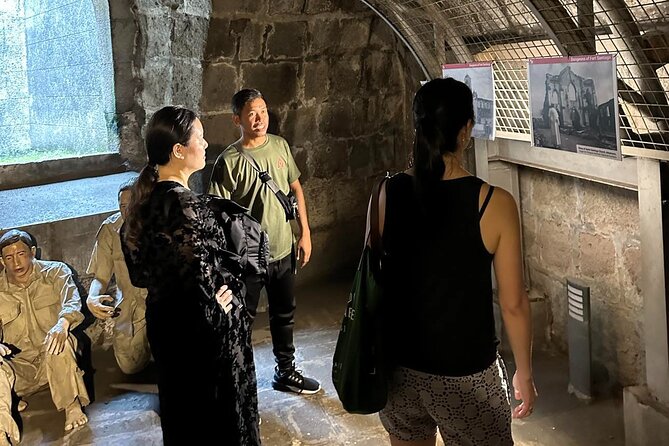
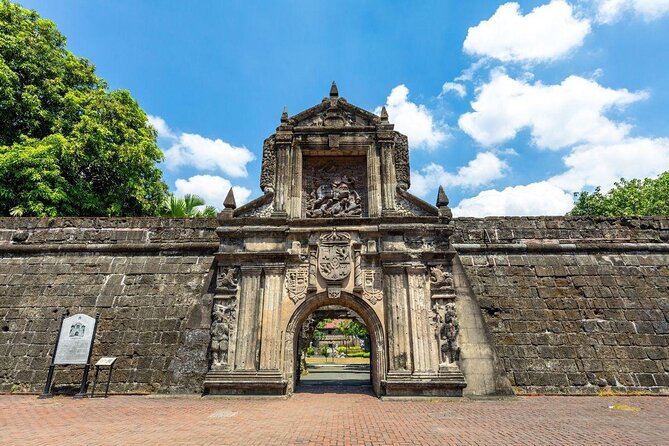
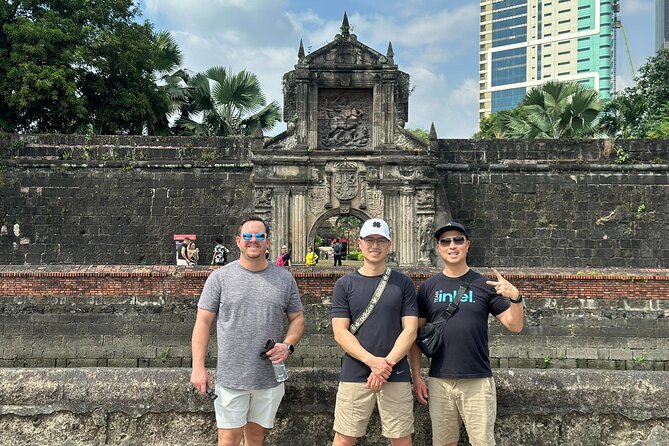
- Intramuros brings the history: Visit Fort Santiago, Manila Cathedral, San Agustin Church, and Casa Manila.
- Local transport is part of the tour: Ride a jeepney, tuk-tuk, and tricycle rather than simply watching city life from a bus.
- The guides shape the experience: Floyd, Venus, Jane, and other local guides are praised for humor, care, and clear explanations.
- Bring stamina: Wear comfortable shoes, use sunscreen, and expect frequent walking in the heat.
Why this half-day tour works
Many Manila sightseeing trips stay in the polished districts around Makati or Bonifacio Global City. This one points you toward older, denser parts of town, where commerce, religion, migration, poverty, and colonial power sit close together.
That contrast is the main reason I would consider booking it. You are not seeing three unrelated attractions. You are moving through different layers of Manila: a market neighborhood, a Chinese-Filipino trading district, and the Spanish walled city.
The route also gives you a useful introduction if you have only a day in Manila. Several people have used it during a short stay or a long layover, and the compact route makes sense for that purpose. You will not see every museum or church in detail, but you will leave with a clearer sense of how the city fits together.
The tour costs $68 per person. That is more than you would pay to visit Intramuros independently, but the price includes a guide, refreshments, photography, and rides on several forms of local transport. The value depends on what you want. If you only want Fort Santiago and San Agustin Church, go on your own and spend more time there. If you want help finding your way through Tondo and Binondo, plus an explanation of what you are seeing, the price is easier to justify.
More walks through old Manila:
- Intramuros, Manila: Historical Bamboo Bike Tour
★ 4.8 · 583 reviews - Experience Intramuros with Bamboo Bicycle – Ecotours
★ 5.0 · 508 reviews - Manila: Guided Sunset Bamboo Bike Tour in Intramuros
★ 4.8 · 119 reviews
Starting in Tondo Market
The meeting point is at Tutuban Center Mall, near the Bonifacio Monument and Lawson convenience store. Ask the mall security staff to help you locate your guide. From there, the route begins around Tondo Market.
Tondo is a working part of Manila, not a polished historic quarter prepared for sightseeing. You can expect narrow lanes, close-set stalls, fresh produce, seafood, and local delicacies. The point is not to admire a single monument. It is to watch the city operate.
A local guide makes a real difference here. Floyd and Venus are frequently praised for helping people feel comfortable, answering questions, and explaining the daily routines behind the market. Their local connections and familiarity with the area can also make the route feel less intimidating than trying to explore it without help.
I would approach this stop with respect. You may see crowded housing and difficult living conditions alongside cheerful conversations and strong neighborhood ties. Several people found this part eye-opening, particularly when comparing the district with the modern towers and shopping centers found elsewhere in Manila.
That contrast can be useful, but it can also be uncomfortable. Treat the market as a living neighborhood, not a stage set. Ask before taking close-up photographs, and follow your guide’s lead. Photography is included, which may help you collect memories without constantly handling your phone, but it does not remove the need for courtesy.
Crossing into Binondo, the world’s oldest Chinatown
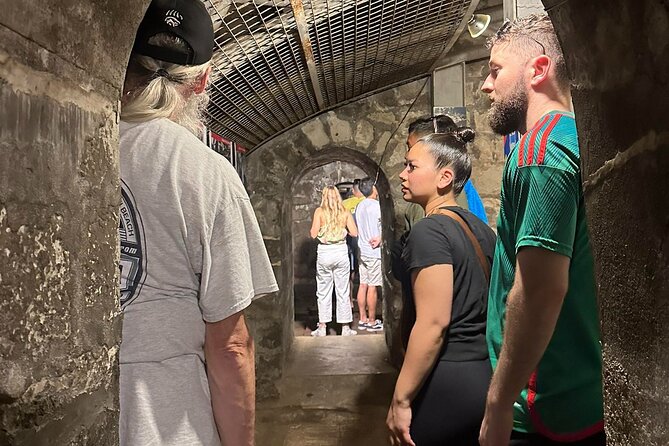
The next major area is Binondo, founded in 1594 and widely described as the world’s oldest Chinatown. Here, Chinese and Filipino traditions have shaped streets, businesses, religious sites, and food over centuries.
Ongpin Street is the central experience. Expect shops, restaurants, food stalls, pedestrians, and traffic packed into a lively commercial corridor. The atmosphere is energetic and crowded, especially around busy periods and before Lunar New Year. If you dislike tight spaces, you may find this section tiring, but it is also one of the tour’s most memorable parts.
Food is a real feature here. Snacks and refreshments are included, and the guide may offer tastes of local and Chinese-Filipino treats along the way. The exact food can vary, so come ready to eat rather than expecting a formal meal. This is a good place to ask your guide what you are trying and how it fits into Manila’s food culture.
Binondo Church offers a quieter historical counterpoint to Ongpin Street. The Filipino-Chinese Friendship Arch provides another visual marker of the long connection between the two communities. Together, these stops show that Chinatown is not simply a tourist district. It is part of Manila’s long commercial and cultural life.
The transport between areas is part of the fun. You may ride a tuk-tuk, tricycle, or jeepney, with the guide helping the group manage the changes. This is not private-car touring. You will see traffic at close range and get a better feel for how people move around the city.
The transport can also slow things down. Manila traffic is part of the experience, but it means the schedule may feel tight. The guide has to keep the group together, find rides, and adjust to conditions on the street. That is one reason the tour fits people who value variety over long visits at each individual site.
Entering Intramuros and its Spanish walls
Intramuros is the most formal part of the route. The name means within the walls, and the district preserves the grid, stonework, churches, and defensive sites associated with Spanish Manila.
After Tondo and Binondo, the change is striking. The market lanes give way to cobblestones, old walls, church facades, and colonial-era landmarks. You will still be walking in a busy capital city, but Intramuros offers a more traditional sightseeing setting.
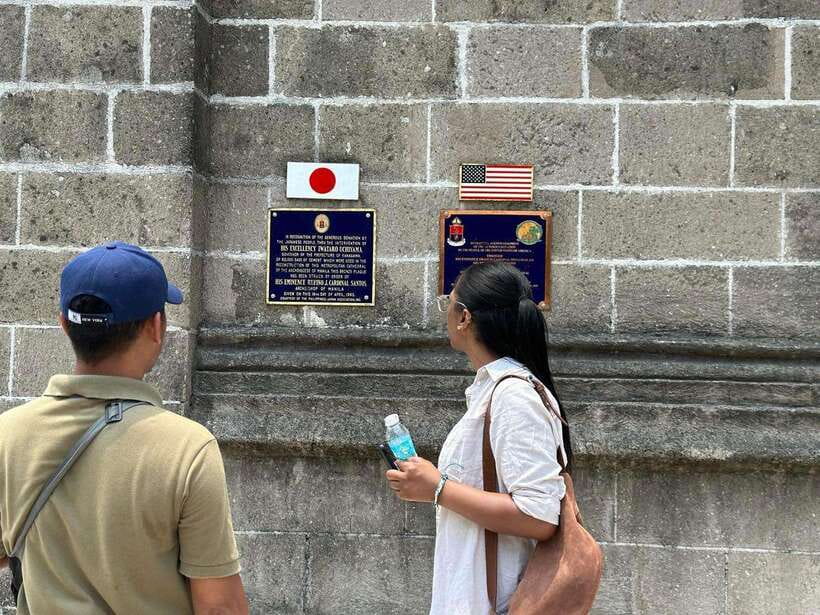
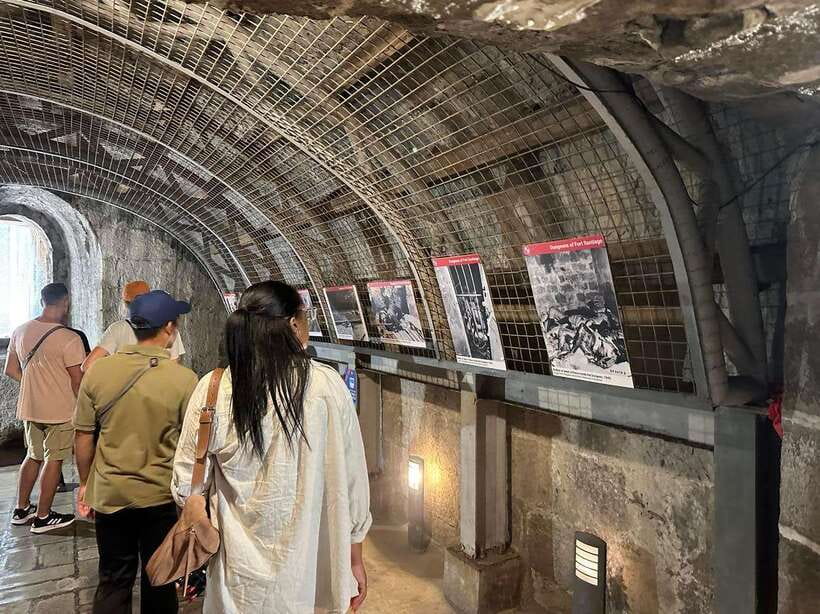
Fort Santiago is the major stop. It served as a defensive stronghold and later became tied to some of the most painful chapters in Philippine history. The site gives the guide room to explain Manila’s colonial past, wartime suffering, and the people connected with the fort. The supplied information does not specify exactly how long you spend inside, so expect a guided visit rather than an extended museum session.
Manila Cathedral is another key landmark. Its importance is both religious and architectural, and it helps explain the role of Catholicism in the city’s colonial development. San Agustin Church, one of the oldest churches in Intramuros, adds another layer. Casa Manila gives you a look at colonial domestic life and the furnishings associated with the Spanish period.
These sites are valuable partly because they follow the markets. After seeing present-day Manila at street level, you can look at the institutions that shaped the city over centuries. A guide such as Jane or a second Intramuros specialist can be especially helpful here, since the buildings make more sense when you know what happened inside and around them.
Do not expect a slow architectural tour. The whole experience lasts three hours, and that time includes transport, markets, food, and several historic sites. You may want to return to Intramuros later if Fort Santiago, Casa Manila, or the churches interest you enough for a longer visit.
A few more Manila day trips to weigh up
- Discover Tagaytay’s Countryside: Half-Day Sightseeing Tour
★ 4.5 · 207 reviews - From Manila: Tagaytay Countryside Wonders: A Half-Day Tour
★ 4.4 · 187 reviews - MANILA HALF-DAY TOUR (4HRS)
★ 4.7 · 43 reviews - Half-Day Manila City Tour
★ 5.0 · 29 reviews
What the guides add
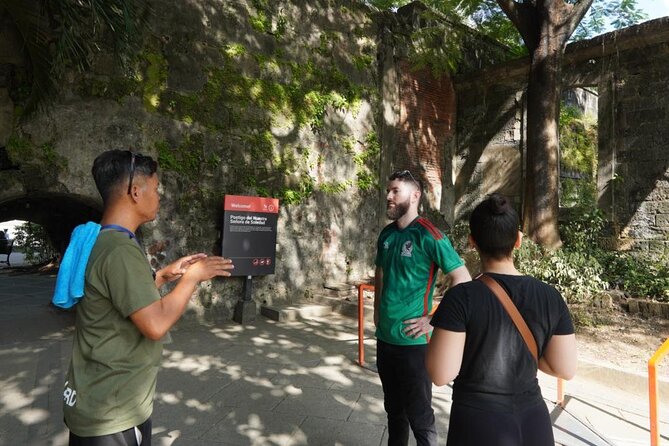
The strongest part of this experience is the human connection. Guides named in the tour material include Floyd, Venus, Jane, and Jason, and their roles may vary depending on the day. Floyd is often described as warm, funny, patient, and well informed about Manila’s culture and past. Venus is known for an energetic style and for helping people manage the route, transport, and timing.
That matters because this is not a route you simply follow while listening to a recording. You need someone who can explain a market stall, help with a jeepney ride, answer a question about housing, and shift from everyday life to church history without losing the thread.
The guides also help solo visitors and mixed groups feel included. One useful feature is the effort to keep people talking to one another, rather than leaving solo participants on the edge of the group. If you have particular interests, such as food, local transport, or history, tell the guide early so the conversation can move in that direction when time allows.
The quality of a short city tour depends heavily on the guide. The high rating of 4.8 out of 5 from 475 ratings suggests strong consistency, but the individual guide still matters. Floyd and Venus receive especially frequent praise in the available feedback, so if you have a way to request a guide, it may be worth asking. A request is not a guarantee.
Walking, heat, and the pace
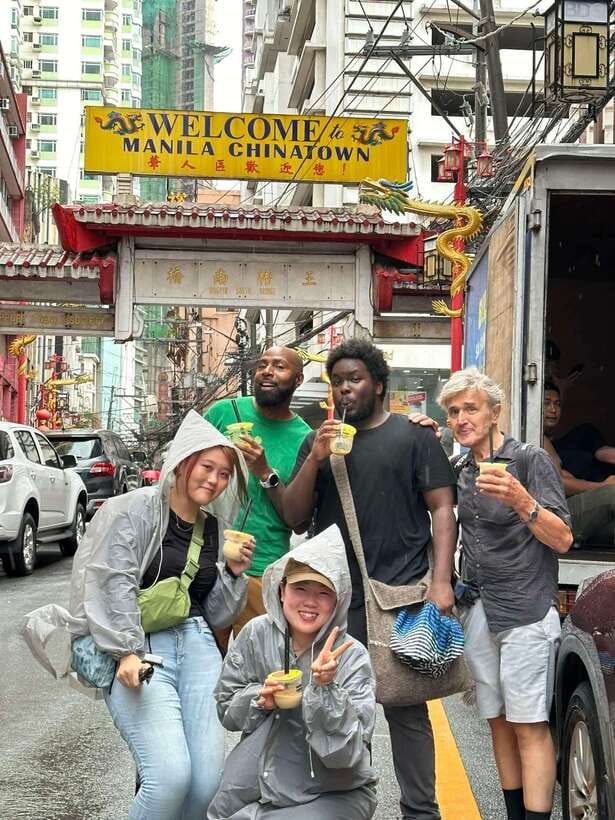
The tour description is clear that you will walk a lot. Comfortable shoes are essential. Sandals with little support are a poor choice for market lanes, cobblestones, and a three-hour route that includes several changes of transport.
You should also bring sunglasses, sunscreen, and a hat or cap. Refreshments are included, but you should not assume they replace your own water supply. The information provided does not give a specific group size, so prepare for a shared tour rather than a private guided walk.
The route is physically manageable for many people, but it is not ideal for anyone who needs frequent sitting breaks. One person found the amount of walking moderate, while another noted that fatigue had set in by Intramuros. Both points can be true: the walking may not be extreme, but the heat, crowds, traffic, and constant movement add up.
Start with enough energy. One useful tip is not to arrive hungry or short on coffee, since the food stops can come during the route and the morning may move quickly. The tour is not suitable for people over 95, according to the provided conditions, and anyone with mobility concerns should ask the operator for current details before booking.
The value of public transport and food
Jeepneys, tuk-tuks, and tricycles are not just convenient ways to connect the stops. They give you a small taste of how Manila’s streets work. You will experience the noise, traffic, and close-up movement that a private vehicle filters out.
This can be one of the most enjoyable parts for you if you like practical cultural experiences. It is also a good photo opportunity, and transportation is included in the price. Still, it may feel less comfortable than an air-conditioned tour vehicle, especially on a hot day.
The included refreshments add modest value, but the larger benefit is the guide’s help in choosing and explaining food along the way. You may try local treats in Binondo or Tondo, though the exact selection is not fixed in the information provided. If you have allergies or dietary restrictions, ask before eating.
The food is another reason to view this as an introduction rather than a full food tour. You get a sampling of local flavor while moving through the neighborhoods, not a long series of seated tastings. If eating is your main goal, a dedicated Binondo food tour may suit you better.
Who should book this experience?
I would recommend it most strongly to first-time visitors who want context quickly. It suits people staying in Manila for a short time, anyone with a long layover, and visitors based in BGC or Makati who want to see parts of the capital beyond modern commercial districts.
It is also a good choice for families with older children and teenagers who can handle heat and walking. The combination of street life, food, transport, churches, and a fort gives the day enough variety to hold attention better than a purely historical tour.
History fans will appreciate Intramuros, but they should know that this is not a full colonial architecture tour. Food lovers will enjoy Binondo, but this is not an organized tasting menu. People interested in social issues may find Tondo especially meaningful, though the route can be emotionally difficult.
I would skip it if you want a slow, polished, air-conditioned sightseeing trip. I would also think twice if you dislike crowds, uneven walking surfaces, or public transportation. The tour’s appeal comes from being close to the city’s everyday rhythm, and that means noise, congestion, and visible inequality are part of the experience.
Booking details worth knowing
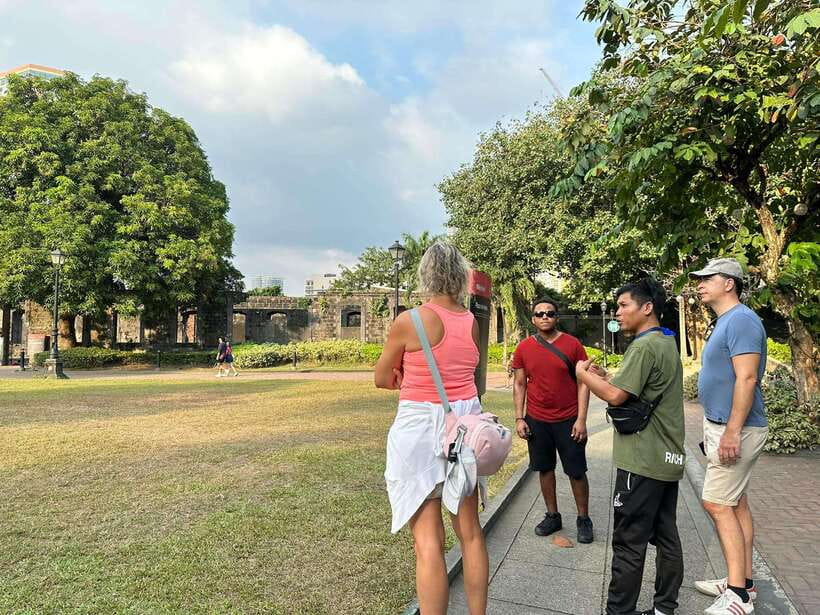
The duration is three hours, with starting times depending on availability. The listed meeting point is Tutuban Center Mall, near the Bonifacio Monument and Lawson convenience store. Confirm the exact meeting instructions when booking, especially because the supplied location line names Nueva Vizcaya while the route and meeting point are in Manila.
Cancellation is free up to 24 hours in advance for a full refund. You can also reserve now and pay later, which is useful when your Manila schedule is still shifting. The live guiding language is English.
Bring comfortable shoes, sunscreen, sunglasses, and a hat. Keep your belongings secure in crowded areas, listen to the guide around traffic, and leave enough room in your schedule afterward to rest or return to the part of Intramuros you liked best.
Should you book the Manila half-day tour?
Book it if you want a fast, street-level introduction to Manila rather than a tidy list of monuments. The best features are the Tondo and Binondo route, the local food, the mix of jeepney, tuk-tuk, and tricycle rides, and guides such as Floyd and Venus who make the city easier to understand.
At $68, it is fair value when you use the guide, refreshments, photography, and transport as a package. The main cost is not money but energy. You will cover a lot in three hours, and the experience may leave you tired.
For a short stay, I think that trade is worthwhile. For a longer visit, use the tour to get your bearings, then return independently to Intramuros, Binondo, or another area that caught your interest.
FAQ
Where does the tour meet?
Meet your guide at Tutuban Center Mall, near the Bonifacio Monument and Lawson Convenience Store. You can ask mall security to help you find the guide.
How long does the tour last?
The tour lasts three hours.
Which areas does the tour visit?
The route includes Tondo Market, Binondo Chinatown, and Intramuros. Stops include Ongpin Street, Binondo Church, the Filipino-Chinese Friendship Arch, Fort Santiago, Manila Cathedral, San Agustin Church, and Casa Manila.
Is transportation included?
Yes. The experience includes rides by tuk-tuk, tricycle, and jeepney, along with walking between points.
What should I wear and bring?
Wear comfortable shoes and bring sunglasses, sunscreen, and a hat or cap. The tour involves a lot of walking.
Is cancellation available?
Yes. You can cancel up to 24 hours before the experience for a full refund. You can also reserve now and pay later.
Just added around Manila
- Philippines Intro 3 days 2 nights Tour Best of Manila and Beyond★ 5.0 · 3 reviews
- MANILA: HISTORICAL KALESA RIDE TOUR EXPERIENCE IN INTRAMUROS★ 4.0 · 3 reviews
- Makati Street food walking tour with Dinner★ 5.0 · 3 reviews
- Bites and Sights: Tagaytay Food and Nature Excursion from Manila★ 4.0 · 3 reviews
- Authentic Manila Chinatown Food Tour Exploration★ 5.0 · 3 reviews
- 4 Day Banaue Ifugao Rice Villages Private tour Trekking★ 4.5 · 3 reviews
- Embark on a 7-Day Banaue-Sagada Adventure of a Lifetime★ 5.0 · 3 reviews
- From Manila: Philippines Private Tour Guide★ 4.1 · 3 reviews
Manila Tours, compared.
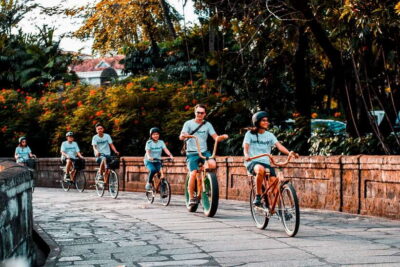
Intramuros, Manila: Historical Bamboo Bike Tour
Read our review →
Experience Intramuros with Bamboo Bicycle – Ecotours
Read our review →
Manila Food Tour: Introduction to Philippine Street Food
Read our review →
Spectacular Manila to Tagaytay: Full-Day Sightseeing Tour
Read our review →
Makati Nightlife: VIP Access to Clubs, Rooftops & Go-Go Bars
Read our review →
Discover Tagaytay’s Countryside: Half-Day Sightseeing Tour
Read our review →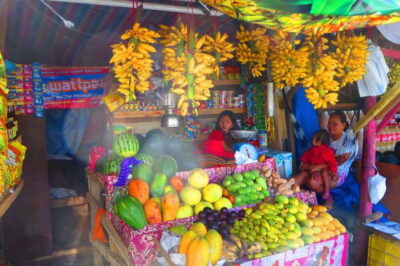
From Manila: Tagaytay Countryside Wonders: A Half-Day Tour
Read our review →
Manila Food Tour: Explore World’s Oldest Chinatown
Read our review →Browse the lists this tour appears in