
Reviewed · MANILA TOURS
Manila Food Tour: Explore World’s Oldest Chinatown
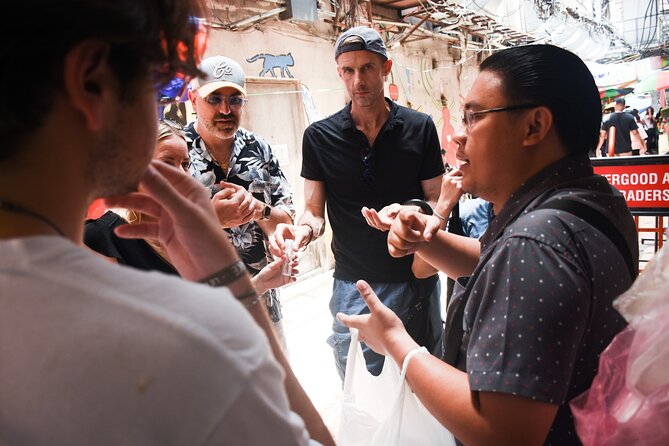
Binondo is best understood one bite at a time. This three-hour walk takes you through Manila’s historic Chinatown, beginning at Binondo Church and moving through food stalls, small restaurants, dumpling shops, noodle counters, dim sum rooms, and a bakery known for hopia. The food is the main event, but the streets and stories give the meal its setting.
I like the eight food tastings, which cover sweet, savory, light, and filling dishes rather than repeating one style of snack. I also like the small-group format, since a guide can help your group reach busy food stops and explain what is on the plate without turning the walk into a lecture.
The main thing to consider is the amount of food. Several stops are filling, and some people cannot finish every serving. The tour is also not suitable for vegans, and the published group limit is described both as 10 and 15 people, so ask ahead if a very small group matters to you.
Key points at a glance
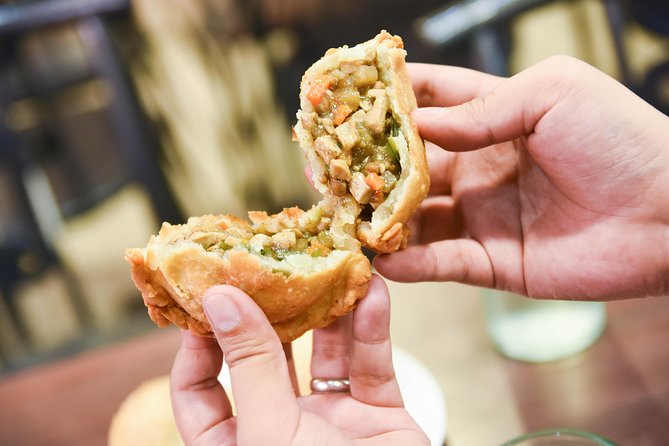
- Eight Filipino-Chinese tastings: Expect fresh lumpia, Kuchay Ah Pie, handmade dumplings, mami, dim sum, hopia, and other sweet or savory bites.
- A practical Binondo introduction: The route links food with the area’s Chinese-Filipino past, rather than treating Chinatown as only a collection of restaurants.
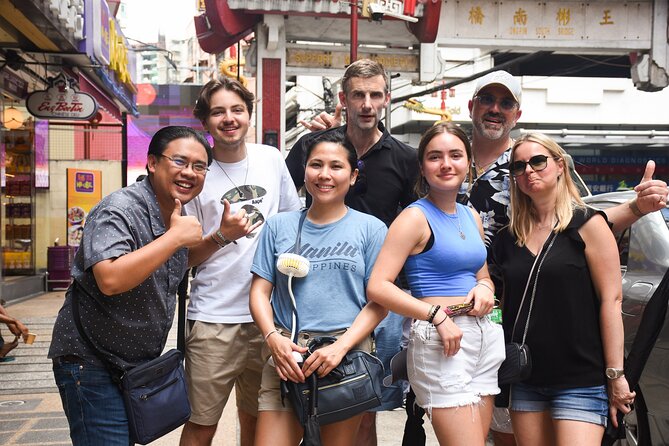
- Guides with different strengths: Jian, Nel, Chloe, Rian, and other listed guides are praised for friendly conversation, food explanations, and help navigating busy stops.
- Three hours on foot: The tour fills a morning or afternoon while leaving the rest of your day open.
- A true appetite test: Several portions are substantial. Skip breakfast for a morning departure, and do not plan a major meal immediately afterward.
- $60 value: The price makes the most sense if you want many tastings, local orientation, and access to small places you might not find alone.
Starting at Binondo Church
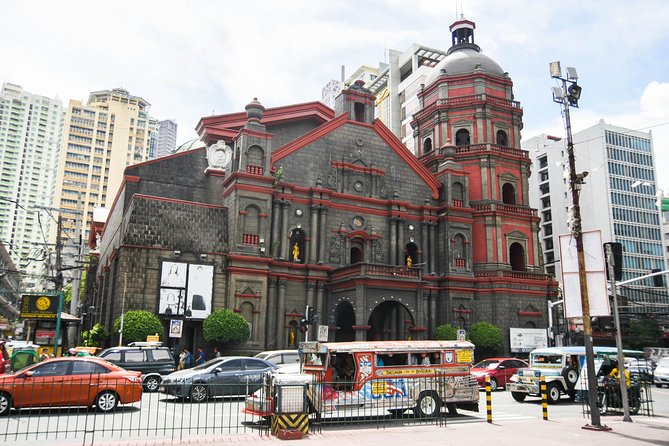
The meeting point is the Minor Basilica and National Shrine of Saint Lorenzo Ruiz, also called Binondo Church, at Plaza Lorenzo Ruiz. This gives you an easy landmark in a busy district and puts you right at the edge of the food walk.
The church is not just a convenient place to meet. It introduces the central theme of the route: Binondo is a place where Filipino and Chinese traditions have lived side by side for generations. Your guide may use the church and surrounding streets to explain how the district took shape before leading you toward the food.
I appreciate a fixed meeting point like this because it removes one common Manila problem: trying to find a small restaurant entrance in a crowded commercial area. You meet at a major, recognizable building, then begin on foot. Private transportation is not included, so you need to make your own way to Binondo and back to the meeting point.
The activity ends where it starts. That is useful if you want to continue exploring independently, return to your hotel, or connect with public transportation after lunch.
More Food Tours in Manila
- Manila Food Tour: Introduction to Philippine Street Food
★ 5.0 · 417 reviews - Manila: Street Food and Drinks Walking Tour with Tastings
★ 4.8 · 114 reviews - Manila: Sightseeing and Food Walking Tour with Tastings
★ 4.7 · 68 reviews
Carvajal Street and the first tastes
Carvajal Street brings you into the food side of Binondo quickly. The route calls for fresh lumpia and Kuchay Ah Pie, two early tastings that show how much variety can fit into a short walk.
Fresh lumpia gives you a softer, lighter opening, while Kuchay Ah Pie brings a pastry-like bite with a savory filling. The appeal is not only the food itself. You are seeing dishes prepared and sold in the same neighborhood where these recipes have been kept in everyday use.
The tour includes sweet and savory food, soft drinks, tea, and bottled water. That matters because the walk is built around sampling, not simply stopping at one restaurant for a standard lunch. You get several small windows into local cooking, with enough range to figure out what you would like to order again later.
One practical note: the food is served in a steady sequence. If you take the tour in the morning, skip breakfast or have only something very light. The phrase come hungry is useful advice here, not a slogan.
Handmade dumplings and small local shops
Dumplings are one of the strongest parts of this experience. The route includes a stop where dumpling making is done by hand, and the guide introduces the work behind the food as well as the finished dish.
This is the kind of stop that makes a guided food walk worthwhile. You could find dumplings in many cities, but a guide helps you understand why this particular shop belongs on the route and how it fits into Binondo’s food culture. The practical benefit is just as important: one guide helped a group get served quickly despite a long queue because the shop knew the tour leader.
The dumpling stop also receives some of the warmest praise in the feedback. One visitor compared the dumplings favorably with versions tried in the San Francisco Bay Area. That is a personal judgment, of course, but it points to what you should expect: this is not a token sample added to pad the itinerary.
Portions can be larger than you expect. Several groups shared food at stops, and some guides helped wrap leftovers for later. If you are with friends or family, sharing may let you taste everything without reaching the point where you are simply too full to pay attention.
Mami, the comfort-food stop
The next major taste is mami, a noodle soup tied closely to Filipino comfort food. After pastries and dumplings, a warm bowl gives the route a different texture and pace.
Mami is also a useful example of how the walk connects Chinese influence with Filipino eating habits. The point is not to label every dish as simply Chinese or Filipino. Instead, you see how food changes as people, recipes, and businesses become part of Manila life.
This stop can be filling, especially when combined with the rest of the menu. You may not receive a full restaurant-sized bowl, but the tour includes enough substantial food that lunch afterward is unlikely to be necessary. Schedule the experience as your main meal of the day.
The guide’s commentary can make a big difference here. Jian, Nel, Chloe, and Rian are each described as personable and strong on explanations about food and local culture. The quality of any food walk depends partly on who leads it, but the available guide feedback points to a team that knows how to keep the group moving while still making room for questions.
Same island, a completely different kind of day:
- Intramuros, Manila: Historical Bamboo Bike Tour
★ 4.8 · 583 reviews - Experience Intramuros with Bamboo Bicycle – Ecotours
★ 5.0 · 508 reviews - Manila: Intramuros, Chinatown, and Old Manila Half-Day Tour
★ 4.8 · 475 reviews - Manila: Old & New 4-Hour City Tour
★ 4.5 · 458 reviews
Classic dim sum in Binondo
The route then reaches a destination known for classic dim sum. This is where the Filipino-Chinese character of the tour becomes especially clear. You are not only tasting dumplings as street snacks, but also seeing how dim sum works within Binondo’s established restaurant culture.
The stops are arranged so you do not simply eat one large meal in one room. Instead, the guide spaces out the dishes and introduces each place along the way. That pacing helps, although you should still expect a serious amount of food across the full three hours.
I like this structure for a first visit to Binondo because the district can feel hard to read on your own. A guide helps you avoid spending your limited time guessing which doorway leads to the food you want. You can focus on tasting, watching the streets, and listening to the background rather than constantly checking where to go next.
The tradeoff is that a group tour gives you less freedom than an independent food crawl. You follow the planned route and the group’s timing. If you have a very short list of specific restaurants, or if you prefer lingering over one dish, this may feel too organized.
Ending with hopia at a historic bakery
The final food stop is a bakery known for hopia, the flaky pastry commonly associated with Chinese-Filipino cooking. Several flavors are offered, giving you a sweet finish and a chance to compare fillings rather than ending with one standard dessert.
Hopia is also a practical souvenir. The tour information does not promise shopping time, but the pastry is easier to carry than soup or freshly steamed dim sum. If you enjoy the taste, ask your guide where to buy more before you leave the district.
Ending at a bakery works well for the route. The earlier tastings move from lighter street food into dumplings, noodles, and dim sum, while hopia closes the meal with something portable and sweet. By this point, you may be full enough to treat the last stop as a small final bite rather than a full dessert.
Do not expect every item to appeal equally. One mixed assessment found the food fine but not especially memorable and felt the Chinatown background was limited. That is the fair warning to keep in mind: the tour is strongest for variety, access, and guidance. If you want a deep historical walking tour with only a little food, this is not the right format.
What the guides add to the walk
The named guides include Jian, Nel, Chloe, and Rian. Jian is the tour owner and is described as flexible and attentive when bad weather disrupted a planned outing. Nel is praised for cheerful energy, patience with food restrictions, and stories about Chinatown. Chloe is noted for lively explanations and for helping with practical details after the tour, including waiting with one person until a taxi arrived. Rian is described as personable, with strong English and useful context about Manila and the food.
These details matter because a three-hour food walk can be either a string of transactions or a real introduction to a district. The best reports point to guides who explain ingredients, local customs, restaurant history, and Filipino life while keeping the group on schedule.
The guide may also help with dishes that seem unfamiliar. One group chose to share a pigeon among seven people after receiving the option to try it. That specific item is not guaranteed, so do not book expecting pigeon, but it shows how the route can include food beyond the standard tourist menu.
Food restrictions deserve a direct conversation before booking. The tour is listed as unsuitable for vegans. One guide was able to accommodate various restrictions, but that does not mean every dish can be changed or that all dietary needs can be met. Tell the provider in advance rather than relying on substitutions during the walk.
Three hours, walking, and group size
The experience lasts about three hours and returns to Binondo Church. The route is on foot, and the activity is near public transportation. Private transportation is not included.
A three-hour length is a useful middle ground. You get enough time for eight tastings and neighborhood context, but you still have the afternoon or evening for another Manila activity. Some departures may leave you very full, so allow time to walk it off rather than booking a second food event right away.
You should wear comfortable walking shoes. The route moves between multiple food stops, and the streets of Binondo are part of the experience. Most people can participate, according to the tour information, but anyone who finds extended walking or crowded urban streets difficult should consider that before booking.
The small-group promise is important to the tour’s value. The main description gives a maximum of 10 people, while the additional booking information lists a maximum of 15. If you strongly prefer an intimate group, confirm the expected size when you book. A smaller group generally makes it easier to hear the guide, share dishes, and move through busy eateries.
Is $60 a fair price?
At $60 per person, this is not the cheapest way to eat in Manila. You could order individual dishes in Binondo for less, especially if you already know where to go and do not need background on the neighborhood.
The value improves if you want eight tastings in one organized outing. The price includes snacks, soft drinks, tea, and water, as well as the guide’s time and route planning. You are also paying for access to small places that may be difficult to identify on your own, plus help ordering and sharing food.
I would consider the price reasonable for a first visit, particularly if you are traveling alone or with a small group and want an efficient introduction to Binondo. It is less compelling for repeat Manila visitors who already know the district’s food stalls and prefer to order only what they want.
The tour is also a useful way to reduce decision fatigue. Instead of spending an hour comparing menus and wondering which shop is worth the queue, you receive a planned sequence. That convenience has real value in a crowded district, even if the individual dishes are not all spectacular.
Who should book this Binondo food walk?
This experience suits you if you want:
- A first taste of Manila’s Chinese-Filipino food culture
- Several dishes in one outing
- A guide who can explain food and local customs
- A short tour that leaves the rest of the day open
- Small restaurants and food counters you might not find alone
- A social experience with a maximum group size listed between 10 and 15 people
It may not suit you if you are vegan, dislike eating a lot in one sitting, or want a private itinerary with complete control over each stop. It is also not the best choice if your main goal is a long, detailed history walk and food is secondary.
The overall rating is 4.9 from 158 ratings, with 99 percent recommending it. That strong record fits the tour’s main strengths: generous portions, a well-paced route, friendly guides, and a broad set of foods. The occasional middling experience is useful too, since it reminds you that the tour is about the whole neighborhood and meal rather than a guarantee that every bite will be extraordinary.
Booking advice and cancellation terms
Book a morning departure if you want cooler conditions and a full afternoon afterward, but eat very little beforehand. A weekday may make the route easier to manage, though the supplied details do not promise a quieter schedule.
Mobile tickets are available, group discounts may apply, and confirmation is provided when you book. Free cancellation is available up to 24 hours before the start time for a full refund. Changes or cancellations made less than 24 hours before the start are not accepted for a refund. Poor weather can also cancel the activity, in which case you are offered another date or a full refund.
Should you book the Manila Chinatown food tour?
Book it if you want an efficient, food-heavy introduction to Binondo and prefer having Jian, Nel, Chloe, Rian, or another guide handle the route and explanations. The strongest reason to go is the combination of eight tastings, small local food stops, and neighborhood context in only three hours.
Skip it if you need vegan options, dislike large meals, or already know exactly where you want to eat in Chinatown. For most first-time visitors to Manila who enjoy trying many foods and want help making sense of Binondo, the $60 cost is justified. Just arrive hungry, wear good walking shoes, and confirm the group size and dietary options before you pay.
FAQ
Where does the Manila food tour begin?
It begins at the Minor Basilica and National Shrine of Saint Lorenzo Ruiz, also known as Binondo Church, at 1006 Plaza Lorenzo Ruiz in Binondo, Manila.
Where does the tour end?
The activity ends back at the Binondo Church meeting point.
How long does the experience last?
The tour lasts approximately three hours.
How many foods are included?
The tour includes eight different food items, ranging from sweet to savory.
What drinks are included?
Soft drinks, tea, and bottled water are included.
Is transportation included?
No. Private transportation is not included. The tour takes place on foot and is near public transportation.
Is the tour suitable for vegans?
No. The tour information states that it is not suitable for vegans.
How large is the group?
The main description lists a maximum of 10 people for the small-group tour. Additional booking information lists a maximum of 15, so confirm the expected group size if this is important to you.
Can most people participate?
Yes. The additional information says most people can participate. You should still consider the walking involved and the amount of food served.
Can I cancel for a full refund?
Yes. You can cancel at least 24 hours before the experience start time for a full refund. Cancellations or changes made less than 24 hours before the start are not accepted for a refund.
Just added around Manila
- Makati Street food walking tour with Dinner★ 5.0 · 3 reviews
- Philippines Intro 3 days 2 nights Tour Best of Manila and Beyond★ 5.0 · 3 reviews
- MANILA: HISTORICAL KALESA RIDE TOUR EXPERIENCE IN INTRAMUROS★ 4.0 · 3 reviews
- Bites and Sights: Tagaytay Food and Nature Excursion from Manila★ 4.0 · 3 reviews
- Authentic Manila Chinatown Food Tour Exploration★ 5.0 · 3 reviews
- 4 Day Banaue Ifugao Rice Villages Private tour Trekking★ 4.5 · 3 reviews
- Embark on a 7-Day Banaue-Sagada Adventure of a Lifetime★ 5.0 · 3 reviews
- From Manila: Philippines Private Tour Guide★ 4.1 · 3 reviews
Manila Tours, compared.
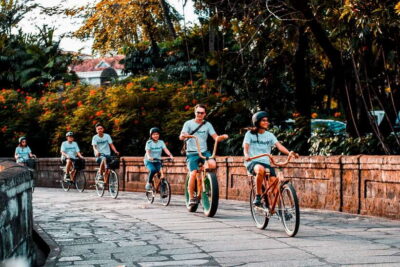
Intramuros, Manila: Historical Bamboo Bike Tour
Read our review →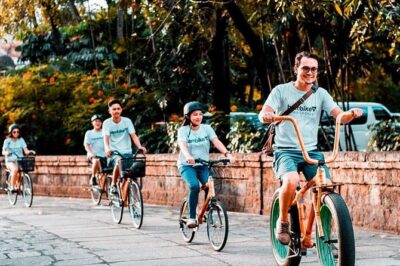
Experience Intramuros with Bamboo Bicycle – Ecotours
Read our review →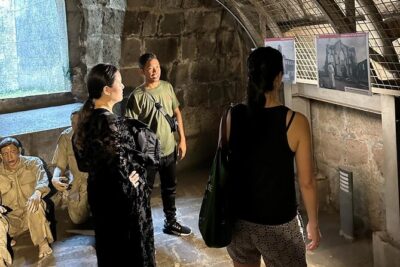
Manila: Intramuros, Chinatown, and Old Manila Half-Day Tour
Read our review →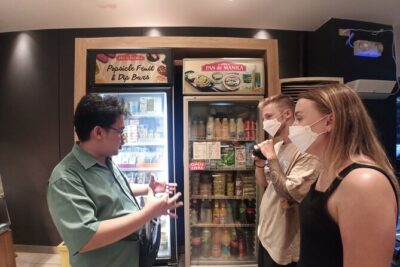
Manila Food Tour: Introduction to Philippine Street Food
Read our review →
Spectacular Manila to Tagaytay: Full-Day Sightseeing Tour
Read our review →
Makati Nightlife: VIP Access to Clubs, Rooftops & Go-Go Bars
Read our review →
Discover Tagaytay’s Countryside: Half-Day Sightseeing Tour
Read our review →
From Manila: Tagaytay Countryside Wonders: A Half-Day Tour
Read our review →Browse the lists this tour appears in