
Reviewed · CEBU TOURS
Cebu City: Historical, Local Cuisine & Mountain Guided Tour
Cebu’s story comes at you quickly on this history-and-hills tour, from the old walls of Fort San Pedro to the Taoist Temple and Sirao Flower Farm above the city. You also get hotel pickup, an air-conditioned vehicle, and a small group capped at six people.
I like the mix of major sights and local food, and I like the practical hotel-to-hotel service from Cebu City or Lapu-Lapu City. The main concern is time: nine stops are packed into a stated four hours, so some visits may feel more like quick looks than proper explorations.
Key points at a glance
- Nine stops in about four hours: Fort San Pedro, two Santo Niño sites, three museums, Magellan’s Cross, the Taoist Temple, Chixboy, and Sirao Flower Farm.
- A useful Cebu overview: You cover Spanish-era history, Catholic traditions, local culture, Taoism, food, and mountain views in one outing.
- Lunch credit included: Chixboy provides a meal valued at 500 Philippine pesos, though anything above that amount costs extra.
- Small-group transport: The group is limited to six, with air-conditioning and pickup and drop-off at hotels in Cebu City or Lapu-Lapu City.
- Guide quality matters: Paul received especially warm praise for being friendly, punctual, and informative. One outing had a driver acting as guide despite not knowing the history.
- Check the timing carefully: One group finished in three hours, and one person reported seeing only three historic sites, so the actual route can vary.
Cebu history in fast, useful chapters
This tour works best as an introduction to Cebu. You are not spending half a day in one museum or church. Instead, you move through the city and connect several places that explain how Cebu became a center of Spanish rule, Catholic devotion, trade, and modern Philippine life.
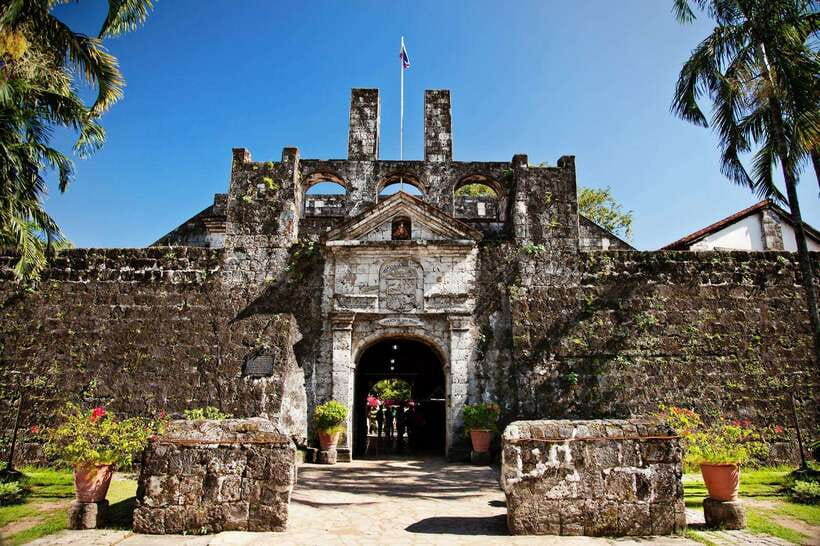
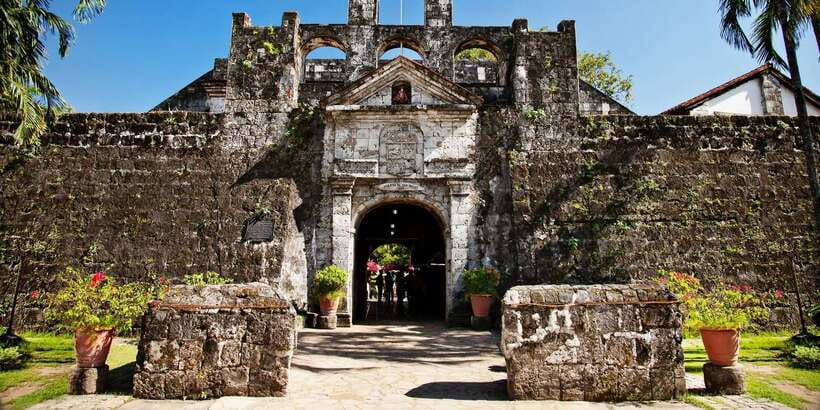
The route begins at Fort San Pedro, one of the clearest reminders of the Spanish period. The compact fort gives you a physical sense of colonial defense, with old walls and a layout that is easier to understand in person than from a history book. A 30-minute guided visit is enough for an overview and photographs, but not for lingering over every detail.
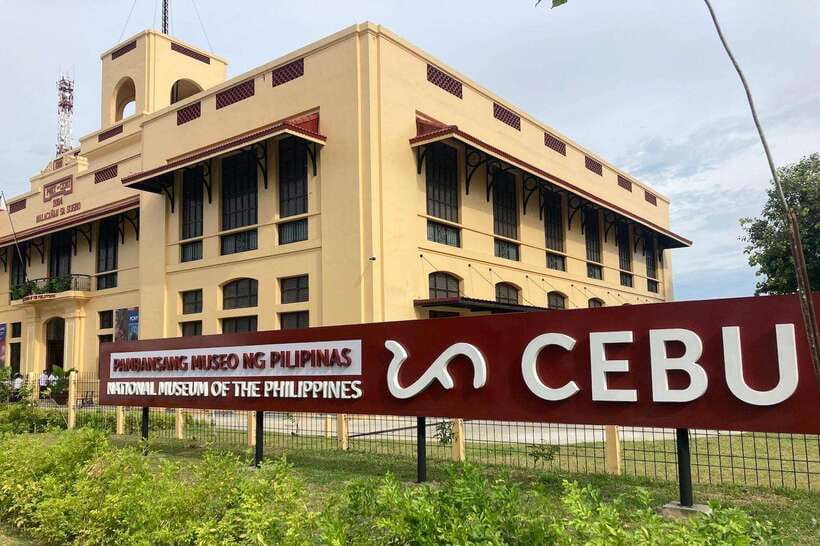
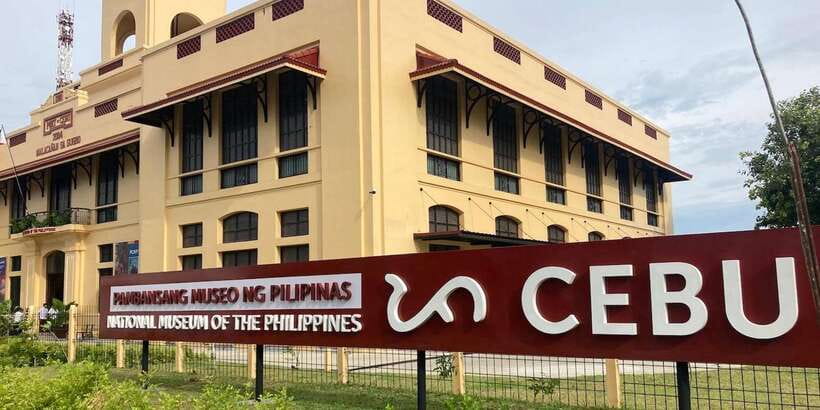
From there, the National Museum of the Philippines Cebu Branch adds a cultural layer. Its exhibits cover regional objects, art, and history, helping place Cebu within the wider story of the Philippines. If you enjoy museums, you may wish this stop had more time. The schedule allows about 30 minutes, which means you should expect selected highlights rather than a slow museum visit.
The next pair of stops focuses on Santo Niño. At the Museo Basílica del Santo Niño, religious objects and older artifacts show how Catholic devotion developed in Cebu. The Basilica Minore del Santo Niño de Cebu then gives you the living setting for that tradition. The church is one of the country’s oldest, and its age and importance are central to Cebu’s identity.
Having the museum and basilica together is useful because you get both the objects and the place where worship continues. Each is scheduled for about 30 minutes. Keep your expectations realistic, though. The guide can explain the key points, but the pace may leave little time for quiet reflection or close study.
A few more Cebu day trips to weigh up
- The Original Cebu City Historical and Food Walking Tour
★ 4.5 · 81 reviews - Cebu: Exploring Cebu City’s rich history and Uphill Tour
★ 4.5 · 68 reviews - Cebu City: Historical Street and Food Tour
★ 4.9 · 31 reviews
Magellan’s Cross and Cebu’s Catholic center
Magellan’s Cross is a short stop, listed at 15 minutes. It is one of Cebu’s most recognizable landmarks and is tied to the arrival of Christianity in the Philippines. The stop is brief because the site itself is compact, but it belongs on a first visit to Cebu.
This is a good place for photographs and a quick explanation from your guide. It is not the kind of attraction that fills an hour, so the short visit makes sense. Still, if you want a long look at the surrounding church complex or a detailed religious history lesson, this tour may move on before you are ready.
The religious portion of the route is one of its strongest features. Fort San Pedro and the museums explain public history, while Santo Niño and Magellan’s Cross show how that history remains part of everyday Cebu. You get a useful sequence rather than a random collection of photo stops.
Chixboy lunch, snacks, and mountain views
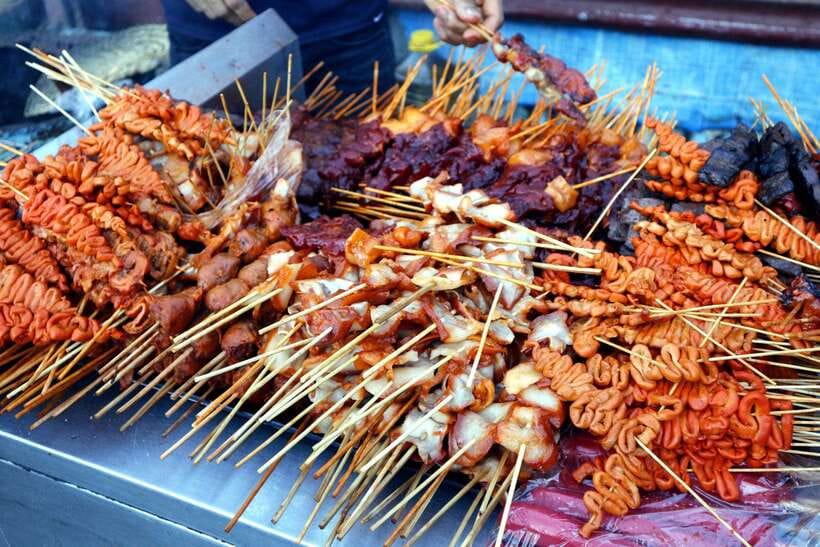
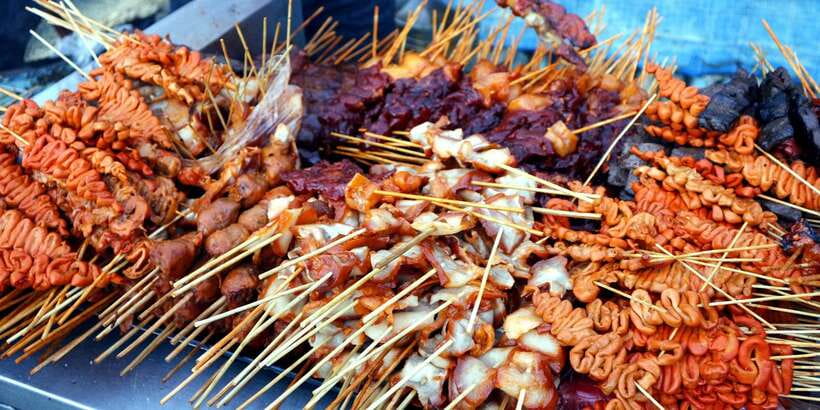
The Chixboy stop is intended to add local flavor to the day. The tour includes food valued at 500 pesos, with any amount above that charged to you. The description also refers to street food and local snacks, so you may receive a selection that includes items such as fruit and rice cakes.
Food is one area where you should keep your expectations measured. One outing included a large amount of delicious street food, while another included mainly fruit and rice cakes and did not find the food selection especially memorable. The exact offering can vary, so think of this as a chance to sample local fare rather than a carefully planned food tour.
The restaurant sits in the mountains and gives you a broad view over Cebu City. That setting adds real value, especially after the tightly packed historic stops. You can eat, take photographs, and see the city from above rather than only from street level.
The lunch credit is helpful at a price of $81 per person, but it is not an all-you-can-eat promise. Check what is covered before ordering beyond the 500-peso amount. If you are choosing this outing mainly for food, you may find the history and sightseeing portions more dependable than the culinary side.
Museo Sugbo and the city’s local story
Museo Sugbo occupies a former provincial jail, which gives the museum an unusual setting before you even reach its exhibits. Its displays cover Cebu’s colonial period, customs, and cultural development. The stop is scheduled for only 20 minutes, so your guide will need to point you toward the most important rooms and objects.
I like this stop because it broadens the tour beyond the most famous Spanish and Catholic landmarks. Fort San Pedro tells one part of Cebu’s colonial story, while Museo Sugbo helps you see how local identity developed through different periods.
The short timing is the drawback. If museums are a priority for you, this tour gives you a sample of Museo Sugbo, not a full visit. You can still gain useful context, but you will not have much time to read every display or explore at your own pace.
Same island, a completely different kind of day:
- Cebu City: Whale Shark Swimming & Kawasan Falls Canyoneering
★ 4.7 · 665 reviews - Cebu Moalboal: Kawasan Canyoneering Adventure with Lunch
★ 4.9 · 630 reviews - Cebu City: Bohol Countryside Tour with Loboc Cruise Lunch
★ 4.5 · 488 reviews - Canyoneering Experience in Kawasan Falls with Lunch
★ 5.0 · 440 reviews
Taoist Temple above Cebu City
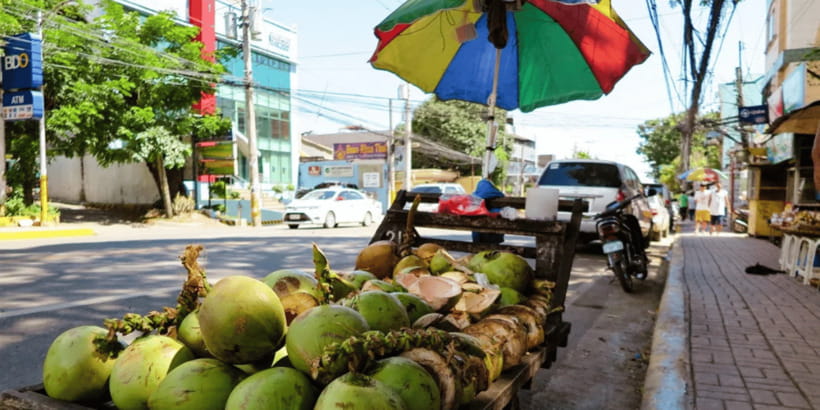
The Taoist Temple changes the tone of the tour. Its ornate design, detailed features, and calm setting introduce Taoism and show another part of Cebu’s religious life. The site also offers broad views across the city, making it one of the more scenic stops.
You have about 30 minutes here. That is enough to walk around, take photographs, and listen to a basic explanation of Taoist practices. The temple is a place for respectful sightseeing, so follow any posted rules and do not treat every area as a photo set.
This stop helps prevent the tour from becoming a narrow Spanish-colonial circuit. Cebu’s story includes Catholic traditions, local customs, and Chinese-Filipino influence, and the Taoist Temple gives you a direct look at that wider mix.
Sirao Flower Farm and the ride into the hills
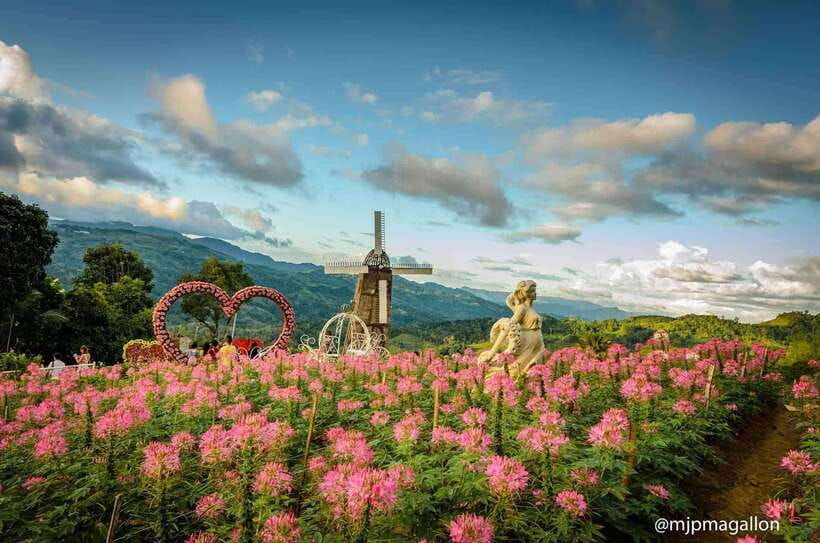
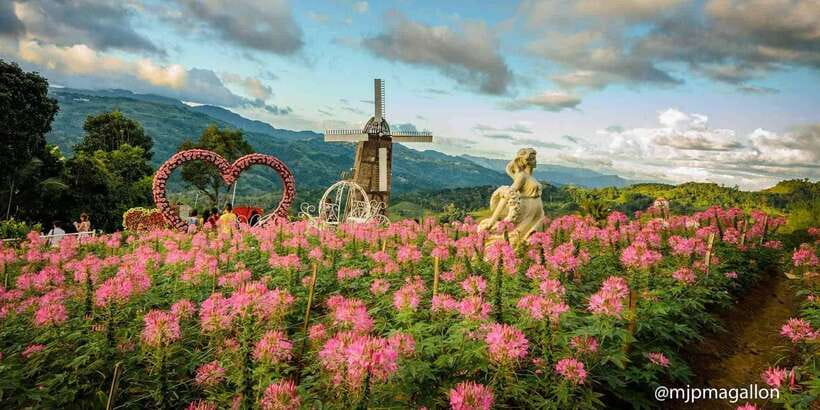
Sirao Flower Farm is the final listed stop. Its colorful flower displays provide a cheerful ending and plenty of places for photographs. The site is more about views, color, and atmosphere than historical explanation.
The scheduled visit is about 30 minutes. That works if you want a quick walk and pictures, but you should not expect a long garden visit. The hills also give you a different view of Cebu after the city museums and churches.
The description of the route calls this a mountain tour, but the mountain element is primarily the trip to Chixboy and Sirao. You are not signing up for a hike. Transport takes you between the stops, and the sightseeing is designed for a broad range of visitors who want to see the hills without arranging separate transport.
What the guide and vehicle add
Pickup and drop-off are included at hotels in Cebu City and Lapu-Lapu City. That is a strong practical benefit because the route covers scattered sites and climbs into the hills. An air-conditioned vehicle matters in Cebu’s heat, especially when you are moving between outdoor landmarks.
The group limit is six people. A small group can make hotel pickup and quick stops easier, and it gives you a better chance to ask questions than a large bus tour. It also means the experience depends heavily on the guide assigned to your vehicle.
Paul received especially strong praise for punctual pickup, friendly conversation, and explanations about Philippine history. Jebb was also described as informative, gracious, and patient. Those names are useful when you receive your confirmation or meet your guide, since a clear introduction can help you understand who is leading the tour.
There is one serious service point to clarify before booking. On one outing, the driver became the guide while the actual guide stayed in the vehicle, and the driver admitted he did not know the history of the sites. Another booking resulted in no pickup at all. These reports do not prove that every departure has the same problem, but they are enough reason to confirm your pickup time, hotel address, and guide details in advance.
Is $81 good value for four hours?
At $81 per person, the tour is not the cheapest way to see Cebu. Its value comes from combining transport, an English-speaking guide, hotel pickup and drop-off, a small group, several admission-based sights, and a 500-peso lunch allowance.
If you hired separate transport and tried to arrange Fort San Pedro, the museums, Santo Niño, the Taoist Temple, and Sirao yourself, coordination could take time. The tour handles that work in one booking. For a first visit, that convenience can justify the price.
The catch is the stated duration. The program lists nine stops in four hours, although the description uses the phrase full-day. Those two descriptions do not match. One outing finished in three hours, and one person reported seeing only three historic sites. You should treat the tour as a compressed city overview, not a full examination of every attraction.
The price makes the most sense if you value door-to-door transport and want to cover a lot of ground. It makes less sense if you prefer slow museum visits, long meals, or plenty of unplanned time.
Who should book this Cebu tour?
I would recommend it to a first-time Cebu visitor with limited time. You will see the city’s best-known historic sites, get a taste of local snacks, and reach the hills without arranging several separate rides.
It also suits you if you are staying in Lapu-Lapu City and want a guided day away from the resort area. Hotel pickup and air-conditioning remove much of the effort involved in crossing between the two areas.
Families and small groups may appreciate the limited group size, especially if everyone wants a simple overview. The route includes walking at forts, museums, churches, the temple, and the flower farm, so comfortable shoes and flexibility will help.
I would hesitate if your main goal is a serious food tour. The food selection can be modest, and the included amount is capped at 500 pesos. I would also hesitate if you want a polished lecture at every stop. The guide can make or break the experience, and the service reports are mixed despite several very positive accounts.
The tour runs rain or shine, so bring a light rain layer and accept that outdoor stops may feel different in wet weather. The activity is conducted in English, and free cancellation is available up to 24 hours before departure. You can also reserve now and pay later, which helps if your Cebu schedule is still changing.
Should you book it?
Book this tour if you want maximum coverage in a short window, dependable vehicle transport, and a small group rather than a large coach. Its best moments are the contrast between Fort San Pedro, Santo Niño, the Taoist Temple, and the mountain views at Chixboy and Sirao.
Skip it if you want depth. The schedule is crowded, the street food component may be lighter than expected, and guide quality needs confirmation. Before paying, verify your pickup details and ask whether the assigned guide will personally lead the historical visits. If that point is clear, the tour can be a useful first pass through Cebu, with enough variety to help you decide where to return for a slower visit.
FAQ
How long is the Cebu historical, food, and mountain tour?
The stated duration is four hours. One outing finished in three hours, so the actual length may vary.
Where can pickup and drop-off take place?
Pickup and drop-off are available at hotels in Cebu City or Lapu-Lapu City.
How many people are in the group?
The tour is limited to six participants.
Is transportation included?
Yes. Transportation is provided in an air-conditioned vehicle, along with hotel pickup and drop-off.
What language does the guide speak?
The live guide conducts the tour in English.
Is lunch included?
The Chixboy stop includes food valued at 500 Philippine pesos. Any amount above that value is charged separately.
Which historic sites are included?
The route includes Fort San Pedro, the National Museum of the Philippines Cebu Branch, Museo Basílica del Santo Niño, Basilica Minore del Santo Niño de Cebu, Magellan’s Cross, and Museo Sugbo.
Does the tour include the Taoist Temple and Sirao Flower Farm?
Yes. The Taoist Temple and Sirao Flower Farm are both included, with about 30 minutes scheduled at each.
What happens if it rains?
The tour operates rain or shine. You can cancel up to 24 hours in advance for a full refund, according to the booking terms.
Just added around Cebu
- Kawasan Falls Canyoneering Transfers from Cebu with Lunch★ 5.0 · 3 reviews
- Cebu: Oslob Whale Shark, Simala Church & Ka Treasure Argao★ 4.8 · 3 reviews
- Cebu: Pescador Island, Sardines run and Kawasan Canyoneering★ 5.0 · 3 reviews
- Private Kawasan Falls Canyoneering w/ Lunch★ 5.0 · 3 reviews
- Cebu: Moalboal Snorkeling and Kawasan Falls Canyoneering★ 5.0 · 3 reviews
- Cebu: Mantayupan Falls, Hermit’s Cove & Bojo River Eco Tour★ 4.8 · 3 reviews
- Cebu & Lapu-Lapu City Tour With Lunch at House of Lechon★ 5.0 · 3 reviews
- Whale Shark Swimming, Tumalog Falls and Kawasan Canyoneering★ 3.5 · 3 reviews
Cebu Tours, compared.

Cebu City: Whale Shark Swimming & Kawasan Falls Canyoneering
Read our review →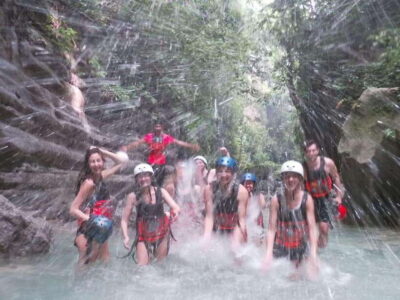
Cebu Moalboal: Kawasan Canyoneering Adventure with Lunch
Read our review →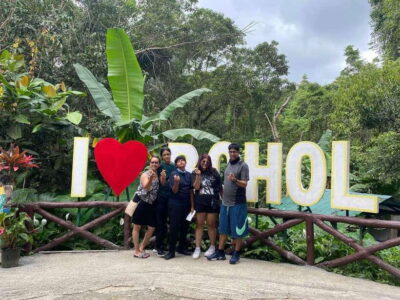
Cebu City: Bohol Countryside Tour with Loboc Cruise Lunch
Read our review →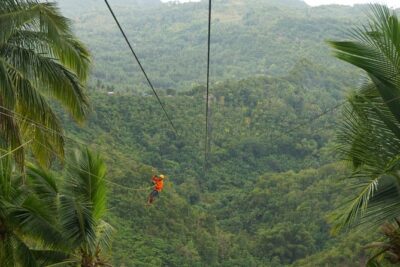
Canyoneering Experience in Kawasan Falls with Lunch
Read our review →
Cebu: Oslob Whale Sharks, Tumalog Falls & Sardine Snorkeling
Read our review →
Cebu: Whale Shark Swim and Kawasan Canyoneering Tour
Read our review →
Cebu: Oslob Whale Sharks, Moalboal Sardine Run & Turtles
Read our review →
Cebu: Kawasan Falls Canyoneering Tour with Ziplining & Lunch
Read our review →Browse the lists this tour appears in