
Reviewed · MANILA TOURS
Viva Old Manila: Intramuros Walking Tour
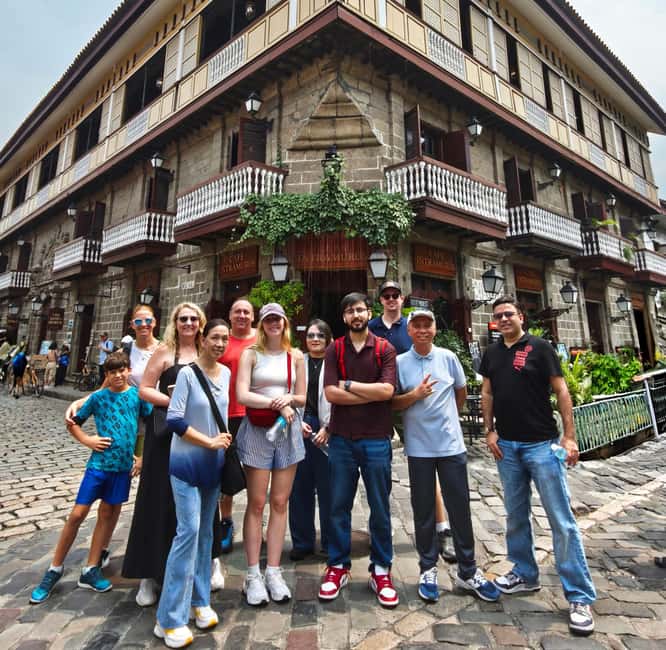
Fort Santiago’s old walls, wartime dungeon, and Jose Rizal’s final hours give this three-hour Intramuros walk real weight. You move from Spanish rule to the Pacific War, then into churches and a colonial home, so Old Manila feels like a connected story rather than a string of photo stops.
I like the guides’ lively approach, especially the mix of facts, myths, humor, and old photographs. I also like the practical route: admission fees are covered, the group walks at a steady pace, and the guide helps you find your way through an area that can be confusing at first. The main drawback is simple: this is a timed walking tour, so you cannot linger at every site.
Key points at a glance
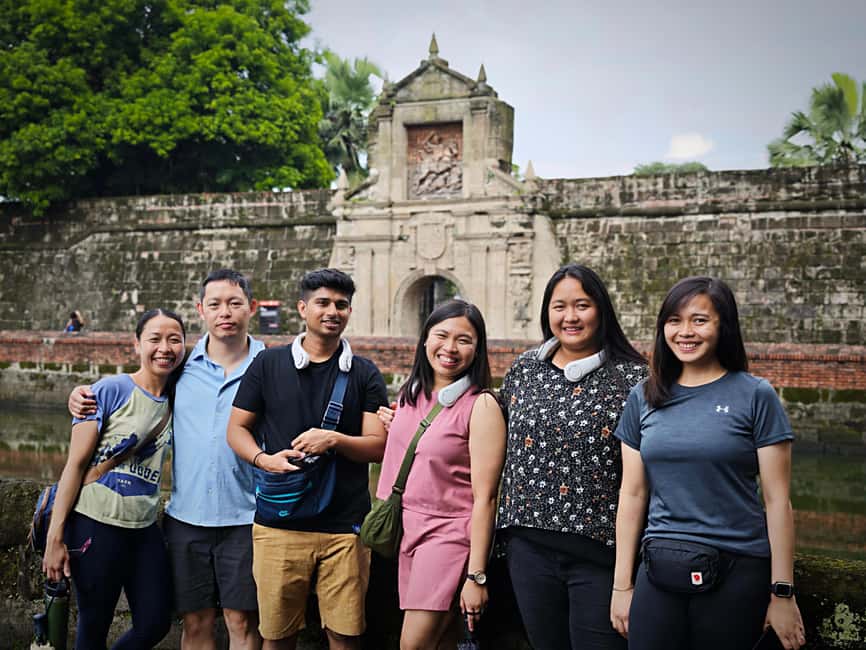
- Fort Santiago anchors the tour: Spend about an hour in Intramuros’s best-known fortress, including its dungeon and wartime stories.
- Jose Rizal’s last days add emotional weight: The Rizal museum and shrine connect national history with one man’s final hours.
- The guides make the difference: Russell, Steven, Jerome, Jonathan, Jimmy, and Sedie are among the guides praised for clear English, humor, patience, and strong command of Philippine history.
- The route covers several eras: Spanish colonial rule, American influence, the Japanese occupation, and the 1945 destruction of Manila all appear along the way.
- The price includes the essentials: At $27 per person, entrance fees, a local English-speaking guide, bottled water, sunscreen, mosquito repellent, and group photos are included.
- Plan for heat and rain: Bring water, an umbrella, and a hat. You will be outdoors for most of the three hours.
Why Intramuros is best understood on foot
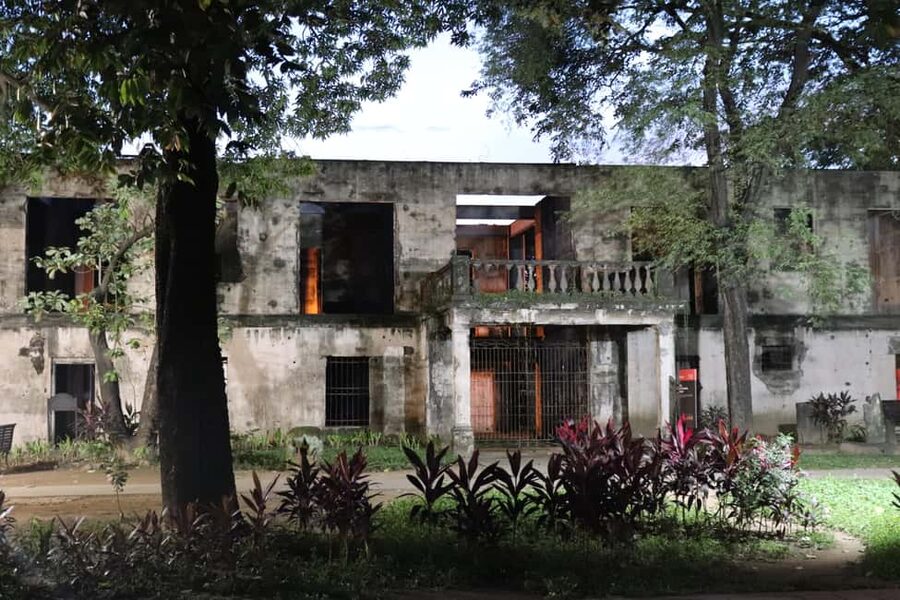
Intramuros means within the walls, and the name tells you how the visit works. You walk through old streets, plazas, church grounds, fortress walls, and restored buildings while the guide explains how each place fits into Manila’s past.
That context matters here. A church can look beautiful on its own, but its role becomes clearer when you know how Spanish rule shaped the walled city. A fortress can seem like a collection of stone walls until you learn about imprisonment, resistance, and the final days of Jose Rizal. This is why I would choose a guide rather than simply wander with a map.
The tour starts at the Fort Santiago entrance in front of the United Philippine Lines building on Sta. Clara Street. Arrive at least 15 minutes early. The meeting point can be a little vague, so do not wait until the last second. Guides have been praised for looking out for arriving participants, but an early arrival makes the start calmer.
The route takes three hours and includes about nine scheduled stops or sections. You cover a lot, but the timing keeps the morning from turning into a long lecture. The tradeoff is that photography and private exploration need to fit around the group’s movement.
More Walking Tours in Manila
- Manila: Street Food and Drinks Walking Tour with Tastings
★ 4.8 · 114 reviews - Manila: Sightseeing and Food Walking Tour with Tastings
★ 4.7 · 68 reviews - Manila: Intramuros Walking Tour.
★ 4.9 · 63 reviews
Fort Santiago sets the tone
The opening Intramuros walk lasts about 30 minutes, then Fort Santiago receives roughly an hour. This is the heart of the experience, and it deserves the largest block of time.
As you enter, expect the guide to explain how the fortress shaped Manila’s political and military story. The old walls and cobbled streets give you a clear sense of the Walled City as a protected colonial center, not just an old neighborhood.
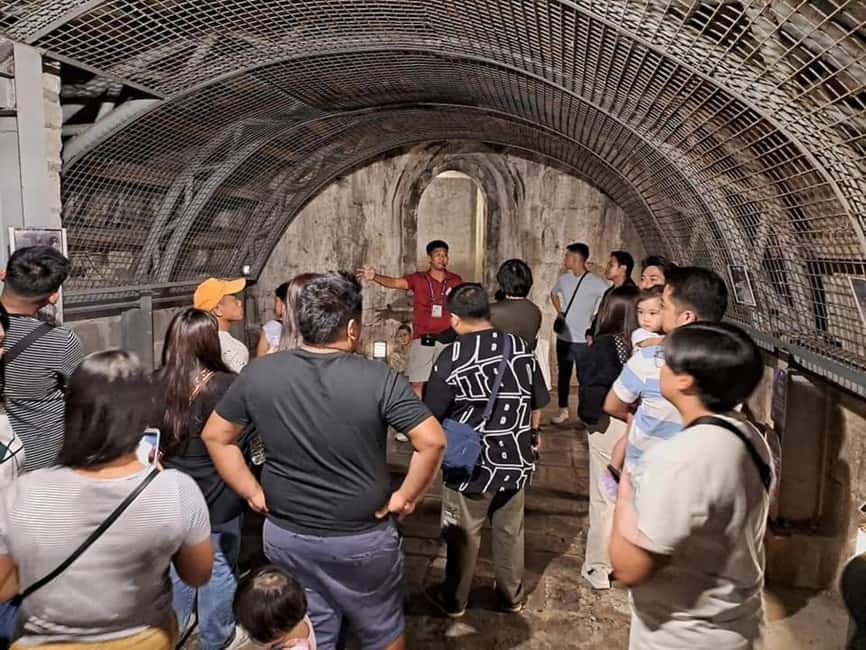
The dungeon is one of the tour’s more serious stops. Its wartime stories are haunting, and the guide supplies the human context that a quick visit might miss. This is not a light sightseeing stop, so families with younger children may want to prepare them for difficult subject matter.
Fort Santiago also gives you some of the best chances to pause for photographs. Still, keep an eye on the guide and the group. One useful point for you to remember is that the route runs on a schedule. If you wander off for pictures, you may need to catch up.
Guides such as Russell and Steven have been praised for adding personal stories, old photographs, legends, and small details that help the past stick in your mind. That style suits Fort Santiago well. The site carries a lot of dates and names, and a little humor keeps the information from becoming a school lesson.
Jose Rizal’s final days
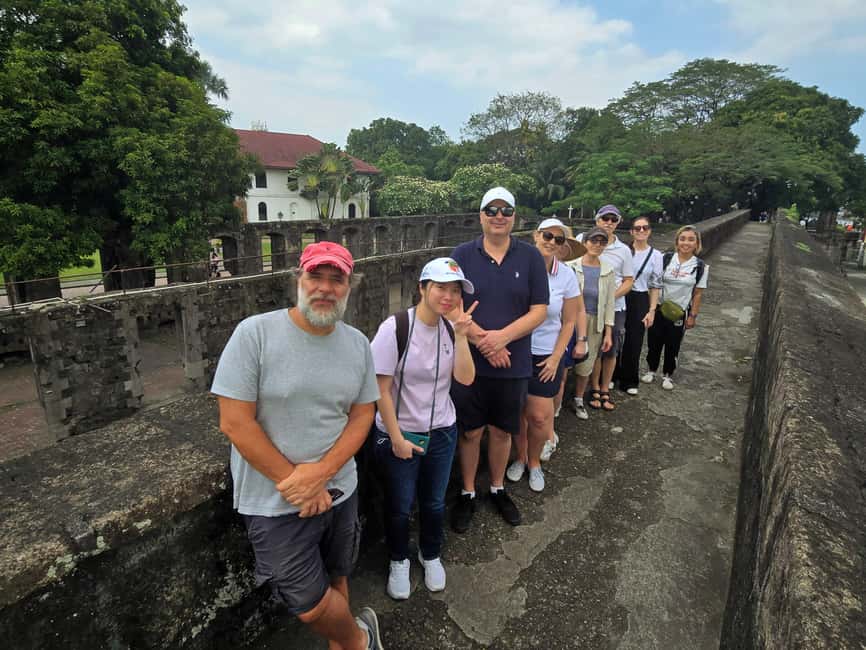
The 30-minute visit to the Museum of Jose Rizal follows Fort Santiago. The focus is Dr. Jose Rizal, a writer and national figure whose final days remain central to the story of the Philippines.
The Rizal Shrine is moving because it narrows the scale of the tour. You have been hearing about armies, colonial governments, and wartime destruction. Here, the attention turns to one person and the events leading to his death.
I would pay close attention to how the guide tells this part. The strongest guides on this tour do not simply list dates. They explain the significance of the places and connect Rizal’s life to the wider story of Philippine identity.
This stop works well for first-time visitors to the Philippines. You get an introduction to an important national figure without needing prior background. The half-hour schedule also keeps the visit focused, though anyone with a special interest in Rizal may want extra time elsewhere to read more on their own.
Manila Cathedral and the old city center
The stop at Manila Cathedral lasts about 15 minutes. That is enough for an outside explanation and a quick look, but not enough for an extended architectural study.
The cathedral helps you understand the religious and civic center of Intramuros. Your guide can explain its place in the old city and point out details you might otherwise pass without noticing. Because the visit is short, listen first and take photos second.
This is a recurring pattern on the walk. You are not given unlimited time at each site, but you receive a clear introduction to many important places. For someone with one morning in Manila, that breadth is useful.
More walks through old Manila:
- Intramuros, Manila: Historical Bamboo Bike Tour
★ 4.8 · 583 reviews - Experience Intramuros with Bamboo Bicycle – Ecotours
★ 5.0 · 508 reviews - Manila: Intramuros, Chinatown, and Old Manila Half-Day Tour
★ 4.8 · 475 reviews - Manila: Guided Sunset Bamboo Bike Tour in Intramuros
★ 4.8 · 119 reviews
Memorare Manila 1945 and the cost of war
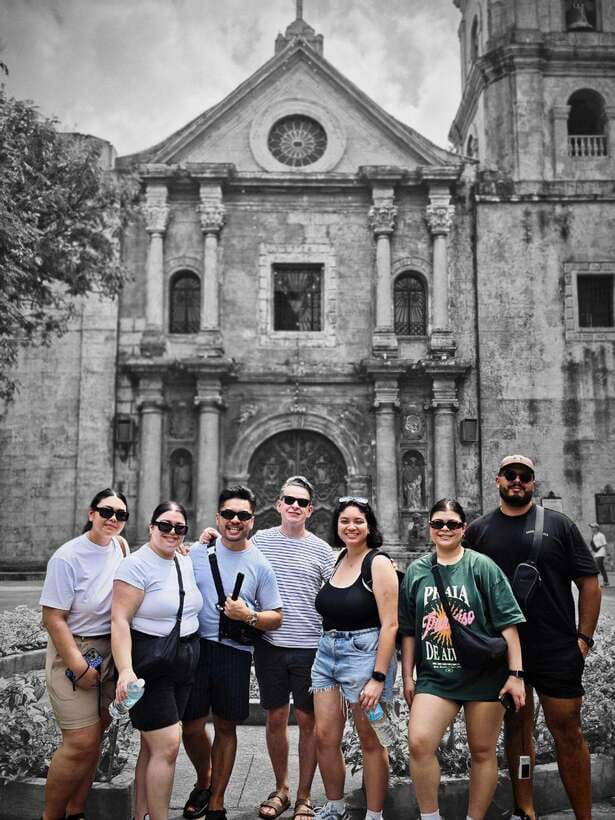
Memorare Manila 1945 is another brief stop, scheduled for about 15 minutes. It shifts the story toward the destruction of Manila during World War II.
The monument is important because it gives the wartime section a place of remembrance. After hearing about Fort Santiago’s dungeon, you see how the war affected the city on a much larger scale.
The tour also touches on Spanish, American, and Japanese involvement in Philippine history. That range is one of its strengths. You are not left with a single colonial-era story. Instead, the guide traces several periods and shows how the city changed through them.
Still, this section can feel compressed. The history of wartime Manila is large, and 15 minutes only allows for a focused explanation. If this period is your main interest, treat the tour as an introduction rather than a complete study.
San Agustin Church brings in architecture and faith
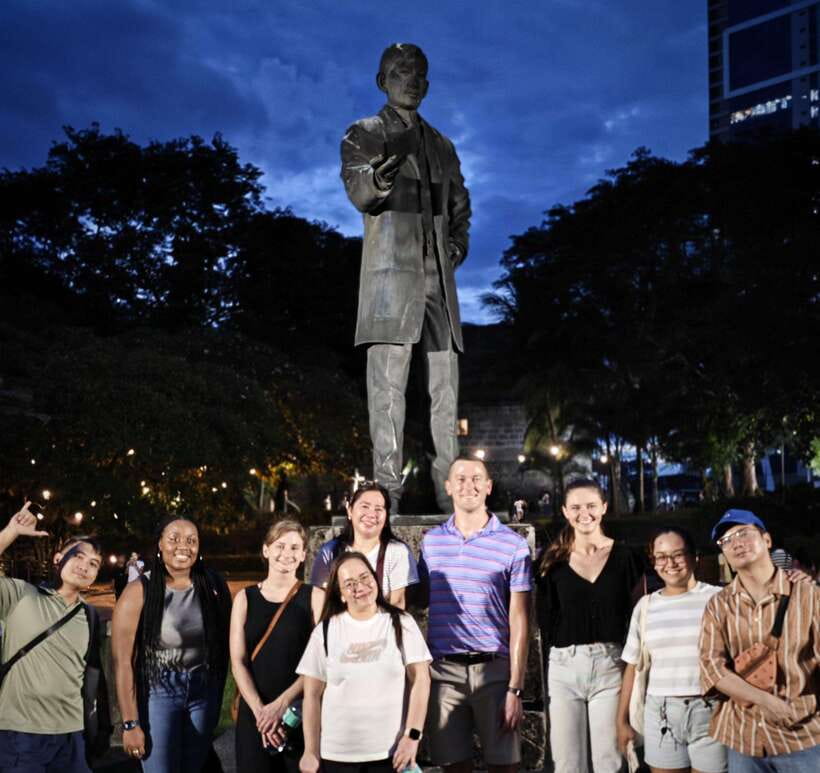
The visit to San Agustin Church takes about 15 minutes. The church is one of the major architectural stops on the route, and the guide explains its importance within Intramuros.
This is where the walking tour gains variety. You have spent time with fortifications, prisons, political history, and wartime memory. A church changes the pace and lets you consider how religion shaped daily life in colonial Manila.
The short schedule is both useful and limiting. You get a strong overview while keeping the whole experience to three hours, but you may not have time to inspect every feature closely. If you want a quiet, unhurried church visit, consider returning later.
One practical benefit is that the area around San Agustin makes it easier to arrange onward transport. The tour’s official finish is listed at Casa Manila, but the stops are close together within Intramuros. Have your guide confirm the exact end point if you need a ride booked at a particular time.
Casa Manila offers a look inside colonial life
Casa Manila is the final scheduled stop, with about 15 minutes of guided time. The house gives you a glimpse of colonial domestic life, which is a welcome change from the city’s defensive walls and public monuments.
The value here is visual and practical. Rather than hearing only about government, religion, and war, you see how a period home can illustrate social customs, furniture, space, and daily routines. It helps round out the tour.
Fifteen minutes goes quickly, especially if you enjoy historic interiors. The guide gives you the main points, then the tour ends in this area. You can use Casa Manila as a convenient place to continue exploring, take more photographs, or arrange a Grab ride.
What the guides do well

The strongest feature of this experience is the guide service. The guides are DOT-accredited, speak English, and bring different personalities to the same basic route.
Russell is repeatedly described as thorough, warm, and passionate. He uses clear explanations, personal stories, humor, and sometimes old photographs on his phone. Steven is praised for patience, wit, and the ability to explain complex history in a way that is easy to follow.
Jerome is known for adapting to questions and keeping the conversation lively. Jonathan is described as kind and clear, while Jimmy and Sedie also received praise for making the past feel immediate. You may not receive one particular guide, but the pattern is consistent: expect a guide who takes questions seriously and adds more than a memorized script.
That matters because Intramuros contains a lot of information in a compact area. Without context, the walls and buildings can blur together. A good guide gives each place a purpose and helps you remember the connections.
The overall rating is 4.9 from 104 reviews, with the praise focused most strongly on the guides’ command of history, friendly manner, humor, and clear English. One recent comment also noted that the tour kept moving without feeling rushed. That is a good description of what the three-hour format aims to do.
Is $27 a fair price?
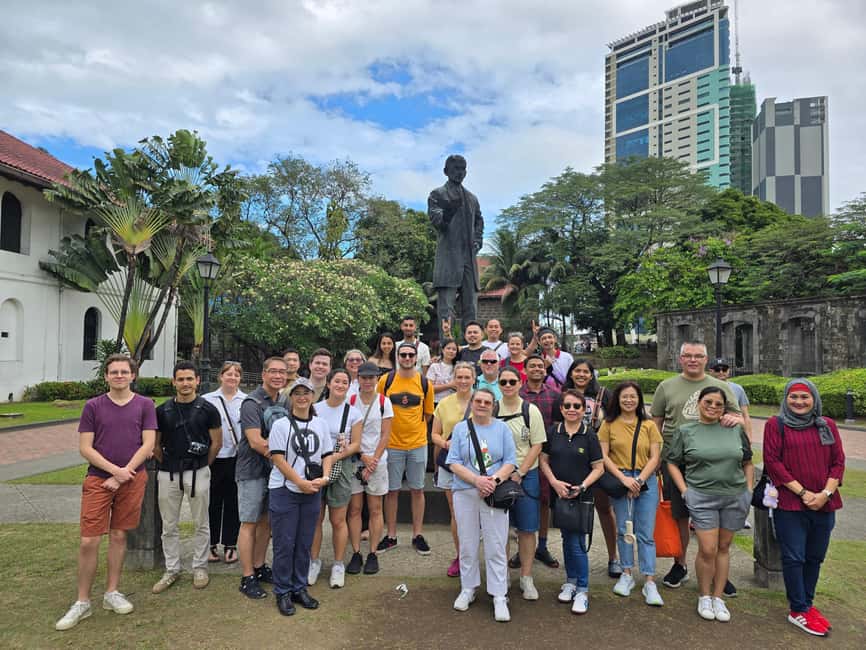
At $27 per person, this is a solid value if you want a structured introduction to Intramuros. Admission fees are included, as are a DOT-accredited English-speaking local guide, bottled water, sunscreen, mosquito repellent, and group photo opportunities at key landmarks.
The guide is the main reason the cost makes sense. You could walk around the Walled City independently, but you would need to research the sites, find each entrance, and build your own historical thread. Here, the fee combines access and interpretation in one morning.
Food, drinks beyond the included bottled water, transport, and hotel pickup are not included. That keeps the price clear, but you need to plan your own way to Sta. Clara Street and onward from Casa Manila.
Private groups are available if you want a more personal pace or have specific interests. For a solo visitor, couple, or family that wants an efficient first look at Manila’s old center, the regular tour should provide better value than booking privately.
Prepare for a hot, exposed walk
Bring an umbrella, water, and a hat. Sunscreen and mosquito repellent are available for free, and bottled water is included, but you should not rely on one small bottle for three hours outside.
Rain does not necessarily ruin the experience. The route continued during rainy weather, and the guide kept the visit enjoyable. An umbrella is still important because much of the experience takes place outdoors.
Wear comfortable shoes. The tour uses cobblestone streets, old fortress walls, plazas, and historic compounds. The activity is listed as wheelchair accessible, but the old surfaces and walking route are worth discussing with the provider before booking if you need precise access details.
Transport is not provided. You can reach the meeting point independently, and one visitor made the trip from Alabang by Grab in the morning. The exact fare will vary, so treat that as a guide rather than a promise. Contact the operator through Viber or WhatsApp if you have trouble finding the meeting point or expect to arrive late.
Who should book this Intramuros tour?
I would recommend it to first-time Manila visitors, history fans, families with older children, and anyone who wants a useful orientation before exploring the Philippines more widely.
It suits you particularly well if you want Spanish colonial history, Jose Rizal, World War II, churches, and domestic life covered in one outing. The mix keeps the walk from feeling one-note.
You may want a different plan if you prefer to spend an hour or more inside each museum or church. The schedule is broad rather than slow. You will see many key places, but you will not study every room or read every display at leisure.
The tour also works well for a morning stop during a short Manila stay. It gives you a clear route, a local English-speaking guide, and enough background to make later visits more meaningful.
Should you book Viva Old Manila?
Book it if you want the main Intramuros sights explained by a lively guide rather than viewed in isolation. The combination of Fort Santiago, the dungeon, Rizal’s shrine, Manila Cathedral, Memorare Manila 1945, San Agustin Church, and Casa Manila gives you a strong three-hour introduction for $27.
Skip it only if you dislike group schedules or want long, quiet visits at individual sites. Arrive early, bring water and an umbrella, stay with the group during photo stops, and keep some extra time afterward if Casa Manila or Fort Santiago catches your interest.
FAQ
How long does the Viva Old Manila Intramuros Walking Tour last?
The tour lasts three hours. The schedule includes 30 minutes in Intramuros, one hour at Fort Santiago, 30 minutes at the Museum of Jose Rizal, and shorter visits to Manila Cathedral, Memorare Manila 1945, San Agustin Church, and Casa Manila.
Where does the tour meet?
The guide meets participants at the Fort Santiago entrance in front of the United Philippine Lines building on Sta. Clara Street.
Where does the tour finish?
The tour finishes at Casa Manila.
Is an English-speaking guide included?
Yes. The experience includes a DOT-accredited English-speaking local guide. Guides named in tour feedback include Russell, Steven, Jerome, Jonathan, Jimmy, and Sedie.
What is included in the $27 price?
The price includes site admission fees, the guide and tour guide fee, bottled water, group photo opportunities at key landmarks, sunscreen, and mosquito repellent.
Can I cancel or pay later?
You can cancel up to 24 hours before the tour for a full refund. The reserve-now, pay-later option lets you book without paying immediately.
Just added around Manila
- Philippines Intro 3 days 2 nights Tour Best of Manila and Beyond★ 5.0 · 3 reviews
- MANILA: HISTORICAL KALESA RIDE TOUR EXPERIENCE IN INTRAMUROS★ 4.0 · 3 reviews
- Makati Street food walking tour with Dinner★ 5.0 · 3 reviews
- Bites and Sights: Tagaytay Food and Nature Excursion from Manila★ 4.0 · 3 reviews
- Authentic Manila Chinatown Food Tour Exploration★ 5.0 · 3 reviews
- 4 Day Banaue Ifugao Rice Villages Private tour Trekking★ 4.5 · 3 reviews
- Embark on a 7-Day Banaue-Sagada Adventure of a Lifetime★ 5.0 · 3 reviews
- From Manila: Philippines Private Tour Guide★ 4.1 · 3 reviews
Manila Tours, compared.

Intramuros, Manila: Historical Bamboo Bike Tour
Read our review →
Experience Intramuros with Bamboo Bicycle – Ecotours
Read our review →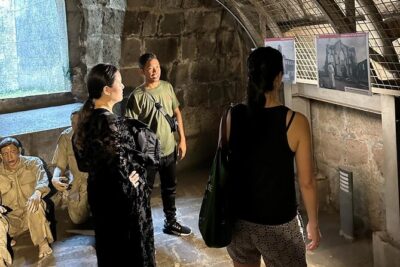
Manila: Intramuros, Chinatown, and Old Manila Half-Day Tour
Read our review →
Manila Food Tour: Introduction to Philippine Street Food
Read our review →
Spectacular Manila to Tagaytay: Full-Day Sightseeing Tour
Read our review →
Makati Nightlife: VIP Access to Clubs, Rooftops & Go-Go Bars
Read our review →
Discover Tagaytay’s Countryside: Half-Day Sightseeing Tour
Read our review →
From Manila: Tagaytay Countryside Wonders: A Half-Day Tour
Read our review →Browse the lists this tour appears in