
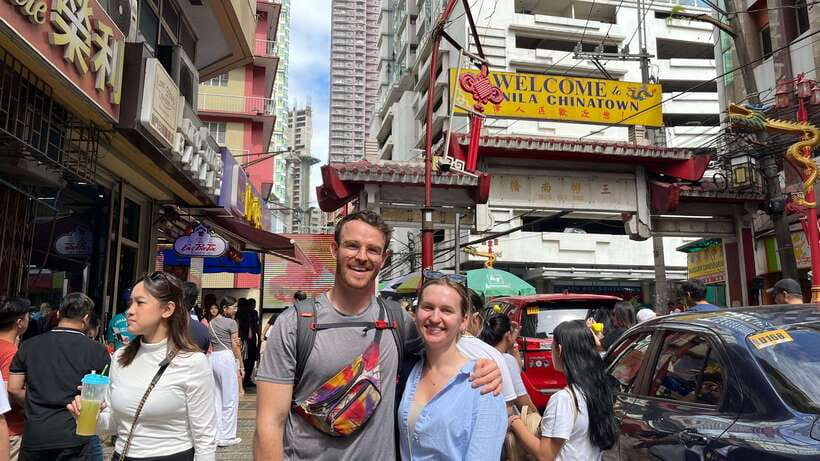
Reviewed · MANILA TOURS
Manila: Binondo Chinatown Guided Walking Tour
Binondo is best understood on foot, one narrow lane and food stop at a time. This two-hour tour takes you through Manila’s historic Chinatown, where Chinese and Filipino traditions meet in old buildings, crowded streets, family-run food spots, and local stories that are easy to miss on your own.
I like the small group of no more than 10, which makes it easier to ask questions and keep a comfortable pace. I also like the blend of history and eating, especially the chance to try dumplings, soup noodles, desserts, and other Chinese-Filipino dishes. The main catch is that food is not included, and two hours can feel tight if you want to eat at every stop.
Key points to know before you book
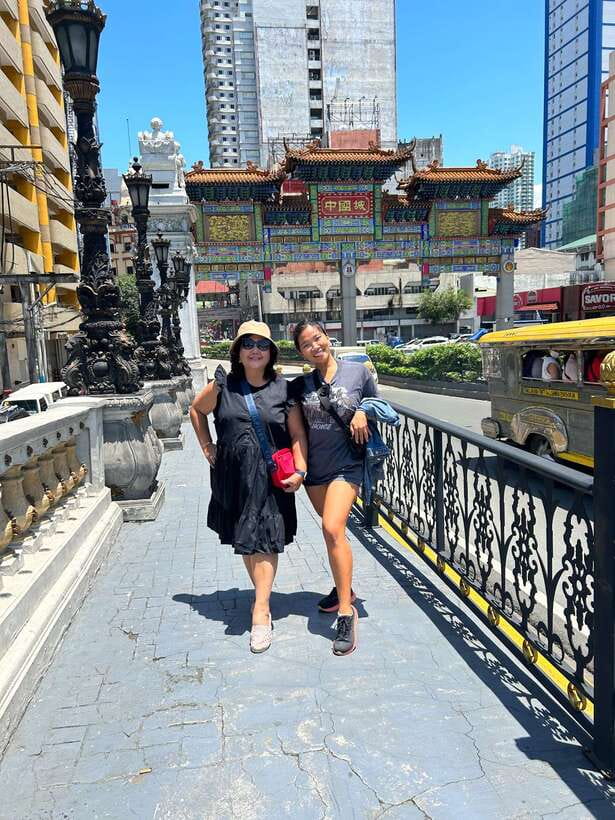
- Binondo is explored on foot: Expect alleys, markets, old buildings, food stops, and a fair amount of walking.
- History comes with the snacks: The guide explains Chinese settlement, local culture, architecture, and the district’s long commercial life.
- Mari is a guide to request: She is praised for her warmth, food knowledge, photography, and easygoing style. Maria and Mary are also named among the guides.
- Food costs extra: The tour introduces you to places for dumplings, noodles, desserts, coffee, and other local fare, but you pay for what you eat.
- The pace can be adapted: The guide has handled older visitors and adjusted the route pace when needed.
- Check the transport wording: The experience is titled a walking tour, but its description also mentions a tuk-tuk adventure. Confirm whether a tuk-tuk is part of your specific departure.
Entering Binondo, Manila’s Chinese-Filipino quarter
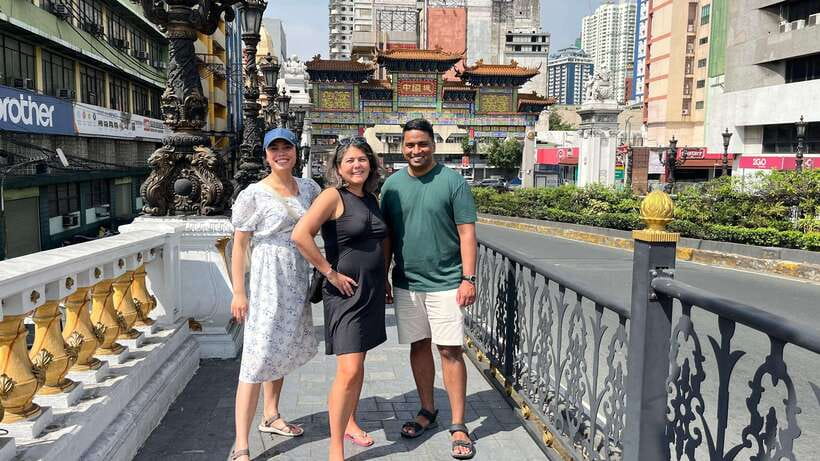
Binondo is not a polished theme park version of Chinatown. Its appeal comes from the working streets: old facades, food counters, shops, religious buildings, tight lanes, and the constant movement of people going about daily business.
The district is widely described as one of the oldest Chinatowns in the world. That claim matters less as a slogan than as a clue to what you are seeing. Chinese merchants settled in the Philippines centuries ago, built businesses and family networks, and helped shape the commercial life of Manila. Over time, Chinese customs mixed with Filipino habits, creating the food and culture you encounter today.
Your guide gives that story a human scale. Instead of treating Binondo as a list of landmarks, the walk connects buildings, trade, food, and migration. You can ask how Chinese settlers fit into Philippine society, how the district changed, and why certain streets became known for particular businesses.
The tour is offered in English or Tagalog. A small group of up to 10 people is a useful size here. Binondo can be confusing, and a large party would be harder to move through its narrow streets. With fewer people, you have a better chance of hearing the guide and stopping without blocking everyone else.
More Walking Tours in Manila
- Manila: Street Food and Drinks Walking Tour with Tastings
★ 4.8 · 114 reviews - Viva Old Manila: Intramuros Walking Tour
★ 4.9 · 104 reviews - Manila: Sightseeing and Food Walking Tour with Tastings
★ 4.7 · 68 reviews
Old buildings and the Spanish-era city
One of the best parts of the tour is the attention given to Binondo’s older buildings. You do not simply pass them while hurrying toward lunch. The guide points out architectural details and explains how the district’s buildings reflect both Chinese commercial life and Manila’s Spanish colonial past.
You might see structures that look worn rather than grand. That is part of the point. Their value is tied to age, use, and the stories attached to them. The district’s older buildings help explain how trade, family businesses, religion, and daily life developed side by side.
A guide can also help you notice the mix of influences. Chinese design, Filipino life, and Spanish-era planning do not always appear in neat, separate blocks. They overlap. That makes Binondo more interesting than a simple stop for Chinese food.
Richard, one of the participants, particularly enjoyed discussing older buildings and Spanish architectural influences with guide Mari. That gives you a good sense of the tour’s range. If you are interested in architecture, ask questions rather than waiting for a formal lecture. The walk seems strongest when the guide can connect what you are looking at with the larger story of Manila.
The food trail: dumplings, noodles, sweets, and coffee
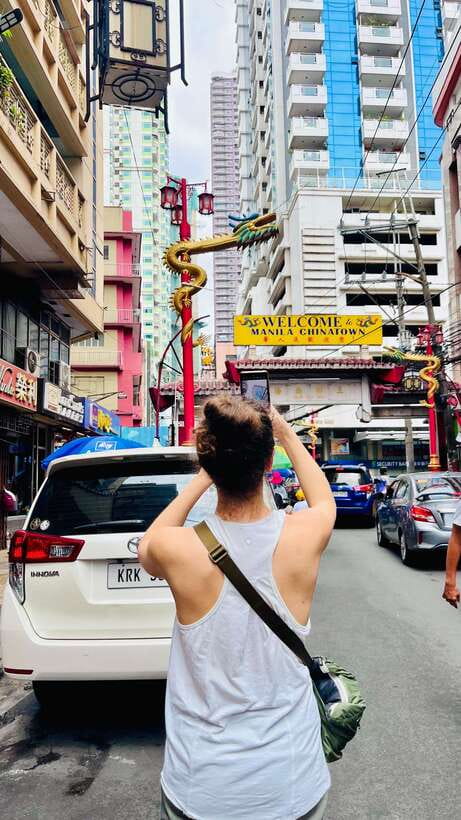
Food is a major reason to book this experience. The guide leads you to Chinese-Filipino places that you might not find by wandering without local help. The stops can include dumplings, soup noodles, desserts, coffee, and other dishes that reflect Binondo’s blended cooking traditions.
The food is not just a bonus between landmarks. It shows how culture changes through ordinary meals. Chinese techniques and flavors have been adapted to Filipino tastes, ingredients, and habits. That is why this is more than a standard Chinatown snack crawl.
You should arrive hungry. Several hours of eating can be difficult on a full stomach, and one participant specifically advised starting with an empty one. At the same time, do not assume every dish will suit you. The tour includes food tasting opportunities, but the information does not promise a fixed menu, so your exact stops may vary.
The guide’s local food knowledge is especially useful. Binondo has plenty of options, but choosing well takes more than spotting a busy storefront. A local guide can help you understand what to order and where to try it. You may also avoid wasting time in queues, since one account praised the route for getting food without long waits.
Food is not covered in the $50 price. That is important when comparing this tour with a packaged food walk. You are paying for the guide, route, local knowledge, and cultural explanation, then adding the cost of what you choose to eat. The dishes are described as affordable for foreign visitors, but no set food budget is provided, so bring extra Philippine pesos or another accepted payment method.
Why the guide makes the difference
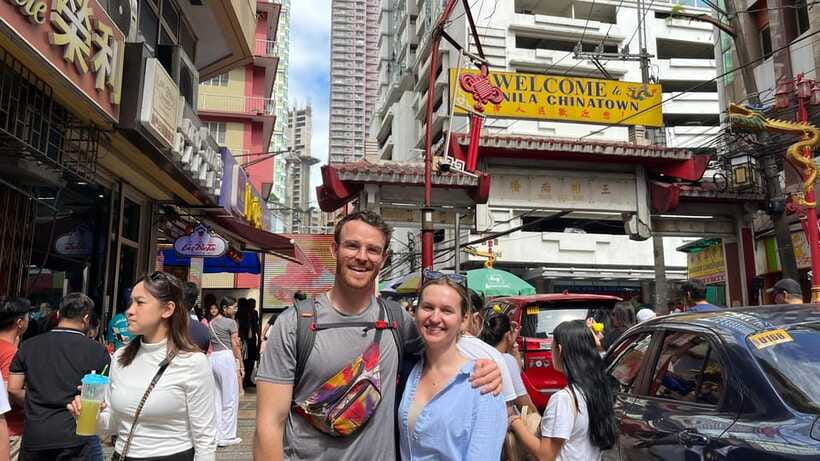
A food tour can easily become a string of meals with little context. This one depends heavily on the guide’s ability to join the dots. Mari is the name most often associated with the experience, and she is described as cheerful, friendly, energetic, professional, and passionate about Binondo.
Those qualities matter in a district where the best experience comes from conversation. Mari has been praised for balancing food, culture, and history rather than focusing on only one. She is also known for taking photographs during the tour, which can be useful if you want pictures of the food and your time in the neighborhood.
Do not be shy about asking for a photo. One participant specifically suggested it, noting that Mari is an excellent photographer. That is a small service, but it can make the outing more memorable, especially for solo visitors.
The guide has also adjusted the pace for older people and made timing changes when needed. Still, this remains a walking tour through city streets. If you have serious mobility limits, heart problems, or need a wheelchair-accessible route, this activity is not suitable according to the stated restrictions.
The guide may also be Maria or Mary, depending on the departure. The feedback names all three, so check who is leading your tour if having a particular guide matters to you.
Same island, a completely different kind of day:
- Intramuros, Manila: Historical Bamboo Bike Tour
★ 4.8 · 583 reviews - Experience Intramuros with Bamboo Bicycle – Ecotours
★ 5.0 · 508 reviews - Manila: Intramuros, Chinatown, and Old Manila Half-Day Tour
★ 4.8 · 475 reviews - Manila: Old & New 4-Hour City Tour
★ 4.5 · 458 reviews
A packed two hours, with room for conversation
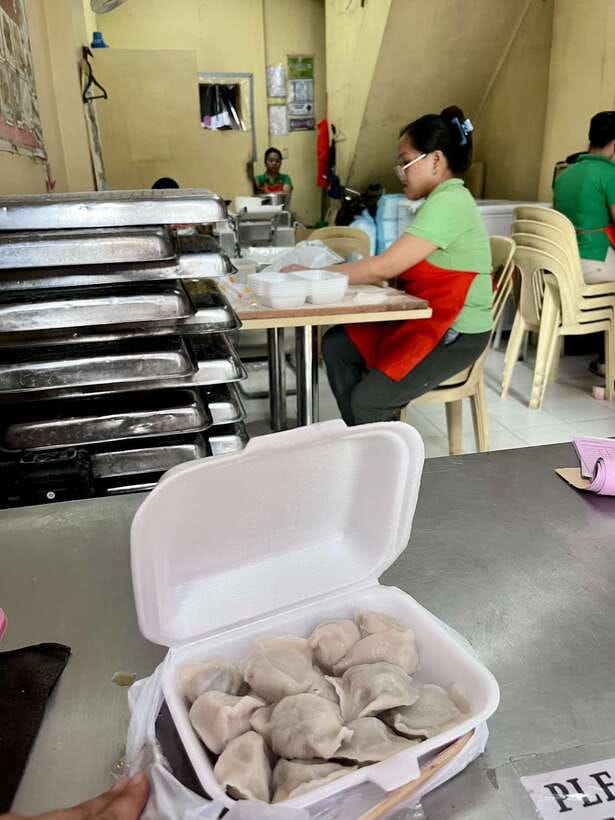
Two hours is enough to get a focused introduction to Binondo, but it is not enough to cover every street or eat at every promising shop. The route appears to be busy with sights, stories, and food stops. One person described it as a packed two-hour experience and felt it offered good value, while another said the tour ran longer than two hours and welcomed the extra time.
That variation is worth noting. A food stop can take longer than planned, and a good question about history can slow the group down. If your schedule is tight, allow some flexibility around the advertised duration.
The most satisfying rhythm is likely a mix of walking, listening, tasting, and pausing. You might begin with an orientation to Binondo, then move through its alleys and historic streets before stopping for food. The guide can explain Chinese settlement and local customs along the way, then bring the route back to everyday life with a snack or drink.
Some participants ended with coffee and cake while talking about pop culture and current topics. That detail says something useful about the tone. The experience is not only a formal history lesson. It can become a relaxed exchange with a local person who knows the area well.
Because the tour is small, you can tell the guide if you need a slower pace. But you should still wear comfortable shoes and expect uneven, crowded urban streets. The supplied details do not specify a meeting point, exact route, restroom access, or a fixed menu, so confirm those points before setting off.
Walking tour or tuk-tuk adventure?
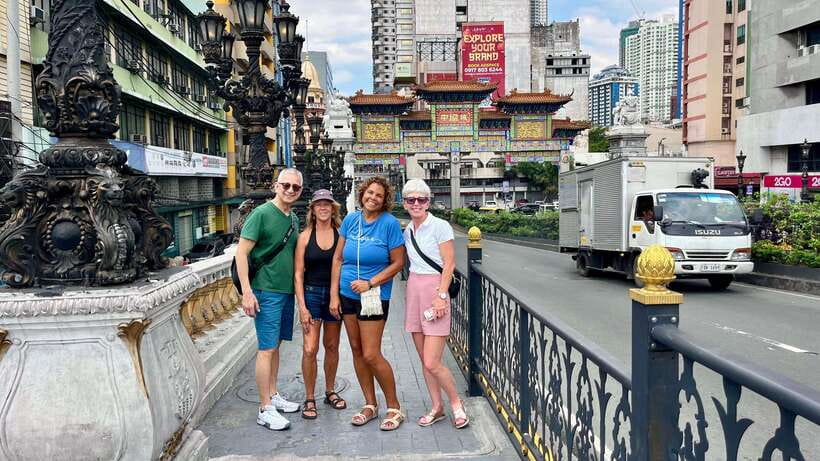
The description includes an unusual transport detail: it refers to a tuk-tuk adventure and says these three-wheeled vehicles may be used to explore Chinatown, markets, and local areas. Yet the experience is titled a guided walking tour, and the participant accounts describe walking through Binondo.
That creates a practical question. Do not assume a tuk-tuk ride is included simply because it appears in the description. Ask the operator whether your booking is entirely on foot, includes a tuk-tuk segment, or uses the vehicle only in certain circumstances.
If it is a walking tour, the streets are the main attraction. You get closer to the shopfronts, smells, architecture, and side lanes. If a tuk-tuk is included, it could make the route easier for some people, but the stated restriction against wheelchair users and people with heart problems still applies.
Either way, the core experience is cultural orientation in Binondo, not a long sightseeing ride across Manila. The value comes from the guide’s access to local food knowledge and explanation of the district.
Is $50 good value?
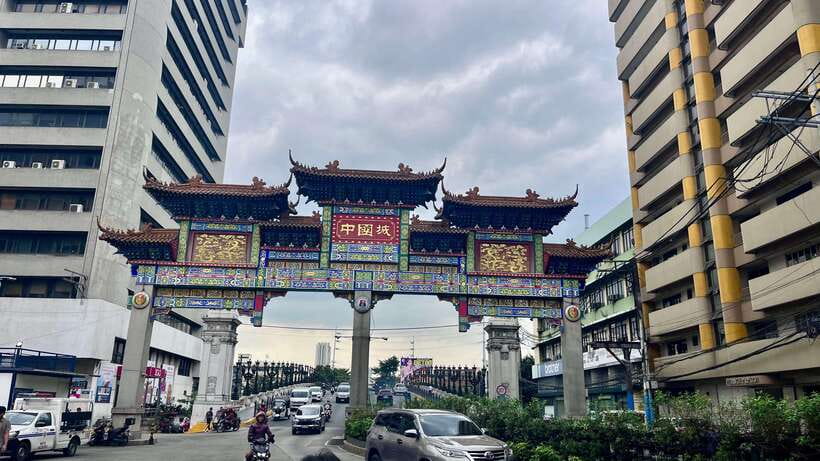
At $50 per person, this is not the cheapest way to eat in Binondo. Local food itself can be inexpensive, and you could certainly walk through the area without booking a guide.
The question is what you want from the visit. If you only want lunch, spend the money on lunch. If you want help finding food places, an explanation of Chinese-Filipino culture, a look at old buildings, and a more organized route through a complicated district, the price becomes easier to justify.
The group limit of 10 helps. You are not paying for a huge bus tour, and the guide can respond to individual questions. Food remains an extra cost, so budget for both the tour and tastings.
The strongest value comes for first-time visitors to Manila who want a useful introduction to Binondo without spending half a day planning restaurants and landmarks. Repeat visitors who already know the district may find less value unless they want fresh food recommendations or a deeper cultural explanation.
The tour also seems to deliver more than its advertised two hours on some departures. That should not be guaranteed, but it may help explain why the price feels reasonable to people who want a full, guided introduction.
Who should book this Binondo walk?
I would recommend this tour to solo visitors, couples, families with older children, and anyone who enjoys learning through food. It suits you if you like asking questions, trying several small dishes, and walking through a real neighborhood rather than checking off grand monuments.
It is especially useful if you are nervous about ordering food in an unfamiliar district. The guide can point you toward local specialties and help you understand what you are eating.
You should think twice if you dislike crowded streets, cannot walk comfortably, have a heart condition, or need wheelchair access. The tour is not suitable for wheelchair users or people with heart problems, and food tasting is optional but likely central to the experience.
It is also not the right pick if you need a strictly timed itinerary. The route is packed, and food or conversation may extend the visit.
Booking details worth checking
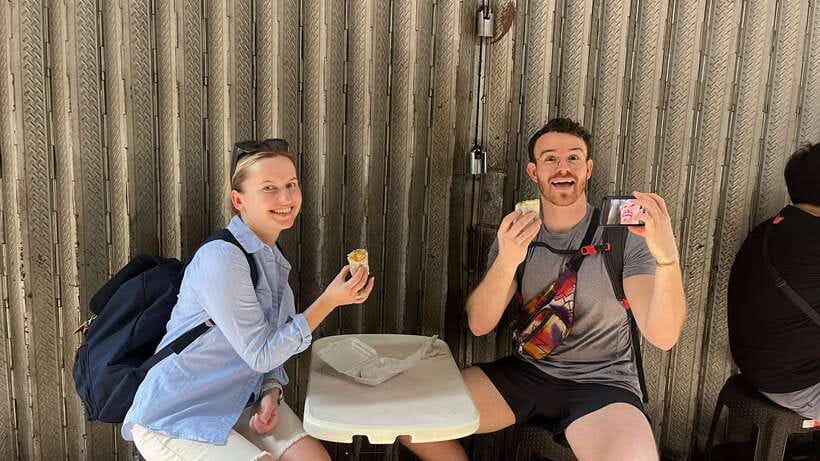
The activity includes a local guide and a bottle of water. Food tasting is not included, and the guide languages are English and Tagalog.
You can cancel up to 24 hours before the start for a full refund, and the reserve-now, pay-later option lets you hold a place without paying immediately. Starting times depend on availability.
The listed location is Nueva Vizcaya, while the experience itself is described in Manila’s Binondo district. That mismatch deserves a quick check before booking. Confirm the meeting point, the guide’s name, and whether the tuk-tuk wording applies to your departure.
Should you book it?
Book this tour if you want Binondo explained as a living district, not just used as a backdrop for lunch. The combination of old buildings, Chinese-Filipino food, migration stories, and a small group gives you a practical first look at one of Manila’s most distinctive areas.
I would request Mari if possible, particularly if photography, food advice, and a lively conversation matter to you. Come hungry, wear good walking shoes, bring money for food, and leave room in your schedule. Skip it if you need a fully accessible route or a tightly controlled two-hour plan.
FAQ
How long is the Binondo Chinatown tour?
The stated duration is two hours. Some departures may run longer if food stops or conversation take extra time, so allow some flexibility.
What languages does the guide speak?
The tour is offered with a live guide in English or Tagalog.
Is food included in the tour price?
No. Food tasting is not included, so you pay separately for dishes and drinks you choose to try.
What food might I try in Binondo?
The experience may include Chinese-Filipino dishes such as dumplings, soup noodles, desserts, coffee, and cake. The exact food stops are not fixed in the supplied details.
Is the tour private or part of a large group?
It is a small-group tour limited to 10 participants.
Is a tuk-tuk ride included?
The description mentions a tuk-tuk adventure, but the activity is also presented as a walking tour. Confirm with the operator whether a tuk-tuk is included in your specific booking.
Can I cancel for a full refund?
Yes. You can cancel up to 24 hours in advance for a full refund.
Is the tour suitable for wheelchair users?
No. Wheelchair users are listed among those for whom the activity is not suitable. People with heart problems are also advised not to take part.
Just added around Manila
- Philippines Intro 3 days 2 nights Tour Best of Manila and Beyond★ 5.0 · 3 reviews
- MANILA: HISTORICAL KALESA RIDE TOUR EXPERIENCE IN INTRAMUROS★ 4.0 · 3 reviews
- Makati Street food walking tour with Dinner★ 5.0 · 3 reviews
- Bites and Sights: Tagaytay Food and Nature Excursion from Manila★ 4.0 · 3 reviews
- Authentic Manila Chinatown Food Tour Exploration★ 5.0 · 3 reviews
- 4 Day Banaue Ifugao Rice Villages Private tour Trekking★ 4.5 · 3 reviews
- Embark on a 7-Day Banaue-Sagada Adventure of a Lifetime★ 5.0 · 3 reviews
- From Manila: Philippines Private Tour Guide★ 4.1 · 3 reviews
Manila Tours, compared.

Intramuros, Manila: Historical Bamboo Bike Tour
Read our review →
Experience Intramuros with Bamboo Bicycle – Ecotours
Read our review →
Manila: Intramuros, Chinatown, and Old Manila Half-Day Tour
Read our review →
Manila Food Tour: Introduction to Philippine Street Food
Read our review →
Spectacular Manila to Tagaytay: Full-Day Sightseeing Tour
Read our review →
Makati Nightlife: VIP Access to Clubs, Rooftops & Go-Go Bars
Read our review →
Discover Tagaytay’s Countryside: Half-Day Sightseeing Tour
Read our review →
From Manila: Tagaytay Countryside Wonders: A Half-Day Tour
Read our review →Browse the lists this tour appears in