
Reviewed · MANILA TOURS
Manila: Guided Food Tour of Binondo with Tastings
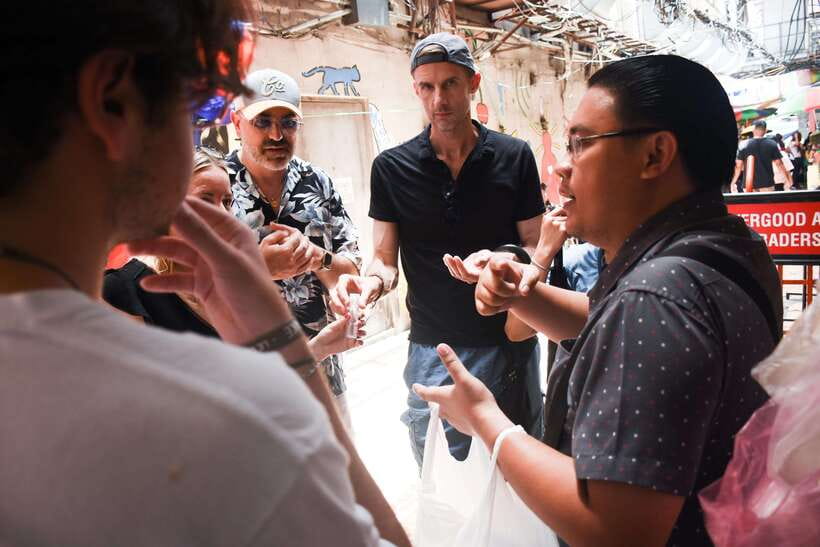
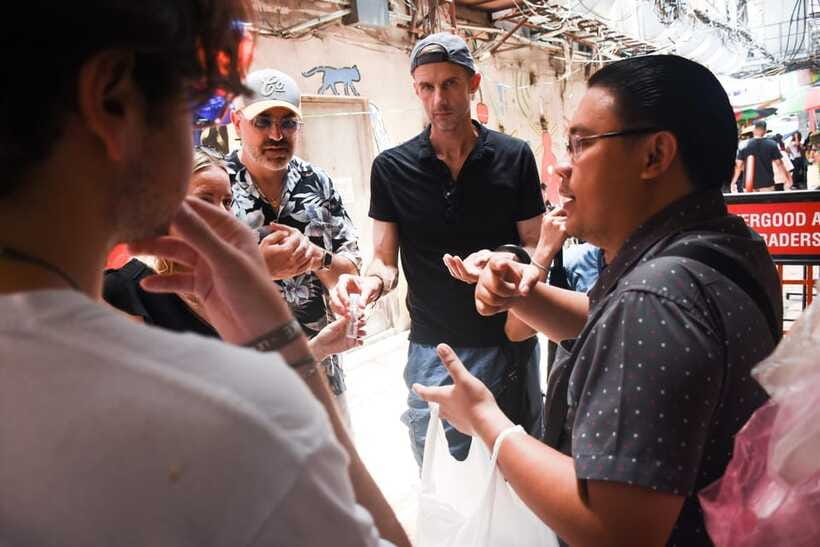
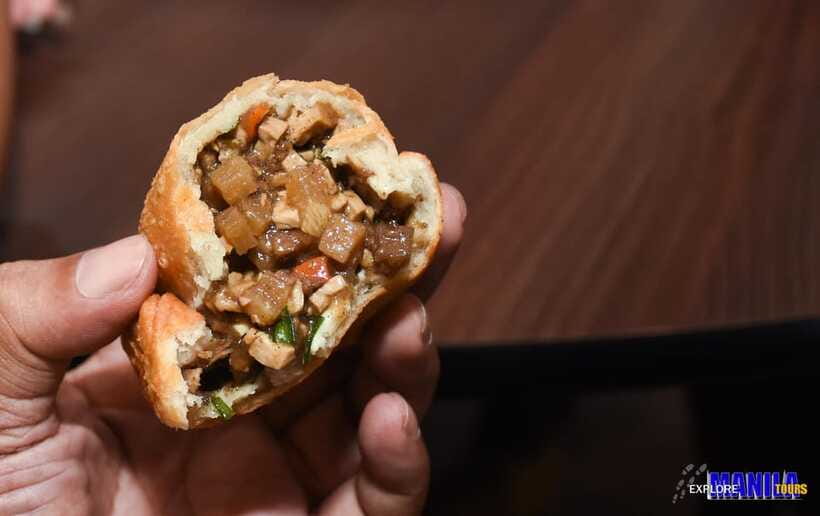
Binondo is best understood one bite at a time. On this three-hour walk, you move from Binondo Church through Carvajal Street and small Chinatown lanes, stopping for fresh lumpia, handmade dumplings, mami, dimsum, and hopia. The food is the hook, but the Filipino-Chinese story gives the tour its shape.
I like the way the guide leads you to modest local eateries you might easily miss, and I like the generous portions. Guides including Chloe, Nel, Jian, and Juan have been praised for friendly company, useful Manila tips, and clear stories about the area. The main caution is simple: you may be served more food than you can finish, and this tour is not suitable for vegans or vegetarians.
Key points at a glance
- Start at Binondo Church: Meet near the candle area in the church lobby, then begin on foot.
- Six food stops: Taste dishes at five local restaurants before finishing at a bakery known for hopia.
- The dumplings are a favorite: Handmade dumplings receive especially strong praise, so save room for them.
- A generous meal, not a light snack: Portions can be large enough that two people may want to share.
- English-speaking local guidance: Guides such as Chloe, Nel, Jian, and Juan add food knowledge, cultural context, and practical Manila advice.
- Plan for the street: Wear comfortable shoes, leave luggage and strollers behind, and expect the walk to continue in rain or shine.
Why Binondo works so well as a food tour
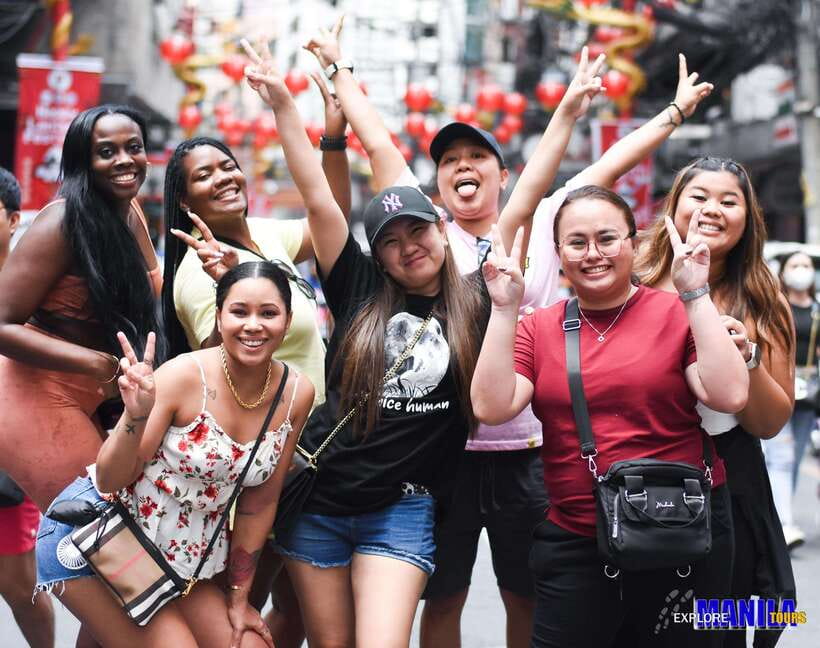
Binondo is presented as the oldest Chinatown in the world, and this route uses food to show how Chinese culinary traditions became part of everyday Filipino life. You are not simply stopping for isolated samples. The sequence moves through savory snacks, noodles, dumplings, dimsum, and pastries, giving you a useful introduction to the area’s mixed food culture.
The tour begins at Binondo Church, a practical landmark and a place tied to the neighborhood’s long story. From there, you head into the streets rather than spending the morning in a lecture. That matters in Binondo, where the character of the area comes from its narrow lanes, shopfronts, food stalls, and small restaurants.
I like this approach because it gives you a framework for the rest of your Manila stay. After three hours, you should have a better sense of what Filipino-Chinese food looks like, which dishes appeal to you, and how to order or search for similar food on your own.
The walk also supports local businesses directly. The stops are small eateries and a local bakery rather than a single large dining room. The tour describes this as a form of sustainable tourism, and the practical benefit is clear: your spending is spread among neighborhood food sellers and family-run-style businesses. The exact restaurant names and the order of dishes can vary, so treat the route as a guided introduction rather than a fixed restaurant list.
More Food Tours in Manila
- Manila Food Tour: Introduction to Philippine Street Food
★ 5.0 · 417 reviews - Manila Food Tour: Explore World’s Oldest Chinatown
★ 5.0 · 158 reviews - Manila: Street Food and Drinks Walking Tour with Tastings
★ 4.8 · 114 reviews
Meeting at Binondo Church and entering Carvajal Street
Your meeting point is the lobby of Binondo Church, near the candle area. Be precise here. The church is the starting and ending point, and you are responsible for getting there. The Grab app is suggested as a way to reach the meeting point, which is useful if you are staying elsewhere in Manila and do not know the district well.
The first food focus is fresh lumpia on Carvajal Street. Lumpia is a Filipino spring roll, and this version gives you an early look at the way Filipino and Chinese cooking meet in Binondo. Local vendors prepare it with techniques passed down over time, so the stop is about both taste and method.
This opening bite may be more filling than expected. One diner specifically found the sweet vegetable wrap at the first stop less popular than the other foods. That is a fair warning, especially if you are selective about sweet-savory flavors. You do not need to force down every item, and one guide has been praised for making clear that there is no pressure to finish everything.
Carvajal Street also helps set the tone. You are seeing food in its working neighborhood rather than receiving polished plates in a formal restaurant. Keep your belongings close and follow the guide through the lanes, especially if the group is moving between stops.
Handmade dumplings and the strongest stop for many people
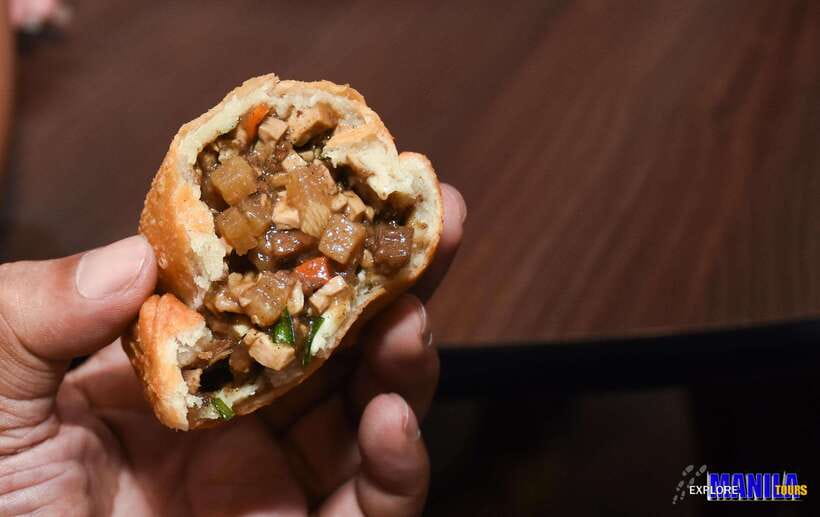
The dumpling stop is one of the best reasons to book this experience. The tour highlights handmade dumplings, and several visitors singled them out as their favorite food. One person called the dimsum the best they had eaten, while another specifically chose the dumplings as the high point.
That praise makes sense because dumplings show off skill in a way that a quick snack cannot. You can expect the guide to explain something about the preparation and Filipino-Chinese place of the dish, while you focus on the texture, filling, and folds. The supplied information does not identify the exact dumpling style or filling, so do not book expecting one named specialty.
This is also the point where the generous serving sizes become important. Two people who skipped breakfast still found themselves sharing food because they were getting full. I would not skip breakfast entirely. A small meal earlier in the day gives you energy for the walk and lets you sample more without turning the last stop into a struggle.
If you love dumplings, tell your guide early. Guides such as Nel and Chloe have been repeatedly praised for keeping the group comfortable and making the experience feel personal. A good guide can help you pace yourself and explain what is worth saving room for.
Mami, the noodle soup that feels like comfort food
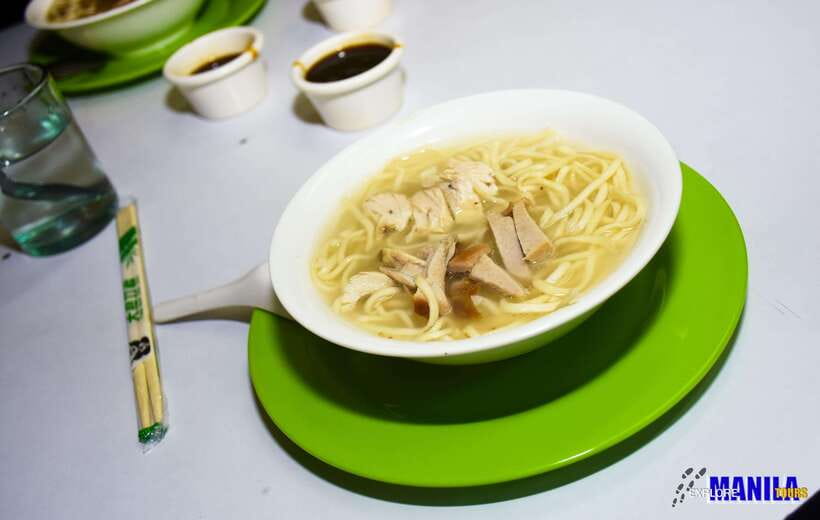
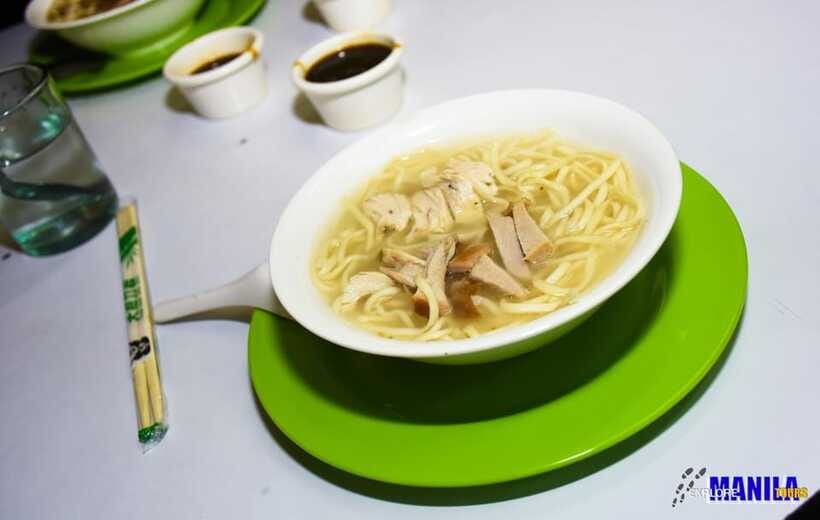
The route then turns to mami, a noodle soup closely tied to Filipino comfort food. This stop gives the meal a warmer, more substantial center after the earlier snacks and dumplings.
Soup can be a useful cultural lesson because it shows how a Chinese-style dish becomes part of local daily eating. The tour presents mami not as an imported curiosity, but as a beloved food within Filipino life. Your guide can connect the bowl to the broader story of Chinese communities in the Philippines and the way cooking traditions change over time.
The practical drawback is the heat and fullness. Binondo is a walking district, and a bowl of noodle soup takes up more space than a single pastry or dumpling. Pace yourself. If the portions arrive family-style or larger than expected, sharing is sensible, not a sign that you are missing out.
The precise restaurant and recipe are not specified, so the value here lies less in hunting for one famous bowl and more in learning how mami fits into the neighborhood’s food culture. Juan was praised for explaining the origins and development of the Chinese community in the Philippines, and guides with that kind of background make the soup stop more meaningful.
Same island, a completely different kind of day:
- Intramuros, Manila: Historical Bamboo Bike Tour
★ 4.8 · 583 reviews - Experience Intramuros with Bamboo Bicycle – Ecotours
★ 5.0 · 508 reviews - Manila: Intramuros, Chinatown, and Old Manila Half-Day Tour
★ 4.8 · 475 reviews - Manila: Old & New 4-Hour City Tour
★ 4.5 · 458 reviews
Classic dimsum in a local restaurant
The fourth restaurant stop is devoted to classic dimsum. By now you will have tasted several different ways Chinese cooking has been adapted and enjoyed in the Philippines. Dimsum adds variety, with smaller pieces and shared tasting portions that work well for a group.
This is the stop for comparing textures and styles. You can ask the guide what makes a dish Filipino-Chinese rather than simply Chinese, and you can use the answer to understand why Binondo matters. The experience is strongest when you treat each plate as part of a local food story, not just as a checklist of famous dishes.
The portions are described as varied, tasty, and plentiful. That is good value, but it also means the tour may feel like a full meal rather than a sampler. You may want to share items with your companion or group. If you are eating alone, ask the guide about pacing and portion expectations at the start.
A guide’s personality matters here. Chloe has been praised for mixing food stops with Chinatown history and practical suggestions for island trips. Nel has been described as warm and reassuring, especially for solo visitors. Jian has been praised for adding cultural stories and food facts. The guide assigned to your departure may differ, but the experience depends heavily on having someone who can connect the plates to the streets around you.
Ending with hopia at a historic bakery
The final food stop is a local bakery known for hopia, a flaky pastry with several possible flavors. Hopia is one of the clearest examples of Chinese-Filipino culinary exchange, and it provides a sweet finish to a meal that has mostly focused on savory food.
The bakery stop is also practical. Hopia is easy to carry, so it can serve as a small edible souvenir. The tour includes food and drinks as listed in the program, but you may want to ask before buying extra pastries for the journey home.
There is one small point to consider. One person felt the take-home dessert was unnecessary and likely to go uneaten because the group was already full. That will depend on your appetite and travel plans. If you are staying nearby, the pastry may be welcome later. If you are moving on immediately with a full bag, it may feel like one item too many.
After the bakery, the group returns to Binondo Church. The route therefore forms a compact loop, with no hotel transfer included. You finish where you began, which makes it easier to continue exploring independently or arrange a Grab ride to your next stop.
How much food you actually receive
At $60 per person, this tour is not priced like a quick street snack crawl. Its value comes from the combination of all food and drinks, a three-hour walking route, an English-speaking guide, and access to several places you might not find without local help.
The food quantity is the clearest strength. Several accounts describe the portions as more than enough, and one person called the food varied, tasty, and plentiful. If you are comparing this with ordering individual dishes at random, the tour can make financial sense because you sample across five restaurants and a bakery without having to guess what to order.
The value is less obvious if your main goal is a small number of bites or a private dining experience. You may not finish everything, and the food is served in local eateries rather than a carefully paced tasting menu. For many people, that is part of the charm. For others, it can feel like too much food for one morning.
I would book this as a substantial brunch or lunch, not as a warm-up before another major meal. Come hungry, but do not arrive starving. Comfortable pacing will let you enjoy the dumplings, mami, dimsum, and hopia without rushing.
The guides make the difference
The guide names connected with this activity include Chloe, Nel, Jian, and Juan. Assignments can vary, but the consistent pattern is a friendly English-speaking host who does more than point out restaurants.
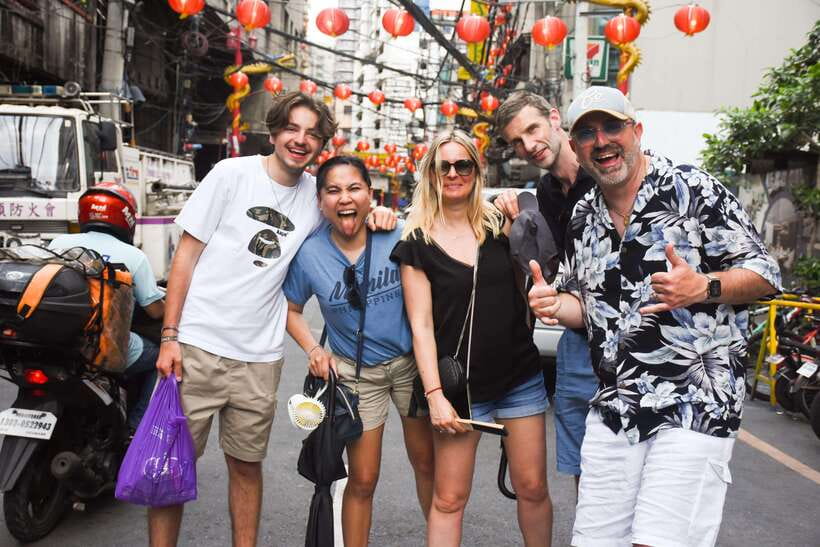
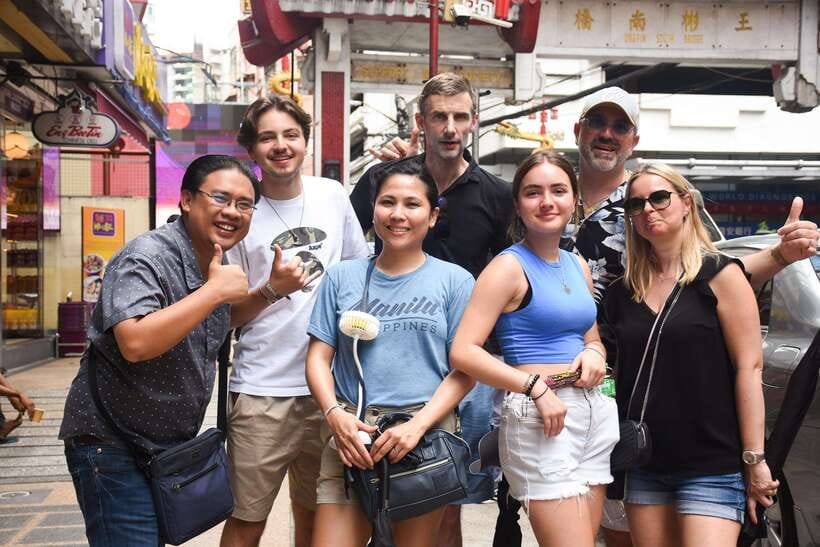
Chloe has been praised for her history of Chinatown, helpful Manila and island advice, and ability to lead groups through small streets. Nel has been described as personable and welcoming to solo visitors, while also helping people feel at ease in unfamiliar surroundings. Jian has been credited with cultural stories and food explanations. Juan was praised for detailed context about the Chinese community in the Philippines and for giving guests freedom to taste without pressure.
That last point is important. A food tour should help you try unfamiliar dishes, not make you feel tested. If you dislike an item, you can set it aside. If you have a question about ingredients or preparation, ask before eating.
The experience may run longer than the advertised three hours if the group moves slowly or the food service takes time. One account referred to four hours, while the official duration is three. If you have a flight, ferry, appointment, or timed attraction afterward, leave a buffer.
Who should book, and who should think twice
This tour suits you if you enjoy eating local food in ordinary neighborhood settings and want context along with your meal. It is especially useful early in a Manila visit, when a guide can give you ideas for what to try elsewhere and help you understand the city’s Filipino-Chinese connections.
Solo visitors can also fit in well. The warm guide style described for Nel suggests that you do not need a large party to enjoy the walk. Couples and small groups should find the shared portions easy to manage, provided nobody expects a private itinerary.
It is a poor match for vegans and vegetarians because the experience is built around dishes that may contain meat, seafood, or other animal products, and the activity specifically lists both groups as unsuitable. It is also not suitable for wheelchair users. Baby strollers and luggage or large bags are not allowed, so arrange storage before you arrive.
Bring comfortable shoes. This is a walking tour through streets and alleys, and it runs rain or shine. Wear clothing suited to Manila’s weather, but the most important preparation is footwear and an appetite.
Cancellation is free up to 24 hours before the tour for a full refund. You can also reserve now and pay later, which helps if your Manila schedule is still changing.
Should you book the Binondo food tour?
I would book it if you want a generous, guided introduction to Binondo and prefer trying several foods over choosing one restaurant. The dumplings, dimsum, mami, and hopia create a satisfying range, while Carvajal Street and the small alleys give you a side of Chinatown that is easy to miss on your own.
I would skip it if you need vegetarian or vegan food, use a wheelchair, dislike large portions, or want a short and highly controlled tasting. For everyone else, $60 is a fair price for the food, drinks, neighborhood access, and guide time, especially if you arrive ready to share and pace yourself.
FAQ
Where does the Binondo food tour begin?
The meeting point is in the lobby of Binondo Church, near the candles area.
How long does the tour last?
The stated duration is three hours. One account described the experience taking four hours, so leave extra time if you have another booking afterward.
What food is included?
The route includes fresh lumpia, handmade dumplings, mami, classic dimsum, and hopia, along with other tastings at five local restaurants and a bakery. Food and drinks listed in the itinerary are included.
Is a guide included?
Yes. An English-speaking live tour guide is included. Guides associated with the experience include Chloe, Nel, Jian, and Juan, though your assigned guide may vary.
Is hotel pickup included?
No. Hotel pickup and drop-off are not included. You need to make your own way to Binondo Church.
Can I use Grab to reach the meeting point?
Yes. The activity information specifically suggests using the Grab app, the local version of Uber, to get to the meeting point.
Should I bring comfortable shoes?
Yes. This is a walking tour through streets and alleys, so comfortable shoes are recommended.
Can I bring luggage or a baby stroller?
No. Baby strollers and luggage or large bags are not allowed on the tour.
Is the tour suitable for vegetarians, vegans, or wheelchair users?
No. The activity is listed as unsuitable for vegans, vegetarians, and wheelchair users.
Just added around Manila
- MANILA: HISTORICAL KALESA RIDE TOUR EXPERIENCE IN INTRAMUROS★ 4.0 · 3 reviews
- Makati Street food walking tour with Dinner★ 5.0 · 3 reviews
- Philippines Intro 3 days 2 nights Tour Best of Manila and Beyond★ 5.0 · 3 reviews
- Bites and Sights: Tagaytay Food and Nature Excursion from Manila★ 4.0 · 3 reviews
- Authentic Manila Chinatown Food Tour Exploration★ 5.0 · 3 reviews
- 4 Day Banaue Ifugao Rice Villages Private tour Trekking★ 4.5 · 3 reviews
- Embark on a 7-Day Banaue-Sagada Adventure of a Lifetime★ 5.0 · 3 reviews
- From Manila: Philippines Private Tour Guide★ 4.1 · 3 reviews
Manila Tours, compared.
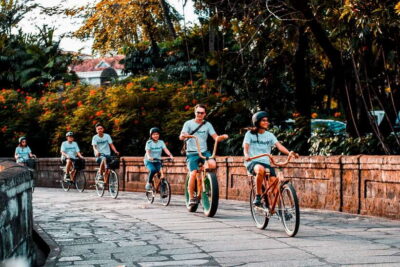
Intramuros, Manila: Historical Bamboo Bike Tour
Read our review →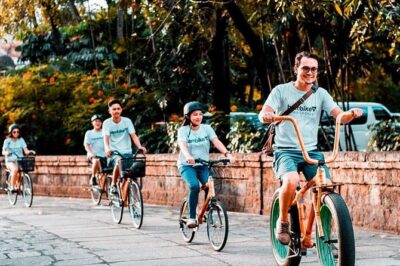
Experience Intramuros with Bamboo Bicycle – Ecotours
Read our review →
Manila: Intramuros, Chinatown, and Old Manila Half-Day Tour
Read our review →
Manila Food Tour: Introduction to Philippine Street Food
Read our review →
Spectacular Manila to Tagaytay: Full-Day Sightseeing Tour
Read our review →
Makati Nightlife: VIP Access to Clubs, Rooftops & Go-Go Bars
Read our review →
Discover Tagaytay’s Countryside: Half-Day Sightseeing Tour
Read our review →
From Manila: Tagaytay Countryside Wonders: A Half-Day Tour
Read our review →Browse the lists this tour appears in