
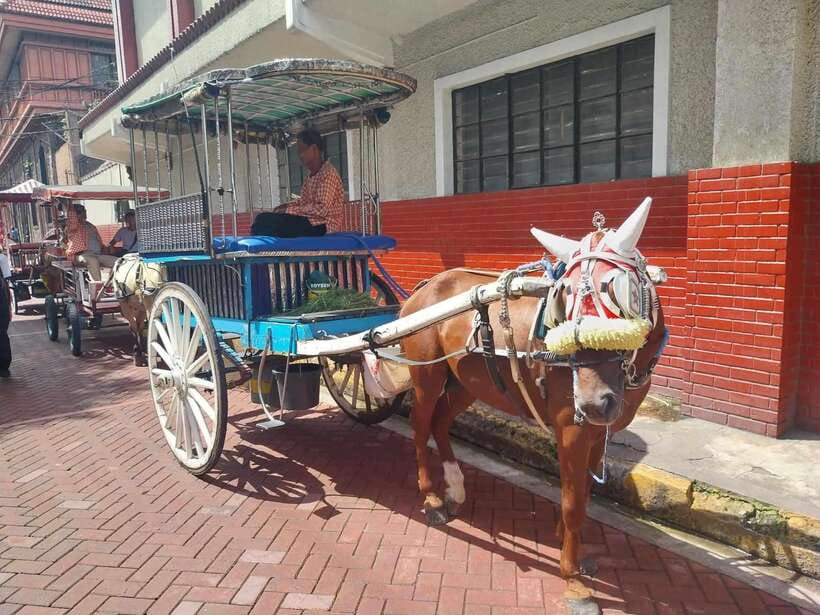
Reviewed · MANILA TOURS
Manila: Intramuros and Chinatown Food Tour with Food Samples
Manila’s best history lesson may be the one that ends with a plate of siomai. This five-hour walk links Intramuros, the old walled city, with Binondo, the world’s oldest Chinatown, showing you how Spanish colonial rule and Chinese Filipino culture shaped the same city. Jane, also spelled Jayne in some tour details, is one guide associated with this experience, and her warm, helpful approach has been especially praised.
I like the smart route: you begin with Fort Santiago, Manila Cathedral, and San Agustin Church, then shift from stone walls to street food. I also like the small group limit of eight, plus the tuktuk ride that gives your feet a short break. The main drawback is that this is a serious walking day in Manila’s heat, and the food portion may not suit people with allergies or very limited diets.
Key points to know before you book
- Seven Binondo tastings: Try fried siopao, pork siomai, lumpia, hopia, pansit, egg tart, and buchi, with the exact selection subject to availability.
- Three major Intramuros sights: Fort Santiago, Manila Cathedral, and San Agustin Church give the tour a strong historical spine.
- A 20-minute tuktuk transfer: Ride from Intramuros toward Chinatown instead of spending the whole day on foot.
- A genuinely small group: No more than eight participants makes it easier to ask questions and keep pace.
- A helpful guide matters here: Jane or Jayne has been singled out for clear explanations, friendly company, and assistance after the tour.
- A practical finish: The tour ends at Binondo Church, not back at Fort Santiago, so plan your onward transport from Chinatown.
Why this Manila combination works
Many city tours force you to choose between monuments and food. This one gives you both, and the change of mood is the point. You start among defensive walls, churches, and colonial-era landmarks, then move into Binondo’s Chinese Filipino food culture.
That contrast helps you understand Manila as a meeting place rather than a collection of isolated sights. The tour does not treat food as a quick snack tacked onto a sightseeing route. The samples are the second half of the experience, with about three hours set aside for tasting and walking around Chinatown.
At $80 per person, this is not the cheapest way to see Intramuros. You are paying for a five-hour guided route, the Fort Santiago entrance, the tuktuk ride, seven food samples, and the convenience of someone explaining the places and helping with the food stops. If you already know Manila and prefer to wander alone, the price may feel high. If this is your first visit and you want history, transport, and an organized introduction to Binondo in one outing, the package makes more sense.
More Food Tours in Manila
- Manila Food Tour: Introduction to Philippine Street Food
★ 5.0 · 417 reviews - Manila Food Tour: Explore World’s Oldest Chinatown
★ 5.0 · 158 reviews - Manila: Street Food and Drinks Walking Tour with Tastings
★ 4.8 · 114 reviews
Starting at Fort Santiago
The tour begins at the Fort Santiago Gate. This is a useful starting point because Fort Santiago gives you an immediate sense of Intramuros as a fortified colonial center, not simply a pretty old quarter.
You have about an hour to walk through the fort. Expect preserved ruins, gates, open areas, and stories tied to the Philippines’ colonial past. The guide also discusses José Rizal, the national hero whose connection to the fort gives the site particular weight.
I would not rush this first hour. The fort is the place to ask questions and get the political background that makes later stops more meaningful. With an English or Tagalog speaking guide, you can ask for context rather than just collect dates and names.
The fort is also one of the better places on the route for photos. Photography assistance is included, which may be useful if you are traveling alone or want more than quick snapshots. Flash photography is not allowed, so bring a camera or phone that works well in natural light.
The practical issue is weather. An hour of walking at the start, followed by more streets and churches, can feel tiring under a hot sun. Wear comfortable shoes, use sunscreen, and carry water. This is not a stop where you should arrive dressed for a short, air-conditioned museum visit.
Manila Cathedral and the short walk onward
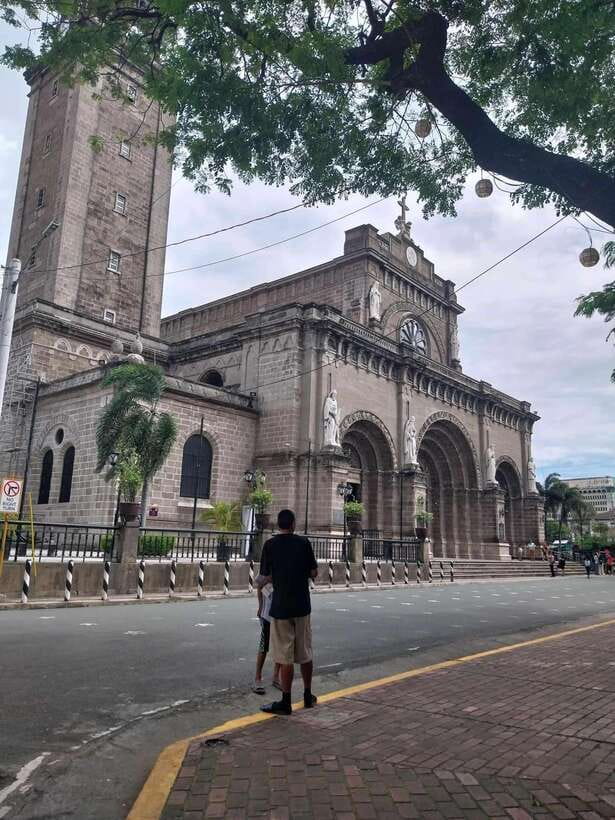
From Fort Santiago, you walk for about 20 minutes to Manila Cathedral. The route lets you see Intramuros as a living district rather than a single attraction enclosed behind a ticket gate.
Manila Cathedral has survived natural disasters and repeated rebuilding, making it an important spiritual and historical marker in the city. Your guide explains why the cathedral matters, while the walk between sites gives you time to notice the streets and old walls around it.
This section is relatively accessible for anyone comfortable with a normal city walk, but the overall tour is not suitable for wheelchair users. The route involves walking between stops and later continues through Chinatown, so mobility and stamina matter more than they might on a vehicle-based city tour.
The cathedral is also a reminder that the tour is not limited to secular history. Fort Santiago brings military and political stories. Manila Cathedral adds religious history. Together, the stops show the several forces that shaped Intramuros.
San Agustin Church and the strongest architectural stop
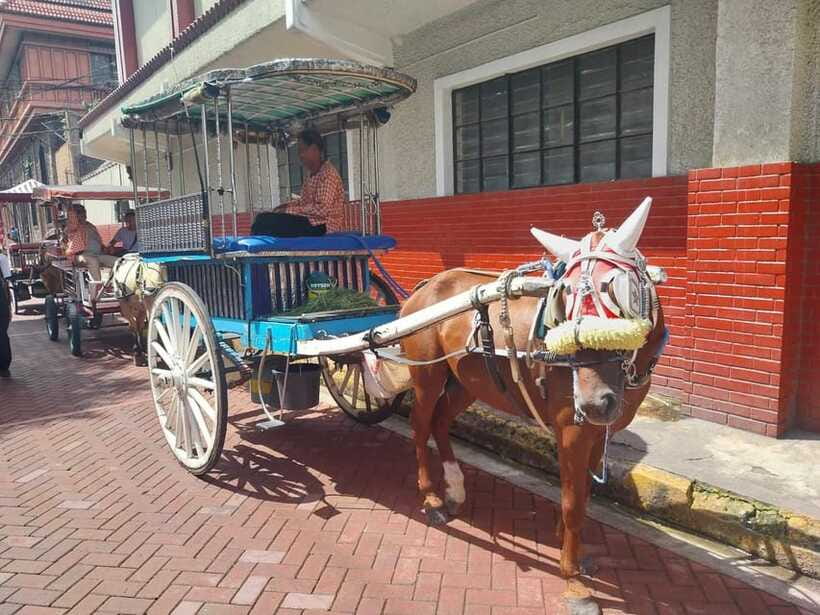
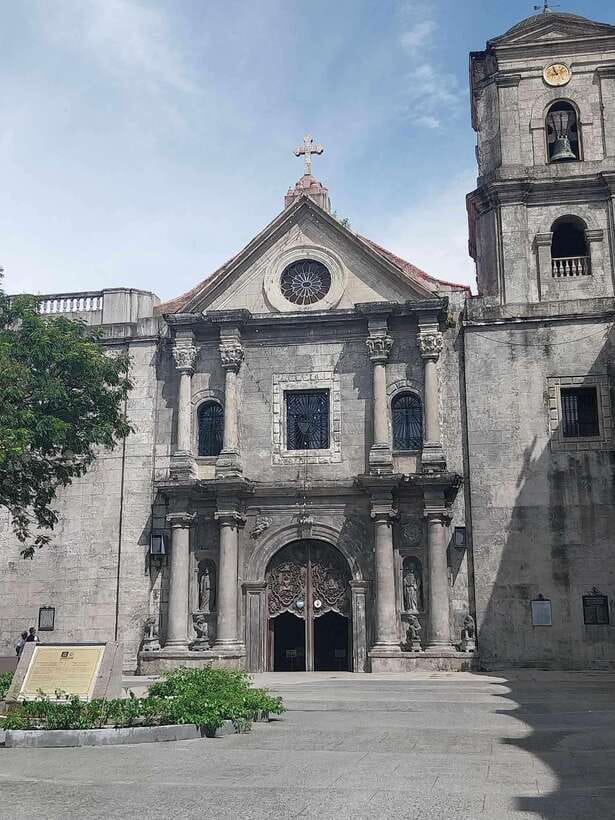
A further 20-minute walk takes you to San Agustin Church, the oldest stone church in the Philippines and a UNESCO World Heritage Site. For many people, this is the architectural high point of the Intramuros section.
The church is known for its baroque design and long connection to Manila’s past. It gives the tour a different feel from Fort Santiago, with an emphasis on worship, art, architecture, and survival rather than military power.
Your guide’s explanation is valuable here because the building’s age and designation can otherwise become quick facts you hear and forget. Ask questions about the church’s role in Intramuros and how it fits with the cathedral you have just seen.
You should also expect the pace to remain active. The published walking times total roughly one hour and 40 minutes before the tuktuk ride, and that does not include time spent exploring the sites themselves. The tour is best for you if you enjoy moving through a city on foot and stopping often, not if you want long, leisurely breaks at each monument.
More walks through old Manila:
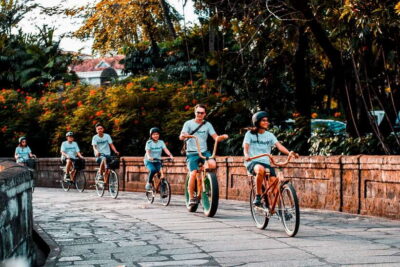
- Intramuros, Manila: Historical Bamboo Bike Tour
★ 4.8 · 583 reviews - Experience Intramuros with Bamboo Bicycle – Ecotours
★ 5.0 · 508 reviews - Manila: Intramuros, Chinatown, and Old Manila Half-Day Tour
★ 4.8 · 475 reviews - Manila: Guided Sunset Bamboo Bike Tour in Intramuros
★ 4.8 · 119 reviews
The tuktuk ride from Intramuros to Binondo
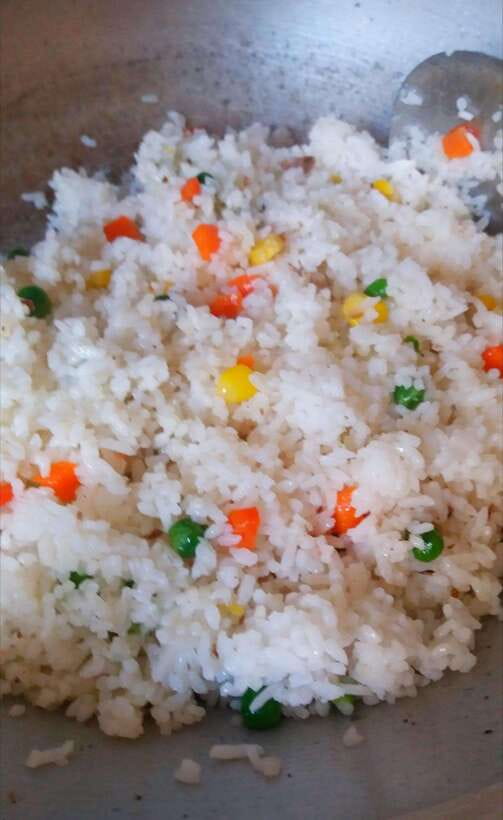
After the churches, you board a tuktuk for about 20 minutes. This is more than a novelty ride. It breaks up the walking and shifts the tour from the preserved streets of Intramuros toward the crowded, mixed character of Manila.
The open-air vehicle gives you a breezy view as you pass landmarks and cobblestone roads. It also lets you see the change between the old walled district and the streets leading toward Chinatown without spending another half hour on foot.
Do not expect a long sightseeing drive with a narrated route from start to finish. The tuktuk is a short transfer and a pleasant change of pace. Its value is practical as much as scenic.
This is one reason the route works well for a first day in Manila. You get a taste of local transport, a view of the city between major stops, and a chance to rest your legs before the food portion. The small group size should also make boarding and staying together simpler than on a large coach tour.
Binondo food stops: seven tastes, not one formal meal
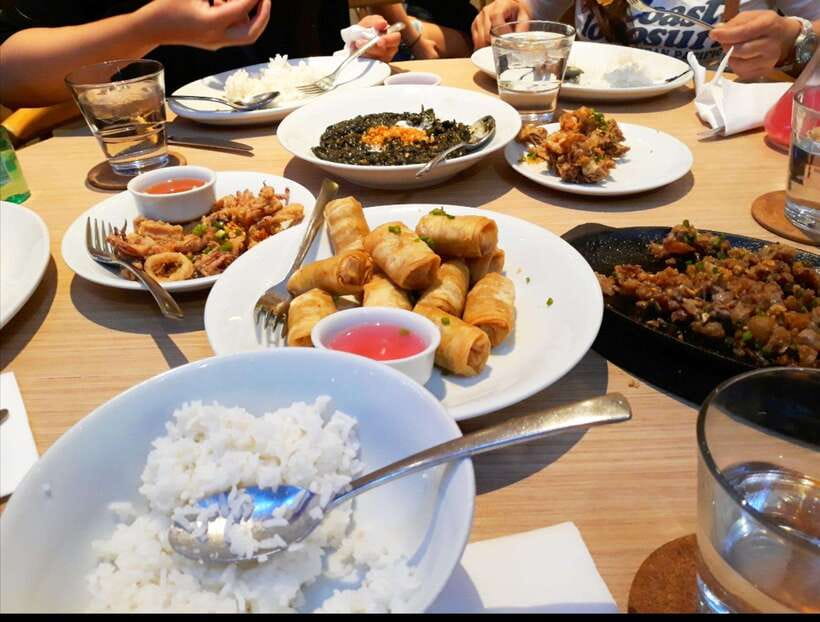
The second half takes place in Binondo, where the focus turns to Chinese Filipino food and the cultural links behind it. The food tasting lasts about three hours, so you have time to sample, walk, listen, and notice how different this part of Manila feels from Intramuros.
The expected food list includes:
- Fried siopao
- Pork siomai
- Lumpia
- Hopia, often filled with mung bean
- Pansit
- Egg tart
- Buchi
The exact food can change with availability. That flexibility is normal for a food walk, and it means you should think of the list as a guide rather than a guaranteed seven-item menu.
The samples cover several textures and styles. Siopao and siomai give you steamed or savory dumpling-like bites. Lumpia brings a crisp spring roll element. Hopia adds a pastry filled with mung bean, while egg tart offers a sweet custard taste. Pansit gives the group something more substantial, and buchi adds another sweet, chewy bite.
Taken together, these foods show the meeting of Chinese cooking and Filipino eating habits better than a single restaurant meal would. Your guide explains how Chinese culture influenced Filipino cuisine and how Binondo developed into an important Chinese Filipino center.
You should not assume that seven tastings equal seven tiny samples. The food section is described as generous, and the overall experience can feel like a full meal. Pace yourself early, especially if you are tempted by extra snacks along the way. It may be difficult to resist them, but you do not want to be too full before the later tastings.
Food is subject to availability, so the route may not follow the exact order above. That is part of the street-level nature of the experience. You are not being served a fixed tasting menu in a controlled dining room. You are moving through Binondo and trying what is available on the day.
The tour is not suitable for people with food allergies. If you have dietary restrictions, tell the operator in advance, but do not book assuming that every allergy or preference can be handled. If you are a selective eater, ask yourself if you are comfortable with an experience built around unfamiliar Chinese Filipino foods.
The guide can shape the whole day
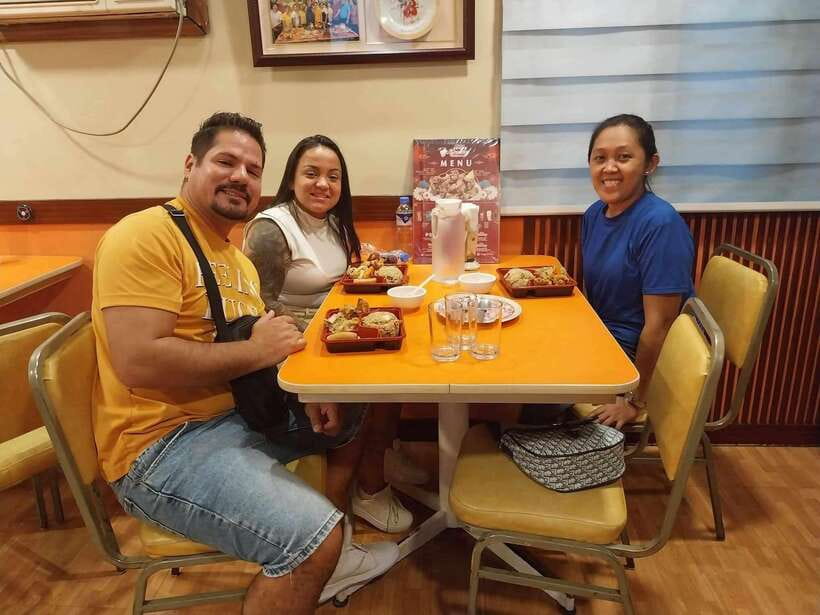
A guide is particularly useful on this route because both halves benefit from local explanation. Fort Santiago and the churches carry layers of history that can be easy to miss, while Binondo’s food names and cultural links are more rewarding when someone explains what you are eating.
Jane, also written as Jayne in the supplied guide information, is associated with several highly positive accounts of the experience. The qualities that matter are not grand speeches. She has been described as friendly, clear, attentive, and good at keeping both older and younger companions interested.
That practical care appears after the official route, too. Jane has helped people work out how to get back, waited with participants for a taxi, and checked that they arrived safely. You should not assume this level of follow-up is guaranteed with every departure, but it gives you a useful sense of the personal style connected with the tour.
The guide also helps if you are nervous about eating in unfamiliar places. You can ask what a dish contains, how it is normally eaten, and which item to try next. In a small group, those conversations are easier than they are on a large sightseeing bus.
Ending at Binondo Church
The tour ends at the Minor Basilica and National Shrine of Saint Lorenzo Ruiz, commonly called Binondo Church. This is a fitting final stop because it connects the food district back to heritage and religion.
You do not return to Fort Santiago. Plan your day around finishing in Binondo, and check your onward transport before you set out. The tour provider sends meeting-point details within 24 hours of booking, while the stated starting point is the Fort Santiago Gate.
Ending in Chinatown is useful if you want to continue eating, shopping, or exploring on your own. It is less convenient if your hotel is near Intramuros and you expected to walk back with the group. The finish point should be part of your booking decision, not an afterthought.
Walking, weather, and group size
This is a five-hour experience, with the first section built around walking and the second around food stops in Binondo. Comfortable clothing and footwear are essential. Bring water, sunscreen, and a camera.
Smoking and flash photography are not allowed. The photography assistance is a nice extra, particularly at Fort Santiago and the churches, but it does not turn the tour into a dedicated photo session.
The small group limit of eight is one of the strongest practical features. You can hear the guide more easily, ask questions without holding up a busload of people, and stay connected during street crossings and food stops. It also makes the experience feel more personal, which matters when a tour includes shared tastings.
The tradeoff is that small-group tours can sell out more quickly and may offer fewer departure choices. Starting times vary, so check availability for your date.
Who will get the most from this tour
I would choose this tour if you want a first look at Manila that combines major heritage stops with food you might not confidently order alone. It suits couples, families with older children, and solo visitors who want company without joining a large group.
It is also a good choice if you like tours with a clear story. Fort Santiago sets up the colonial and national history, the churches add religious and architectural context, the tuktuk changes the pace, and Binondo shows the Chinese Filipino side of the city through food.
I would think twice if you dislike walking, struggle in hot weather, use a wheelchair, or have serious food allergies. The food section is central, not optional, and the route ends away from the starting point.
The tour may also feel too organized for someone who already knows Intramuros and Binondo. In that case, you could spend $80 on your own food choices and explore at your preferred pace. The value here is the combination of access, explanation, transport, and planning.
Cancellation and booking flexibility
You can cancel up to 24 hours before the experience for a full refund. The reserve-now, pay-later option also helps if your Manila schedule is still changing.
Because the meeting-point details are advised within 24 hours after booking, read the final instructions carefully. The stated route starts at Fort Santiago and ends at Binondo Church. The supplied location field also mentions Nueva Vizcaya, which does not match the Manila route, so confirm the exact departure details before setting out.
Should you book it?
Book this tour if you want Manila explained through both its old stone landmarks and its everyday food culture. The best parts are the clear progression from Fort Santiago to Binondo, the short tuktuk ride, the seven tastings, and the personal help associated with guide Jane or Jayne.
Skip it if you need a wheelchair-friendly route, must avoid a wide range of foods, or prefer independent wandering. For everyone else, $80 is reasonable when you value a small group, an English or Tagalog speaking guide, entrance to Fort Santiago, and a full five-hour introduction to two very different sides of Manila.
FAQ
Where does the tour start?
The tour starts at the Fort Santiago Gate in Intramuros. Final meetup details are advised within 24 hours after booking.
Where does the tour end?
The tour ends at the Minor Basilica and National Shrine of Saint Lorenzo Ruiz, also known as Binondo Church.
How long does the tour last?
The experience lasts five hours. The route includes about one hour at Fort Santiago, walks between the Intramuros sights, a 20-minute tuktuk ride, and about three hours of food tasting in Binondo.
What foods are included?
The seven tastings may include fried siopao, pork siomai, lumpia, hopia, pansit, egg tart, and buchi. Items depend on availability.
Is transportation included?
A tuktuk ride from Intramuros to Chinatown is included. The tour does not state that other transportation is included.
What languages does the guide speak?
The live guide speaks English or Tagalog.
Is the tour suitable for people with food allergies or wheelchair users?
The experience is not suitable for people with food allergies or wheelchair users. Anyone with dietary restrictions should inform the operator in advance.
Just added around Manila
- Makati Street food walking tour with Dinner★ 5.0 · 3 reviews
- Philippines Intro 3 days 2 nights Tour Best of Manila and Beyond★ 5.0 · 3 reviews
- MANILA: HISTORICAL KALESA RIDE TOUR EXPERIENCE IN INTRAMUROS★ 4.0 · 3 reviews
- Bites and Sights: Tagaytay Food and Nature Excursion from Manila★ 4.0 · 3 reviews
- Authentic Manila Chinatown Food Tour Exploration★ 5.0 · 3 reviews
- 4 Day Banaue Ifugao Rice Villages Private tour Trekking★ 4.5 · 3 reviews
- Embark on a 7-Day Banaue-Sagada Adventure of a Lifetime★ 5.0 · 3 reviews
- From Manila: Philippines Private Tour Guide★ 4.1 · 3 reviews
Manila Tours, compared.
Intramuros, Manila: Historical Bamboo Bike Tour
Read our review →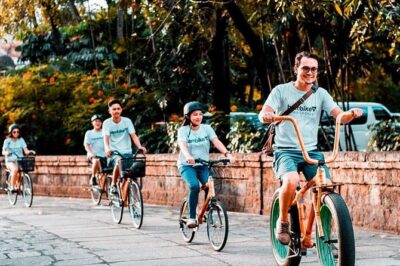
Experience Intramuros with Bamboo Bicycle – Ecotours
Read our review →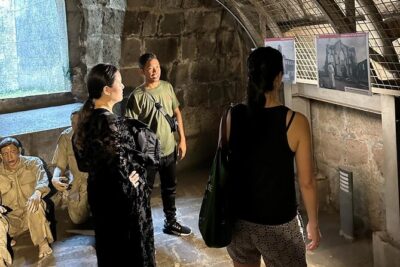
Manila: Intramuros, Chinatown, and Old Manila Half-Day Tour
Read our review →
Manila Food Tour: Introduction to Philippine Street Food
Read our review →
Spectacular Manila to Tagaytay: Full-Day Sightseeing Tour
Read our review →
Makati Nightlife: VIP Access to Clubs, Rooftops & Go-Go Bars
Read our review →
Discover Tagaytay’s Countryside: Half-Day Sightseeing Tour
Read our review →
From Manila: Tagaytay Countryside Wonders: A Half-Day Tour
Read our review →Browse the lists this tour appears in