

Reviewed · MANILA TOURS
Manila: Walled City Intramuros Walking Tour
Intramuros is where Manila’s past is easiest to read. Behind its old walls, this tour connects Spanish colonial rule, José Rizal’s final days, the destruction of the Battle of Manila, and the quiet details of 19th-century home life. Guide Andre is known for clear storytelling and an easy way with questions.
I like the mix of major sights and smaller human stories, especially the Rizal Shrine and the moving Memorare Manila 1945 stop. I also like that the tour adds a short kalesa or tranvia ride and refreshments instead of making you walk every minute. The main drawback is the rough footing: about 5,000 steps on cobblestones and uneven streets can be tiring, and the tour is not suitable for wheelchair users.
Key points at a glance
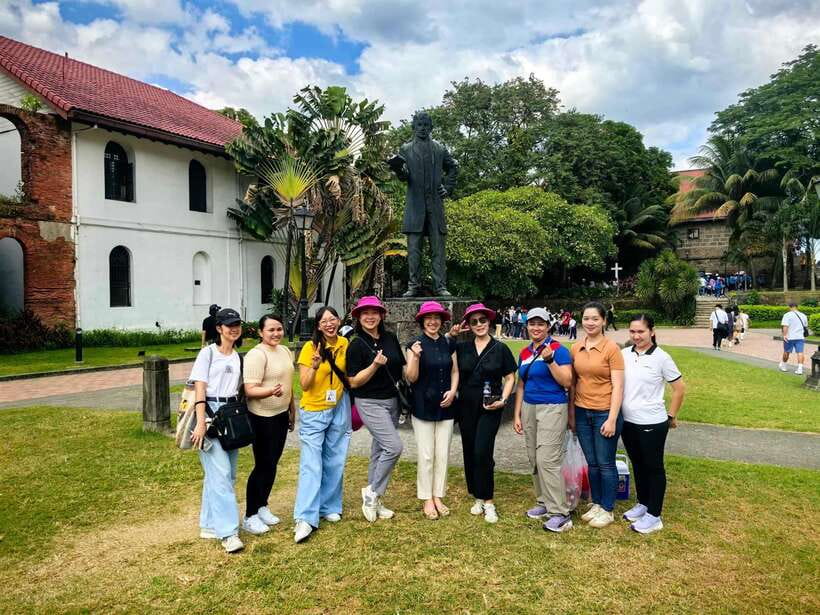
- Fort Santiago sets the historical stage: Explore the old defensive complex, river views, and the place linked to José Rizal’s final days.
- Rizal’s story gets personal: The shrine offers more than a quick photo stop, with time to understand the national hero’s last hours.
- The Battle of Manila is treated seriously: Memorare Manila 1945 brings attention to the city’s wartime suffering and recovery.
- San Agustin Church is a major architectural stop: This UNESCO World Heritage Baroque church is one of Intramuros’ essential sights.
- Casa Manila changes the pace: A recreated 19th-century home shows how wealthy Filipino families lived during the Spanish colonial period.
- The short ride adds welcome variety: A kalesa or tranvia ride breaks up the walking and gives you another way to see Intramuros.
Why Intramuros works best with a guide
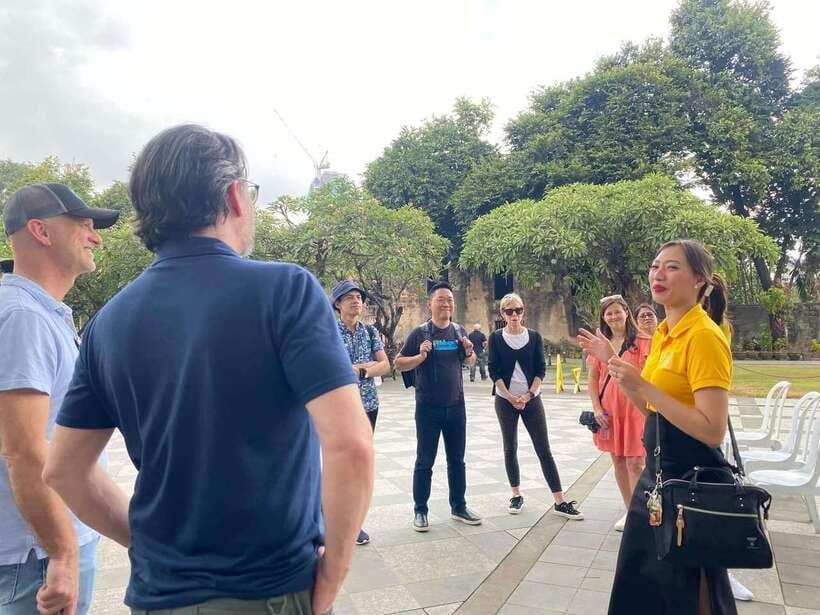
You can walk around Intramuros on your own, but its walls and churches do not explain themselves. A guide gives the streets a timeline, showing how a Spanish colonial center became a wartime ruin and then a preserved historic district.
The route covers more than four centuries without turning into a lecture. You move from military history at Fort Santiago to national identity at the Rizal Shrine, religious architecture at San Agustin Church, and domestic life at Casa Manila. That range is the tour’s real strength.
I especially like the way the experience links famous names to actual places. José Rizal is not treated as a distant figure from a textbook. His final days are connected to the rooms, grounds, and shrine inside Fort Santiago, making the story easier to follow.
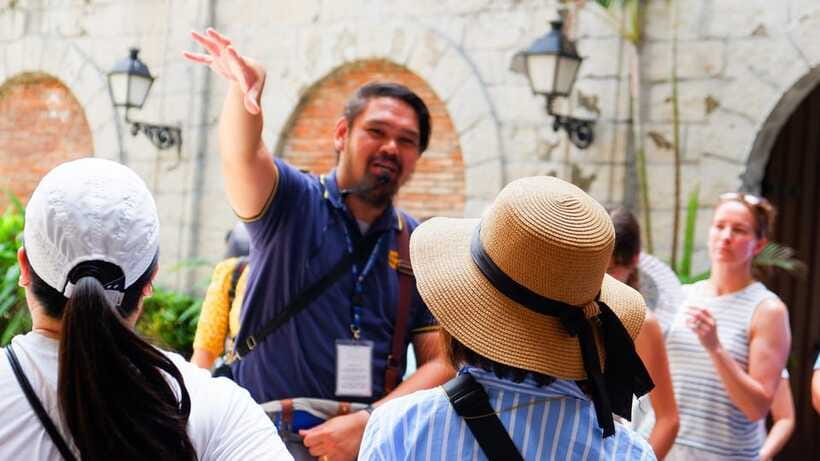
Guide Andre receives especially strong praise for speaking clear English, answering questions, and telling stories in a lively way. The group can include people from several countries, and the guide has been able to keep mixed groups together. A private group option is also available if you want a more personal pace.
More Walking Tours in Manila
- Manila: Street Food and Drinks Walking Tour with Tastings
★ 4.8 · 114 reviews - Viva Old Manila: Intramuros Walking Tour
★ 4.9 · 104 reviews - Manila: Sightseeing and Food Walking Tour with Tastings
★ 4.7 · 68 reviews
Fort Santiago: Manila’s historic starting point
The tour begins at Fort Santiago, one of the best places to understand why Intramuros was built. This fortified area guarded the entrance to the old city and sits near the river, giving you a sense of Manila’s strategic position.
You spend about an hour here with the guide. Expect a mix of walking, sightseeing, and historical explanation rather than a quick pass through the gate. The grounds give you room to look around while the guide explains the colonial origins of Manila and the people who shaped the city.
The river views provide a useful pause. They also make the fort feel less like an isolated museum and more like part of a working city built around water, trade, and defense.
Fort Santiago covers a fair amount of ground, so wear shoes with good support. Cobblestones and uneven surfaces are part of the experience. If you have limited mobility, this is one of the places where the route may become difficult.
The Rizal Shrine and the final days of a national hero
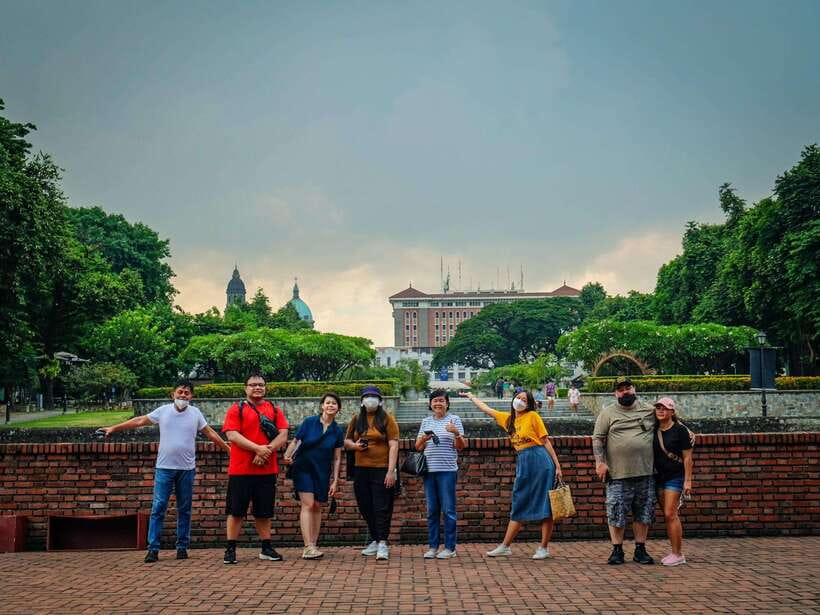
The Rizal Shrine receives roughly 30 minutes, including a guided visit and time for photographs. It is one of the most important stops because it shifts the tour from general colonial history to the life of one particular Filipino.
José Rizal was a writer, doctor, and reformer whose work helped shape Philippine national identity. The shrine at Fort Santiago is connected to his final days before his execution, and the guide explains that story in a thoughtful way.
This part works best when you listen closely rather than rush for pictures. The value lies in the setting and the personal details. You begin to see why Rizal remains such a central figure in the Philippines.
The visit also gives the tour an emotional center. Fort Santiago can feel grand and military, while the Rizal Shrine brings the story down to an individual level. That balance keeps the first half from becoming a parade of buildings.
Manila Cathedral and the old city center
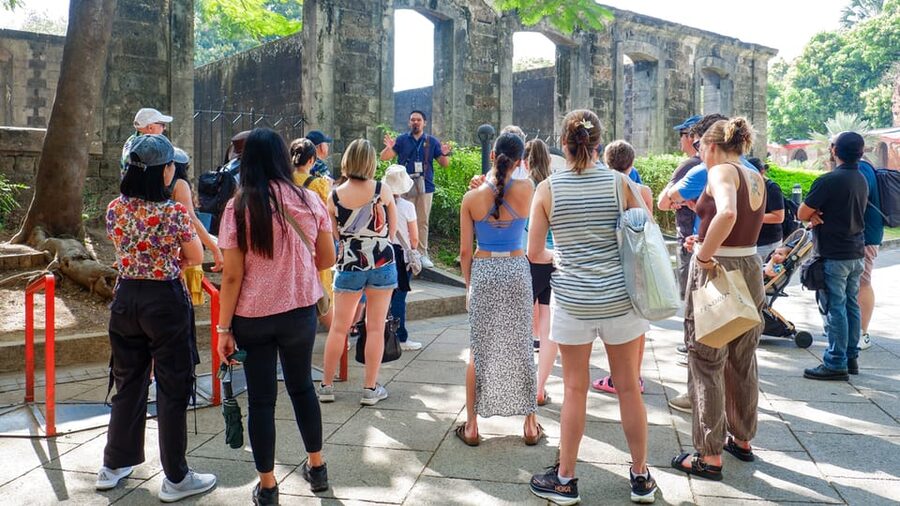
The next stop is Manila Cathedral, with about 20 minutes for guided sightseeing and free time. The cathedral is one of Intramuros’ key landmarks and helps you understand the district as a religious and civic center, not just a defensive compound.
Your guide explains the cathedral within the wider story of Spanish-era Manila. You have time to look at the building and take photographs, though the exact amount of access may depend on conditions at the site.
This is also a useful point to slow down. The tour covers several important locations, and the cathedral gives you a short break from the denser history of Fort Santiago and the Rizal Shrine.
Dress with care here and at San Agustin Church. Sleeveless tops, short shorts, and revealing clothing may prevent entry at churches or selected sites. A modest outfit is the simplest choice, especially if you want the day to run without interruptions.
More walks through old Manila:
- Intramuros, Manila: Historical Bamboo Bike Tour
★ 4.8 · 583 reviews - Experience Intramuros with Bamboo Bicycle – Ecotours
★ 5.0 · 508 reviews - Manila: Intramuros, Chinatown, and Old Manila Half-Day Tour
★ 4.8 · 475 reviews - Manila: Guided Sunset Bamboo Bike Tour in Intramuros
★ 4.8 · 119 reviews
A short kalesa or tranvia ride through Intramuros
The itinerary includes about 20 minutes on a horse-drawn kalesa or tranvia. This is a small part of the tour, but it adds a welcome change after hours on foot.
A carriage or tram ride lets you see the walls and streets from a seated position. It also gives you a better feel for the scale of Intramuros. You are not simply moving between isolated attractions. You are passing through a historic district with connected streets and open spaces.
Do not book this tour expecting a long transport excursion. The ride is short, and the main experience remains a guided walk. Still, I see it as a smart inclusion. A little sitting time matters on a hot day, particularly when the route covers around 5,000 steps.
The information describes this as a kalesa or tranvia ride, so the exact vehicle may depend on the option booked or local arrangements. If that detail matters to you, confirm it when booking.
Memorare Manila 1945 and the hardest chapter
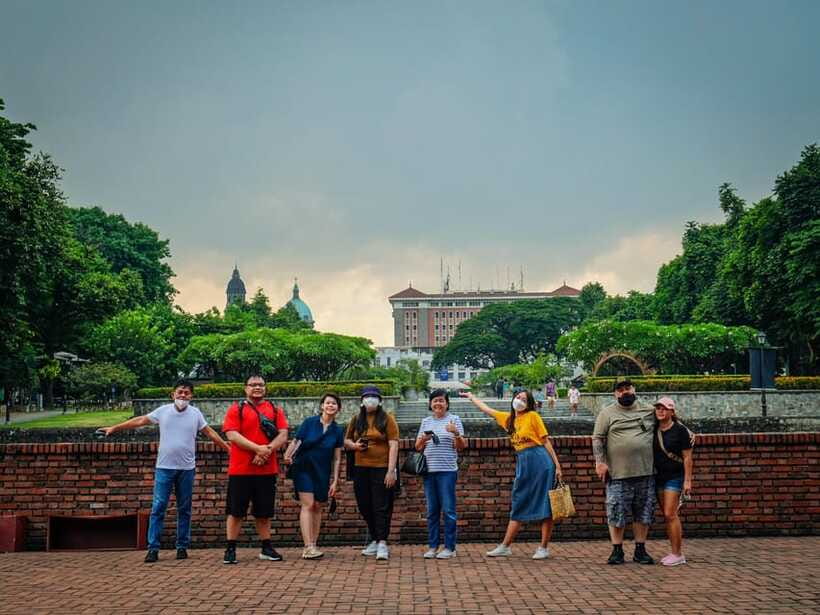
The stop at Memorare Manila 1945 lasts about 20 minutes and deals with the Battle of Manila in 1945. This is not a light sightseeing stop. It addresses the mass suffering and destruction that struck the city during World War II.
The memorial gives the tour a necessary change in tone. Intramuros is often presented through Spanish walls, churches, and colonial buildings, but the modern history of the district is just as important. Much of old Manila was destroyed during the battle, and the city had to rebuild after the war.
A good guide makes this section understandable without burying you in dates. Andre’s strength, based on the way the tour is described, is turning major events into stories that are easy to follow. That matters here because the subject is heavy and the setting deserves respect.
You may find this one of the most memorable parts of the afternoon. It explains why preserved structures in Intramuros matter so much. They are not merely old buildings. They are survivors of a city that suffered enormous loss.
San Agustin Church: the architectural highlight

San Agustin Church gets about 15 minutes for a visit, guided sightseeing, and photographs. It is a UNESCO World Heritage Baroque church and one of the essential stops in Intramuros.
The church offers a different kind of history from Fort Santiago. Instead of walls and military power, you see the role of faith, ceremony, and Spanish colonial influence in the old city. The architecture is the main attraction, but the setting also connects to the larger religious story of Manila.
Fifteen minutes is enough for an introduction, not a long architectural study. If you are passionate about church interiors, you may wish the visit were longer. For a tour covering several major sites, though, the time keeps the route moving.
Silence and modest dress matter inside. Smoking, vaping, alcohol, and disruptive behavior are not allowed, and professional cameras are excluded from the activity rules. Bring a phone or ordinary camera for permitted photographs, but follow instructions at each site.
Casa Manila and a look inside colonial home life

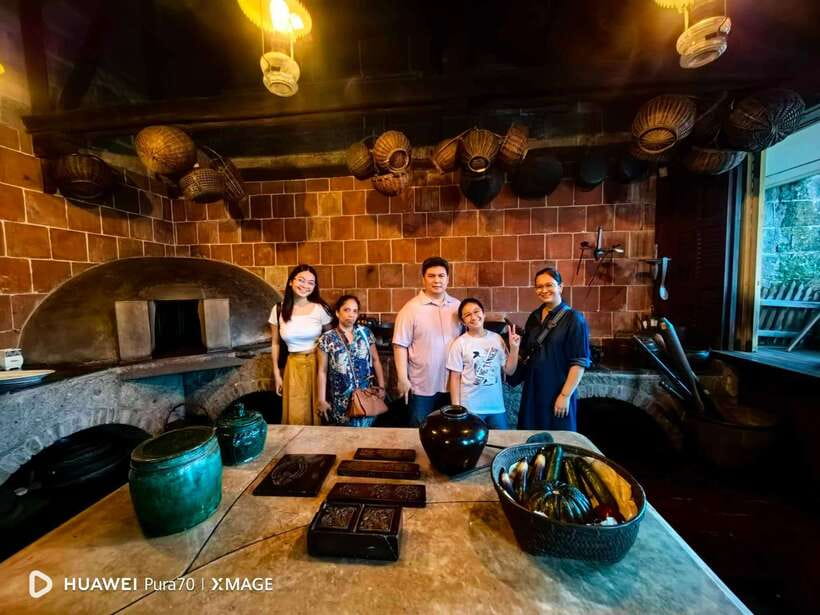
The tour ends at Casa Manila, with about 30 minutes for a guided visit. This recreated 19th-century home is valuable because it shows how people lived, not just how officials ruled or soldiers fought.
Inside, you get a sense of domestic routines, family life, furnishings, and social traditions during the Spanish colonial period. The house gives physical form to ideas that can feel abstract when explained only in front of a fort or church.
Casa Manila also makes a good ending. After the military setting of Fort Santiago, the national story of Rizal, the cathedral, the wartime memorial, and the church, you finish with ordinary rooms and household details. That human scale helps tie the day together.
The tour ends here, so plan the rest of your afternoon from Casa Manila rather than Fort Santiago. This is useful if you want to continue exploring Intramuros on your own, though no extra route is specified as part of the experience.
How much value do you get for $31?
At $31 per person, the tour offers solid value if you want several paid sights, an English-speaking guide, and transport variety in one half-day outing. The price includes the walking tour, guide, Fort Santiago entry, José Rizal Shrine entry, Casa Manila Museum entry, refreshments, and the kalesa or tranvia ride.
The value comes from the combination. A cheap walk that only circles the walls would not give you the same context. Here, the guide connects military sites, religious buildings, a memorial, and a colonial home into one story.
The tour is also useful if you have only a short time in Manila. One published rating is 4.7 from 17 ratings, and the strongest praise centers on the guide, organization, and amount covered. One person who expected a simple walk found it became the highlight of a short Manila visit.
There is one caution. The booking information says entrance fees may apply at certain sites and may be payable on the day, even though Fort Santiago, the shrine, and Casa Manila are listed as included. Check the final booking details so you know exactly what the $31 covers.
Walking conditions, weather, and clothing
This is a real walking tour, not a sightseeing trip with most movement by vehicle. You will cover around 5,000 steps on cobblestones and uneven ground, so comfortable shoes are essential.
The tour runs rain or shine. Bring water, sun protection, and a small umbrella according to the forecast. Comfortable clothing will help, but remember the modest dress code for churches and selected sites.
The route is suitable for most fitness levels, but it is not designed for wheelchair users. It may also be a poor fit for people with respiratory issues or visual impairments. The activity is not suitable for people over 95 years old.
Pets, smoking, vaping, alcohol, drugs, nudity, ripped clothing, and loud behavior are not allowed. These rules are especially relevant because the tour enters religious and historic places where quiet, respectful conduct is expected.
Who will enjoy this tour most?
I would choose this for a first visit to Manila, especially if you want the history explained rather than simply photographed. It suits adults, families with older children, students, and anyone interested in the country’s colonial period, national heroes, and World War II.
It is also a good fit for English-speaking groups from different countries. The experience has worked well for mixed international and local groups, and Andre’s clear delivery helps when not everyone has the same background knowledge.
History students and teachers may find the tour especially useful. One teacher brought Japanese students and used the outing as an informal chance to practice English and learn about another country’s past.
I would think twice if you dislike walking, hot weather, memorials dealing with wartime death, or structured sightseeing. The pace is relaxed, but the number of stops means you need to stay with the group and keep moving.
Booking tips and final decision
There are two possible starting location options, and the meeting point may vary with the option you choose. Check the confirmed meeting details carefully before setting out.
The tour lasts about 3 to 3.5 hours and is offered in English. You can cancel up to 24 hours ahead for a full refund, and reserve now while paying later, which helps if your Manila plans are still changing.
I would book this tour if you want a clear introduction to Intramuros with the main entry tickets, a guide, refreshments, and a short ride included. The strongest reason to go is the storytelling, particularly around Rizal and the Battle of Manila.
I would skip it only if you need a fully accessible route or prefer to explore at your own speed. For most physically able visitors, this is a practical and fairly priced way to understand why Intramuros matters.
FAQ
How long does the Intramuros walking tour last?
The tour lasts about 3 to 3.5 hours.
What language is the tour offered in?
The live tour guide speaks English.
Which sights are included?
The route includes Fort Santiago, the José Rizal Shrine, Manila Cathedral, Memorare Manila 1945, San Agustin Church, and Casa Manila Museum.
Is Fort Santiago admission included?
Yes, Fort Santiago entry is included.
Is Casa Manila Museum admission included?
Yes, Casa Manila Museum entry is included.
Does the tour include a ride?
Yes. The activity includes a kalesa or tranvia ride, listed as lasting about 20 minutes.
How much walking is involved?
The tour covers approximately 5,000 steps on cobblestone streets and uneven surfaces.
What should I wear and bring?
Wear comfortable shoes and comfortable clothes. Bring water, sun protection, or a small umbrella depending on the weather. Dress modestly because churches and selected sites may require covered clothing.
Just added around Manila
- Makati Street food walking tour with Dinner★ 5.0 · 3 reviews
- Philippines Intro 3 days 2 nights Tour Best of Manila and Beyond★ 5.0 · 3 reviews
- MANILA: HISTORICAL KALESA RIDE TOUR EXPERIENCE IN INTRAMUROS★ 4.0 · 3 reviews
- Bites and Sights: Tagaytay Food and Nature Excursion from Manila★ 4.0 · 3 reviews
- Authentic Manila Chinatown Food Tour Exploration★ 5.0 · 3 reviews
- 4 Day Banaue Ifugao Rice Villages Private tour Trekking★ 4.5 · 3 reviews
- Embark on a 7-Day Banaue-Sagada Adventure of a Lifetime★ 5.0 · 3 reviews
- From Manila: Philippines Private Tour Guide★ 4.1 · 3 reviews
Manila Tours, compared.

Intramuros, Manila: Historical Bamboo Bike Tour
Read our review →
Experience Intramuros with Bamboo Bicycle – Ecotours
Read our review →
Manila: Intramuros, Chinatown, and Old Manila Half-Day Tour
Read our review →
Manila Food Tour: Introduction to Philippine Street Food
Read our review →
Spectacular Manila to Tagaytay: Full-Day Sightseeing Tour
Read our review →
Makati Nightlife: VIP Access to Clubs, Rooftops & Go-Go Bars
Read our review →
Discover Tagaytay’s Countryside: Half-Day Sightseeing Tour
Read our review →
From Manila: Tagaytay Countryside Wonders: A Half-Day Tour
Read our review →Browse the lists this tour appears in