
Reviewed · MANILA TOURS
Manila: Filipino Historic Walking Tour in Intramuros
Intramuros tells the story of the Philippines in layers: Spanish rule, Catholic power, war, and the long fight for independence. This three-hour walk moves through those layers on foot, from the oldest stone church in the country to the old military garrison at Fort Santiago.
I like the small group limit of 15, which gives you a better chance to ask questions, and I like that entrance fees for San Agustin, Casa Manila, and Fort Santiago are included. Guides such as Jerome have been praised for being friendly, flexible, funny, and well informed.
The main drawback is the walking itself. You need comfortable shoes, and the tour is not suitable for wheelchair users or people with mobility impairments. It also requires good weather, and there is no hotel pickup.
Key points to know before you book
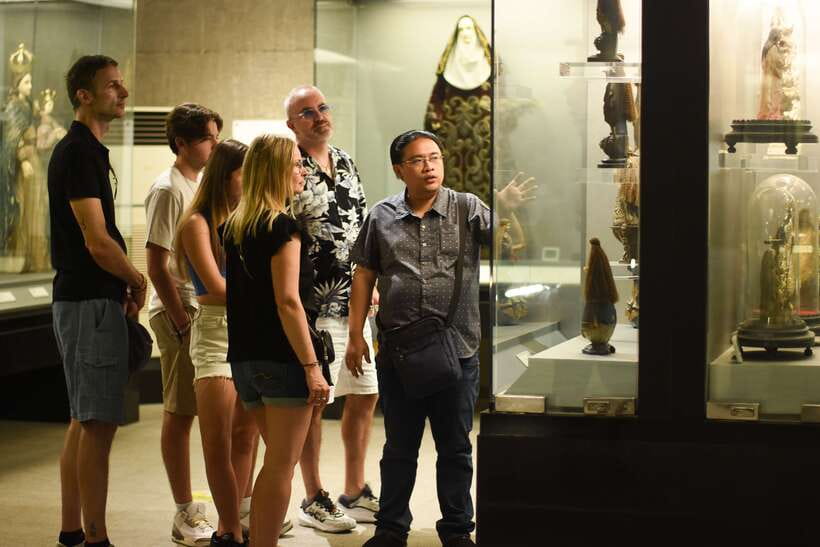
- San Agustin begins the story: Start inside the Philippines’ oldest stone church, then continue into its museum of religious art and historic objects.
- Casa Manila shows colonial life indoors: A restored 19th-century home reveals how European and Asian design met inside an aristocratic Manila house.
- The route covers the big Intramuros landmarks: You visit the walls, Memorare Manila 1945, Manila Cathedral, and Fort Santiago.
- Fort Santiago gives the walk its political edge: The old military garrison is where the discussion turns toward Filipino resistance and independence.
- Your guide shapes the value: The strongest part of the experience is the live explanation, especially if you ask questions and want connections between the sites.
- Plan for weather and clothing: Wear walking shoes, avoid short skirts and sleeveless shirts, and dress suitably for church visits.
Why Intramuros makes a good first history walk
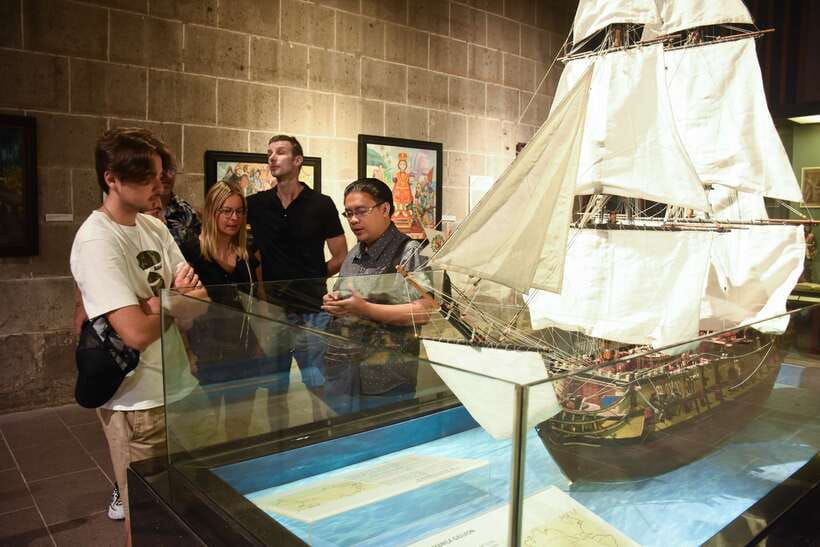
Intramuros is Manila’s old walled city, and this tour gives you a clear way to read it. Instead of seeing churches, houses, gates, and memorials as separate sights, you follow one broad story about how colonial rule changed Filipino society.
The Spanish connection is introduced at the start. You hear why Spain reached this part of the world and how more than 300 years of Spanish occupation left lasting marks on religion, architecture, politics, and everyday culture.
That context matters. Without a guide, Intramuros can feel like a collection of attractive old buildings. With a good guide, the buildings become evidence. A church points to Catholic authority. A grand home shows social rank and foreign influence. A fortress raises questions about military control and the struggle to govern the islands.
The route is also manageable. Three hours is long enough to cover the main sites but short enough for a morning or afternoon in Manila. One booking experience lasted just under three hours, which is a sensible expectation. This is not an all-day historical marathon.
More Walking Tours in Manila
- Manila: Street Food and Drinks Walking Tour with Tastings
★ 4.8 · 114 reviews - Viva Old Manila: Intramuros Walking Tour
★ 4.9 · 104 reviews - Manila: Sightseeing and Food Walking Tour with Tastings
★ 4.7 · 68 reviews
Starting at San Agustin Church and Museum
Meet your guide in the lobby of the San Agustin Church Museum. This is a practical starting point because the church and museum immediately put the Spanish period and Catholicism at the center of the story.
San Agustin Church is described as the oldest stone church in the Philippines. That makes it more than a quick photo stop. It gives you a physical introduction to the age and durability of Spanish religious influence in Manila.
Your guide explains the church’s place in the country’s colonial story, including the reason Spain came to this side of the world and the marks left by its long occupation. The value here comes from interpretation. You are not only looking at an old building. You are learning why this type of building mattered.
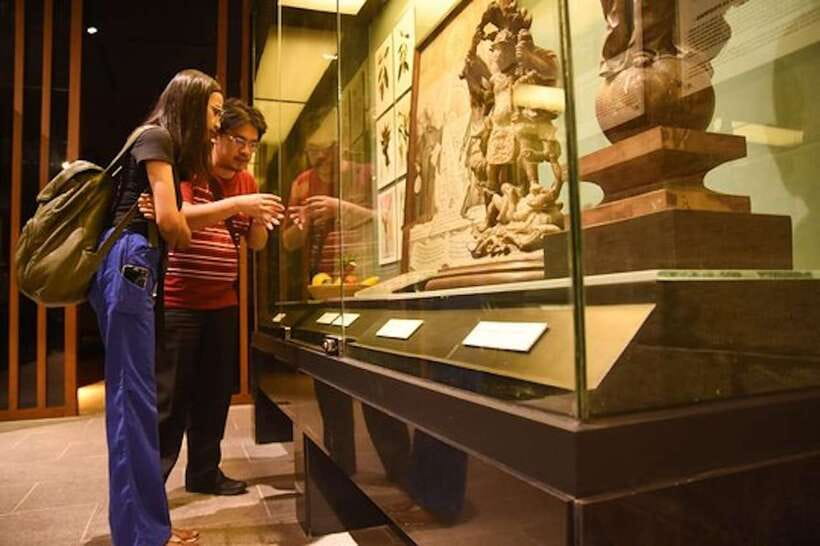
After the church, you take a guided visit through the San Agustin Museum. The museum adds old artifacts and a closer look at the way Manila’s history became tied to the Catholic Church.
I would give this section your full attention, even if churches and museums are not usually your first choice. It sets up nearly everything that follows. The rest of Intramuros makes more sense once you understand the power of the church during the colonial period.
Church dress rules matter. Short skirts and sleeveless shirts are not allowed, so dress modestly from the start rather than trying to adjust later.
Casa Manila and the meeting of east and west
The next major stop is Casa Manila, an expertly restored 19th-century home linked to Manila’s aristocratic class. You cross the street from San Agustin, making this an easy transition with no transport time.
Casa Manila is useful because it shifts the focus from public power to private life. The church shows religious authority. This house shows how wealthy residents lived, entertained, and displayed status.
Inside, look at the furnishings and design as clues to cultural exchange. The home reflects a meeting of eastern and western influences, which is one of the most interesting parts of colonial Manila. The point is not simply that the house looks grand. It shows how foreign styles were adapted to life in the Philippines.
The guided visit also helps you avoid treating the house as a staged interior with no wider meaning. Ask your guide how the home fits into the social structure of old Manila. The tour is conducted in English or Tagalog, so you can choose the language that lets you follow the historical details most easily.
Casa Manila is one of the included admissions, along with San Agustin Church and Museum and Fort Santiago. That makes the $55 price easier to assess, especially if you would otherwise pay separate entry fees and hire a guide on your own.
Walking the walls of Intramuros
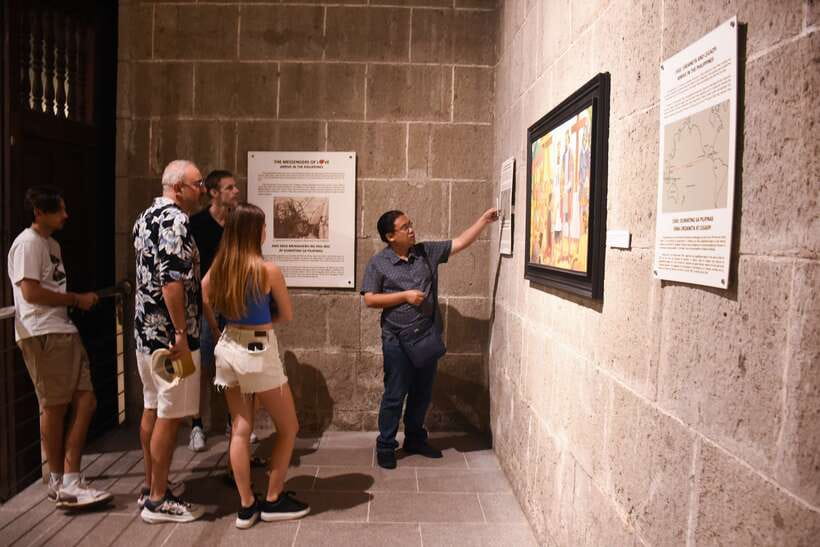
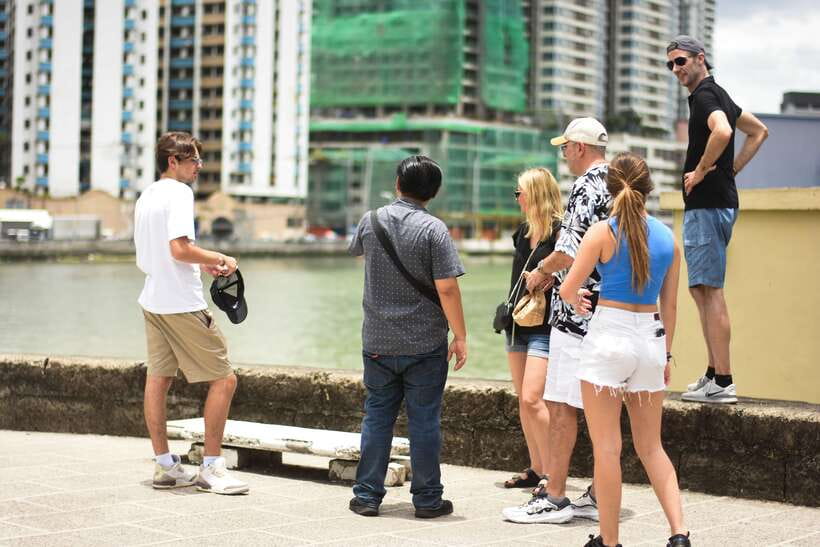
After Casa Manila, the route heads toward a less frequently visited section of the historic wall. This is where the walk becomes more than an indoor heritage tour.
The walls help you understand Intramuros as a defended city rather than simply an old district. From this part of the route, your guide brings the city’s earlier role into focus and shares stories about its past that you might miss while walking the main streets alone.
This stop is likely to appeal most if you enjoy seeing how a place was organized. The walls give you a sense of boundaries, protection, and control. They also make the physical shape of old Intramuros easier to understand.
The tradeoff is that this is a walking tour on historic streets and walls, not a coach tour with long periods of sitting. Wear shoes that can handle several hours on foot. The supplied information does not promise an accessible route, and the tour is specifically not suitable for people with mobility impairments or wheelchair users.
More walks through old Manila:
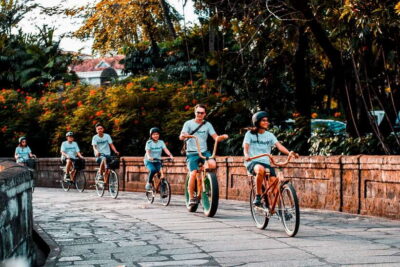
- Intramuros, Manila: Historical Bamboo Bike Tour
★ 4.8 · 583 reviews - Experience Intramuros with Bamboo Bicycle – Ecotours
★ 5.0 · 508 reviews - Manila: Intramuros, Chinatown, and Old Manila Half-Day Tour
★ 4.8 · 475 reviews - Manila: Guided Sunset Bamboo Bike Tour in Intramuros
★ 4.8 · 119 reviews
Memorare Manila 1945 and the cost of war
The walk includes a stop at Memorare Manila 1945, a World War II memorial. It is a short sightseeing stop, but it changes the tone of the tour.
Until this point, much of the discussion concerns Spanish rule, Catholic institutions, architecture, and social life. The memorial brings the story into the 20th century and opens a discussion about the Philippines during World War II.
Your guide explains the country’s role in the war and the impact of the conflict on Manila. That connection is important because Intramuros is not only a Spanish colonial quarter. Its past also includes destruction, loss, and the difficult process of preserving what remained.
Do not expect a long museum visit here. It is a brief stop for explanation and reflection. The benefit is that it keeps the overall route moving while making sure the war years are not left out.
Manila Cathedral and Catholic power
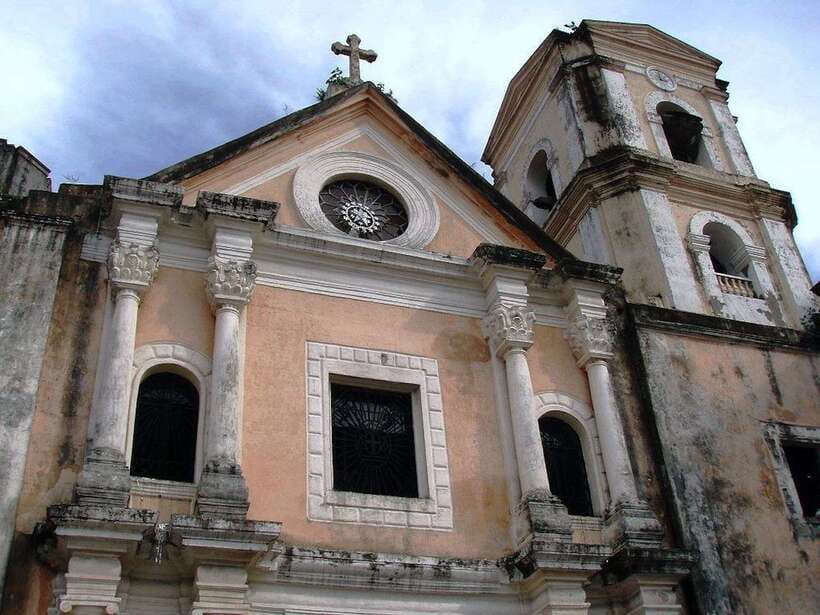
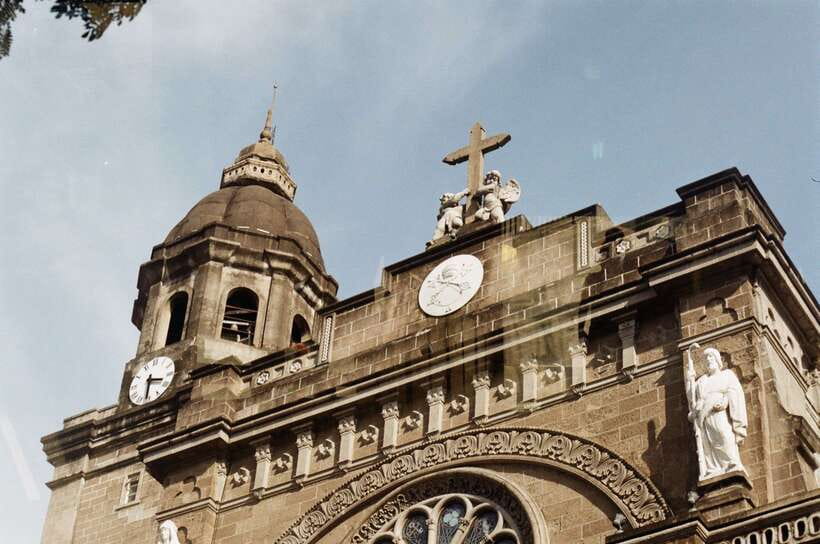
The next stop is Manila Cathedral, described as the seat of the Catholic Church in the Philippines. It gives you another view of Catholic influence, this time through one of the country’s most important religious institutions.
The cathedral visit is listed as sightseeing rather than a full guided interior tour, so the amount of time here may be shorter than at San Agustin or Fort Santiago. Even so, it fits the route well. You have already seen a historic church and its museum. Now you can place the cathedral within the wider religious structure of the country.
This is also a good moment to ask your guide about the differences between the sites. San Agustin helps explain early Spanish religious presence and colonial-era church life. The cathedral represents the continuing importance of Catholic leadership in the Philippines.
One practical point: religious ceremonies or local events can affect what you see and how the route unfolds. A guide has to work around those conditions. A past tour encountered a Marian parade that changed the usual arrangement of things, but the guide remained a useful source of historical information. If your visit falls during a church event, expect some flexibility rather than a perfectly fixed sequence.
Fort Santiago and the Filipino fight for independence
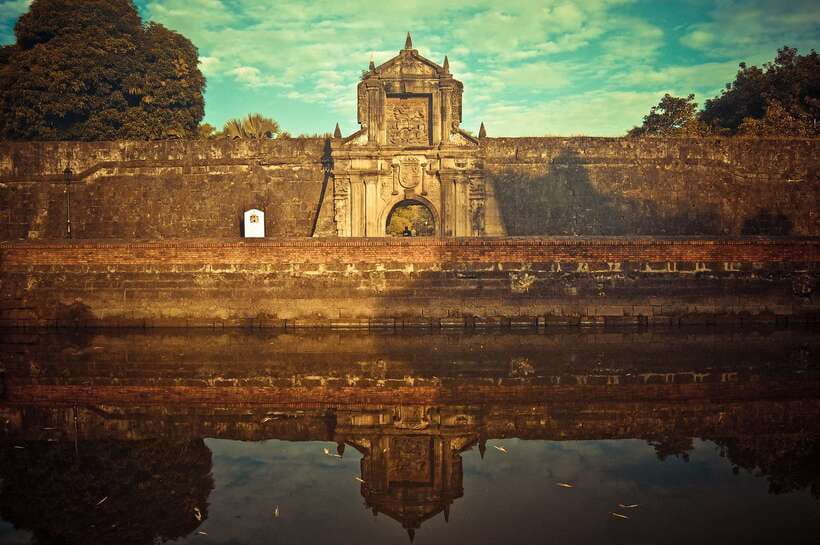
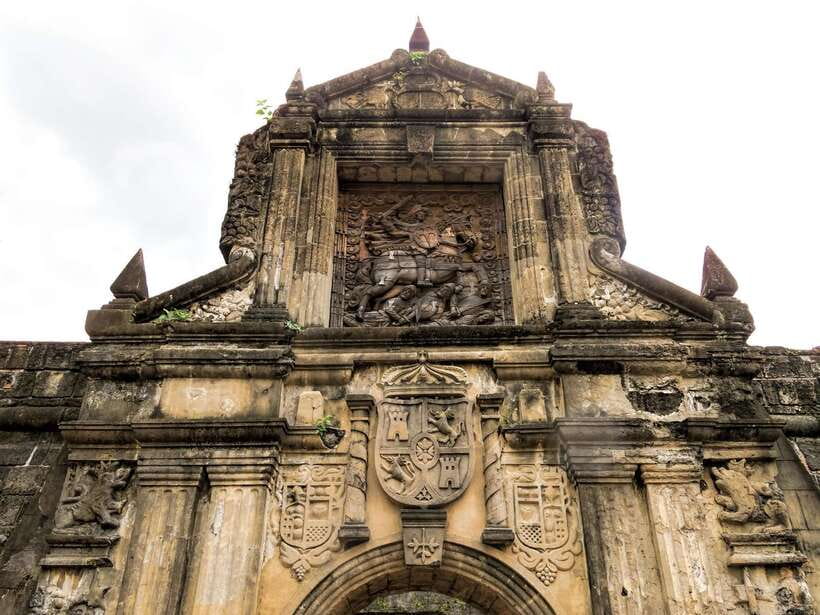
The tour finishes at Fort Santiago, the old military garrison inside Intramuros. This is the strongest closing stop because it brings together colonial control, military history, and the Filipino fight for independence.
The fort gives the guide a natural place to explain how power was enforced and how Filipinos pushed back against foreign rule. The discussion moves beyond architecture and dates toward the political question at the heart of Philippine history: who had the right to govern the country?
Fort Santiago is a guided visit, and its entrance fee is included. That matters because it is one of the major paid sights in Intramuros. You finish at the fort rather than returning to San Agustin, so think about your next plans before you arrive.
Ending here also gives the tour a clear shape. You begin with the church, move through aristocratic domestic life and the defensive wall, remember the devastation of World War II, see the Catholic leadership represented by the cathedral, and end with resistance and independence.
What the guide adds to the $55 cost

At $55 per person, this is not the cheapest way to walk around Intramuros. You are paying for the guide, three hours of their time, and admission to Fort Santiago, San Agustin Church and Museum, and Casa Manila Museum.
The value depends on what you want. If you are content to photograph the buildings and read signs at your own pace, you may prefer to explore independently. If you want the sites linked into one understandable story, the price is more reasonable.
I especially see the value for first-time visitors to Manila. Colonial history can be hard to sort out when you are moving between Spanish, Filipino, Catholic, and wartime subjects. A live guide can explain the connections as you go and answer questions that a printed sign cannot anticipate.
The group limit is 15 people. That is not a private tour, but it is small enough to feel more personal than a large sightseeing group. The guide’s personality matters here. The best feedback points to an approach that is friendly, engaging, and sometimes humorous, with Jerome singled out by name for being flexible and approachable.
You should still keep your expectations realistic. A three-hour visit cannot cover every detail of Intramuros or Philippine history. Think of it as a strong introduction, not a complete history course.
Timing, meeting point, and what to wear
The meeting point is the lobby of the San Agustin Church Museum. You are asked to find your guide using the tour contact number on WhatsApp, so make sure you can access that contact method before the start.
Hotel pickup and drop-off are not included. You need to reach San Agustin Church on your own, and you finish at Fort Santiago. Since the route begins and ends at different points, plan your onward transport from Fort Santiago rather than assuming you will return to the starting location.
The tour lasts three hours, with starting times dependent on availability. Good weather is required. If rain or other poor conditions cancel the activity, you are offered another date or a full refund.
Wear comfortable shoes and modest clothing. This is both a practical walking tip and a church-visit requirement. Short skirts and sleeveless shirts are not allowed.
The route is not suitable for wheelchair users or people with mobility impairments. That is important to consider before booking, since the experience includes walking through the old city and visiting historic sites that may not offer an easy route for everyone.
Who will get the most from this Intramuros walk?
You will get the most from this tour if you:
- Want a clear introduction to Philippine colonial history
- Prefer explanations from a live guide instead of exploring alone
- Enjoy churches, historic homes, museums, memorials, and forts
- Have about three hours for a focused Manila activity
- Can walk comfortably in warm or changeable weather
- Want the major Intramuros sights covered in one outing
It is also a good choice if you are interested in how history affects modern Filipino culture and identity. The tour does not treat the past as a row of dates. It connects Spanish occupation, Catholic institutions, World War II, and independence.
You may want something else if you dislike walking, want a private group, need hotel transportation, or prefer to spend a long time at one site. The group can include up to 15 people, and the tour keeps moving so it can cover several landmarks.
Should you book this $55 experience?
Book it if you want a guided introduction to Intramuros that covers the essential sites without taking a full day. The included admissions and the guide’s historical explanations give the price solid value, especially for a first visit to Manila.
I would be less eager to recommend it to someone who already knows Intramuros well or wants a slow, independent visit. For most first-time visitors who can walk comfortably, the sequence from San Agustin to Fort Santiago is well chosen and gives you a useful framework for seeing more of Manila afterward.
The strongest reason to book is the guide. A friendly, flexible guide can turn a beautiful old district into a place you understand. If you choose this experience, arrive ready to ask questions, wear sensible shoes, and allow the history to connect from one stop to the next.
FAQ
Where does the Intramuros walking tour begin?
It begins in the lobby of the San Agustin Church Museum. You should look for your guide using the activity contact number on WhatsApp.
Where does the tour finish?
The tour finishes at Fort Santiago.
How long does the experience last?
The tour lasts three hours, although one completed tour ran just under three hours.
What languages does the guide speak?
The live guide offers the tour in English or Tagalog.
Are entrance fees included?
Yes. Admission to Fort Santiago, San Agustin Church and Museum, and Casa Manila Museum is included.
Is hotel pickup included?
No. Hotel pickup and drop-off are not included, so you need to reach San Agustin Church yourself.
What should I wear and bring?
Bring comfortable shoes. Short skirts and sleeveless shirts are not allowed. The activity also requires good weather, and it is not suitable for wheelchair users or people with mobility impairments.
More Historical Tours in Manila
- Explore Intramuros: Introduction to Philippine History
★ 5.0 · 80 reviews - Experience Manila’s Heritage: Intramuros & More in Half a Day!
★ 5.0 · 76 reviews - Tagaytay, Taal Volcano & Heritage Town: A Journey of Discovery
★ 5.0 · 29 reviews - Half-Day Heritage Tour: Manila’s Historic Gems
★ 4.9 · 29 reviews
Just added around Manila
- Philippines Intro 3 days 2 nights Tour Best of Manila and Beyond★ 5.0 · 3 reviews
- MANILA: HISTORICAL KALESA RIDE TOUR EXPERIENCE IN INTRAMUROS★ 4.0 · 3 reviews
- Makati Street food walking tour with Dinner★ 5.0 · 3 reviews
- Bites and Sights: Tagaytay Food and Nature Excursion from Manila★ 4.0 · 3 reviews
- Authentic Manila Chinatown Food Tour Exploration★ 5.0 · 3 reviews
- 4 Day Banaue Ifugao Rice Villages Private tour Trekking★ 4.5 · 3 reviews
- Embark on a 7-Day Banaue-Sagada Adventure of a Lifetime★ 5.0 · 3 reviews
- From Manila: Philippines Private Tour Guide★ 4.1 · 3 reviews
Manila Tours, compared.
Intramuros, Manila: Historical Bamboo Bike Tour
Read our review →
Experience Intramuros with Bamboo Bicycle – Ecotours
Read our review →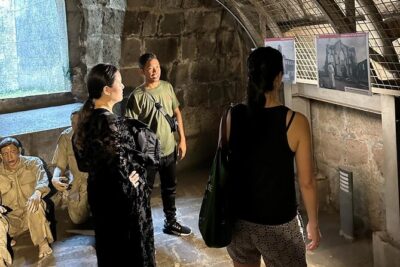
Manila: Intramuros, Chinatown, and Old Manila Half-Day Tour
Read our review →
Manila Food Tour: Introduction to Philippine Street Food
Read our review →
Spectacular Manila to Tagaytay: Full-Day Sightseeing Tour
Read our review →
Makati Nightlife: VIP Access to Clubs, Rooftops & Go-Go Bars
Read our review →
Discover Tagaytay’s Countryside: Half-Day Sightseeing Tour
Read our review →
From Manila: Tagaytay Countryside Wonders: A Half-Day Tour
Read our review →Browse the lists this tour appears in