
Reviewed · WORKSHOPS
Manila Filipino Cooking Class: Meryenda Favorites
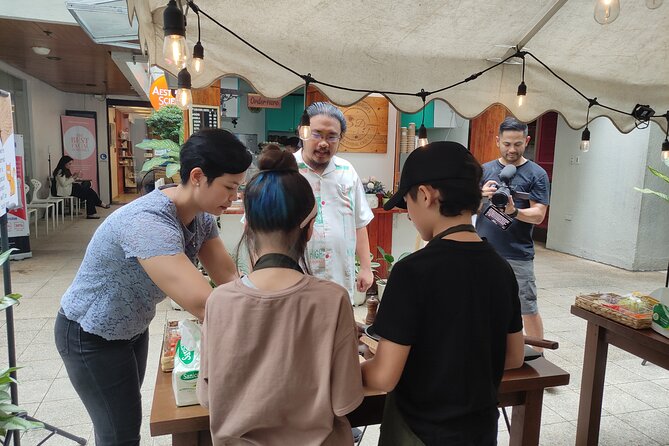
Filipino meryenda is more than a quick bite. It is the cheerful snack break that can bring together a family, a classroom, or a group of friends. In this two-hour Makati class, Chyl guides you through a small spread of Filipino favorites, including a filling noodle dish, crunchy spring rolls, and sweet treats.
I like the small maximum of four people, which gives the class a more personal feel, and I like that you cook at an individual station rather than simply watching a demonstration. The recipes use basic ingredients and equipment, so you have a fair chance of making them again at home. The main drawback is that the class starts at 2:00 pm and requires good weather, particularly because part of the cooking may take place outdoors.
Key points at a glance
- Three-part meryenda spread: Prepare a noodle dish, savory spring rolls, and sweet treats during one compact class.
- Personal instruction from Chyl: The host checks each dish and works patiently with each participant.
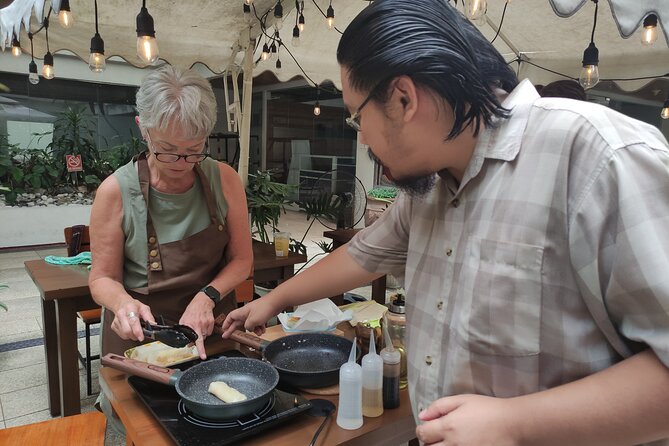
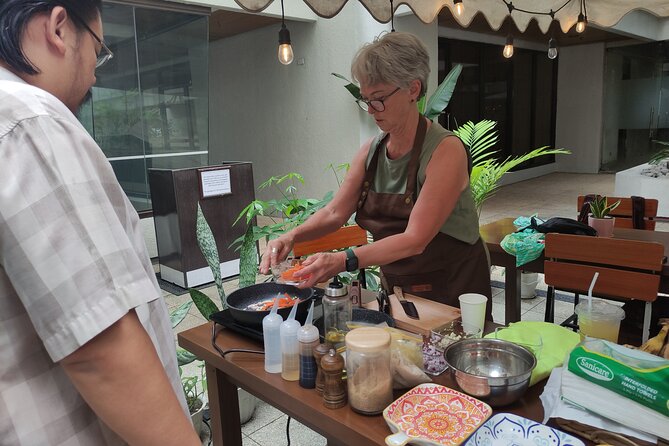
- Individual cooking stations: You do the chopping, mixing, rolling, and cooking instead of standing back and watching.
- Small group size: The class accepts no more than four people, a useful advantage for first-time cooks.
- Family-friendly format: Young children can join, and staff may help hold a child when needed.
- Makati meeting point: The class begins and ends at Somerset Olympia Makati, near public transportation.
Filipino snack culture in one Makati kitchen
This class focuses on a part of Filipino food culture that is easy to miss if you only eat at restaurants. Meryenda is the country’s snack tradition, and it can be sweet, salty, fried, filling, or all of these at once. It sits between meals, but it is not treated as an afterthought.
The menu gives you a useful introduction to that range. You prepare a noodle dish that provides substance, savory spring rolls that bring crunch, and sweet treats that finish the meal on a different note. The point is not a formal restaurant menu. It is a practical look at the kinds of food Filipinos enjoy at home and during ordinary social breaks.
I find this focus especially helpful for first-time visitors to the Philippines. You are not trying to master every major regional dish in one afternoon. Instead, you learn a small set of approachable recipes that show how Filipino cooking balances comfort, texture, and shared eating.
The broader food tradition reflects the Philippines’ many islands and long history of cultural exchange. This class does not promise a full tour of every regional cuisine, and two hours would not allow that. It gives you a manageable starting point, with food that is familiar enough to cook at home but distinct enough to feel tied to the Philippines.
A few more Luzon day trips to weigh up
- Private Filipino cooking class in a local Manila Home
★ 5.0 · 28 reviews - Private Market Tour and Filipino Cooking Class in Manila with Isi
★ 4.5 · 15 reviews - Private Filipino Cooking Class in the Heart of Manila,Makati City
★ 5.0 · 5 reviews
Meeting Chyl at Somerset Olympia Makati
Your meeting point is Somerset Olympia Makati at 7912 Makati Avenue, Makati City. The activity starts at 2:00 pm and returns to the same place when the cooking is finished.
That simple start and finish matter in Manila. You do not need to coordinate a separate kitchen address, restaurant transfer, or return pickup. The location is also near public transportation, which makes it easier to fit the class into a day based in Makati.
Chyl is the host who receives the strongest personal praise throughout the experience. Her name is pronounced Chill, and she brings a warm, patient teaching style to the kitchen. She checks in with each person, helps correct the details of a dish, and talks about Filipino food, Manila, and everyday life while you work.
That conversation is part of the value. A cooking class can feel stiff if the instructor rushes through measurements and commands. Here, the small group creates room for questions and informal discussion. You can ask why a recipe is prepared a certain way or how a dish fits into Filipino life, rather than simply copying a list of steps.
Your two-hour cooking sequence
The activity is short, but the format is hands-on from the beginning. You receive the cooking equipment and food ingredients, and you have a nonalcoholic drink included. The class is designed as an introduction, so you do not need advanced cooking skills to take part.
The first stage centers on the noodle dish. It is described as a filling meryenda favorite, giving the class a practical base. You get to work with a recipe that can function as a snack but may also serve as a light meal at home.
Next comes the spring roll preparation. This is where texture and technique become more important. Rolling and cooking require attention, and Chyl checks each person’s work so the finished pieces are properly formed. The savory filling and crisp exterior add a different character to the softer noodle dish.
The final part is devoted to sweet treats. This rounds out the menu and shows that Filipino snack food is not limited to fried or salty dishes. The exact sweet preparation may depend on the class setup, but the format promises a complete meryenda spread rather than one isolated recipe.
You should expect to make three dishes in total. The class produces a generous amount of food, and one participant described having enough left to keep eating the next day. That is a useful point for anyone who dislikes tiny tasting portions. You are cooking a meal-sized amount, not just sampling a spoonful.
Why the individual stations matter
A cooking lesson has two basic forms: watch the expert, or cook alongside the expert. This experience leans toward the second option.
Each participant has an individual cooking station. That means you can practice the actual movements needed to repeat the recipes at home. You are not merely observing Chyl prepare everything while taking notes from the side.
For beginners, this makes a real difference. You can learn how ingredients feel as they are mixed, how spring rolls are assembled, and how the separate parts of the menu come together. Chyl’s habit of checking each dish also gives you a useful safety net. If something looks wrong, you can fix it before the food reaches the table.
The small group maximum of four supports this format. In a large class, personal help can be hard to get, especially when several people need attention at once. Here, you should have more time to ask questions and get individual guidance.
The tradeoff is that a very small class can feel quieter if you prefer the energy of a big social event. This is better suited to people who value direct instruction and conversation over a loud party atmosphere.
Same island, a completely different kind of day:
- Manila Old and New: Sightseeing Tour Including Intramuros and Fort Santiago
★ 4.5 · 377 reviews - Manila’s Walled City: Intramuros Walking Tour
★ 5.0 · 82 reviews - Batad Guided Tour
★ 5.0 · 78 reviews - Manila Super Saver: Manila Sightseeing plus Tagaytay Tour with Taal Volcano
★ 4.0 · 75 reviews
Recipes you can take back to your own kitchen
One of the strongest reasons to choose this class is its focus on repeatable food. The recipes use basic ingredients, and the aim is to show you Filipino dishes that you can cook at home.
That does not mean every ingredient will be identical to what you find in your local shop. Filipino cooking may involve products that are easier to locate in Manila than elsewhere. Still, the class is built around accessible methods rather than restaurant tricks or specialist equipment.
You also use the cooking equipment during the session, which helps you understand the process rather than relying on a polished finished dish. I would bring a phone or small notebook if you like recording measurements and steps, although the supplied information does not state that printed recipe cards are included.
This is particularly useful for people with a personal connection to Filipino food. One participant with Filipino family roots had grown up eating Filipino dishes but had never learned the basics of cooking them. The class offers a bridge between enjoying the food and understanding how to prepare it.
For home cooks, the best outcome is not simply knowing what the finished dish tastes like. It is knowing enough about the method to try it again without a guide standing beside you.
A good fit for families with young children
The class is explicitly family-friendly. A parent joined with a three-year-old and an infant, and staff helped hold the children when they became unsettled, allowing the parent to focus on cooking.
That is a meaningful detail for families. Many food activities are described as family-friendly but still work best when every child can sit quietly for two hours. This class appears more flexible, though you should remember that cooking involves hot surfaces and sharp tools. Adults remain responsible for deciding how closely a child can take part.
The small group limit can also make a family booking feel less exposed. You are not trying to manage a young child in front of a large audience. At the same time, the class remains a structured cooking activity, not a children’s play session, so older children and adults are likely to get the most from the hands-on work.
Outdoor cooking and the weather question
The experience includes outdoor cooking, which adds a pleasant change from a closed demonstration kitchen. It may also make the session feel more casual and social.
The practical issue is weather. Good weather is required, and poor conditions can lead to a date change or a full refund. If you are booking close to the end of a short Manila visit, keep this policy in mind. A weather cancellation may be manageable if you have spare time, but it could be inconvenient if your schedule is packed.
You can cancel for a full refund up to 24 hours before the 2:00 pm start time. Within 24 hours, cancellations and changes are not accepted for a refund. The cut-off uses local time, so check Manila time carefully if you are booking from another country.
Is $60 a fair price?
The class costs $60 per person. That is more than the price of a quick Filipino snack in Manila, but the comparison is not quite fair. You are paying for ingredients, equipment, instruction, a two-hour activity, a small group capped at four people, and a full meal-sized result.
The value is strongest if you want to learn. A restaurant meal may let you taste Filipino food more cheaply, but it will not teach you how to prepare the noodle dish, roll the spring rolls, or make the sweet course. You also do not get the same chance to ask questions about ingredients and methods.
The price works less well if you only want to eat. Since the class is interactive, you need to spend part of the afternoon cooking, cleaning up as you go, and following instructions. Someone looking for a purely relaxed food tasting may prefer a market visit or restaurant meal.
Group discounts are available, which may improve the price for families or friends booking together. Gratuity is optional and not included, so you can decide at the end based on the instruction and service you receive.
Who should book this class?
I would point food-focused visitors toward this experience, especially if you like returning home with a recipe rather than only a photograph. It also suits people who want a calm, small-group activity in Makati and prefer direct contact with a local host.
It is a good choice for:
- First-time visitors who want a simple introduction to Filipino food
- Home cooks who prefer practical recipes with basic ingredients
- People with Filipino family connections who want to learn foundational dishes
- Couples, families, and small groups seeking a two-hour indoor and outdoor food activity
- Parents looking for an activity that can accommodate young children
- Anyone who enjoys learning through conversation as much as through instruction
You may want to skip it if you dislike hands-on cooking, need a fully fixed schedule with no weather risk, or want a broad survey of regional Filipino dishes. The class concentrates on meryenda, not the whole national menu.
Small details that help you plan
The activity lasts about two hours, beginning at 2:00 pm and ending back at Somerset Olympia Makati. That makes it easy to pair with a morning activity or an evening meal, though you should allow a little flexibility around the cooking finish.
You receive cooking equipment, ingredients, and a nonalcoholic drink. Gratuity is optional. The class has a maximum of four people, and confirmation is provided when you book.
Since the group is small, book ahead if you have a fixed date in Makati. The experience had more than five bookings in the previous month and a 100 percent recommendation rate from 80 ratings, so it is not an activity I would leave until the last minute during a busy visit.
Should you book the Meryenda Favorites class?
Book it if you want Filipino food explained and prepared at close range, with enough practice to try the recipes again at home. Chyl’s patient guidance, individual cooking stations, family-friendly attitude, and three-dish format give the class more substance than a quick tasting.
At $60, the value comes from participation rather than portion size alone. You are buying an afternoon of instruction, conversation, ingredients, equipment, and a generous amount of food. Keep the outdoor setting and weather policy in mind, then book this class if you want a useful, friendly introduction to everyday Filipino cooking in Makati.
FAQ
Where does the cooking class begin?
It begins at Somerset Olympia Makati, 7912 Makati Avenue, Makati City, 1200 Metro Manila, Philippines.
What time does the class start?
The class starts at 2:00 pm.
How long does the activity last?
The experience lasts approximately two hours.
Where does the activity end?
It ends back at the meeting point at Somerset Olympia Makati.
How many people can join?
The activity has a maximum of four participants.
What is included in the price?
Cooking equipment, food ingredients, and one nonalcoholic drink are included.
Can I cancel for a full refund?
Yes. You can cancel at least 24 hours before the local start time for a full refund. Cancellations or changes made within 24 hours are not refunded or accepted. If poor weather causes the activity to be canceled, you are offered another date or a full refund.
More Workshops in Luzon
- Makati: Hands on Manila Cooking Class
★ 5.0 · 49 reviews
Just added around Luzon
- Private Airport Transfer Manila to Hotel in Manila or vice versa★ 5.0 · 3 reviews
- Pagsanjan Falls Adventure with Lunch and Rapids Experience★ 4.5 · 3 reviews
- The Jeepney & Tuk Tuk Adventure ride with Local Guide★ 4.5 · 4 reviews
- Manila Food Tour Experience with Local Guide★ 5.0 · 4 reviews
- Angeles City / Clark Airport to La Union (Bauang, San Fernando, San Juan)★ 3.5 · 4 reviews
- Sagada and Banaue Rice Terraces 4-Day Tour★ 5.0 · 4 reviews
- The Oldest Chinatown in Manila with Local Guide★ 5.0 · 4 reviews
- Manila Social and Political Walk★ 5.0 · 4 reviews
Workshops, compared.
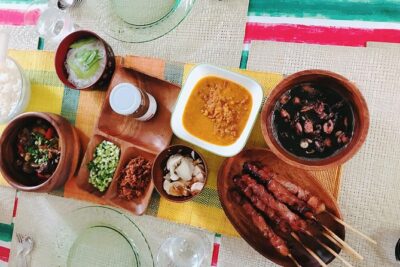
Private Filipino cooking class in a local Manila Home
Read our review →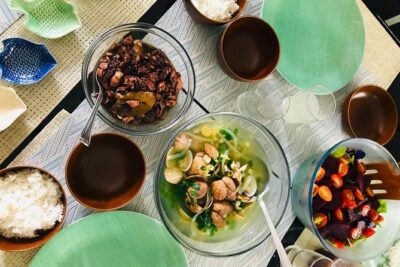
Private Market Tour and Filipino Cooking Class in Manila with Isi
Read our review →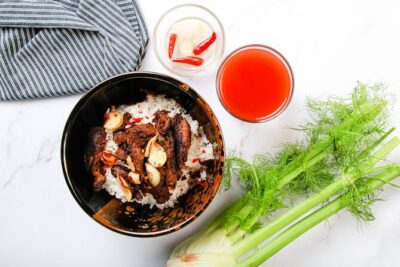
Private Filipino Cooking Class in the Heart of Manila,Makati City
Read our review →Browse the lists this tour appears in