
Reviewed · SHOPPING TOURS
Private Market Tour and Filipino Cooking Class in Manila with Isi
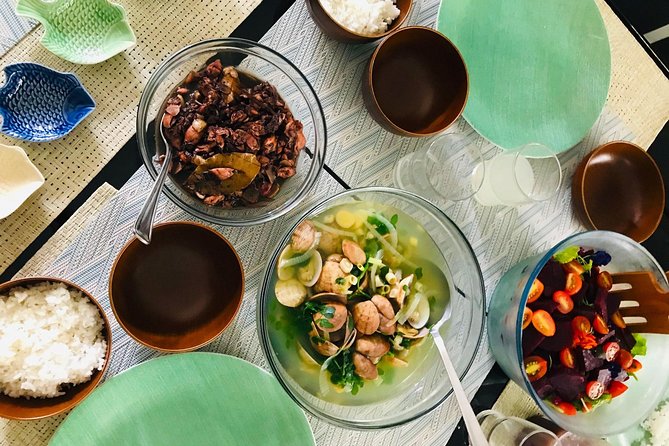
The best part of this Manila experience is the change of setting: you begin among the ingredients at a local market, then follow them into Isi’s home kitchen. There, Filipino food becomes more than a plate of dishes. You see how calamansi, garlic, chilies, coconut milk, and fish sauce work together in everyday family cooking.
I like the private format, which gives you room to ask questions and choose between hands-on cooking or watching Isi prepare the meal. I also like the small garden stop, where she grows lemongrass and calamansi, two useful details that connect the market visit to the food on your table.
The main consideration is the price, $120 per person, and the fact that this is a home cooking experience rather than a formal culinary school. It offers personal access and a full meal, but serious cooks seeking professional technique or restaurant-style instruction may want something more structured.
Key points to know before booking
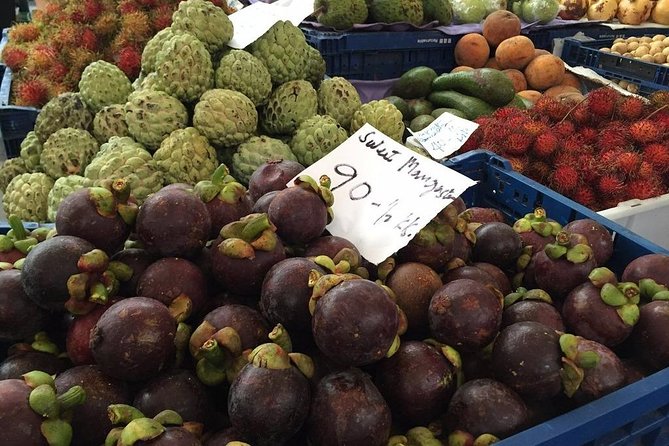
- Start with a local market in Taguig: Isi introduces you to seasonal produce and the everyday ingredients behind Filipino cooking.
- Continue at Isi’s home: A short ride in her car takes you from the market to her kitchen and small vegetable garden.
- Choose your cooking style: You can prepare the food yourself or watch Isi demonstrate the recipes.
- Expect family recipes: The menu draws on dishes passed down through generations and ends with a dessert such as calamansi pie.
- Private and adaptable: Only your group participates, with vegetarian and gluten-free options available if requested in advance.
- Plan for a half-day: The experience begins at 9:30 a.m., lasts about four and a half hours, and ends back at the meeting point.
Why this Manila food experience feels different
Many food activities keep you at a restaurant or cooking studio. This one begins before the cooking starts, with a market visit that gives you a look at the raw materials of Filipino food.
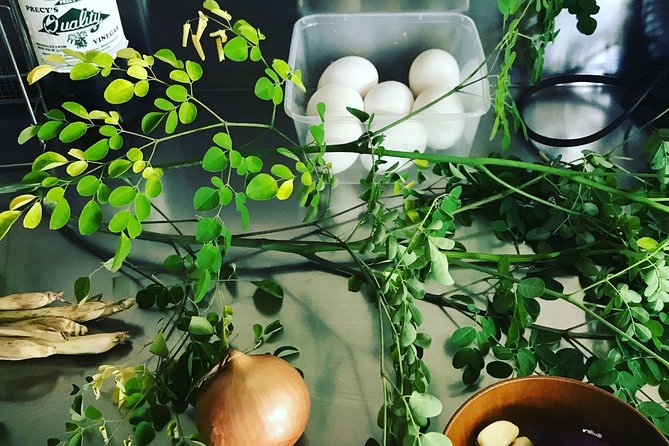
That matters because Filipino cooking can seem simple on the plate while relying on careful balance. Calamansi adds sharp citrus. Garlic brings depth. Chilies provide heat. Coconut milk softens and rounds out a dish, while fish sauce adds salt and savoriness. Seeing these ingredients in their market setting helps you understand how they are used at home.
I also like that the experience takes place in Isi’s own home. You are not being shown a polished demonstration kitchen built for tourists. The setting is smaller and more personal, which makes the meal feel closer to a family lunch than a standard class.
The trade-off is that a home kitchen may not offer the equipment, work space, or exact timing of a professional cooking school. You should book this for cultural insight, practical food tips, and a relaxed meal with a local host, not for a certificate or advanced chef training.
A few more Luzon day trips to weigh up
- Manila Filipino Cooking Class: Meryenda Favorites
★ 5.0 · 80 reviews - Private Filipino cooking class in a local Manila Home
★ 5.0 · 28 reviews - Private Filipino Cooking Class in the Heart of Manila,Makati City
★ 5.0 · 5 reviews
Start at 9:30 a.m. in Taguig
The meeting point is in Taguig, Metro Manila, and the scheduled start is 9:30 a.m. Hotel pickup and drop-off are not included, so you need to arrange your own way to the meeting point.
That detail is easy to overlook in Manila, where traffic can affect travel time. Give yourself enough margin to reach Taguig without arriving rushed. The experience ends back at the meeting point after roughly four hours and 30 minutes, so you can plan the rest of your day from there.
The activity is private, meaning only your group takes part. That is useful if you want to ask about ingredients, cooking methods, or Filipino customs without trying to keep up with a large class. It also makes the hands-on option more practical, since Isi can focus on your group’s pace.
At the market, learn what Filipino cooking starts with
The first stop is a local market with Isi. The point is not simply to walk through stalls and take pictures. You learn about the produce and ingredients that form the base of Filipino meals, including items that may be unfamiliar if this is your first visit to the Philippines.
A market is a good place to ask questions about what is seasonal, how ingredients are selected, and which foods are used in everyday kitchens. Isi then gives those ingredients a purpose by using them later in the meal.
This part also gives you a better sense of Filipino food before you begin cooking. Rather than memorizing a list of ingredients, you can connect what you see at the market with the flavors waiting in the kitchen.
The market visit is not described as a formal shopping lesson with a detailed recipe plan for every item. Think of it as an introduction to local food culture and the ingredients used in the cooking session. If you want to buy particular products to take home, ask Isi during the visit rather than assuming they are included.
Ride with Isi to her home kitchen
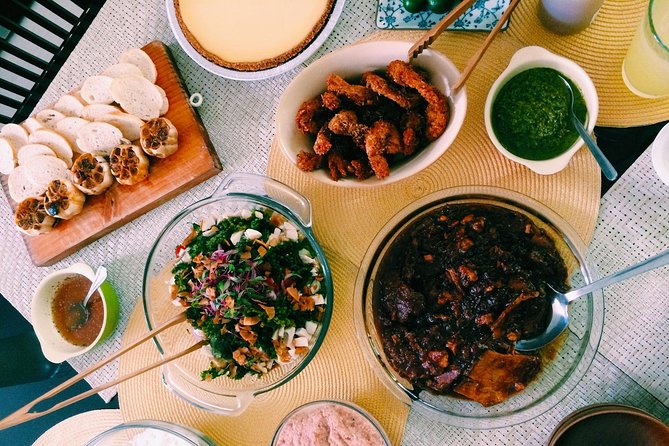
After the market, you ride in Isi’s car to her home. The change from public market to private kitchen is one of the most appealing parts of the morning.
At home, Isi shows you her small vegetable garden. She grows lemongrass and calamansi there, and both ingredients play an important role in her cooking. Calamansi is a distinctive Filipino citrus fruit with a bright, sharp flavor. It is especially useful for understanding how Filipino dishes gain freshness and acidity.
This garden stop is modest, but it adds context. You are not only hearing that an ingredient matters. You are seeing where at least some of the flavor begins, then watching how it moves from plant to kitchen to plate.
Since the garden is described as small, you should not expect a farm visit or a large outdoor tour. Its value is in the connection to Isi’s cooking and in the chance to see a personal side of her home life.
Same island, a completely different kind of day:
- Manila Old and New: Sightseeing Tour Including Intramuros and Fort Santiago
★ 4.5 · 377 reviews - Manila’s Walled City: Intramuros Walking Tour
★ 5.0 · 82 reviews - Batad Guided Tour
★ 5.0 · 78 reviews - Manila Super Saver: Manila Sightseeing plus Tagaytay Tour with Taal Volcano
★ 4.0 · 75 reviews
Cook Filipino family recipes, your way
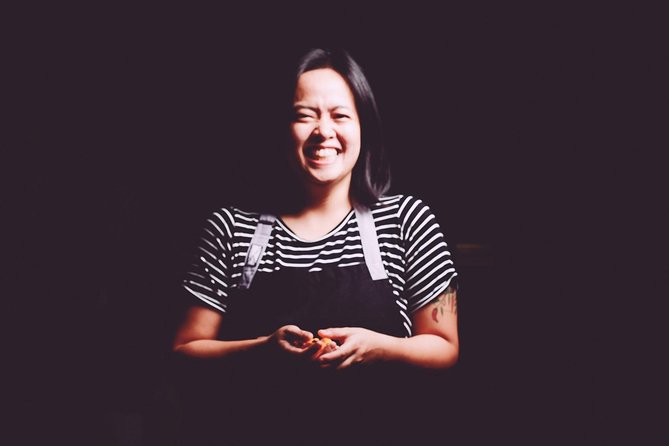
In the kitchen, Isi teaches family recipes passed down through generations. You can choose between a hands-on lesson and a cooking demonstration, so think about the sort of afternoon you want.
Choose hands-on cooking if you want to practice preparation and feel involved in making lunch. This option is best for anyone who likes to learn by doing and wants to remember the process at home.
Choose the demonstration if you prefer to watch, take notes, and concentrate on the explanations. It can also be the better choice if you want a calmer experience or do not enjoy working in an unfamiliar kitchen.
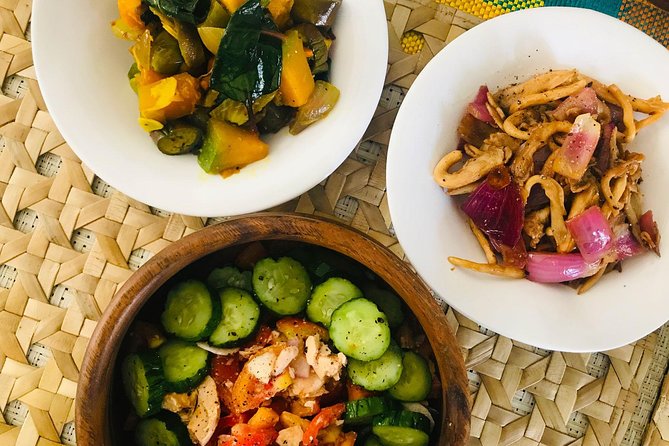
The information provided does not specify a fixed menu of named main dishes. It does say you will prepare a variety of homemade Filipino dishes and finish with a dessert such as calamansi pie. That leaves some flexibility, but it also means you should not book expecting a guaranteed recipe list unless you confirm it with Isi beforehand.
The cooking focuses on flavor combinations rather than restaurant tricks. You will encounter calamansi, garlic, chilies, coconut milk, and fish sauce. These ingredients give you useful clues for recreating Filipino food later. A sharp citrus note can brighten a rich dish. Fish sauce can add savory depth even when you do not want a strong fish flavor. Coconut milk can bring a smooth texture and gentle sweetness.
I would keep a notebook or use your phone for brief notes, especially if you want to repeat a recipe at home. Ask Isi about quantities, substitutions, cooking order, and how she knows when a dish is ready. The class is intended to share tips and family methods, so questions are part of the value.
Sit down for the meal you helped prepare
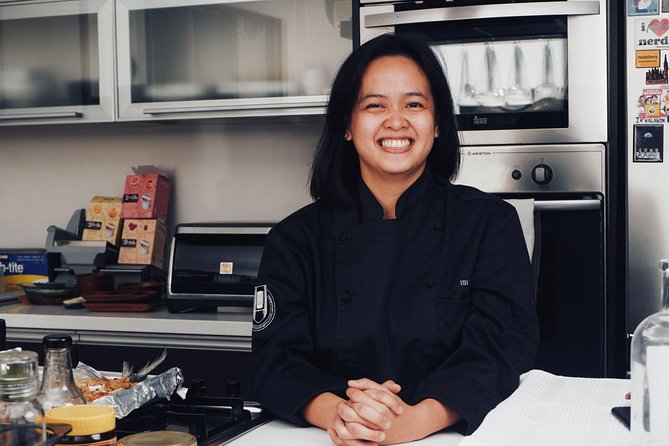
After the cooking, you eat at Isi’s dining table. This is where the experience shifts from lesson to social meal.
You are not simply handed a tasting plate. You sit down with the host and enjoy the food made during the session. That makes the morning feel complete: you have seen the ingredients, handled or watched the preparation, and tasted the final result.
The meal includes drinks, with beer listed among the inclusions. One useful planning detail is that Isi has also been able to arrange a selection of wine when asked, so you can mention your drink preferences in advance. Do not assume every extra beverage is included, however. Beer and all fees and taxes are specifically included, while hotel transfers are not.
Dessert is expected to be something like calamansi pie. That is a fitting finish because the fruit appears in the garden and returns at the table in a sweet form. It also gives you another way to taste calamansi beyond its use as a sharp seasoning.
The dining portion may be the strongest choice for people who care about conversation and local life as much as technique. If you want to eat quickly and move on to sightseeing, the four-and-a-half-hour schedule may feel long. If you enjoy meals that take time, the pace is part of the experience.
How private access affects the value
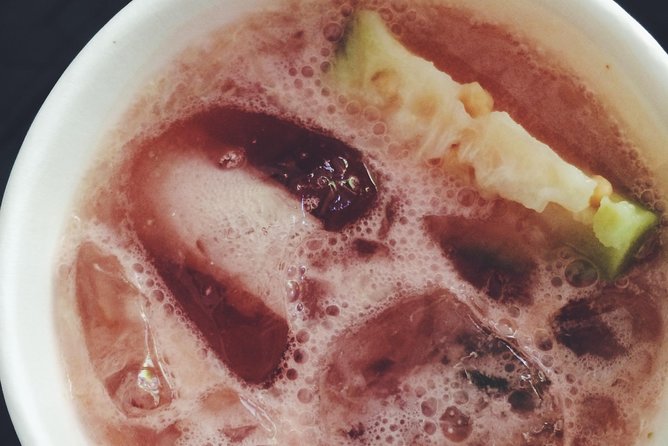
At $120 per person, this is not a budget market walk. The cost covers a private market tour, transport in Isi’s car from the market to her home, cooking instruction or demonstration, the meal, beer, and taxes and fees.
The price makes more sense if you value access to a local home and a private host. You are paying for more than ingredients. You are getting a personal introduction to Filipino food, a small garden visit, time in a home kitchen, and a meal with the person who taught you how to prepare it.
It is also a better value for a small group that wants flexibility. With only your group present, you can choose how active you want to be, ask about specific dietary needs, and spend more time on ingredients that interest you.
The value is weaker if your main goal is a low-cost meal, a large market tour, or advanced cooking instruction. You could spend less on a restaurant meal and still sample Filipino flavors. This experience earns its price through access and interaction.
The activity is booked, on average, 61 days ahead, which suggests that early planning is sensible. Confirmation is provided within 48 hours of booking, subject to availability. If your dates are fixed, do not leave this until the last days of your Manila stay.
Dietary needs and the right kind of cooking class
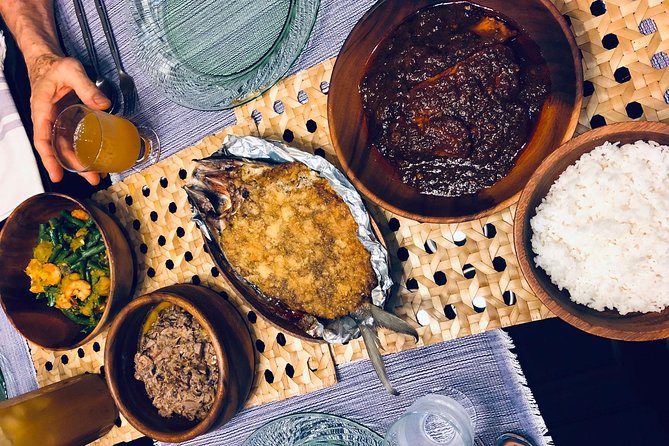
Vegetarian and gluten-free options are available upon request. You need to provide dietary requirements at booking, rather than waiting until you arrive.
This is especially important in Filipino cooking, where fish sauce and other ingredients may appear in dishes without being obvious from the finished plate. Asking in advance gives Isi time to plan suitable recipes and ingredients.
The class is not a professional cooking course. You should expect an insider look at Filipino food and home cooking from a local cook, with practical tips you can use in your own kitchen.
That distinction is helpful. A professional class might focus on knife skills, exact measurements, kitchen safety, and formal technique. Isi’s session is more likely to focus on how Filipino families cook, season, adapt, and share food. If that is what you want, the informal setting is a strength.
Who will enjoy this experience most
I would recommend this experience to you if food is one of the main reasons you visit a place. It gives you several ways to understand Filipino cuisine, from market ingredients to garden plants to family recipes and a shared meal.
It also suits couples, families, and small groups who want a private morning. The choice between hands-on cooking and demonstration cooking helps different personalities enjoy the same activity.
It is a good fit for repeat visitors to Manila who have already seen the main sights and want a more personal connection with the city. It can also work well early in a Philippine trip, since you may leave with ideas for dishes and ingredients to look for elsewhere.
You may want to skip it if you dislike home visits, prefer a tightly timed professional lesson, or want a tour centered on several Manila neighborhoods. The market portion is one stop, and the main focus is Isi’s kitchen and dining table.
Service animals are allowed. The supplied details do not describe the home’s layout, so if you have mobility concerns, contact the provider before booking and ask for specifics.
Booking, timing, and cancellation details
The activity uses a mobile ticket, which is convenient once your booking is confirmed. It starts at 9:30 a.m. in Taguig and returns to the same meeting point.
Free cancellation is available if you cancel at least 24 hours before the local start time. Cancellations or changes made less than 24 hours before the experience are not accepted for a refund.
Because the activity is private and availability is limited to your group, reserve early if you need a certain date. The 61-day average booking window is a useful sign that this is not something to leave until the night before.
Should you book Isi’s Manila cooking experience?
Book it if you want Filipino food explained through real ingredients, a local home, and a shared meal. The market visit, calamansi and lemongrass garden, private format, and choice of cooking style give the morning more substance than a simple recipe demonstration.
I would be especially keen to book if you enjoy asking questions and trying to recreate dishes later. Ask for hands-on cooking, confirm your dietary needs, and mention any drink preferences before the day.
Think twice if $120 feels high for a meal, or if you want formal culinary training. For everyone else, this is a warm, practical way to spend a half-day in Manila, with Isi’s family recipes and home setting providing the personal touch that a standard cooking studio cannot match.
FAQ
Where does the experience start?
It starts in Taguig, Metro Manila, Philippines, at 9:30 a.m.
Where does the experience end?
The activity ends back at the meeting point in Taguig.
How long does the tour and cooking class last?
The experience lasts approximately four hours and 30 minutes.
Is hotel pickup and drop-off included?
No. Hotel pickup and drop-off are not included.
Is the cooking class private?
Yes. This is a private activity, and only your group participates.
Can I request vegetarian or gluten-free food?
Yes. Vegetarian and gluten-free options are available upon request. You should provide dietary requirements when booking.
Can I choose between cooking and watching a demonstration?
Yes. You can choose a hands-on lesson or watch Isi prepare the meal as a cooking demonstration.
More Workshops in Luzon
- Makati: Hands on Manila Cooking Class
★ 5.0 · 49 reviews
More Shopping Tours in Luzon
- Manila Night Market Experience with Local Guide
★ 5.0 · 10 reviews - Manila: Guided Night Market Experience
★ 5.0 · 54 reviews - Manila’s Culinary Expedition: The Ultimate Food and Market Tour
★ 5.0 · 42 reviews - Explore Manila Slums and Hidden Market
★ 4.9 · 41 reviews
Just added around Luzon
- Private Airport Transfer Manila to Hotel in Manila or vice versa★ 5.0 · 3 reviews
- Pagsanjan Falls Adventure with Lunch and Rapids Experience★ 4.5 · 3 reviews
- The Jeepney & Tuk Tuk Adventure ride with Local Guide★ 4.5 · 4 reviews
- Manila Food Tour Experience with Local Guide★ 5.0 · 4 reviews
- Angeles City / Clark Airport to La Union (Bauang, San Fernando, San Juan)★ 3.5 · 4 reviews
- Sagada and Banaue Rice Terraces 4-Day Tour★ 5.0 · 4 reviews
- The Oldest Chinatown in Manila with Local Guide★ 5.0 · 4 reviews
- Manila Social and Political Walk★ 5.0 · 4 reviews
Shopping Tours, compared.

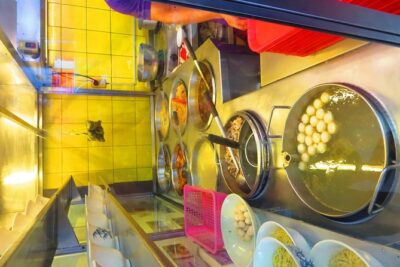
Manila’s Culinary Expedition: The Ultimate Food and Market Tour
Read our review →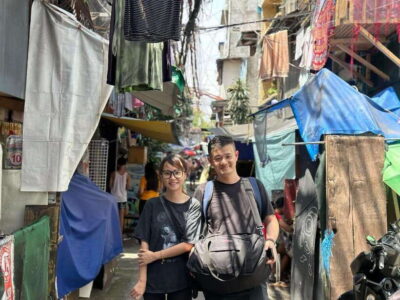
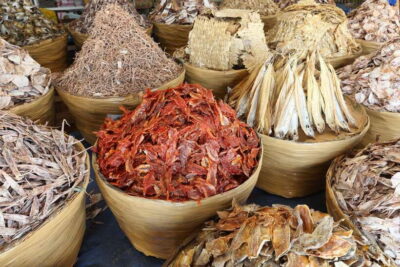

Tagaytay Adventure: Volcano Views, Countryside, Market & Cruise!
Read our review →
Browse the lists this tour appears in