
Reviewed · FOOD & DRINK
Manila Food Tour Experience with Local Guide
Manila’s best food stories are often found at a street stall, not on a polished restaurant menu. This two-hour walk takes you through Tondo and Binondo, where Filipino classics, market snacks, and Chinese-Filipino favorites form a tasty introduction to the city.
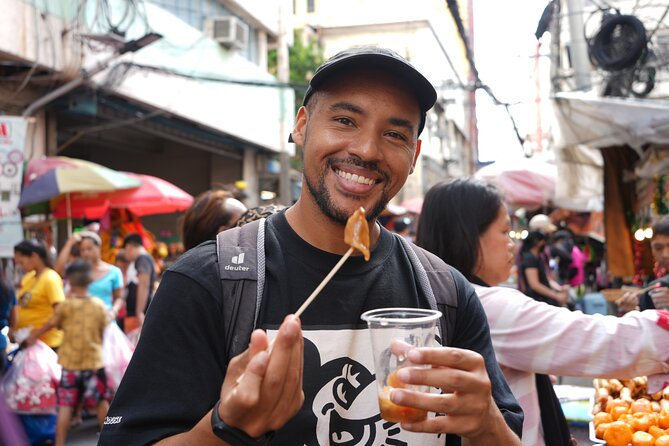
I like the six to 10 tastings, which give you a broad sample without turning the outing into one long meal. I also like the personal touch from guides such as V and Venus, who show visitors corners of their home city that are easy to miss alone.
The main thing to consider is that the food list is not fixed. You may try kwek kwek, adobo, biko, halo-halo, siopao, or dumplings, but the exact selection depends on what is available that day. The streets can also be busy, so this suits you best if you enjoy an active local setting rather than a polished food hall.
Key points at a glance
- Six to 10 tastings: Sample several Filipino and Chinese-Filipino foods instead of committing to one large dish.
- Tondo and Binondo: Visit local food areas, including the world’s oldest Chinatown, during one compact outing.
- Guides V and Venus: Expect a personal introduction to Manila, with help navigating streets and food stalls.
- Small-group format: The additional tour details list a maximum of eight people, though the general description says the experience is limited to 12.
- Food changes daily: The exact dishes depend on street availability, making each outing somewhat different.
- Two-hour length: A useful first taste of Manila’s food culture, but not a complete city food survey.
Why this short Manila food walk works
This experience is built around variety. In about two hours, you may move from savory Filipino food to sweet rice cakes, then on to Chinese-Filipino bakery or dumpling fare. That makes it a good choice for your first day in Manila, when you want help deciding what to eat for the rest of your stay.
I like the way the tour combines food with place. You are not simply handed a plate and told what it is. The route takes you through Tondo and Binondo, two parts of Manila with different food identities and street rhythms.
The tour is also useful if you are unsure about ordering local food on your own. A guide can point out what is worth trying and help you make sense of unfamiliar names, textures, and ingredients. The supplied details do not promise a set menu, so think of this as a guided tasting walk rather than a restaurant meal.
The group size matters here. The additional information lists a maximum of eight people, while the wider description says the group is limited to 12. Either way, this is intended to be a small outing rather than a large bus tour. A smaller group should make it easier to hear your guide and ask questions at crowded stops.
More food tours in Luzon:
- Makati Street Food Experience end with a Rooftop Bar
★ 5.0 · 33 reviews - Intramuros & Chinatown Manila Tour – Walking, Food & Culture
★ 4.5 · 32 reviews - Manila Chinatown Food Tour Experience
★ 5.0 · 20 reviews
Starting in Tondo: Manila food at street level
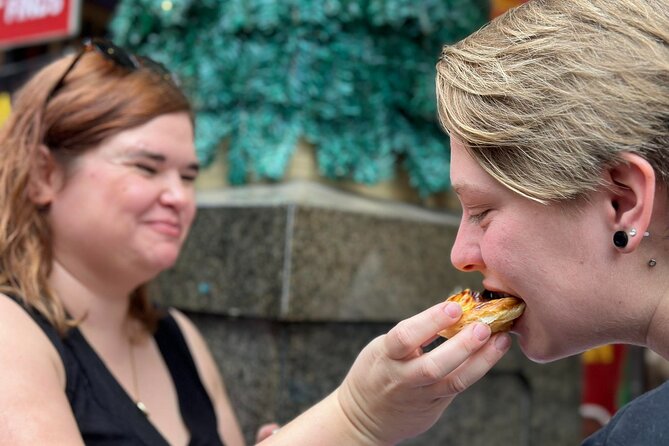
The tour begins in Tondo, in Metro Manila. The first hour focuses on traditional Filipino food, local markets, and street stalls. This is where you get the most direct sense of Manila’s everyday food culture.
The listed examples include adobo, a savory dish that is one of the best-known foods in the Philippines, and biko, a sweet, sticky rice cake. Those two dishes alone show the range of the stop. One is hearty and savory, the other sweet and dense, with the kind of texture that makes Filipino snacks different from familiar Western desserts.
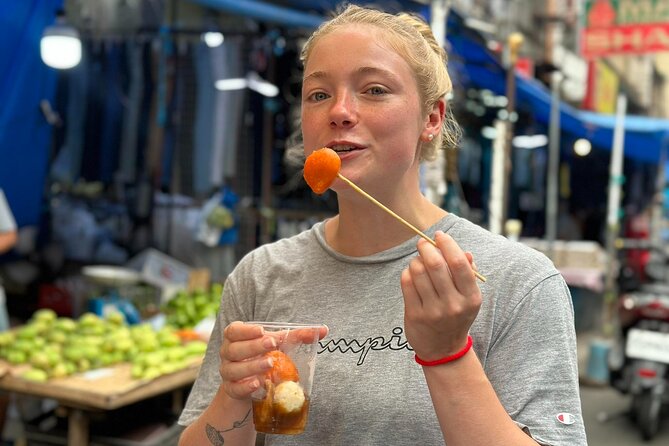
You may also encounter street foods such as kwek kwek, the small orange-colored quail eggs coated in batter and fried. The experience description makes clear that the food depends on what is available on the street that day. That is important: you should arrive ready for a changing menu, not expecting every named item.
Tondo can be a more revealing setting than a tourist-focused food district. You get markets, working streets, and food stalls serving local customers. One guide, Venus, has been praised for showing visitors lesser-known corners of her home city and the Tutuban area. The route information names Tondo, so confirm the precise meeting point when booking if the distinction matters to you.
The setting may not be quiet or tidy in the way a sit-down dining room is. You may be standing, walking, or eating in a crowded public space. For me, that is part of the appeal, but it is also why comfortable shoes and a flexible attitude matter.
Binondo: Chinese-Filipino flavors in Manila’s oldest Chinatown
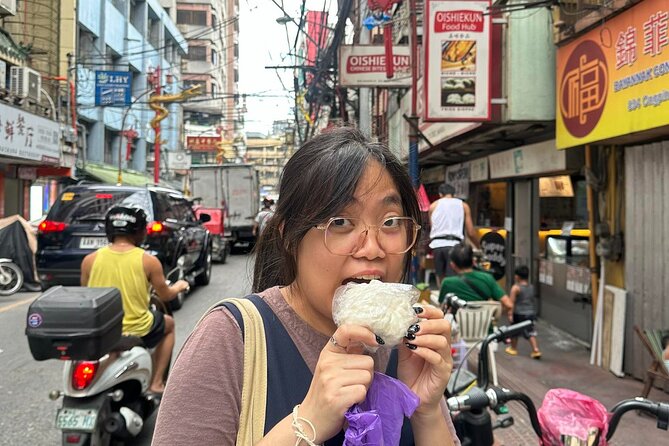
The second hour moves to Binondo, known as the world’s oldest Chinatown. Here the food focus shifts toward the long exchange between Chinese and Filipino cooking.
You may sample siopao, steamed buns with savory filling, along with dumplings and other Chinese-Filipino dishes. The streets are lined with noodle houses, tea shops, and bakeries, giving this part of the walk a different character from Tondo.
Binondo is valuable for more than its food. A guide can help you notice how the neighborhood’s shops, stalls, and old streets fit together. Without local direction, it would be easy to walk past a modest storefront without knowing what to order or why it matters.
The itinerary lists admission as not included for Binondo, but no separate admission charge is identified in the supplied details. Treat this as a point to clarify before booking, especially if you want a precise idea of what the $70 price covers.
The food here may be more familiar to you if you have eaten Chinese food elsewhere, but the Filipino connection is what makes it worth including. The point is not simply to compare one dumpling with another. It is to see how Chinese culinary traditions became part of Manila’s own food culture.
From kwek kwek to halo-halo
The tour’s named foods cover several useful categories:
- Kwek kwek: A street snack and a good introduction to Filipino fried food.
- Adobo: A savory Filipino staple that can show how everyday home cooking differs from snack-stall fare.
- Biko: A sticky rice sweet with a firm, filling texture.
- Halo-halo: A cold dessert that gives the tasting a refreshing finish, if available.
- Siopao and dumplings: Chinese-Filipino favorites associated with Binondo’s food streets.
You may not receive all of these. The tour description specifically says that food depends on street availability. That can be a strength because the experience remains tied to current local conditions, but it also means you should not book it for one particular dish alone.
The number of tastings, six to 10, is a useful middle ground. You get enough stops to form a picture of Manila’s food culture, but the tour is short enough that you are unlikely to spend half the day eating. If you have a large appetite, consider this an introduction rather than a full lunch or dinner.
Food preferences and dietary limits deserve attention before booking. The supplied information says most people can participate, but it does not provide a detailed vegetarian, vegan, allergy, or religious-diet policy. Ask the provider, Manila Experience, also identified as V.S Tour Services, before paying if you need specific substitutions.
Same island, a completely different kind of day:
- Manila Old and New: Sightseeing Tour Including Intramuros and Fort Santiago
★ 4.5 · 377 reviews - Manila’s Walled City: Intramuros Walking Tour
★ 5.0 · 82 reviews - Manila Filipino Cooking Class: Meryenda Favorites
★ 5.0 · 80 reviews - Batad Guided Tour
★ 5.0 · 78 reviews
What the guides add to the experience
The guide may be the most important part of a street food walk. V is described as especially good at navigating Manila and helping solo visitors feel safe and comfortable. That matters in areas where unfamiliar streets, traffic, crowds, and food stalls can feel difficult to manage on your own.
V also takes photos, according to the information provided about the tour. If you are traveling alone, that small service can be useful. It gives you a few pictures of the outing without needing to ask strangers at every stop.
Venus is another named guide connected with the experience. She is described as enthusiastic and friendly, with a focus on showing visitors local food and less familiar parts of Tutuban. The two names suggest that the personality of your outing may depend on who leads it.
You should not expect a scripted lecture. The strongest use of a local guide here is practical: knowing where to go, what to taste, how to approach a stall, and how to move through Manila without wasting time. You also get a chance to ask about foods as they appear, rather than reading a general explanation after the fact.
Is $70 a fair price?
At $70 per person, this is not the cheapest way to buy street food in Manila. If you simply want to eat kwek kwek, biko, or dumplings, you could spend far less by ordering directly from stalls.
The value comes from the guidance and range. Your payment covers a planned route through two food districts, six to 10 tastings, and a local host who can handle navigation and explain what you are eating. For a first-time visitor, that can save considerable trial and error.
The price makes the most sense if you are traveling alone, have limited time, or feel uncertain about where to eat. A solo visitor may get a highly personal outing if the booking remains small. One person even ended up with what felt like a private tour, though you should not assume that will happen on your date.
For a larger group, compare the cost with simply hiring a local guide or eating independently. The tour’s strongest value is not quantity of food. It is the chance to connect several neighborhoods and food traditions in one organized walk.
The experience is often booked well ahead, with an average booking lead time of 59 days. That suggests you should reserve early if your Manila dates are fixed. The stated cancellation policy allows a full refund when you cancel at least 24 hours before the start time. Changes or cancellations made inside that window are not accepted for a refund.
Who should book this food experience?
I would choose this tour for a first visit to Manila, especially if you want an easy introduction to Filipino food without spending hours studying menus. It is also a strong match for solo visitors who want company, local direction, and help getting photos.
Food enthusiasts will appreciate the range from Filipino street snacks to Chinese-Filipino specialties. You can also use the tour as a scouting mission for the rest of your trip. If you find a dish you like, ask your guide where to eat it again or what similar foods to try.
This may not suit you if you need a fixed menu, a quiet seated meal, or a carefully controlled setting. The route is built around street availability, and the city environment may be crowded or unpredictable.
It is also less suitable for anyone with serious food allergies unless the provider confirms that the tastings can be adapted. The published details say most people can participate, but they do not promise allergy accommodations.
Practical advice for getting the most from the walk
Wear comfortable shoes. The experience lasts about two hours and includes movement between food areas, markets, and stalls.
Arrive with some room in your stomach, but do not assume the tastings replace every meal. Six to 10 samples can add up, yet the exact portion sizes and dishes are not specified.
Keep your expectations flexible. Kwek kwek may be available one day and absent the next. Halo-halo may appear as a sweet finish, but it is not guaranteed. The changing menu is part of the street-food format.
If you are meeting in Tondo, confirm the exact meeting instructions before the day of the tour. The activity starts and ends at the meeting point, and no separate transport service is listed.
Should you book the Manila Food Tour Experience?
Book it if you want a compact, guided introduction to Manila’s food culture and prefer local streets to a formal restaurant. The combination of Tondo’s Filipino fare and Binondo’s Chinese-Filipino food gives the two-hour route a useful range.
I would be most likely to recommend it to solo visitors, first-time Manila visitors, and curious eaters who want a guide such as V or Venus to handle the route. I would hesitate only if you need a guaranteed menu, have strict dietary requirements, or want a long, leisurely meal.
At $70, you are paying for access, context, and confidence more than for the food itself. If that is what you need in Manila, this small-group outing can be a practical and enjoyable choice.
FAQ
Where does the Manila food tour begin?
The tour begins in Tondo, Manila, in Metro Manila, Philippines.
Where does the tour end?
The activity ends back at the meeting point.
How long does the experience last?
The tour lasts approximately two hours, with about one hour in Tondo and one hour in Binondo.
How many foods will I taste?
You can expect between six and 10 food tastings. The exact selection depends on what is available on the street that day.
What foods might be included?
Possible foods include kwek kwek, adobo, biko, halo-halo, siopao, and dumplings. The exact dishes are not fixed.
Does the tour visit Binondo?
Yes. The second part of the tour takes place in Binondo, described as the world’s oldest Chinatown.
What is the maximum group size?
The additional tour information lists a maximum of eight travelers. The general description says the small group is limited to 12 participants, so confirm the applicable limit when booking.
Is the tour suitable for most people?
Yes. The additional information says most travelers can participate. It does not provide specific details about dietary restrictions or accessibility needs.
Can I cancel for a full refund?
Yes, if you cancel at least 24 hours before the experience start time. Cancellations or changes made less than 24 hours in advance are not accepted for a refund.
Just added around Luzon
- Private Airport Transfer Manila to Hotel in Manila or vice versa★ 5.0 · 3 reviews
- Pagsanjan Falls Adventure with Lunch and Rapids Experience★ 4.5 · 3 reviews
- The Jeepney & Tuk Tuk Adventure ride with Local Guide★ 4.5 · 4 reviews
- Angeles City / Clark Airport to La Union (Bauang, San Fernando, San Juan)★ 3.5 · 4 reviews
- Sagada and Banaue Rice Terraces 4-Day Tour★ 5.0 · 4 reviews
- The Oldest Chinatown in Manila with Local Guide★ 5.0 · 4 reviews
- Manila Social and Political Walk★ 5.0 · 4 reviews
- Mt. Pinatubo Day Tour from Manila★ 5.0 · 4 reviews
Food & Drink, compared.
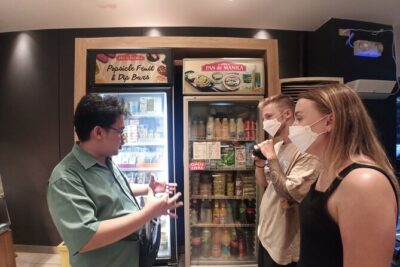
Manila Food Tour: Introduction to Philippine Street Food
Read our review →
Boracay Sunset Cruise with Party DJ & Unlimited Food and Drinks
Read our review →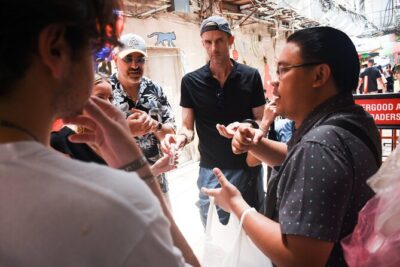
Manila Food Tour: Explore World’s Oldest Chinatown
Read our review →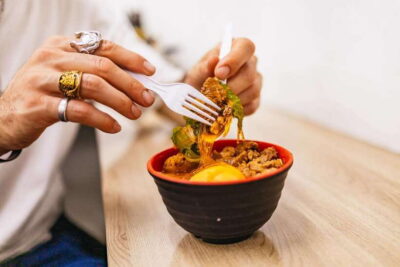
Manila: Street Food and Drinks Walking Tour with Tastings
Read our review →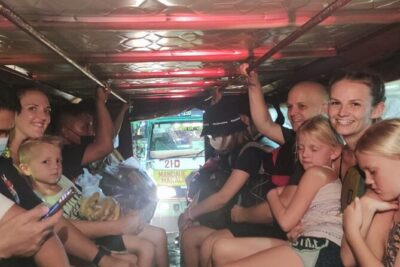
The Original Cebu City Historical and Food Walking Tour
Read our review →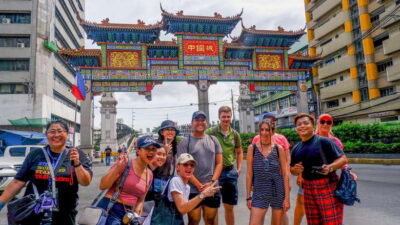
Manila: Sightseeing and Food Walking Tour with Tastings
Read our review →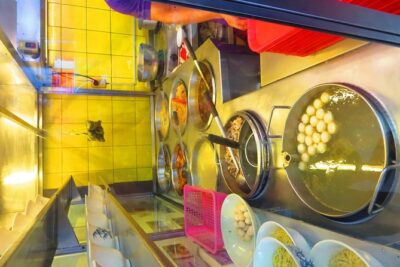
Manila’s Culinary Expedition: The Ultimate Food and Market Tour
Read our review →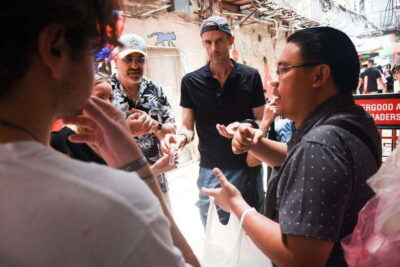
Manila: Guided Food Tour of Binondo with Tastings
Read our review →Browse the lists this tour appears in