Reviewed · GUIDED
Manila Hidden Gems with local guide
Tondo is not a polished sightseeing district. It is one of Manila’s oldest areas, where narrow lanes, working homes, market stalls, old apartments, and daily commerce sit close together. This two-hour walking tour takes you into that everyday world, with a local guide showing you places most visitors would miss.
I like the ride in an iconic jeepney or tricycle, and I like the chance to shop in a real wet market rather than a souvenir shop. The main thing to consider is that this is a close look at ordinary life, not a relaxed stroll past tidy monuments. Expect uneven streets, crowded spaces, and a setting that may feel confronting at times.
Key points at a glance
- Tondo and Binondo on foot: Walk through Chinatown alleys, back streets, old apartments, and local shopping areas.
- A real local transport ride: Jeepney or tricycle transport is included, giving you a short taste of how people move around Manila.
- Old structures dating to 1595: The route includes some of the oldest buildings and structures in the area.
- Market life, not tourist theater: Visit stalls selling housewares, clothing, fruit, and wet-market goods at local prices.
- Food is separate: You may find street food, coffee, and Filipino dishes, but tasting costs are not included.
- Small group format: A maximum of 10 people keeps the walk fairly personal, with free cancellation up to 24 hours ahead.
Why this Manila walk feels different
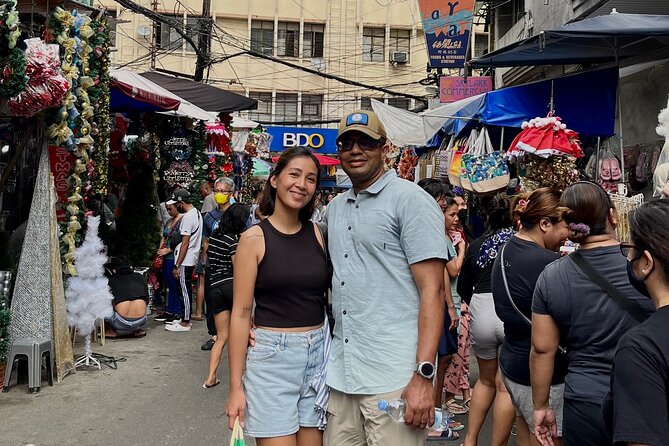
Many Manila sightseeing routes stay around major churches, museums, shopping malls, and famous viewpoints. This one takes a different path. You start near Binondo, Manila’s Chinatown, then walk toward the less polished streets of Tondo, an old district with residential, commercial, and industrial areas mixed together.
I like this approach because it gives you a better sense of how Manila works between the famous sights. You see people shopping, eating, bathing, working, and moving through their day. The focus is not on a perfect postcard. It is on the city as it is.
That also means you should set your expectations carefully. The tour may pass through open-air living spaces and back alleys where homes are close to public areas. Some people will find this eye-opening and human. Others may feel uncomfortable seeing private daily routines in such a close setting. A respectful attitude matters. Listen to your guide, ask before taking close-up pictures, and remember that you are walking through someone’s neighborhood, not a staged attraction.
The tour has earned a 4.8 rating from 27 published ratings, with 93 percent recommending it. Those numbers point to a strong experience for the right kind of participant: someone curious about local life and comfortable with a basic walking tour rather than someone seeking a polished city highlights package.
A few more Luzon day trips to weigh up
- Batad Guided Tour
★ 5.0 · 78 reviews - The Hidden Gems of Manila Guided Tour
★ 5.0 · 42 reviews - Manila Intramuros Walking tour with Local Tour Guide
★ 5.0 · 33 reviews
Starting at Grand Cafe in Binondo
The meeting point is 1919 Grand Cafe at 117 Juan Luna Street in Binondo. This is a useful starting place because you begin near Chinatown and can get your bearings before the walk moves into narrower lanes and local streets.
The exact rhythm may vary with the guide and the day. The supplied route describes a walk through a Chinatown alley, followed by street food areas, old structures, a local transport ride, and a shopping market. Since the tour lasts about two hours, the stops are likely to be fairly compact rather than long visits with extended free time.
A small group of no more than 10 people is a real advantage here. In a tight alley or market, a large group would be awkward. With fewer people, you should have more room to keep up, ask questions, and hear the guide without standing in the middle of the lane.
The tour includes bottled water and a welcome drink. Wear practical walking shoes and bring only what you need. The route includes side streets and a market, so a light bag is easier to manage than a large daypack.
Chinatown alleys and old Manila structures
The first walking section takes you through a Chinatown alley. Binondo is an important part of Manila’s commercial life, and its lanes can feel very different from the city’s broad roads and modern shopping centers.
Here, the value comes from the details. You may see small shops, food sellers, homes, and workspaces pressed together. The guide can help explain what you are looking at, which is especially useful when the surroundings seem busy or confusing. Without local context, it is easy to walk through a Manila alley and notice only traffic, noise, and signs.
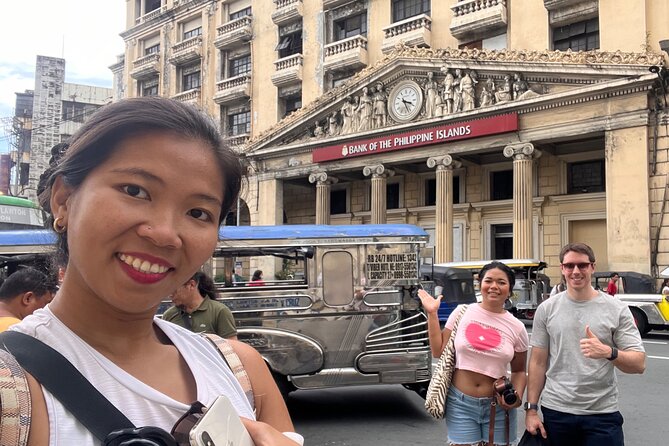
The route also includes old buildings and structures dating to 1595. That date gives the walk a useful historical anchor. You are not only looking at present-day street life. You are also moving through one of the oldest parts of Manila, where older structures sit beside newer businesses and ordinary homes.
Do not expect a formal heritage tour with long architectural lectures. The supplied details point to a walking route that mixes history with daily life. I would treat the older buildings as part of the street story, not as a series of preserved monuments. That combination is one of the tour’s strengths, but it also means the historical coverage may be brief.
Street food, coffee, and Filipino flavors
The route includes a look at different kinds of street food. You may also have the chance to buy local coffee and Filipino dishes in the way residents do.
Food tasting is not included in the price. This point matters. The tour may bring you near appealing snacks and drinks, but you should plan to pay separately for anything you eat. That gives you freedom to choose, but it also means the advertised price is not the final cost if you want to sample several items.
I like this arrangement better than a fixed tasting menu for a short neighborhood walk. You can decide what looks good, skip anything that does not suit you, and control your spending. Still, do not book this as a food tour. Food is part of the setting, not the main product.
If you want to sample something, ask the guide what is suitable and how much it costs before buying. A local guide can also help you understand what you are seeing at a stall. The supplied information does not promise a set number of tastings, specific dishes, or a meal, so keep your expectations flexible.
Same island, a completely different kind of day:
- Manila Old and New: Sightseeing Tour Including Intramuros and Fort Santiago
★ 4.5 · 377 reviews - Manila’s Walled City: Intramuros Walking Tour
★ 5.0 · 82 reviews - Manila Filipino Cooking Class: Meryenda Favorites
★ 5.0 · 80 reviews - Manila Super Saver: Manila Sightseeing plus Tagaytay Tour with Taal Volcano
★ 4.0 · 75 reviews
Riding a jeepney or tricycle
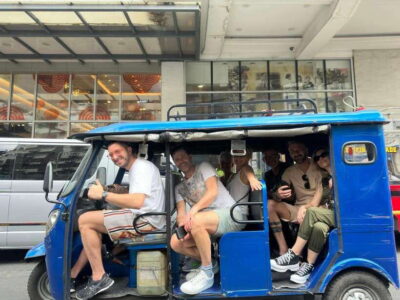
The included local transport ride is one of the most memorable parts of the outing. You may ride a jeepney or a tricycle, two familiar forms of transport in the Philippines.
A jeepney is more than a practical vehicle for this tour. It gives you a small taste of the ordinary transport system and places you inside the flow of local movement. A tricycle offers a different feel, usually on a shorter local route. The provider does not specify which vehicle every departure uses, so expect either option rather than one guaranteed ride.
This is also a good reason to carry small cash, although the supplied information does not give a fare or confirm whether any optional transport costs apply. The experience includes local transport, but the exact arrangement is not detailed. Ask the guide at the start if you want to know how the ride will work.
The ride is not a sightseeing cruise. It is a short, practical part of the walk. That is precisely why it works. You are using transportation in the same setting where people use it every day, rather than riding a vehicle designed only for sightseeing.
Tondo back streets and everyday homes
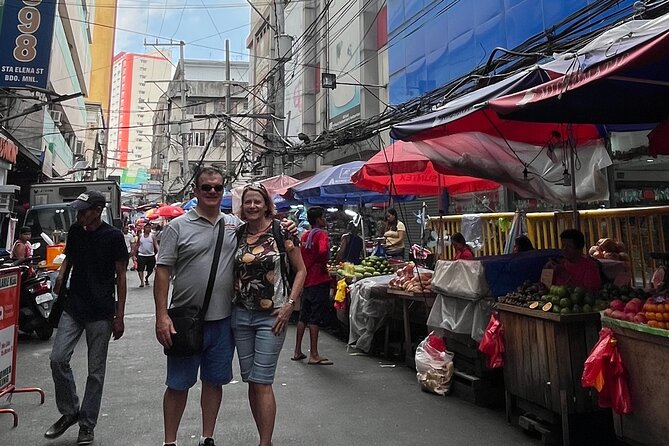
The walk then moves through Tondo’s back alleys and side streets. Tondo is one of Manila’s oldest districts, but it is also a living neighborhood with homes, commerce, and industrial activity.
One of the more striking parts of the route is the chance to see how residents live in older apartments and compact spaces. The description refers to open-air bathing and dining. This may be difficult for some people to see, but it helps explain why a local guide is important. You are not simply looking at buildings. You are trying to understand how families use limited space and how daily routines fit into a dense urban district.
I would approach this portion with humility. Do not treat people’s homes as scenery. Keep your camera down unless you have clear permission, and avoid blocking doorways or narrow paths. A good guide should help set the tone, and the smaller group should make it easier to pass through without causing disruption.
Safety is another practical concern for many people considering this route. One published account specifically describes the area as one many tourists might avoid but reports no safety issues during the walk. That is useful reassurance, but it is not a guarantee about every day or every street. Stay with the guide, follow local instructions, and use normal city awareness.
The traditional shopping and wet market
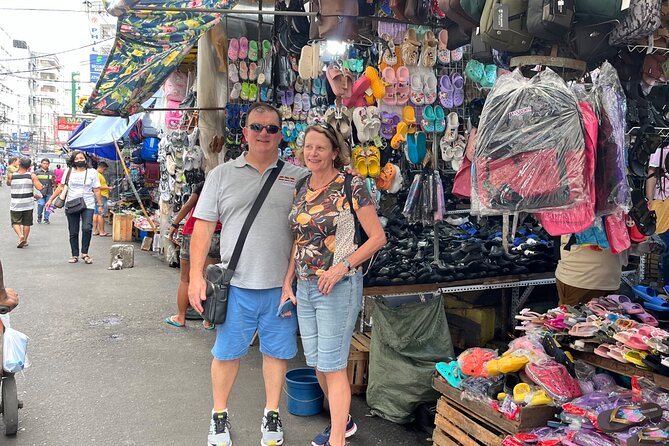
The market section covers a broad mix of goods: housewares, clothes, fruit, and wet-market products. This is not a staged market built for sightseeing. It is a place where people shop for ordinary needs.
The market is valuable because it shows prices, habits, and choices that are easy to miss from a taxi or tour bus. You can see the practical side of Manila, from household items to produce and clothing. The description notes that items can be found at cheap and reasonable prices, so you may want to bring a little spending money if you enjoy browsing.
The wet market may be the most intense part of the tour. Wet floors, strong smells, close stalls, and active sellers are common features of this type of market, although the exact conditions can change. If you prefer quiet, air-conditioned shopping, this may not be your favorite stop.
For me, the market is where the tour’s purpose becomes clearest. It connects the old streets and local transport with the basic routines of buying food and household goods. You are not only seeing a neighborhood. You are seeing how it functions.
What the $55 price really buys
At $55 per person, this is not a cheap Manila walking tour in the narrow sense. You are paying more than the local cost of a drink, market purchase, or short ride. The value comes from access, guidance, and organization.
The price includes a local guide, bottled water, a welcome drink, a jeepney or tricycle experience, and a photo shoot. It also gives you a compact route through places that may be difficult to understand on your own. You are paying someone to connect the streets, transport, buildings, food, and local routines into one readable story.
The maximum group size of 10 helps support that value. A private tour would cost more, while a large group would reduce the personal feel. For someone with only a short time in Manila, the two-hour length may also be efficient.
Still, I would not recommend it based on price alone. If you only want famous landmarks, a longer sightseeing route may offer more obvious value. If you want street-level contact and local context, the cost is easier to justify. Remember to budget separately for food and drinks, since tastings are not included.
Practical details before you book
The meeting point is near public transportation, and the activity returns to the same place. That makes it easier to fit into a day in Manila, especially if you prefer not to arrange a complicated pickup.
The tour lasts approximately two hours. Because it is a walking route through alleys, streets, and a market, comfortable shoes are important. The provided information does not give a full accessibility description, so ask the provider before booking if you need specific support with walking, surfaces, or transport.
Most people can participate, according to the supplied booking information. The route still includes active public areas and local transport, so you should be comfortable walking and adjusting to changing street conditions.
Confirmation is provided when you book. You can cancel for a full refund up to 24 hours before the local start time. Cancellations or changes inside that window are not refunded or accepted. The tour also requires good weather. If poor weather forces a cancellation, you will be offered another date or a full refund.
Who will enjoy this tour most
I would choose this walk if you want to understand Manila beyond its major sights. It suits people who enjoy markets, street scenes, public transport, local food, and conversations about how a city really works.
It is also a good match for repeat visitors who have already seen the main churches, museums, or shopping areas. The route offers a different side of Manila without requiring a full-day commitment.
I would think twice if you dislike crowded streets, wet markets, basic conditions, or walking through residential areas. This is not the right pick for a family seeking a highly controlled outing, unless everyone is comfortable with the setting and understands the purpose of the visit.
The tone of the guide will matter. One guide named Mari is associated with a route through the area where she grew up, which can add personal context. Guide assignments can vary, so do not assume Mari will lead every departure. The strongest part of this tour is the local connection, and you should make the most of it by asking thoughtful questions rather than rushing from stop to stop.
Should you book the Tondo and Binondo walk?
Book it if you want a candid, local look at Manila and are willing to leave the polished tourist circuit. The jeepney or tricycle ride, market visit, old structures, and back-street walk give the two hours a clear purpose.
Skip it if your ideal Manila outing means monuments, air conditioning, and included food. The $55 price is fair for a small-group guided look at everyday life, but it is not a bargain sightseeing ride, and food costs extra.
For the right person, this is a useful introduction to the city’s working neighborhoods. Go with curiosity, modest expectations, comfortable shoes, and respect for the people whose daily lives form the setting.
FAQ
Where does the tour start?
It starts at 1919 Grand Cafe, 117 Juan Luna Street, Binondo, Manila, 1006 Metro Manila, Philippines.
Where does the tour end?
The activity ends back at the meeting point.
How long does the experience last?
The walking tour lasts approximately two hours.
What is the price?
The listed price is $55 per person.
How far ahead is the tour usually booked?
It is booked an average of 26 days in advance.
Is food included?
No. Food tasting is not included. You can buy food, drinks, or coffee separately if they are available during the route.
Is local transportation included?
Yes. The experience includes local transport by jeepney or tricycle.
What else is included?
Bottled water, a welcome drink, and a photo shoot are included.
How many people can join?
The tour has a maximum group size of 10 people.
What happens if the weather is poor?
If the activity is canceled because of poor weather, you will be offered a different date or a full refund.
Just added around Luzon
- Private Airport Transfer Manila to Hotel in Manila or vice versa★ 5.0 · 3 reviews
- Pagsanjan Falls Adventure with Lunch and Rapids Experience★ 4.5 · 3 reviews
- The Jeepney & Tuk Tuk Adventure ride with Local Guide★ 4.5 · 4 reviews
- Manila Food Tour Experience with Local Guide★ 5.0 · 4 reviews
- Angeles City / Clark Airport to La Union (Bauang, San Fernando, San Juan)★ 3.5 · 4 reviews
- Sagada and Banaue Rice Terraces 4-Day Tour★ 5.0 · 4 reviews
- The Oldest Chinatown in Manila with Local Guide★ 5.0 · 4 reviews
- Manila Social and Political Walk★ 5.0 · 4 reviews
Guided, compared.

Coron: Private Boat Hire with Guided Tour and Lunch on Beach
Read our review →
From Puerto Princesa: Underground River Guided Day Trip
Read our review →

Bohol: Waterfall Hopping & Secret Jungle Trails Guided Tour
Read our review →
Manila: Guided Sunset Bamboo Bike Tour in Intramuros
Read our review →