
Reviewed · INTRAMUROS WALKING TOURS
Manila Intramuros Walking tour with Local Tour Guide
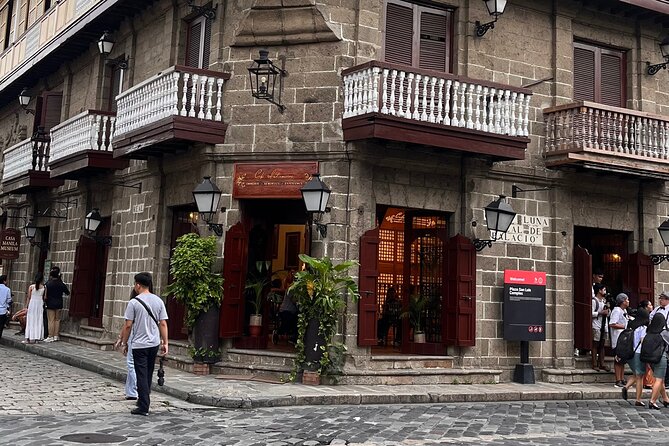
Intramuros is more than a pretty walled district. It is where Manila’s Spanish colonial story, Jose Rizal’s final days, and the devastation of the Battle of Manila meet on the same compact route. This walking tour brings those layers together, with time at Fort Santiago, the Manila Cathedral, San Agustin Church, and Casa Manila.
I like the human scale of the tour and the way guides such as Mari and Victor turn scattered monuments into one understandable story. I also like the practical touches: bottled water, a welcome drink, a small group capped at 10 people, and umbrellas available when rain arrives.
The main consideration is the weather. You will spend much of the 2 to 3 hours outside, and Monday is a poor choice if you want to enter both San Agustin Church and Casa Manila, since both are closed then. Modest clothing is also needed inside the church.
Key points to know before you book
- A compact route with a serious story: Visit Manila Cathedral, San Agustin Church, Fort Santiago, and Casa Manila in one outing.
- Fort Santiago carries the darkest section: The tour addresses World War II, the Battle of Manila, the dungeon, and the Dr. Jose Rizal Shrine.
- Mari and Victor are named guide options: Both are described as engaging, attentive, and clear when explaining Philippine history.
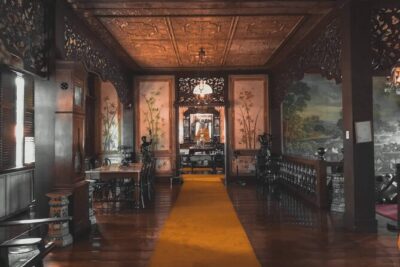
- Casa Manila adds daily-life detail: Its colonial interiors show how an elite Filipino household might have lived during the Spanish period.
- Small groups make questions easier: The maximum group size is 10 people.
- Monday requires planning: San Agustin Church and Casa Manila are closed, so the route will not offer the full indoor experience.
Why Intramuros makes a good first Manila history lesson
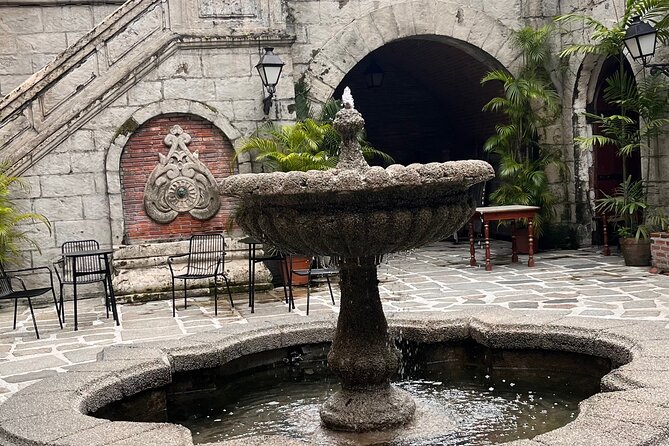
You can see plenty of old walls and church towers in Manila without understanding what they mean. This tour helps connect the pieces. Intramuros, whose name means within the walls, was the Spanish-built center of Manila, and the route moves through religious, military, domestic, and wartime sites.
That range matters. A church tells one part of the story. A fort tells another. Casa Manila shifts the focus to furniture, rooms, and social life, while Fort Santiago brings the city’s painful World War II years into view.
I especially like that the tour begins with a short historical introduction before the walking starts. Mari is described as giving a roughly 15-minute overview of Philippine history, which helps you place Spanish rule, later events, and the country’s modern identity in context. Without that frame, Intramuros can feel like a series of attractive buildings. With it, the route has a clear shape.
The tour is offered at $55 per person. That is not the cheapest way to stroll through Intramuros, especially since several listed stops show free admission. Still, the price can make sense if you want one guide to handle the sequence, explain what you are seeing, answer questions, and cover several major sites in one afternoon.
The value is strongest for a first visit, especially if you have limited time in Manila. A visitor who already knows Intramuros well, or who prefers to wander slowly and read at their own pace, may find the price harder to justify.
More walks through old Manila:
- Manila Old and New: Sightseeing Tour Including Intramuros and Fort Santiago
★ 4.5 · 377 reviews - Manila’s Walled City: Intramuros Walking Tour
★ 5.0 · 82 reviews - Express Bamboo Bike Tour inside Intramuros
★ 4.5 · 66 reviews
Starting at Figaro Coffee in Intramuros

The meeting point is Figaro Coffee at the FEMII Building on Soriano Avenue. This gives you a clear place to begin rather than an indistinct street corner, and the area is near public transportation.
The tour ends back at the same meeting point. That is useful if you are arranging another activity afterward, since you will not need to guess where the walk finishes. Allow some flexibility, though. The listed stops total about 150 minutes, and the advertised duration is approximately 2 to 3 hours.
The group limit is 10 people. That is small enough for a guide to hear questions without turning every stop into a public speech. It also suits a mixed group, since the route includes both famous landmarks and less obvious details that are easy to miss alone.
Wear comfortable clothing and walking shoes. The instructions also call for modest attire inside the church. Manila weather can change quickly, so the guide’s willingness to provide umbrellas during rain is a useful practical touch, though weather can still affect the experience.
Manila Cathedral and Plaza de Roma
The Manila Cathedral is an important opening stop because it introduces the religious and civic heart of Intramuros. The cathedral sits beside Plaza de Roma, one of the district’s central spaces, and gives you a first sense of how Spanish Manila was organized.
The scheduled time here is about 35 minutes. That is enough for an explanation of the building and its place in Intramuros, along with time to look at the architecture. You should not expect an extended church service or a slow architectural study. This is a history tour, so the guide’s interpretation is the main reason to spend time here.
The cathedral also helps set up the contrast that runs through the day. Intramuros was built to project authority and order, yet its later story includes occupation, destruction, imprisonment, and civilian suffering. The polished religious setting is only the first layer.
If you want quiet time for photographs or prayer, tell the guide early. A group schedule means the walk must keep moving, particularly when several stops are packed into a short visit.
San Agustin Church and its older details
San Agustin Church is one of the oldest stone churches in the Philippines and one of the most rewarding stops for architecture. The tour allows about 35 minutes here, enough to see the interior and hear why the church matters.
This is where modest clothing matters. You are entering an active religious site, not simply a museum, so dress comfortably but respectfully. The church is closed every Monday, a detail that should shape your booking date from the start.
I like this stop because it broadens the story beyond forts and battles. The church points to the long Spanish colonial period and the role of religion in Manila’s public life. It also gives the walking portion a cooler indoor pause, which can be welcome in warm weather.
Do not confuse the scheduled visit with a promise of a private church tour. The information supports a guided stop, not exclusive access or a special service. On a Monday, this portion will be unavailable, and the tour’s indoor balance will change.
More walking tours in Luzon:
- Intramuros & Chinatown Manila Tour – Walking, Food & Culture
★ 4.5 · 32 reviews - Manila: Binondo Walking Tour ( Oldest Chinatown )
★ 5.0 · 30 reviews - Manila Old & New City Walking Tour With A Guide
★ 4.0 · 9 reviews - A Step Back in Time: Intramuros Walking Tour
★ 5.0 · 7 reviews
Fort Santiago, the tour’s heaviest chapter
Fort Santiago receives about 45 minutes, making it the longest listed stop. That is appropriate. The fort carries much of the tour’s wartime and political weight, including World War II, the Battle of Manila, the dungeon, and the Dr. Jose Rizal Shrine.
This is the place where the tour moves from broad colonial history to personal loss. Rizal, a major Philippine national figure, is remembered here, and the shrine adds a human focus to the larger national story. The dungeon and wartime material bring the darker side of Intramuros into view.
The phrase Past and Present is useful here. You are not only looking at old stone. You are being asked to connect the fort’s earlier military purpose with the damage and suffering associated with the Battle of Manila. The tour promises attention to what happened inside the walls during that battle and afterward.
That subject can be difficult, and the tone may feel more serious than at the cathedral or Casa Manila. I see that as a strength for anyone who wants more than a postcard walk. If you want a light sightseeing outing with little discussion of war, this may not be the right tour.
The route also lists a White Cross and a dungeon among the points of interest. The supplied schedule does not assign separate times to them, so expect them to be covered as part of the Fort Santiago section rather than as long standalone visits.
Casa Manila and the Filipino elite household
Casa Manila is a replica of a Spanish colonial mansion. Its rooms and furnishings offer a look at the lifestyle of the Filipino elite during the colonial period, giving the tour a domestic angle that the churches and fort cannot provide.
About 35 minutes are planned here. That is enough to move through the rooms with a guide and notice the intricate decoration, but not enough for a leisurely museum visit at every display. If you enjoy interiors, furniture, and household history, this may become your favorite stop.
I find this kind of place useful because grand political stories can feel distant. A house shows how status, taste, and daily routines were expressed. You can better picture colonial Manila through rooms and objects, not only through dates and battles.
Casa Manila is closed every Monday. Since it is one of the four headline stops, avoid Monday if you want the complete route. The tour information also names San Agustin Church as closed that day, meaning two indoor highlights would be missing together.
The local guide is the real value
The strongest reason to book this experience is the guide’s role. The route itself is easy enough to locate, but significance is harder to see. A guide can point out why a building matters, explain how the sites fit together, and answer questions when the story becomes complicated.
Mari is described as funny, enthusiastic, and capable of condensing several centuries of Philippine history into a short introduction. That is a useful skill on a 2 to 3-hour tour. You need enough context to understand the sites without sitting through a long lecture before the walk begins.
Victor is described as attentive and informative, particularly helpful for people from outside the Philippines. That matters because Intramuros carries cultural references that may not be obvious if you are seeing it for the first time.
The exact guide may depend on the date. The experience provider is MstarToursPh, and Mari and Victor are the named guides associated with this tour. If a particular guide is important to you, ask when booking rather than assuming.
The personal approach also appears in small acts of care. Water is provided, umbrellas have been offered when rain began, and the guide has been described as accommodating. Those details do not replace good interpretation, but they matter during a hot or wet walk.
The unusual three-wheeled bike
The tour description mentions a short Lamborghini bike experience. Despite the name, this is not a driving excursion or a high-speed ride. It is described as a three-wheeled paddle bike, with someone else able to do the paddling for you.
Treat this as a brief novelty rather than a central part of the tour. The main experience is the history walk, and the itinerary focuses on the cathedral, church, fort, and Casa Manila. The bike may appeal to families or anyone who enjoys a small playful break between historic stops.
Because the description calls it short, do not book this tour mainly for cycling. Its value lies in the guide and the places you visit.
What the $55 price means
At $55 per person, this is a midrange guided experience rather than a budget walk. The listed inclusions are a local guide, a welcome drink, bottled water, and admission fees. Several itinerary entries display free admission, so the financial value is not simply about tickets.
You are paying mainly for structure and explanation. In a district with many layers, a good guide can save time and help you recognize details you would otherwise pass without notice. That is particularly useful if you have only one day in Manila or want a clear introduction before exploring more on your own.
The maximum of 10 people also adds value. You are not joining a huge procession where the guide’s words disappear into the street noise. A small group makes it easier to ask about Philippine history, the Battle of Manila, church architecture, or the meaning of a particular room at Casa Manila.
Group discounts are available, which may improve the price for families or friends booking together. The tour also provides a mobile ticket, making it easier to keep the confirmation on your phone.
Free cancellation is available up to 24 hours before the start time for a full refund. Changes or cancellations made less than 24 hours before the start are not refunded, and poor weather can lead to a new date or full refund. Since the experience depends on walking outside, check the forecast before the deadline.
Who should choose this Intramuros walk
I would choose this tour if I were visiting Intramuros for the first time and wanted the major sites explained in one compact outing. It suits history-minded visitors, people who want help understanding the Filipino perspective, and anyone who prefers a guide to an independent walk.
It also works well for a small family group or friends. The short duration keeps the commitment manageable, while the fort, church, mansion, and bike provide variety.
You may want another option if you dislike fixed schedules, prefer long museum visits, or want to spend most of your time taking photographs. The route covers a lot, so each stop receives a measured amount of time rather than unlimited wandering.
Avoid Monday if San Agustin Church and Casa Manila are priorities. Choose comfortable attire, prepare for outdoor weather, and remember that Fort Santiago includes serious material about imprisonment, war, and destruction.
Should you book it?
Book this tour if you want Intramuros to make sense, not just look old. The combination of Mari or Victor’s personal guidance, Fort Santiago’s wartime story, Casa Manila’s interiors, and the two major churches gives you a useful introduction to Manila’s past.
At $55, it is best value for a first visit, a small group, or a short stay in the city. I would skip it only if you already know Intramuros well or want to explore entirely at your own pace. For most first-time visitors, the guide’s context is what turns a two-hour walk into a meaningful look at where Manila and the Philippines came from.
FAQ
How long does the Intramuros walking tour last?
The experience lasts approximately 2 to 3 hours.
Where does the tour begin?
It begins at Figaro Coffee in Intramuros, at the FEMII Building, 1002 Soriano Avenue, Manila.
Where does the tour end?
The activity ends back at the same meeting point.
What places are included in the route?
The route includes Manila Cathedral, San Agustin Church, Fort Santiago, and Casa Manila. The tour description also refers to Plaza de Roma, the Dr. Jose Rizal Shrine, the White Cross, and the dungeon.
Is San Agustin Church open every day for this tour?
No. San Agustin Church is closed every Monday.
Is Casa Manila open every day for this tour?
No. Casa Manila Museum is closed every Monday.
What is the maximum group size?
The group can have a maximum of 10 people.
What happens if bad weather cancels the tour?
If poor weather causes cancellation, you will be offered a different date or a full refund. You can also cancel up to 24 hours before the start time for a full refund.
Just added around Luzon
- Private Airport Transfer Manila to Hotel in Manila or vice versa★ 5.0 · 3 reviews
- Pagsanjan Falls Adventure with Lunch and Rapids Experience★ 4.5 · 3 reviews
- The Jeepney & Tuk Tuk Adventure ride with Local Guide★ 4.5 · 4 reviews
- Manila Food Tour Experience with Local Guide★ 5.0 · 4 reviews
- Angeles City / Clark Airport to La Union (Bauang, San Fernando, San Juan)★ 3.5 · 4 reviews
- Sagada and Banaue Rice Terraces 4-Day Tour★ 5.0 · 4 reviews
- The Oldest Chinatown in Manila with Local Guide★ 5.0 · 4 reviews
- Manila Social and Political Walk★ 5.0 · 4 reviews
Intramuros Walking Tours, compared.

Intramuros, Manila: Historical Bamboo Bike Tour
Read our review →
Experience Intramuros with Bamboo Bicycle – Ecotours
Read our review →
Manila: Intramuros, Chinatown, and Old Manila Half-Day Tour
Read our review →
Manila: Guided Sunset Bamboo Bike Tour in Intramuros
Read our review →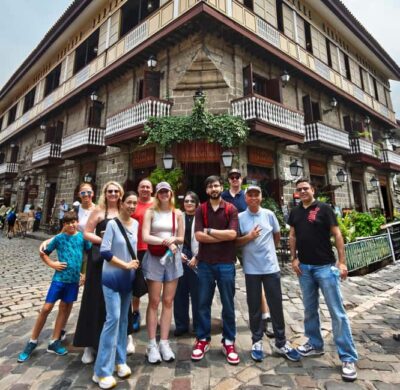
Explore Intramuros: Introduction to Philippine History
Read our review →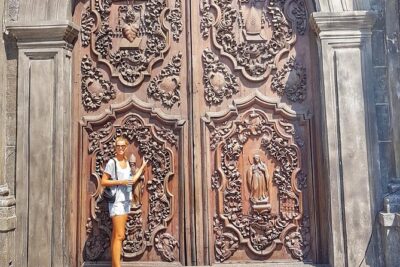
Experience Manila’s Heritage: Intramuros & More in Half a Day!
Read our review →Browse the lists this tour appears in