
Reviewed · INTRAMUROS WALKING TOURS
Manila Old and New: Sightseeing Tour Including Intramuros and Fort Santiago
Manila’s past and present come into focus on this four-hour route. You move from Makati’s finance towers and Forbes Park to the quiet rows of the Manila American Cemetery, then into the old stone walls of Intramuros, where Spanish rule, war, faith, and Filipino independence meet.
I like the useful contrast between modern Makati and Old Manila, and I like that the tour includes Fort Santiago and San Agustin Church rather than only drive-by views. The air-conditioned transport also matters in Manila’s heat and traffic.
The main drawback is time. Four hours can become five, six, or even seven when traffic and hotel pickups pile up. Some guides, including Nori, Richard, Frank, Fernando, and Stella, have earned strong praise for their history knowledge, but the quality of commentary can vary.
Key points at a glance
- Modern Manila first: See Makati, Ayala Boulevard, Nielson Tower, Forbes Park, and the financial center before entering Old Manila.
- A moving World War II stop: The Manila American Cemetery contains the largest number of US military dead from World War II in any cemetery.
- Spanish Manila on foot: Walk the cobbled streets of Intramuros and visit San Agustin Church, a UNESCO World Heritage site.
- José Rizal’s final chapter: Fort Santiago includes the prison connected with the national hero’s final days.
- A manageable walking load: The route includes short stops and some walking, but it is not an all-day walking tour.
- Traffic shapes the day: Hotel pickup, road congestion, rain, and Sunday church services can affect the schedule.
What this Manila tour is really trying to show you
This is an orientation tour, not a slow, specialist visit to every major site. In one compact outing, you see the polished side of Metro Manila, its memorials to war, and the Spanish colonial core.
That broad sweep is the tour’s strongest idea. Makati helps explain the Philippines today: finance, business, modern roads, and wealthy residential districts. Intramuros then shifts the story to the late 1500s, when Spain established Manila as a colonial center.
I find that contrast more useful than spending four hours in one district. You get a basic map of the city and enough historical context to decide where you might return on your own.
The tour is conducted in an air-conditioned vehicle with an English-speaking local guide. The group can reach 30 people, though some departures have been much smaller, with only three or six people in the van. A small group usually makes it easier to ask questions and hear the guide, but you should not assume every departure will be intimate.
The listed price is $103. That is not cheap for a four-hour tour, especially for a solo visitor who may pay more through the booking system. The value improves if you need hotel transport, want a guide to connect the sites, and have limited time in Manila. It is less attractive if you are comfortable arranging your own rides and spending longer at Intramuros.
More walks through old Manila:
- Manila’s Walled City: Intramuros Walking Tour
★ 5.0 · 82 reviews - Express Bamboo Bike Tour inside Intramuros
★ 4.5 · 66 reviews - Manila: Intramuros, Chinatown, and Old Manila Half-Day Tour
★ 5.0 · 37 reviews
Makati, Nielson Tower, and Forbes Park
The day begins with pickup from selected Manila hotels, with the stated meeting point at Fairmont Makati City. From there, the route enters Makati, the financial heart of the Philippine capital region.
The drive along Ayala Boulevard gives you a quick look at the city’s modern business side. You may pass high-rise offices, major roads, and districts that feel far removed from the stone churches and military gates later in the day.
A short stop at Nielson Tower adds a small piece of local aviation and heritage interest. The Filipinas Heritage Library collection is kept there, although the stop is brief, so think of it as a glimpse rather than a full museum visit.
The vehicle also passes Forbes Park, an exclusive residential area often called Millionaire’s Row. This is a useful visual counterpoint to the public parks and old streets later on. The tour does not turn this into a long neighborhood visit, but the drive helps show the sharp differences within Metro Manila.
Traffic is part of the story here, though it can also be the source of frustration. Manila roads can slow the tour before the sightseeing has really begun. I would choose your tour time with your onward plans in mind and avoid scheduling an important appointment soon after the expected finish.
The American Cemetery: a quiet and serious stop
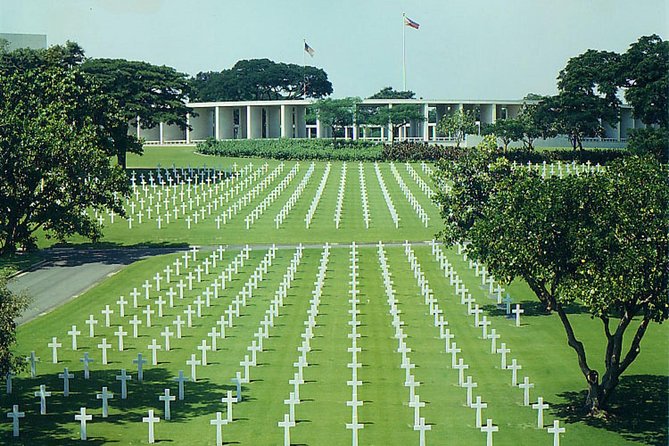
The Manila American Cemetery and Memorial in Fort Bonifacio is one of the most meaningful stops. It contains the largest number of US soldiers killed in World War II of any cemetery in the world, along with Filipino and other Allied service members.
The planned visit is about 15 minutes. That is enough to pause, see the memorial grounds, and hear the basic wartime context, but it is not enough for a long, unhurried study of the site.
This stop works because it gives the later visit to Intramuros a wider frame. Manila’s story is not only Spanish churches and colonial walls. The city was also heavily shaped by the Second World War and the destruction and rebuilding that followed.
I would treat the cemetery as a place for quiet attention rather than a quick photo stop. You may find this is the emotional high point of the morning or afternoon, especially if your interest is military history.
Roxas Boulevard and Rizal Park
The route continues along Roxas Boulevard beside Manila Bay. The road is known for its waterfront promenade, coconut trees, and sunsets, though this tour offers only a passing view rather than a dedicated sunset outing.
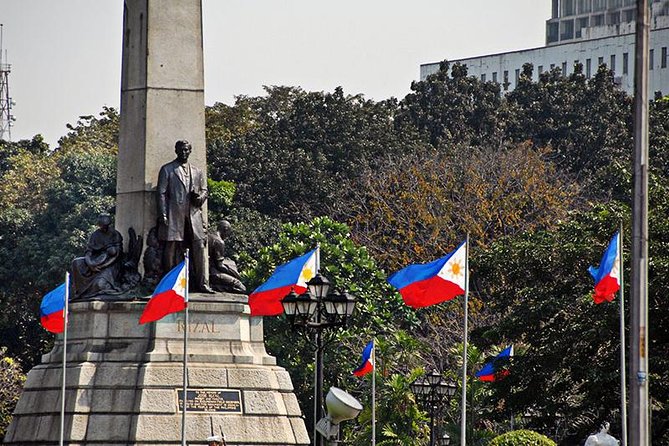
At Rizal Park, also called Luneta, you have about 10 minutes. The key sight is the statue of Dr. José Rizal, the national hero whose writings and execution helped shape Filipino national identity.
Ten minutes is short, but the stop gives your guide a chance to introduce Rizal before you reach Fort Santiago. That connection is important. His story is not presented as an isolated monument visit, but as part of the larger account of Spanish rule and the Philippine struggle for independence.
Do not expect a long walk through the park. This is a brief orientation stop, useful for seeing the monument and understanding why Rizal’s name appears throughout Manila.
Same island, a completely different kind of day:
- Manila Filipino Cooking Class: Meryenda Favorites
★ 5.0 · 80 reviews - Batad Guided Tour
★ 5.0 · 78 reviews - Manila Super Saver: Manila Sightseeing plus Tagaytay Tour with Taal Volcano
★ 4.0 · 75 reviews - PanoramicTagaytay Ridge Tour from Manila
★ 4.0 · 52 reviews
Entering Intramuros through its Spanish-era streets
Intramuros means within the walls, and this old district is the heart of the tour. Spain built it in the late 1500s, and its remaining walls, gates, ruins, churches, and cobbled paths give you a physical sense of colonial Manila.
The scheduled time in Intramuros is about 30 minutes, with additional time at San Agustin Church and Fort Santiago. That makes the visit more substantial than a drive past the district, but still short for an area that rewards slow walking.
This is where comfortable shoes matter. The route includes cobblestones and outdoor walking, and the heat can make even a short stroll tiring. Bring protection from sun or rain, depending on the forecast, and expect the pace to be shaped by the group.
The appeal of Intramuros is its mix of preserved and damaged history. You see old walls and church architecture alongside ruins and reminders of wartime destruction. The district is not a perfectly preserved colonial town, and that is part of its meaning. It shows how Manila’s past has been rebuilt, altered, and remembered.
A guide can make a major difference here. Nori has been described as a walking encyclopedia, while Richard and Frank are also associated with detailed explanations of Philippine history. Stella has been praised for tying the places together with cultural context. Guide assignments change, so the experience will depend partly on who leads your group.
San Agustin Church and its Baroque details
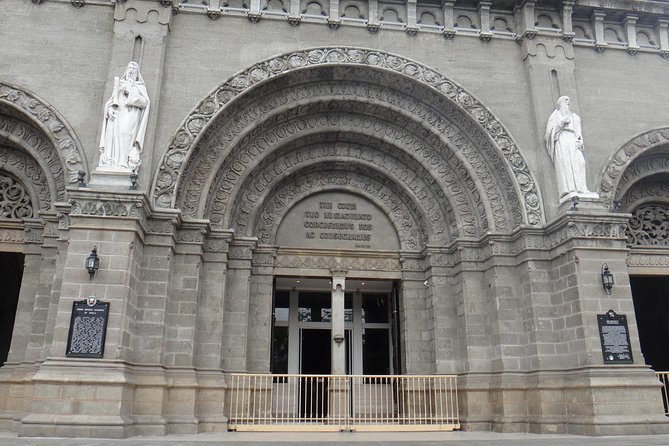
San Agustin Church is one of the country’s oldest churches and a UNESCO World Heritage site. Inside, the Baroque design gives the tour its strongest architectural moment.
The planned visit lasts about 15 minutes, with admission included. That is enough to see the interior and notice the ornate decoration, but not enough for a relaxed study of every detail.
I would listen closely here rather than treating the church as a quick backdrop. The building helps explain the role of Catholicism in Spanish Manila, and its age gives the colonial period a physical presence that a guidebook cannot quite match.
Sunday timing matters. Mass may limit access and photography, so Sunday is not the best choice if entering the church is a priority. Rain can also affect the route, and Fort Santiago has been closed during wet conditions because of flooding.
Fort Santiago and the story of José Rizal
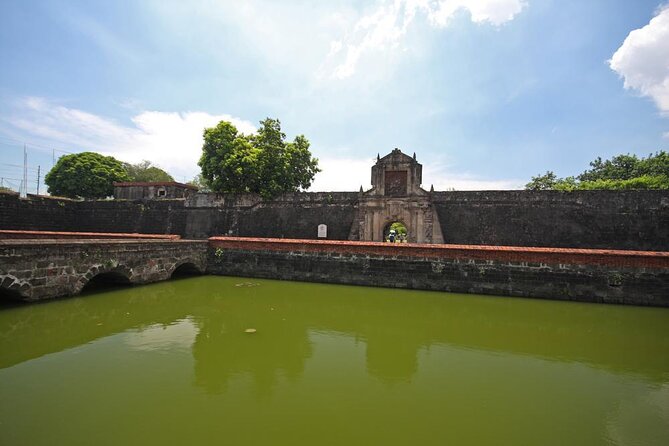
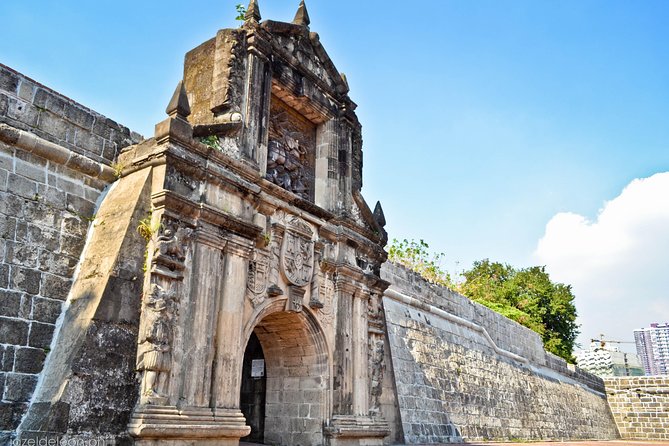
Fort Santiago is the tour’s central historical stop. Built in 1593 by Spanish navigator and governor Miguel López de Legazpi for the newly established city of Manila, it served as a defensive citadel inside Intramuros.
The fort later passed through the hands of successive colonial powers. Its walls and gates tell one part of the story, but the site’s connection to José Rizal gives it a more personal focus.
Rizal was held in a prison at Fort Santiago, wrote his famous poem My Last Farewell, and was executed by the Spanish in 1896. The visit connects a specific place with the wider movement for Filipino independence.
The planned time here is about 20 minutes. That is a useful introduction, but you should not expect to see every corner of the fort or spend a long time reading every display. If Fort Santiago is your main reason for booking, a separate return visit would allow a slower look.
The site can be especially powerful when the guide explains Rizal’s final days rather than simply pointing out the prison. Several guides have been praised for bringing these events to life through stories and historical context. Others have offered less commentary, so it is worth asking questions when you want more detail.
Transport, group size, and the Manila traffic problem
Hotel pickup and drop-off are included for selected hotels, which removes much of the guesswork for a first visit. The vehicle is air-conditioned, an important comfort in Manila’s humidity, though the condition and comfort of the van can vary.
The tour is advertised at about four hours, but you should see that as an estimate. Hotel pickups can take close to an hour before the sightseeing begins, and evening traffic can stretch the return considerably. One outing ran about 90 minutes late, while another lasted around five hours.
This is not a fault you can entirely lay at the operator’s door. Manila traffic is a real factor, but the schedule still matters if you have a flight, dinner reservation, cruise departure, or another paid activity. Keep a generous buffer after the tour.
The maximum group size is 30. Some departures have been nearly private, while others may feel more like a standard minibus excursion. Small groups make the historical stops easier, but the price should be judged on the assumption that a larger group is possible.
Food and drinks are not included. The tour is short enough that this is not a major problem, but you should eat beforehand and carry water.
How the guides shape the experience
This tour relies heavily on the person in the front of the group. The best guides add context during the drives, explain why each site matters, and answer questions about Filipino culture and history.
Nori is frequently associated with energetic, fact-filled commentary. Richard is known for a friendly, thoughtful approach, and Frank has been praised for his command of both past and present Manila. Fernando, Stella, and Marloo have also led strong outings, with Stella particularly noted for her historical context and care with guests.
That does not mean every departure will have the same tone. Some groups have had guides who spoke very little during long drives or left visitors to explore without much explanation. If you want more detail, ask direct questions at the cemetery, church, and fort. A quiet guide can turn this into a series of stops; an engaged guide can make the same route feel like a connected history lesson.
Who will get the most from this tour?
I would recommend it to a first-time visitor with half a day available, especially if you want an organized introduction without arranging several taxis. It suits people who want both modern Makati and historic Manila, and it works well for families because the walking is limited and children from age two can join with an adult.
It is also a good choice for cruise passengers or short-stay visitors who need a broad first look. The included transport is useful when you do not yet understand Manila’s districts or traffic patterns.
I would be more cautious if you dislike fixed schedules, crowded vehicles, or long road journeys. History specialists may find the stops too brief, while independent visitors may get better value by spending a full morning inside Intramuros.
Wear comfortable walking shoes. Pick a dry day if possible, avoid Sunday if church access is important, and do not book a tight connection afterward.
Should you book Manila Old and New?
Book this tour if you want a practical first look at Manila with transport, a guide, and the city’s most important historic stops bundled together. Its best moments are the American Cemetery, San Agustin Church, and Fort Santiago, with the Makati drive providing useful contrast.
At $103, the value depends on your plans. It is reasonable for a guided, hotel-based outing, particularly with a small group and a strong guide. It is expensive for a solo visitor if traffic eats up much of the day or if the commentary is thin.
My advice is simple: choose it for orientation, not depth. Leave open time afterward, ask questions, and accept that Manila traffic is part of the package. If you want a calm, detailed study of Intramuros, book a longer visit instead.
FAQ
How long does the Manila Old and New tour last?
The advertised duration is approximately four hours. Traffic and hotel pickups can make the outing longer, with some departures lasting around five hours or more.
What places are included?
The route includes Makati, Nielson Tower, Forbes Park, the Manila American Cemetery and Memorial, Roxas Boulevard, Rizal Park, Intramuros, San Agustin Church, and Fort Santiago.
Is hotel pickup included?
Hotel pickup and drop-off are included at selected hotels. The stated meeting point is Fairmont Makati City in Metro Manila.
Is transportation air-conditioned?
Yes. Transport is provided in an air-conditioned vehicle.
Is a guide included?
Yes. A local English-speaking guide is included. Guide assignments vary, and names associated with this tour include Nori, Richard, Frank, Fernando, Stella, and Marloo.
How much walking is involved?
The tour includes walking through Intramuros on cobblestone paths, with visits to San Agustin Church and Fort Santiago. Comfortable walking shoes are recommended, but the outing is not described as a heavy walking tour.
Are food and drinks included?
No. Food and drinks are not included.
Can children join the tour?
Yes. Children must be accompanied by an adult, and the minimum age is two years.
What is the cancellation policy?
You can cancel up to 24 hours before the start time for a full refund. Changes or cancellations made less than 24 hours before the start time are not accepted for a refund. If poor weather causes cancellation, you will be offered another date or a full refund.
Just added around Luzon
- Private Airport Transfer Manila to Hotel in Manila or vice versa★ 5.0 · 3 reviews
- Pagsanjan Falls Adventure with Lunch and Rapids Experience★ 4.5 · 3 reviews
- The Jeepney & Tuk Tuk Adventure ride with Local Guide★ 4.5 · 4 reviews
- Manila Food Tour Experience with Local Guide★ 5.0 · 4 reviews
- Angeles City / Clark Airport to La Union (Bauang, San Fernando, San Juan)★ 3.5 · 4 reviews
- Sagada and Banaue Rice Terraces 4-Day Tour★ 5.0 · 4 reviews
- The Oldest Chinatown in Manila with Local Guide★ 5.0 · 4 reviews
- Manila Social and Political Walk★ 5.0 · 4 reviews
Intramuros Walking Tours, compared.

Intramuros, Manila: Historical Bamboo Bike Tour
Read our review →
Experience Intramuros with Bamboo Bicycle – Ecotours
Read our review →
Manila: Intramuros, Chinatown, and Old Manila Half-Day Tour
Read our review →
Manila: Guided Sunset Bamboo Bike Tour in Intramuros
Read our review →
Explore Intramuros: Introduction to Philippine History
Read our review →
Experience Manila’s Heritage: Intramuros & More in Half a Day!
Read our review →Browse the lists this tour appears in