
Reviewed · INTRAMUROS WALKING TOURS
Intramuros & Chinatown Manila Tour – Walking, Food & Culture
Manila makes the most sense when you move through it at street level. This five-hour tour takes you from Quiapo Market to Binondo’s Chinatown and then into Intramuros, linking food, faith, trade, transport, and colonial history in one lively morning.
I like the way the tour mixes several forms of local life instead of keeping you inside a coach. I also like the built-in food tasting and bike ride, which give you a more personal look at Manila than a simple photo stop. The main drawback is that the food may be less consistent than the guiding, and shared dishes may not suit picky eaters.
The tour is led by guides including Mike, Fred, George, Eric, Jen, Erick, and Carmen, depending on the departure. Their role matters here. Manila can feel confusing at first, but a good guide helps you understand what you are seeing instead of merely pointing at it.
Key points to know before booking
- Three very different Manila districts: Move from Quiapo’s market lanes to Binondo’s Chinese-Filipino food culture, then to the stone streets of Intramuros.
- Food is part of the lesson: Expect snacks and Filipino dishes, with shared tasting common in eateries and restaurants.
- Transport adds local color: The tour may include walking, bicycles, and local forms of transport such as ferries, jeepneys, buses, tricycles, or tuk-tuks.
- Intramuros includes a bike ride: Bike rental is included, giving you a practical way to cover more of the old fortified city.
- Five hours with a maximum of 18 people: The group is small enough for questions, but this is still an active group outing.
- Good value for an active introduction: The $62 price includes the guide, food tasting, transport between sites, entrance fees, and bicycle rental.
Why this tour works as a first look at Manila
Manila is not a city that reveals itself in one polished postcard view. It is a place where Catholic churches, Chinese shops, Muslim communities, crowded markets, Spanish walls, modern commerce, and improvised transport sit close together.
That mix is exactly what this tour puts in front of you. In a single morning, you see how the city’s past and present overlap. Quiapo is crowded and sensory. Binondo brings food and commerce to the front. Intramuros slows the pace with stone walls and a long record of occupation, war, and rebuilding.
I especially like the order of the stops. The tour begins with the most immediate experience, a market, then shifts to food and neighborhood connections in Binondo. It finishes in Intramuros, where the older layers of Manila are easier to place.
This is not only a sightseeing route. It is a useful introduction to how Filipinos live, eat, travel, and preserve pieces of the past. The tour also gives you a chance to ask questions as you go, which is valuable in a city where context can be hard to pick up on your own.
More walks through old Manila:
- Manila Old and New: Sightseeing Tour Including Intramuros and Fort Santiago
★ 4.5 · 377 reviews - Manila’s Walled City: Intramuros Walking Tour
★ 5.0 · 82 reviews - Express Bamboo Bike Tour inside Intramuros
★ 4.5 · 66 reviews
Starting at Quiapo Market at 9 a.m.
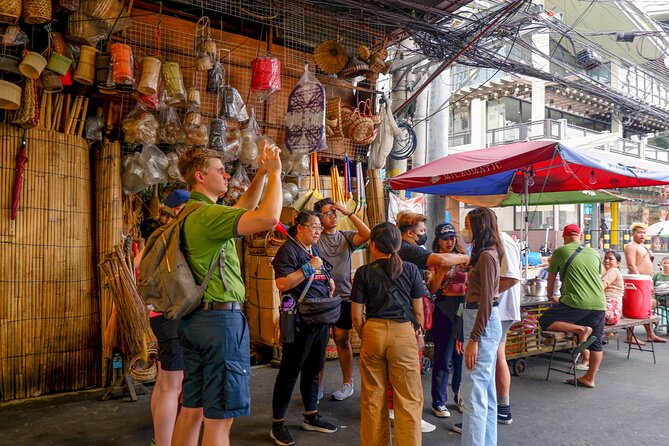
The morning begins at Quinta Market on Carlos Palanca in Quiapo. Quiapo Market is a practical place to start because it gives you Manila in its everyday form rather than presenting a cleaned-up version for tourists.
Allow your senses to do some work here. You may see goods from very different parts of local life placed close together, and the market brings together the common and the scarce, the old and the new, and influences from both East and West.
The food tasting begins here or forms part of the early route. This is not designed as a formal restaurant meal. You will sample local snacks and dishes as you walk, with the guide explaining what you are eating and how food fits into Manila’s culture.
That approach has a clear advantage. Small tastes let you try more than one dish without committing to a full meal. It also keeps the tour moving and puts you in the kind of places where people actually shop and eat.
The tradeoff is comfort. Markets can be crowded, and some food stops may be simple. If you prefer carefully plated meals, this part could feel rough around the edges. Bring an open mind and consider eating a light breakfast first, since the tasting is not described as a complete meal.
Binondo Chinatown and the city’s shared table
The second stop takes about two hours in Binondo, Manila’s Chinatown and one of the tour’s strongest sections. Binondo sits beside Catholic, Chinese, and Muslim communities, making it a useful place to see how different traditions share the same urban space.
Here, food is the main guide. You walk through Chinatown while tasting Filipino cuisine, with the route connecting dishes to the people and cultures that shaped Manila. The point is not to reduce the neighborhood to a list of restaurants. It is to see food as evidence of trade, migration, and daily contact.
Expect shared tasting. Several dishes may be placed before the group so everyone can try a wider range. That is common in the Philippines and across East Asia, but it is worth knowing before you book. If you have dietary restrictions, the available information does not specify substitutions, so you should ask the operator before paying.
The food seems to be strongest when paired with explanation. Guides such as Fred and Eric are praised for making food, fruit, and Philippine culture easy to follow. That can turn an unfamiliar snack into a useful story about the city.
Still, food is the part of the experience with the most variable payoff. One guest rated the guiding and transport very highly but found most of the food only average, aside from the fruit. I would treat the tasting as a cultural sample, not a carefully planned food tour built around top restaurants.
That distinction matters. If your main goal is to eat the best dishes in Manila, this may not be the right choice. If you want to try several foods while walking through a historic commercial district, the format makes good sense.
Getting around Manila by local transport
Transportation is one of the tour’s most memorable features. The package includes transport between sites, and past outings have included combinations of ferry, bicycle, jeepney, bus, tricycle, and tuk-tuk. The exact mix may depend on the day’s route and conditions, so you should see these as possible parts of the outing rather than a guaranteed checklist.
I like this design because transport becomes part of the cultural experience. A standard vehicle gets you from one attraction to another. A jeepney, ferry, tricycle, or similar local ride gives you a closer look at how Manila connects its neighborhoods.
It also breaks up the walking. Five hours in Manila’s heat can be tiring, and transport gives your legs occasional relief. At the same time, the outing remains active, with walking and cycling included.
The tour requires a moderate level of physical fitness. You should be ready for market streets, neighborhood walking, bike riding, and changes in transport. Wear practical shoes, bring sun protection, and carry water. Bottled water is not included, and neither are soft drinks, coffee, tea, or alcohol.
The small maximum of 18 people is helpful. It should make it easier to hear the guide and stay together than on a large coach tour, though the busiest streets can still make the group feel spread out.
More food tours in Luzon:
- Makati Street Food Experience end with a Rooftop Bar
★ 5.0 · 33 reviews - Manila Chinatown Food Tour Experience
★ 5.0 · 20 reviews - Makati Street Food tour Experience
★ 5.0 · 16 reviews - Binondo Bites Manila Food Tour with 15+ Tastings
★ 5.0 · 5 reviews
Cycling through Intramuros
The final two hours take place in Intramuros, Manila’s old fortified city. This is where the tour changes mood. After the market and food-focused streets, you move into an area where walls, narrow lanes, and surviving structures point to Manila’s earlier chapters.
Intramuros covers a long span of Philippine history, from the 9th century through 1946. Its story includes centuries of foreign occupation and the destruction caused by World War Two. The district suffered heavy damage, but its streets and remaining buildings still give you a sense of the city that once stood here.
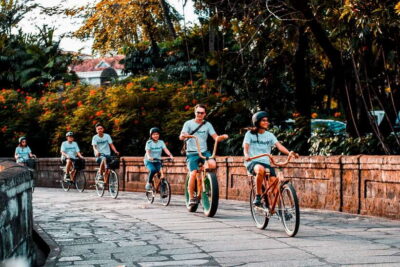
The included bicycle rental is a smart feature. Intramuros is compact enough to explore on two wheels, but large enough that cycling helps you see more within the allotted time. A bike also changes the pace. You are not simply following a guide from one landmark to the next. You can notice street details, walls, courtyards, and the contrast between restored areas and damaged or rebuilt sections.
A guide adds real value here. Without context, Intramuros can look like an attractive old quarter. With explanation, the walls become part of a longer story about Manila’s position in the region, its changing rulers, and the impact of war.
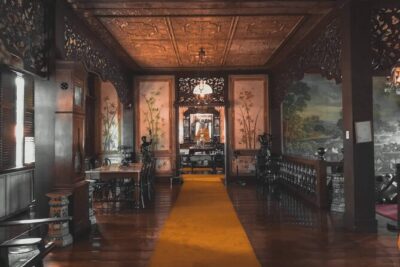
The route ends at Casa Manila in the Plaza San Luis complex on General Luna Street. That is useful if you plan to continue exploring Intramuros afterward. It also means the tour does not return you to the starting point, so plan your next stop from the Intramuros side of the city.
What the $62 price really includes
At $62 per person, the tour is not the cheapest way to walk around Manila. Its value comes from combining several services in one half-day: a guide, snacks and food tasting, transport between locations, entrance fees, and bike rental.
That bundle can save you planning time. You do not need to work out how to connect Quiapo, Binondo, and Intramuros, decide where to taste food, rent a bicycle, or arrange transport between districts.
The price is easier to justify if you want an active introduction and are interested in local life, not only major monuments. It is less compelling if you would rather explore at your own pace, eat a full meal, or spend several hours inside Intramuros alone.
Group discounts are available, though the details are not provided. The group limit of 18 keeps the experience from becoming a large bus outing, but it is still a shared tour rather than a private guide.
Entrance fees are included, which keeps the final cost clearer. Drinks are not included, so budget for bottled water and any coffee, soda, or other beverages you want during the morning.
Guides make the difference
The strongest part of this experience is the guiding. Mike is praised for explaining both the food and Intramuros. Fred is noted for making the day fun and offering useful ideas for later, including a heritage dinner and a rooftop bar at Bayleaf Hotel.
George and his coworkers bring attention to Philippine history and the country’s long period of occupation. Jen is associated with the bike ride and storytelling in the old town. Erick and Carmen have also led tours that included several local transport modes.
The names matter less than the pattern. This experience works best when the guide links ordinary details to larger ideas. A fruit, a market stall, a jeepney ride, or a damaged wall can all become part of the story of Manila.
Guide quality can vary from one departure to another, as it can on any group tour. Still, the consistently strong marks for explanation and organization suggest that the guide is not just there to lead the way.
Who should book this Manila tour?
I would choose this for a first visit to Manila, especially if you have one free morning and want more than a standard city drive. It suits you if you enjoy walking, trying unfamiliar foods, asking questions, and using local transport.
It is also a good fit if you have lived in Manila before but have not explored these districts closely. One experienced visitor found that the route reached places they had never seen, which says something about the value of having a local guide and a planned route.
Families with older children may like the mix of bikes, food, and transport. The moderate fitness requirement means it is not ideal for anyone who finds extended walking or cycling difficult.
I would hesitate if you want a slow, private experience, a guaranteed restaurant meal, or a food tour centered on premium dishes. The pace is active, the group can include up to 18 people, and the food is intended for tasting and sharing.
The tour starts at 9 a.m. at Quinta Market and ends about five hours later at Casa Manila. Confirmation is provided when you book, and the meeting area is near public transportation. Free cancellation is available until 24 hours before the start time. The tour may be rescheduled or refunded if poor weather or an insufficient minimum group prevents departure.
Should you book it?
Book this tour if you want Manila explained through its streets, food, transport, and surviving historic places. The best reasons are the three-part route, the varied travel methods, the included bike ride, and guides who can connect everyday scenes with Philippine history.
Go in expecting a cultural tasting rather than a full food feast. Bring water, wear comfortable shoes, prepare for heat and active walking, and keep your schedule open after the tour in Intramuros.
For $62, it offers a practical way to see several sides of Manila in five hours. It is not polished at every food stop, but it gives you something more useful than a string of monuments: a sense of how the city works.
FAQ
How long does the Intramuros and Chinatown Manila tour last?
The experience lasts approximately five hours.
What time does the tour start?
The tour starts at 9 a.m.
Where does the tour begin?
The meeting point is Quinta Market at Carlos Palanca, Quiapo, Manila, 1001 Metro Manila, Philippines.
Where does the tour end?
The tour ends at Casa Manila in the Plaza San Luis complex on General Luna Street, Intramuros, Manila, 1002 Metro Manila, Philippines.
Which places are included?
The route includes Quiapo Market, Binondo Chinatown, and Intramuros.
Is food included?
Yes. Snacks and food tasting are included.
Are drinks included?
No. Bottled water, soda, coffee, tea, and alcoholic beverages are not included.
Is bicycle rental included?
Yes. Bike rental is included in the tour.
How many people can join the tour?
The maximum group size is 18 people.
Can I cancel for a full refund?
Yes. You can cancel at least 24 hours before the start time for a full refund. Changes or cancellations made less than 24 hours before the start time are not accepted for a refund.
More Walking Tours in Luzon
- Manila Intramuros Walking tour with Local Tour Guide
★ 5.0 · 33 reviews - Manila: Binondo Walking Tour ( Oldest Chinatown )
★ 5.0 · 30 reviews - Manila Old & New City Walking Tour With A Guide
★ 4.0 · 9 reviews - A Step Back in Time: Intramuros Walking Tour
★ 5.0 · 7 reviews
Just added around Luzon
- Private Airport Transfer Manila to Hotel in Manila or vice versa★ 5.0 · 3 reviews
- Pagsanjan Falls Adventure with Lunch and Rapids Experience★ 4.5 · 3 reviews
- The Jeepney & Tuk Tuk Adventure ride with Local Guide★ 4.5 · 4 reviews
- Manila Food Tour Experience with Local Guide★ 5.0 · 4 reviews
- Angeles City / Clark Airport to La Union (Bauang, San Fernando, San Juan)★ 3.5 · 4 reviews
- Sagada and Banaue Rice Terraces 4-Day Tour★ 5.0 · 4 reviews
- The Oldest Chinatown in Manila with Local Guide★ 5.0 · 4 reviews
- Manila Social and Political Walk★ 5.0 · 4 reviews
Intramuros Walking Tours, compared.
Intramuros, Manila: Historical Bamboo Bike Tour
Read our review →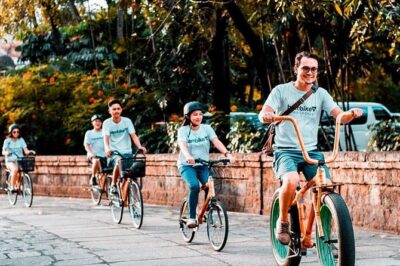
Experience Intramuros with Bamboo Bicycle – Ecotours
Read our review →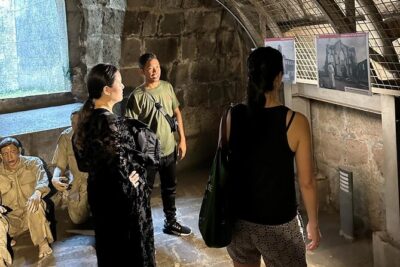
Manila: Intramuros, Chinatown, and Old Manila Half-Day Tour
Read our review →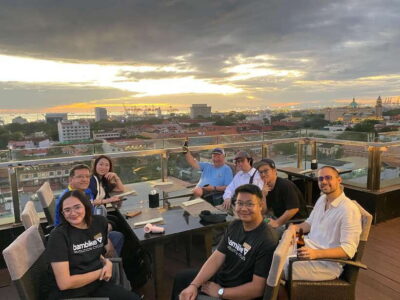
Manila: Guided Sunset Bamboo Bike Tour in Intramuros
Read our review →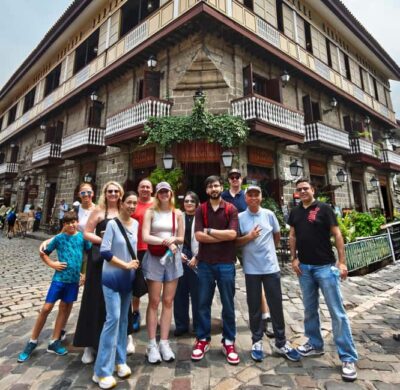
Explore Intramuros: Introduction to Philippine History
Read our review →
Experience Manila’s Heritage: Intramuros & More in Half a Day!
Read our review →Browse the lists this tour appears in