
Reviewed · FOOD & DRINK
Manila Chinatown Food Tour Experience
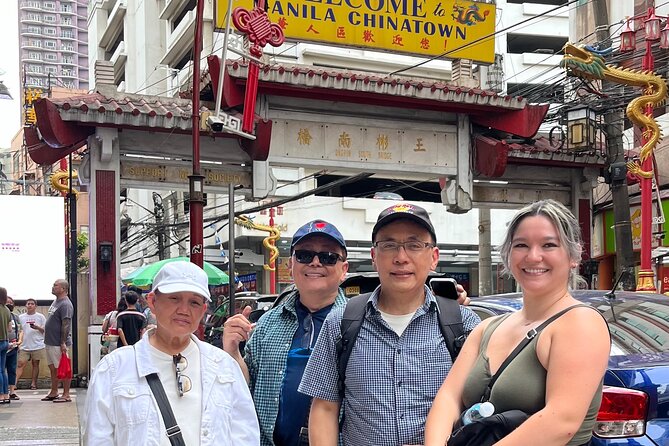
Manila’s Binondo Chinatown is best understood one bite at a time. On this two-hour walk, you move through narrow streets, food stalls, markets, and Chinese shops while sampling 7 to 10 different items. The food is the hook, but the setting gives the tour its real character: old Chinese traditions meeting everyday Manila life.
I like the generous number of tastings, and I like that guides such as Mara, Tessie, and Mari explain the food alongside the area’s culture and history. The main consideration is pace: two hours is short for a district this busy, so this is a focused introduction rather than a full exploration of Binondo.
Key points at a glance
- Seven to 10 food samples: Expect enough small tastings to make this a substantial snack-based meal.
- Chinese and Filipino-Chinese flavors: The route covers classic Chinese food alongside local dishes shaped by Manila’s Chinese community.
- Guides who explain what you are eating: Mara, Tessie, and Mari have led tours that combine food, history, and local customs.
- A practical way to handle Binondo: Your guide helps you choose what to eat in a crowded district filled with competing options.
- Short local transport ride: Jeepney or tuk-tuk transport is included as part of the experience.
- Small maximum group: The tour accepts up to 15 people, with group discounts available.
Why Binondo works so well for a food tour
Binondo is described as the oldest Chinatown in the world, and its appeal comes from the way history remains part of ordinary street life. You are not visiting a quiet museum district. You are walking through a working neighborhood with food stalls, shops, markets, Chinese souvenirs, gold sellers, and constant movement.
That setting can be exciting, but it can also be confusing on your own. Food choices appear at every turn, and a first-time visitor may not know which stall to try, what to order, or how much food is enough. A local guide gives the visit some shape. Instead of wandering until you are full or lost, you follow a route built around tasting and explanation.
I especially like the mix of Chinese and Filipino-Chinese food. This is not presented as a narrow tour of one cuisine. It gives you a chance to notice how Chinese cooking and local Manila tastes meet in the same neighborhood.
The experience also gives you a look at Binondo beyond restaurants. The walking route includes places to buy Chinese souvenirs, followed by a walk toward gold stalls. Those stops may not appeal as much as the food, but they help show how the district serves both daily local needs and visitors looking for gifts.
More food tours in Luzon:
- Makati Street Food Experience end with a Rooftop Bar
★ 5.0 · 33 reviews - Intramuros & Chinatown Manila Tour – Walking, Food & Culture
★ 4.5 · 32 reviews - Makati Street Food tour Experience
★ 5.0 · 16 reviews
Meeting at 1919 Grand Cafe on Juan Luna Street
The tour begins at 1919 Grand Cafe, 117 Juan Luna Street, Binondo, Manila, 1006 Metro Manila. This fixed meeting point makes the start easier than trying to find a guide somewhere in a crowded lane.
You receive confirmation when you book, and the experience uses a mobile ticket. Keep the meeting details easy to reach on your phone, especially if you are arriving in an unfamiliar part of Manila.
The tour ends back at the same meeting point. That matters for planning: you do not need to arrange a separate pickup at the end, and you can leave your larger sightseeing plans open for afterward.
The stated duration is about two hours. That is long enough for a useful first taste of Binondo, but not long enough to cover every street or pause at length at each stop. I would treat it as an orientation with a hearty food component, not as an all-day Chinatown visit.
Walking through food stalls and old streets
The main stop is a walk through Chinatown’s food stalls and Chinese shops. You sample at least seven and up to ten different dishes or snacks, depending on the route and the day.
The appeal is variety. Rather than ordering one large meal at one restaurant, you get a series of smaller tastes. That lets you compare textures, flavors, and cooking styles without committing your entire appetite to a single dish.
The food details are not fixed in the information provided, so you should not expect a guaranteed menu. That is normal for a street-food route, where availability can change. The guide can explain what is being served and help you understand the place of each item in the local food scene.
Guides including Mara, Tessie, and Mari are specifically associated with the experience. Their role goes beyond handing you food. You can expect explanations about the dishes, the neighborhood, Chinese culture, and Manila’s past. Mari, in particular, is described as taking the group to six different spots and explaining each stop and the food served there.
That kind of running commentary is valuable in Binondo. A dish that looks unfamiliar becomes easier to appreciate when you know what it is, how it connects to the neighborhood, or why locals seek it out. It also removes some of the hesitation that comes with ordering at a busy stall where there may be little English explanation.
What seven to 10 tastings really means
Come hungry. The operator specifically advises it, and the number of tastings makes that good advice. These are described as snacks and small food items, but seven to ten samples can add up to a considerable meal.
You should also tell the operator about dietary restrictions before the tour or at the start. The experience can be customized around those needs, but the information does not promise that every restriction can be accommodated at every stop. Early notice gives the guide the best chance to adjust the route or food choices.
The generous tasting count is one of the strongest parts of the price. At $65 per person, you are paying for more than food. The cost also covers a local guide, bottled water, local transport by jeepney or tuk-tuk, a photo opportunity, and the planning needed to move a group through Binondo.
Still, value depends on your appetite and interest. If you mainly want one inexpensive Chinatown meal, $65 may feel high. If you want a guided introduction, several tastings, cultural context, and help choosing places in a confusing district, the price makes more sense.
Same island, a completely different kind of day:
- Manila Old and New: Sightseeing Tour Including Intramuros and Fort Santiago
★ 4.5 · 377 reviews - Manila’s Walled City: Intramuros Walking Tour
★ 5.0 · 82 reviews - Manila Filipino Cooking Class: Meryenda Favorites
★ 5.0 · 80 reviews - Batad Guided Tour
★ 5.0 · 78 reviews
Chinese food, Filipino food, and local context
The tour includes both Chinese and Filipino dishes. That is important because Binondo is not simply a replica of a Chinatown elsewhere. Its food culture has developed within Manila, and the experience presents the district as a meeting point between Chinese traditions and local life.
Your guide’s explanations help connect the plate to the place. The tour’s strongest praised feature is not a single dish. It is the way the food, history, and culture are brought together. Mara is noted for explaining the area as well as the food, while Tessie is associated with helping people make sense of a district that can feel overwhelming at first.
I would pay attention to the comparisons your guide makes. Even when the menu changes, the bigger lesson remains useful: food can show how communities preserve traditions while adapting to the city around them.
The tour also gives you a chance to ask questions as you go. That is one advantage over a self-guided walk. You do not have to guess what a dish is, why a shop matters, or which direction to take next.
Souvenirs, gold stalls, and the wider Binondo scene
After the food-focused portion, the route includes Chinese souvenir shopping and a walk toward gold stalls. These stops broaden the experience beyond eating.
You might find Chinese decorations, gifts, or other small items that reflect the area’s cultural identity. The gold stalls offer a different view of Binondo, showing the commercial side of the district and the range of businesses packed into its streets.
Do not expect a long shopping session. The tour lasts about two hours, and food is the main purpose. Think of these stops as brief cultural and commercial snapshots rather than dedicated retail visits.
They are useful because they prevent the tour from becoming a string of disconnected snacks. You see how food sits within the larger neighborhood, alongside shops and trade. That makes the walk feel more like a visit to a living district and less like a restaurant crawl.
Jeepney or tuk-tuk transport during the route
Local transportation by jeepney or tuk-tuk is included. The exact vehicle may vary, but either option adds a distinctly local element to the outing.
It also helps break up the walking. Binondo’s streets can be crowded, and a short ride can make it easier to cover more ground within the two-hour schedule. At the same time, you should be comfortable with an urban route that includes walking, close street activity, and local transport.
The information says most people can participate, but it does not provide a detailed accessibility description. If you have mobility concerns or need a particular vehicle arrangement, contact MstarToursPh before booking. That is especially sensible because the experience uses narrow streets and food-stall areas rather than one fully controlled venue.
Group size, guide style, and the human side
The maximum group size is 15 people. That is small enough to keep the guide’s explanations within reach, though it is not a private tour. A larger group may take longer to move between stalls, particularly in crowded areas.
The guide makes a major difference here. Food tours depend on clear explanations, good pacing, and the ability to adjust when a stall is busy or a dish is unavailable. The named guides connected with this experience, Mara, Tessie, and Mari, are praised for being kind, friendly, and informed about both food and local history.
You can also arrange private tours and full-day tours through the provider. Those options are separate from this two-hour group experience, so ask about them directly if you want more time in Binondo or a route built around your interests.
For a first visit, I prefer the shorter format. Two hours keeps the tour manageable and leaves time for your own meal, shopping, or sightseeing. If you want a slower study of the neighborhood, the full-day or private option may fit better.
Weather, cancellation, and planning details
The experience requires good weather. If poor weather causes a cancellation, you are offered another date or a full refund.
You can cancel for a full refund if you do so at least 24 hours before the scheduled start time. Changes or cancellations made less than 24 hours before the start are not accepted for a refund, and the cut-off follows local time.
Plan your morning or afternoon around the fixed meeting point and the two-hour duration. Since the tour returns to 1919 Grand Cafe, it is easy to continue with other plans nearby, provided you leave enough time for the walk back and any changes in pace.
Bring an appetite and tell the operator about dietary restrictions early. Those two steps will do more for your enjoyment than trying to research every possible dish in advance.
Who should book this Binondo food walk
I would recommend this experience to you if you want a quick, guided introduction to Manila’s Chinatown and prefer sampling many things to sitting down for one long meal.
It is especially useful for first-time visitors who may feel unsure about food stalls, local transport, and the district’s many choices. The guide’s help with ordering and orientation is a real part of the value.
Families can also find the format appealing, since the tastings create variety and the route includes more than food. Group discounts may help if several people are booking together, though the exact discount is not specified.
Food-focused visitors who want a full day of eating may find two hours too brief. The same is true if you want detailed shopping time or a slow architectural walk. This tour gives you a strong sample, not an exhaustive account of Binondo.
Should you book it?
Book this tour if you want many small tastes plus local explanation in a short, organized visit. At $65, the price is easier to justify when you count seven to ten food items, bottled water, a guide, local transport, and the time saved by not having to choose every stop yourself.
Skip it if you only want the cheapest possible meal or prefer to explore entirely alone. For most first-time visitors, though, Binondo’s size, street activity, and wide food choice make a guide useful. I would book it early, arrive ready to eat, and tell MstarToursPh about dietary needs before the start.
FAQ
Where does the Manila Chinatown food tour start?
The tour starts at 1919 Grand Cafe, 117 Juan Luna Street, Binondo, Manila, 1006 Metro Manila, Philippines.
Where does the tour end?
The activity ends back at the meeting point at 1919 Grand Cafe.
How long does the tour last?
The tour lasts approximately two hours.
How many food items are included?
The experience includes snacks and tastings of at least seven and up to ten different items.
Is bottled water included?
Yes. Bottled water is included.
Is transportation included?
Yes. Local transportation by jeepney or tuk-tuk is included.
How many people can join the tour?
The maximum group size is 15 people. Group discounts are available.
Can I cancel for a full refund?
Yes. You can cancel at least 24 hours before the start time for a full refund. Cancellations made less than 24 hours before the start are not refunded.
Just added around Luzon
- Private Airport Transfer Manila to Hotel in Manila or vice versa★ 5.0 · 3 reviews
- Pagsanjan Falls Adventure with Lunch and Rapids Experience★ 4.5 · 3 reviews
- The Jeepney & Tuk Tuk Adventure ride with Local Guide★ 4.5 · 4 reviews
- Manila Food Tour Experience with Local Guide★ 5.0 · 4 reviews
- Angeles City / Clark Airport to La Union (Bauang, San Fernando, San Juan)★ 3.5 · 4 reviews
- Sagada and Banaue Rice Terraces 4-Day Tour★ 5.0 · 4 reviews
- The Oldest Chinatown in Manila with Local Guide★ 5.0 · 4 reviews
- Manila Social and Political Walk★ 5.0 · 4 reviews
Food & Drink, compared.
Manila Food Tour: Introduction to Philippine Street Food
Read our review →
Boracay Sunset Cruise with Party DJ & Unlimited Food and Drinks
Read our review →
Manila Food Tour: Explore World’s Oldest Chinatown
Read our review →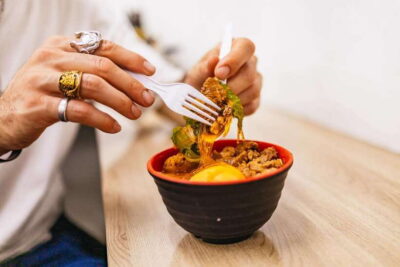
Manila: Street Food and Drinks Walking Tour with Tastings
Read our review →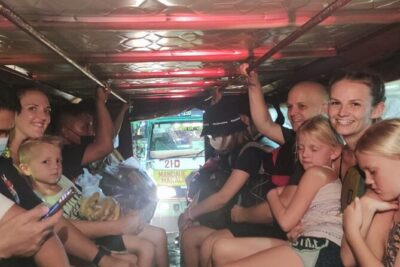
The Original Cebu City Historical and Food Walking Tour
Read our review →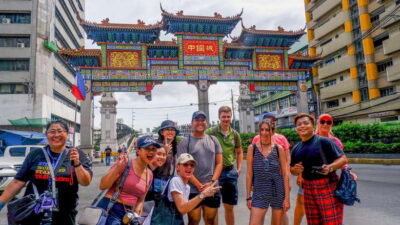
Manila: Sightseeing and Food Walking Tour with Tastings
Read our review →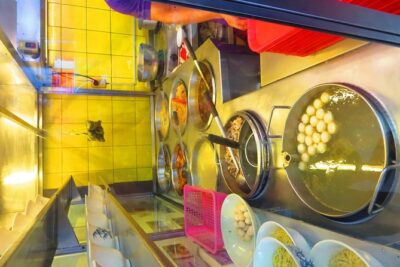
Manila’s Culinary Expedition: The Ultimate Food and Market Tour
Read our review →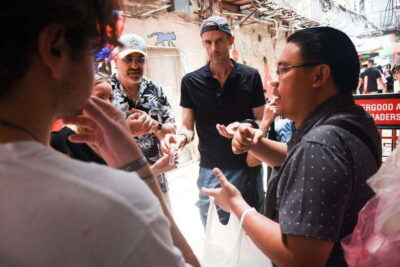
Manila: Guided Food Tour of Binondo with Tastings
Read our review →Browse the lists this tour appears in