
Reviewed · WALKING TOURS
Manila Social and Political Walk
Manila’s polished towers and hard social questions share the same street on this evening walk. Starting in upscale Makati and moving through Poblacion, the Pasig River, and Mandaluyong, the experience uses the city itself as a visual guide to the Philippines’ political and social story.
I like the documentary-style storytelling, which goes well beyond the standard list of monuments. I also like the chance to see places such as the Pasig River and Poblacion while discussing issues that ordinary sightseeing often skips. The main consideration is that this is an information-heavy walk, not a relaxed city stroll, and the subject matter may feel demanding for anyone looking only for food, architecture, or nightlife.
Key points at a glance
- Six stops in 2.5 hours: The route links Rockwell Center, Century City, P Burgos Street, Poblacion, the Pasig River, and Mandaluyong.
- Guide Alex leads the experience: Expect a personal, analytical presentation focused on Manila and the Philippines.
- Politics is central: The walk traces the creation of the Filipino state and connects past events with current issues.
- Modern contrasts are part of the route: Luxury residences, business districts, nightlife streets, and the Pasig River all appear in one evening.
- A small-group format helps: The maximum group size is 30 people, so the walk has room for questions without being entirely private.
- The starting point is simple: Meet at Starbucks One Rockwell at 6 pm and return there at the end.
A different way to read Manila
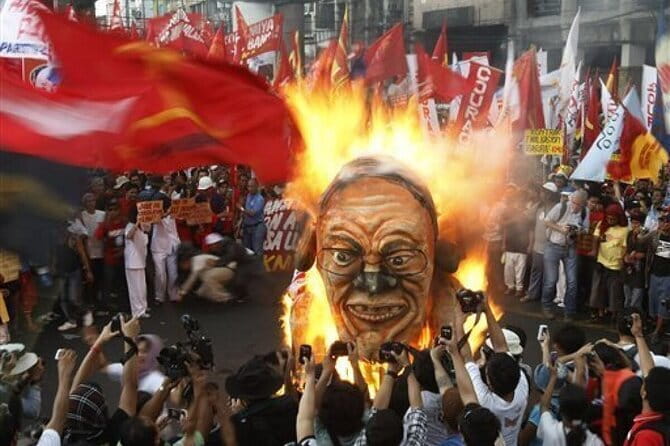
Many Manila tours focus on churches, Spanish colonial buildings, food, or shopping. This one asks you to look at the city as evidence of how the Philippines works. A luxury tower, an entertainment district, and a polluted river are not random sights here. They become part of a discussion about money, power, class, development, and national identity.
The walk is designed to feel more like a documentary than a standard guided outing. That means you should expect sustained explanation and questions that may not have tidy answers. The aim is not to tell you what to think about the Philippines. Instead, you get historical and current material, then make your own judgment.
That approach is useful if you already know a little about the country and want to test your assumptions. It also works if you are arriving with only the usual postcard image of tropical beaches and want a clearer view of the society behind it.
The guide listed for this experience is Alex, who brings particular attention to Manila and the pressures faced by its people. The walk is presented with energy and personal conviction, but it is intended to remain balanced rather than partisan. That distinction matters when a tour discusses politics.
More walking tours in Luzon:
- Manila’s Walled City: Intramuros Walking Tour
★ 5.0 · 82 reviews - Manila Intramuros Walking tour with Local Tour Guide
★ 5.0 · 33 reviews - Intramuros & Chinatown Manila Tour – Walking, Food & Culture
★ 4.5 · 32 reviews
Starting at Rockwell Center at 6 pm
You meet at Starbucks One Rockwell in Rockwell Center. The timing is practical. A 6 pm start avoids the hottest part of the day and puts the city into its evening rhythm, though Manila’s weather can still affect the walk.
Rockwell Center introduces you to one of Makati’s polished, high-income districts. It is a useful opening because it sets up the social contrasts that shape the rest of the route. You begin among modern buildings, planned urban spaces, and an affluent side of Metro Manila.
The stop lasts about 15 minutes. That is enough for an explanation and orientation, but not enough for a long architectural tour or independent exploration. You should think of the stop as a visual case study, not a sightseeing break.
This first section also establishes the tone. The experience is interested in why the city looks the way it does, who benefits from development, and how different parts of Manila relate to one another. I like that the tour begins with a real neighborhood rather than a general introduction delivered in a hotel lobby.
Century City and the symbolism of luxury
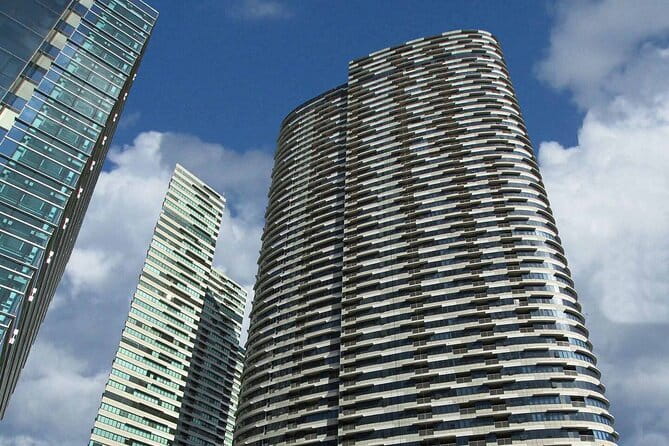
The next stop is Trump Tower at Century City, another 15-minute pause. The building is presented as a luxury residential tower and a symbol of opulence in Manila.
You will not be spending time inside the residence or taking part in a property tour. Its role is more pointed. The tower helps frame a discussion about wealth, international branding, aspiration, and the sharp differences found within Metro Manila.
This is one of the more interesting features of the route because the building carries a name recognized around the world, while the surrounding social questions are distinctly Filipino. The stop encourages you to consider how global brands and local politics meet in the city.
There is also a practical limit. If you prefer detailed information about skyscraper design, engineering, or real estate, this stop may feel brief. Its value comes from the discussion around the building, not from a long list of construction facts.
P Burgos Street after dark
P Burgos Street brings a different side of Makati. The street is known for restaurants, bars, and nightlife establishments, and the 15-minute visit shifts the focus from high-end residential development to public entertainment and evening commerce.
This is a good point in the walk to consider how a city presents itself after working hours. P Burgos Street is social, commercial, and visible, but it also raises questions about who uses these spaces and how nightlife fits into a capital city with wide income gaps.
The route does not promise a meal, a bar stop, or time to shop. If you want an evening built around cocktails and restaurants, you will need to make separate plans. The benefit is that you can observe the area without the tour turning into a pub crawl.
I would wear comfortable shoes and keep your attention on the guide. The stop is short, and the route has several changes of setting. The supplied details do not specify the exact walking distance between stops, so you should allow for steady movement rather than treating this as a series of fully separate visits.
Same island, a completely different kind of day:
- Manila Old and New: Sightseeing Tour Including Intramuros and Fort Santiago
★ 4.5 · 377 reviews - Manila Filipino Cooking Class: Meryenda Favorites
★ 5.0 · 80 reviews - Batad Guided Tour
★ 5.0 · 78 reviews - Manila Super Saver: Manila Sightseeing plus Tagaytay Tour with Taal Volcano
★ 4.0 · 75 reviews
Poblacion, where old and new Manila meet
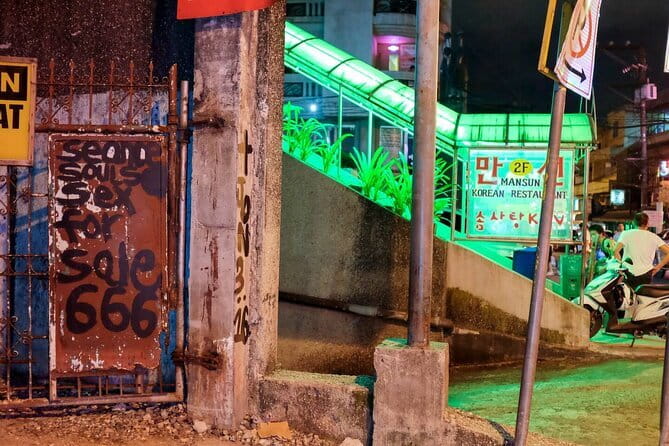
Poblacion adds another layer. The neighborhood combines older urban character with cafes, street art, restaurants, and nightlife. It is a strong setting for a conversation about change because it does not fit neatly into one category.
Poblacion can be read as a place where local life, creative businesses, tourism, and redevelopment overlap. The walk uses that mix to examine how neighborhoods change and how Manila’s newer image sits alongside older ways of living.
Again, the 15-minute timing keeps the tour moving. You may get a useful overview, but you should not expect a detailed art walk or a full neighborhood tour. The strength is the connection between the physical setting and the wider political discussion.
I like this stop because it makes the conversation less abstract. Political ideas can feel remote when they are presented as dates and institutions. In Poblacion, the questions are attached to streets, businesses, public space, and the visible pace of urban change.
The Pasig River and Manila’s difficult legacy
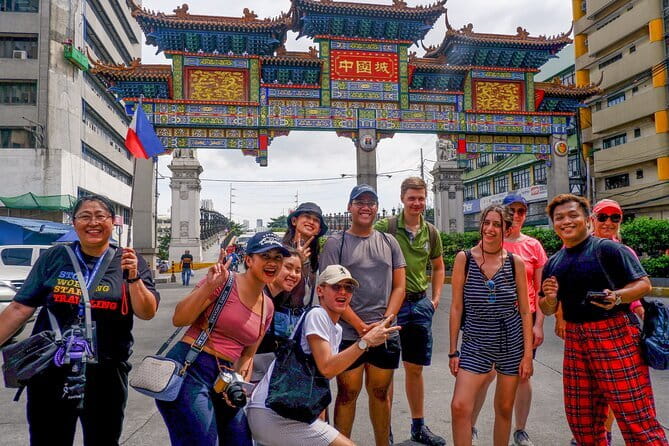
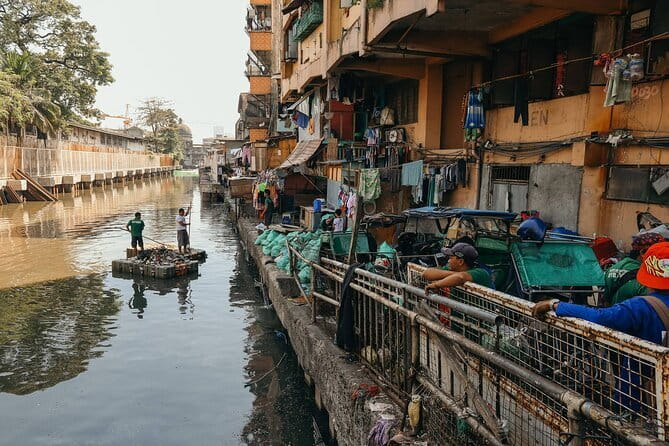
The Pasig River is likely to be the most sobering stop. It once served as an important route for trade and transport, but it has also suffered from pollution and neglect. Its condition reflects both Manila’s past importance and the problems created by rapid urban growth.
The river gives the guide a chance to discuss environmental policy, public responsibility, infrastructure, and the gap between national ambition and daily reality. It also reminds you that Manila is not only a collection of new towers and lively districts.
This section may have the greatest emotional weight. The tour does not hide the country’s problems behind its beaches and bright travel images. Instead, it asks you to consider how ordinary people experience development, government decisions, and environmental decline.
The stop lasts about 15 minutes, so the experience is not an extended riverfront study. Still, the choice of the Pasig River is telling. It brings the social and political themes into one physical place, where history, commerce, public health, and city planning overlap.
Mandaluyong and the final urban contrast
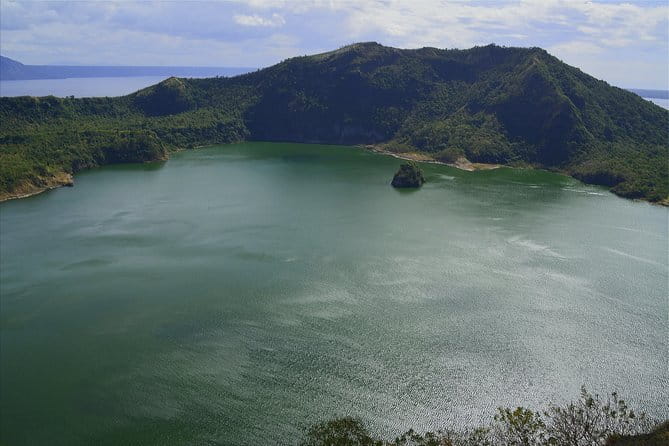
The route continues into Mandaluyong, a city within Metro Manila known for its business activity, tall buildings, and busy urban character. This stop broadens the view beyond Makati’s polished districts.
Mandaluyong helps show that Metro Manila is not one uniform city. Different local governments, business centers, residential areas, and communities sit close together, yet they can offer very different daily experiences. That makes the stop useful for understanding the capital as a group of connected cities rather than a single simple destination.
The tour ends back at Starbucks One Rockwell. Returning to the starting point keeps the logistics easy, especially if you are staying or meeting friends in the Makati area. The total time is about two hours and 30 minutes, with each named stop allocated roughly 15 minutes.
Because the tour ends where it begins, you can make dinner plans afterward without arranging a separate ride from an unfamiliar district. The start and end point also make the experience easier to fit into an evening schedule.
What the documentary format means for you
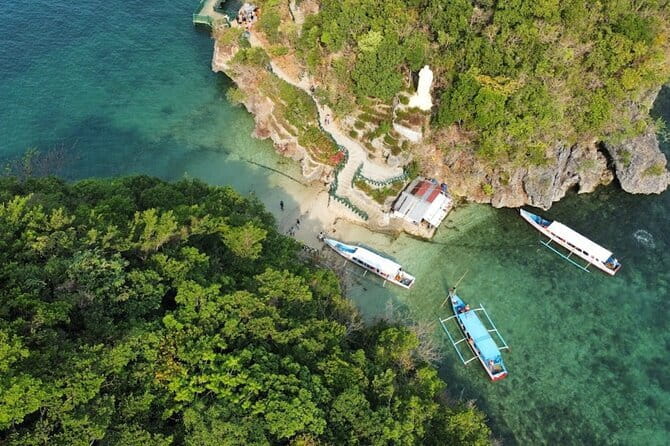
The central appeal is the amount of interpretation. Alex does not simply identify buildings and move on. The walk connects the creation of the Filipino state with modern political and social conditions, using the streets as prompts for discussion.
That makes this a strong choice for someone with a genuine interest in politics, current events, or social research. You will get more from it if you are willing to listen carefully, ask questions, and sit with complicated subjects.
It is less suitable if you want a light introduction to Manila. The tour is not built around famous sights, shopping, food tasting, or entertainment. Its purpose is to challenge the easy version of the country as a paradise of clear water and sunshine.
The tone is meant to be balanced and nonpartisan. That does not mean every topic will feel neutral or comfortable. A balanced discussion can still make you question your own views. For me, that is part of the value, but it is worth knowing before you book.
Is $45.75 a fair price?
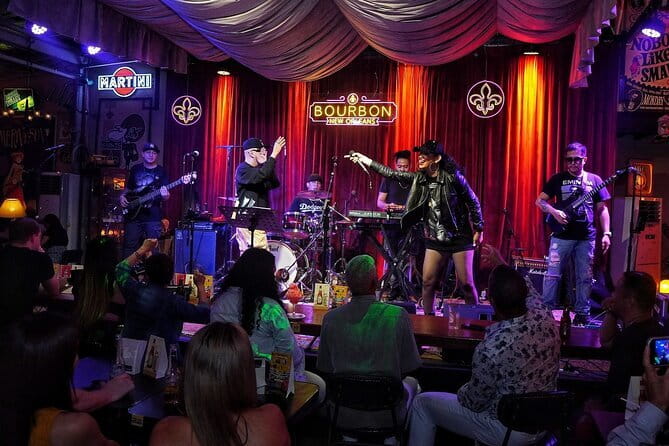
At $45.75 per person, this costs more than a basic walk through a neighborhood. The value depends on what you want from a guide.
You are paying for a focused two-and-a-half-hour explanation of Manila’s social and political life, not for admission tickets. All six stops are public places with no entry fee, so the price rests mainly on the guide’s preparation, route design, and ability to connect the locations into one clear story.
If you would otherwise spend an afternoon reading about Philippine politics, urban development, and Manila’s social contrasts, this walk can provide a useful starting point in a compact format. It also takes you to areas you might not choose on your own, including parts of Makati, Poblacion, the river corridor, and Mandaluyong.
The price is harder to justify if you want entertainment or a broad sightseeing checklist. You will not visit a museum, enter a landmark, or receive a meal. This is an experience for ideas and observation.
The average booking lead time is five days, so I would not assume you can always arrange it at the last moment. Since the group can reach 30 people, the experience may not feel intimate on a full departure. The mobile ticket is convenient, and confirmation is provided at booking.
Weather, pace, and practical expectations
The walk requires good weather. If poor conditions cancel it, you can choose another date or receive a full refund. You should also expect the timing to be approximate, since city walks can be affected by weather, traffic, and the pace of the group.
Most people can take part, according to the provided activity information. No special physical requirement is stated, but you will be walking between several urban stops for around two and a half hours. Comfortable shoes and a light approach to luggage make sense.
The 6 pm start offers cooler conditions than a midday outing, but evening streets can be active and noisy. That may add to the atmosphere, though it can also make it harder to hear at times. Stay close enough to the guide to follow the discussion, especially in the nightlife sections.
Free cancellation is available up to 24 hours before the start time. Cancellations made less than 24 hours ahead are not refunded, and late changes are not accepted. The tour also requires a minimum number of participants, so a low booking count can lead to a new date, another experience, or a full refund.
Who should book the Manila Social and Political Walk?
I would choose this experience if you want to understand Manila beyond attractions. It suits politically curious visitors, students, journalists, researchers, and anyone who prefers a thoughtful city walk to a standard highlights tour.
It is also useful early in a Philippines trip. The route can give you context for later conversations about inequality, government, urban growth, public services, and national identity. You may not agree with every interpretation, but you will have better questions to carry into the rest of your visit.
I would skip it if your time in Manila is very short and you want the most famous landmarks. I would also choose something else if you dislike serious discussion or prefer a tour built around food, shopping, nightlife, or colonial architecture.
Book it for Alex’s personal focus on Manila, the unusual route, and the chance to examine both the country’s attractions and its hard problems. At $45.75, it is a fair buy for an information-rich evening, provided you want analysis rather than simple sightseeing.
FAQ
Where does the walk begin?
The experience begins at Starbucks One Rockwell on Rockwell Drive in Makati City, Metro Manila.
What time does the tour start?
The start time is 6 pm.
How long does the walk last?
The experience takes approximately two hours and 30 minutes. The stated timing is approximate.
Where does the tour finish?
The walk ends back at the meeting point at Starbucks One Rockwell.
How many people can join?
The maximum group size is 30 people.
Can I cancel for a full refund?
Yes. You can cancel at least 24 hours before the local start time for a full refund. Cancellations or changes made less than 24 hours before the start are not accepted for a refund.
Just added around Luzon
- Private Airport Transfer Manila to Hotel in Manila or vice versa★ 5.0 · 3 reviews
- Pagsanjan Falls Adventure with Lunch and Rapids Experience★ 4.5 · 3 reviews
- The Jeepney & Tuk Tuk Adventure ride with Local Guide★ 4.5 · 4 reviews
- Manila Food Tour Experience with Local Guide★ 5.0 · 4 reviews
- Angeles City / Clark Airport to La Union (Bauang, San Fernando, San Juan)★ 3.5 · 4 reviews
- Sagada and Banaue Rice Terraces 4-Day Tour★ 5.0 · 4 reviews
- The Oldest Chinatown in Manila with Local Guide★ 5.0 · 4 reviews
- Mt. Pinatubo Day Tour from Manila★ 5.0 · 4 reviews
Walking Tours, compared.

Manila: Street Food and Drinks Walking Tour with Tastings
Read our review →

The Original Cebu City Historical and Food Walking Tour
Read our review →
Manila: Sightseeing and Food Walking Tour with Tastings
Read our review →
Intramuros Walking Tour with Transportation by Don’t Skip Manila
Read our review →
Manila Intramuros Walking tour with Local Tour Guide
Read our review →Browse the lists this tour appears in